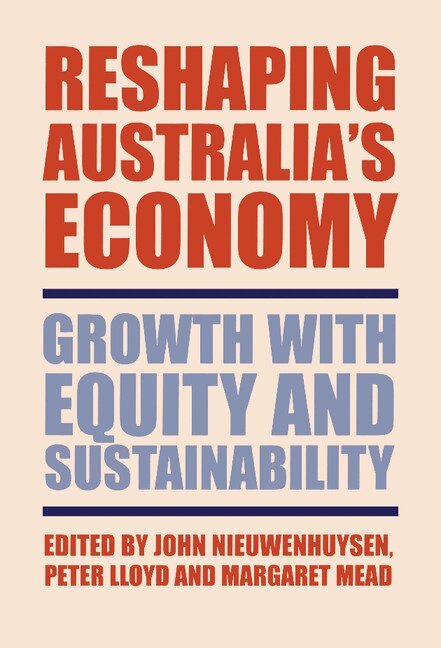
Reshaping Australia's Economy draws together some of the best economists and public policy analysts in Australia to contribute to a major assessment and 'audit' of the economy. The book assesses the economy's recent performance in achieving an environment which encourages sustainable economic growth with an equitable income distribution. It then goes on to pinpoint what is required to ensure vigorous growth with socially and environmentally acceptable outcomes for the future. Leading economists include Stephen Dowrick, Bob Stimson, Jeff Borland, Mark Wooden, Bill Shields, Bruce Chapman, Glenn Withers, Vince FitzGerald, Kym Anderson and David Throsby. Chapters by contributors such as Ian Manning, Brian Howe, Jane Marceau and Kevin O'Connor consider the issues of equitable distribution of the benefits of growth.
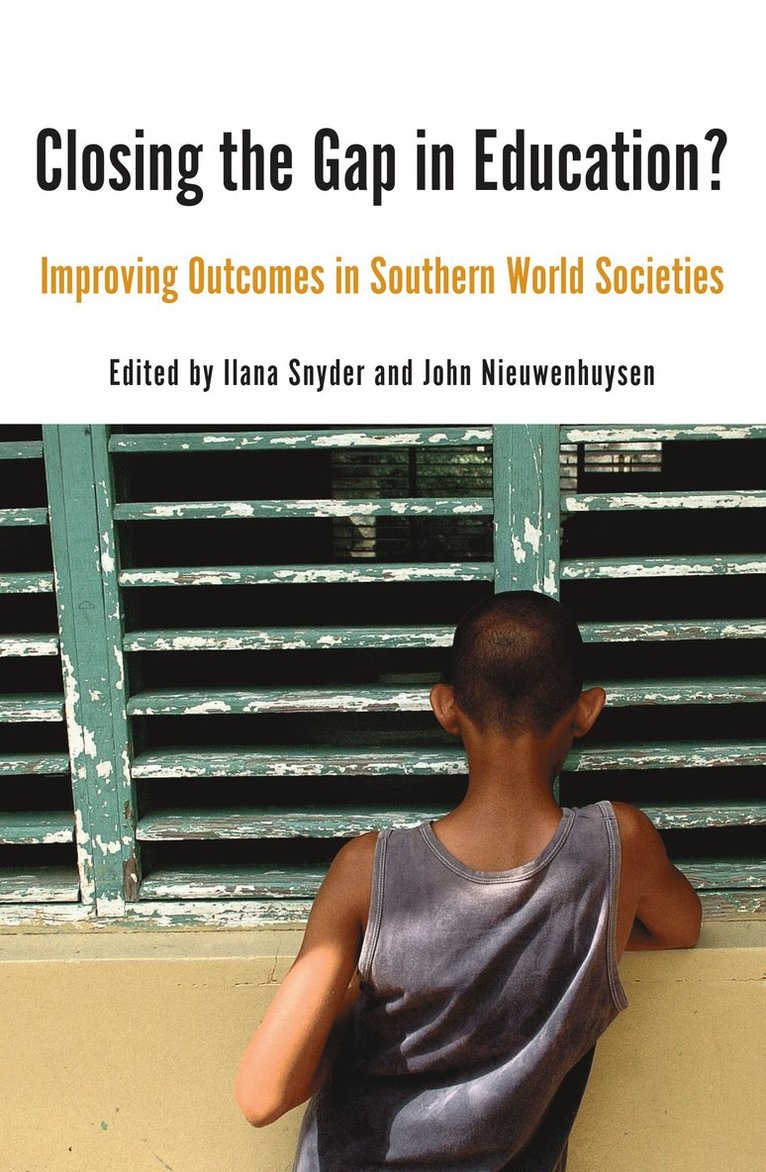
The education of marginalised peoples and communities is a topic of great contemporary importance. Closing the Gap in Education? increases our understanding of the nature and challenges of marginalisation in southern world societies. The book also canvasses possible directions for change that might improve the social participation of young people. It is both timely and distinctive. Closing the Gap in Education? emanates from a conference organised by the Monash Institute for the Study of Global Movements, in partnership with Monash South Africa, held in 2009 at Monash’s Johannesburg campus. Leading scholars and public figures from Australia, South Africa and New Zealand participated. The authors provide illuminating accounts of marginalisation which point to the inadequacy of many current educational policies. Several contributors question the usefulness of notions of closing gaps and bridging divides, suggesting alternative ways to frame the debates. In explaining the key terms – marginalisation, gaps, divides, peripheries – the contributors consider capabilities, social practices, neo-liberalism, human capital theory, raciology, redistribution, the education debt, the politics of hope, history as a cultural resource and other concepts. They do so as academics and activists committed to social justice in education. The achievement of social transformation is particularly emphasised. Closing the Gap in Education? makes a most important contribution to understanding education in marginalised communities. It is a thought-provoking work, relevant to all readers interested in education, policy, government, global, media and indigenous studies.
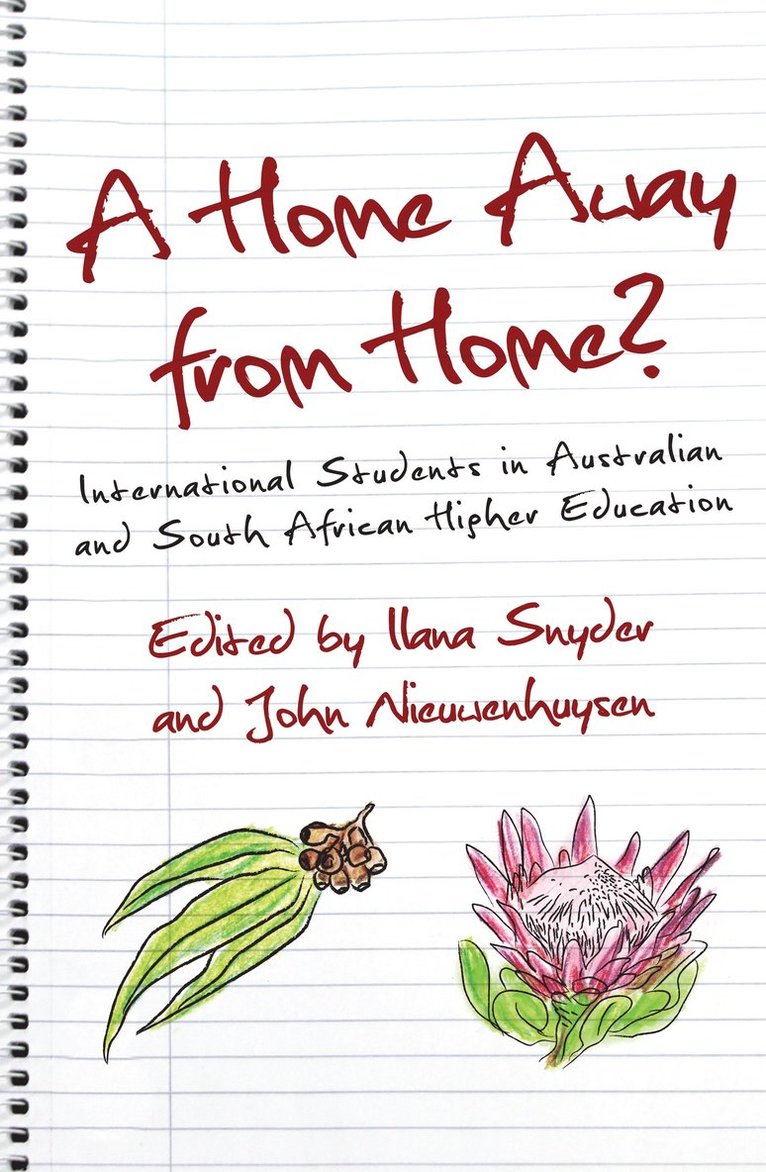
More than ever before, students have the option of studying abroad. The character of the higher education experience in many countries has been dramatically changed by the international flow of students. An increasing diversity and cosmopolitanism in higher education has been accompanied by that sector’s increasing financial dependence on students from overseas, and the fees they pay. Higher education, once perceived as benefiting the public, is now driven by principles of business and marketing. With a focus on Australia and South Africa, this book enhances understanding of the complex issues associated with international education in globalising times. The authors question the adequacy of many current higher education policies, challenge the contemporary emphasis on international education as a commodity rather than a public good, and put forward alternative ways of framing debates and formulating policies.
Reshaping Australia's Economy draws together some of the best economists and public policy analysts in Australia to contribute to a major assessment and 'audit' of the economy. The book assesses the economy's recent performance in achieving an environment which encourages sustainable economic growth with an equitable income distribution. It then goes on to pinpoint what is required to ensure vigorous growth with socially and environmentally acceptable outcomes for the future. Leading economists include Stephen Dowrick, Bob Stimson, Jeff Borland, Mark Wooden, Bill Shields, Bruce Chapman, Glenn Withers, Vince FitzGerald, Kym Anderson and David Throsby. Chapters by contributors such as Ian Manning, Brian Howe, Jane Marceau and Kevin O'Connor consider the issues of equitable distribution of the benefits of growth.
The education of marginalised peoples and communities is a topic of great contemporary importance. Closing the Gap in Education? increases our understanding of the nature and challenges of marginalisation in southern world societies. The book also canvasses possible directions for change that might improve the social participation of young people. It is both timely and distinctive. Closing the Gap in Education? emanates from a conference organised by the Monash Institute for the Study of Global Movements, in partnership with Monash South Africa, held in 2009 at Monash’s Johannesburg campus. Leading scholars and public figures from Australia, South Africa and New Zealand participated. The authors provide illuminating accounts of marginalisation which point to the inadequacy of many current educational policies. Several contributors question the usefulness of notions of closing gaps and bridging divides, suggesting alternative ways to frame the debates. In explaining the key terms – marginalisation, gaps, divides, peripheries – the contributors consider capabilities, social practices, neo-liberalism, human capital theory, raciology, redistribution, the education debt, the politics of hope, history as a cultural resource and other concepts. They do so as academics and activists committed to social justice in education. The achievement of social transformation is particularly emphasised. Closing the Gap in Education? makes a most important contribution to understanding education in marginalised communities. It is a thought-provoking work, relevant to all readers interested in education, policy, government, global, media and indigenous studies.
More than ever before, students have the option of studying abroad. The character of the higher education experience in many countries has been dramatically changed by the international flow of students. An increasing diversity and cosmopolitanism in higher education has been accompanied by that sector’s increasing financial dependence on students from overseas, and the fees they pay. Higher education, once perceived as benefiting the public, is now driven by principles of business and marketing. With a focus on Australia and South Africa, this book enhances understanding of the complex issues associated with international education in globalising times. The authors question the adequacy of many current higher education policies, challenge the contemporary emphasis on international education as a commodity rather than a public good, and put forward alternative ways of framing debates and formulating policies.