John Patrick Diggins – författare
Visar alla böcker från författaren John Patrick Diggins. Handla med fri frakt och snabb leverans.
19 produkter
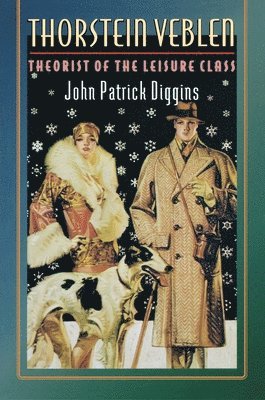
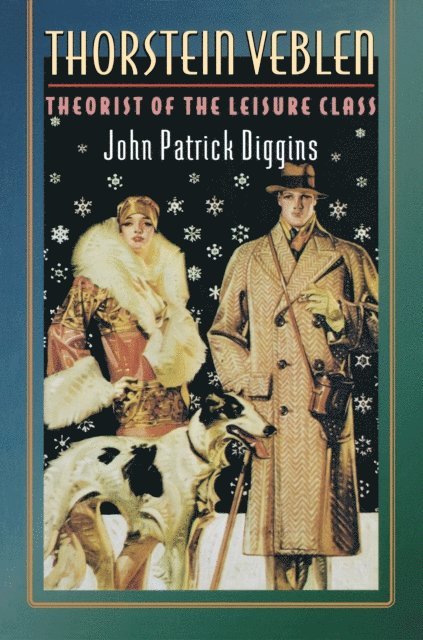
Thorstein Veblen
Theorist of the Leisure Class
Häftad, 1999
603 kr
Lägg i varukorg
Fired by Stanford and the University of Chicago but recommended by his peers to the presidency of the American Economic Association, Thorstein Veblen remains a baffling figure in American intellectual history. In part because he was an eccentric who shunned publicity, he has also been one of our …
Why Niebuhr Now?
Häftad, 2012
152 kr
Lägg i varukorg
Barack Obama has called him "one of my favorite philosophers." John McCain wrote that he is "a paragon of clarity about the costs of a good war." Andrew Sullivan has said, "We need Niebuhr now more than ever." For a theologian who died in 1971, Reinhold Niebuhr is maintaining a remarkably high …
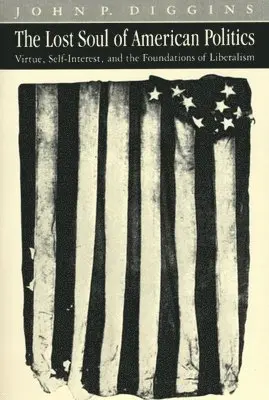
Lost Soul of American Politics
Virtue, Self-Interest, and the Foundations of Liberalism
Häftad, 1986
567 kr
Lägg i varukorg
The Lost Soul of American Politics is a provocative new interpretation of American political thought from the Founding Fathers to the Neo-Conservatives. Reassessing the motives and intentions of such great political thinkers as Madison, Thoreau, Lincoln, and Emerson, John P. Diggins shows how these …
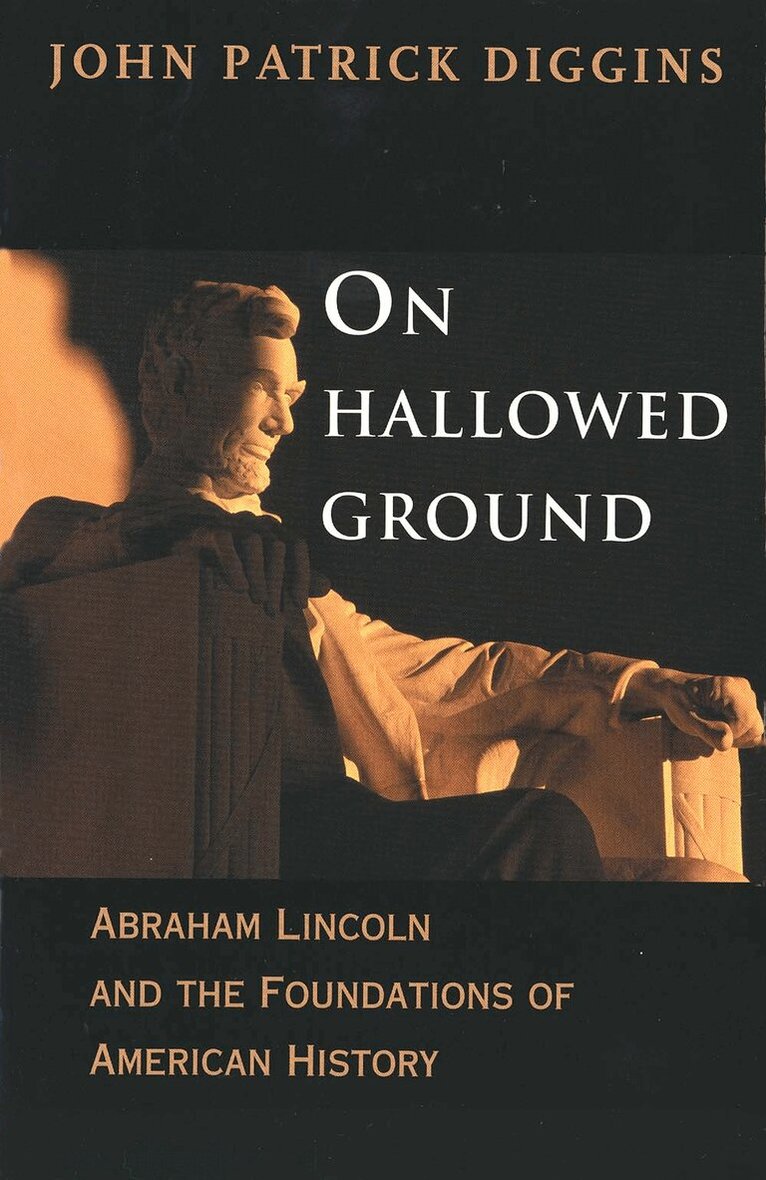
On Hallowed Ground
Häftad, 2011
582 kr
Lägg i varukorg
In this provocative book, John Patrick Diggins, hailed by Alan Ryan in the New York Times as “one of the liveliest and most interesting of contemporary intellectual historians,” offers a sweeping reassessment of American history, emphasizing the foundational role of Abraham Lincoln’s moral and …
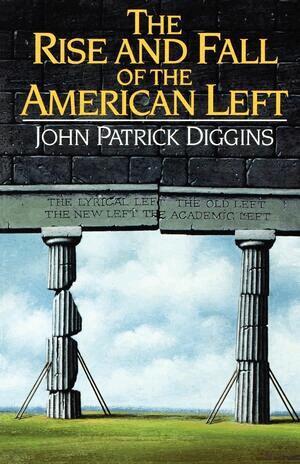
Rise and Fall of the American Left
Häftad, 1992
350 kr
Lägg i varukorg
Born in America, the American Left was nurtured by intellectuals and activists who read Jefferson and Whitman before they read Marx or Mao. One lesson this brilliant history teaches us is that the fury of radical innocence and wounded idealism so peculiar to American intellectual history springs …
Proud Decades
America in War and Peace, 1941-1960
Häftad, 1989
346 kr
Lägg i varukorg
"Richly instructive. . . . With characteristic cogency and verve John Diggins has painted a memorable portrait of the United States at a triumphant moment in its history."—David M. Kennedy, Stanford University
Thorstein Veblen
Theorist of the Leisure Class
E-bok, 2021
808 kr
Lägg i varukorg
Fired by Stanford and the University of Chicago but recommended by his peers to the presidency of the American Economic Association, Thorstein Veblen remains a baffling figure in American intellectual history. In part because he was an eccentric who shunned publicity, he has also been one of our …
Liberal Persuasion
Arthur Schlesinger, Jr., and the Challenge of the American Past
Häftad, 2017
559 kr
Lägg i varukorg
For more than half a century, the celebrated historian Arthur Schlesinger, Jr., has been the guiding force of American liberalism, both intellectually and in practice. The author of many critically acclaimed books, Schlesinger vigorously defended FDR's New Deal policies in his earliest writings and …
Mussolini and Fascism
The View from America
Häftad, 2015
891 kr
Lägg i varukorg
Mussolini, in the thousand guises he projected and the press picked up, fascinated Americans in the 1920s and the early '30s. John Diggins' analysis of America's reaction to an ideological phenomenon abroad reveals, he proposes, the darker side of American political values and assumptions. …
Mussolini and Fascism
The View from America
Inbunden, 2016
3750 kr
Lägg i varukorg
Mussolini, in the thousand guises he projected and the press picked up, fascinated Americans in the 1920s and the early '30s. John Diggins' analysis of America's reaction to an ideological phenomenon abroad reveals, he proposes, the darker side of American political values and assumptions. …
Liberal Persuasion
Arthur Schlesinger, Jr., and the Challenge of the American Past
Inbunden, 2017
2430 kr
Lägg i varukorg
For more than half a century, the celebrated historian Arthur Schlesinger, Jr., has been the guiding force of American liberalism, both intellectually and in practice. The author of many critically acclaimed books, Schlesinger vigorously defended FDR's New Deal policies in his earliest writings and …
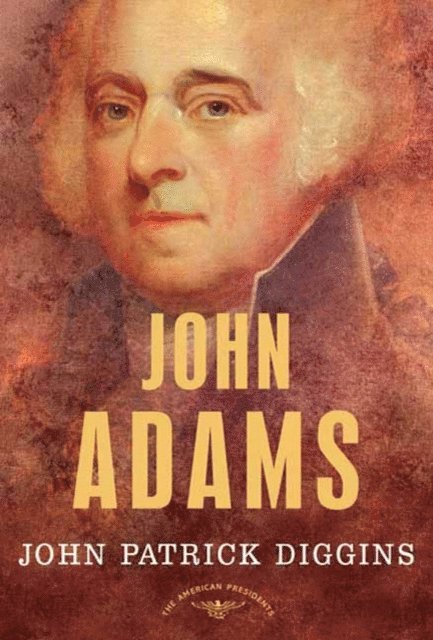
John Adams: The American Presidents Series: The 2nd President, 1797-1801
Av John Patrick Diggins, Jr. Schlesinger, Arthur M.
Inbunden, 2003
393 kr
Lägg i varukorg
Mussolini and Fascism
The View from America
E-bok, 2015
1293 kr
Lägg i varukorg
Mussolini, in the thousand guises he projected and the press picked up, fascinated Americans in the 1920s and the early '30s. John Diggins' analysis of America's reaction to an ideological phenomenon abroad reveals, he proposes, the darker side of American political values and …
Liberal Persuasion
Arthur Schlesinger, Jr., and the Challenge of the American Past
E-bok, 2017
764 kr
Lägg i varukorg
For more than half a century, the celebrated historian Arthur Schlesinger, Jr., has been the guiding force of American liberalism, both intellectually and in practice. The author of many critically acclaimed books, Schlesinger vigorously defended FDR''s New Deal policies in his earliest writings …
John Adams
The American Presidents Series: The 2nd President, 1797-1801
Av John Patrick Diggins, Jr. Arthur M. Schlesinger
E-bok, 2003
180 kr
Lägg i varukorg
A revealing look at the true beginning of American politics Until recently rescued by David McCullough, John Adams has always been overshadowed by Washington and Jefferson. Volatile, impulsive, irritable, and self-pitying, Adams seemed temperamentally unsuited for the presidency. Yet in many ways …
Promise of Pragmatism
Modernism and the Crisis of Knowledge and Authority
Inbunden, 1994
437 kr
Tillfälligt slut
In this critique of pragmatism and neopragmatism, an historian traces the attempts of thinkers from William James to Richard Rorty to find a response to the crisis of modernism. John Patrick Diggins analyzes the limitations of pragmatism from a historical perspective and asks whether America's one …
Promise of Pragmatism
Modernism and the Crisis of Knowledge and Authority
Häftad, 1995
296 kr
Tillfälligt slut
For much of the 20th century, pragmatism has held the dominant point of view in American politics, law, education and social thought in general. After suffering a brief eclipse in the post-World War II period, pragmatism has experienced a revival, especially in literary theory and such areas as …
Why Niebuhr Now?
Inbunden, 2011
211 kr
Tillfälligt slut
Barack Obama has called him 'one of my favorite philosophers'. John McCain wrote that he is 'a paragon of clarity about the costs of a good war'. Andrew Sullivan has said, 'We need Niebuhr now more than ever'. For a theologian who died in 1971, Reinhold Niebuhr is maintaining a remarkably high …
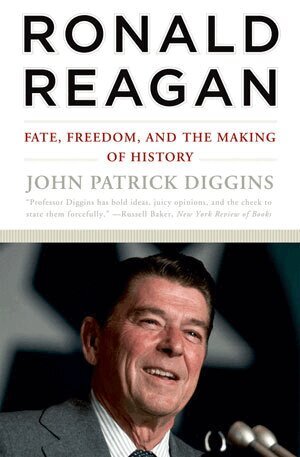
Ronald Reagan
Fate, Freedom, and the Making of History
Häftad, 2008
180 kr
Tillfälligt slut
In this bold, revisionist biography, distinguished historian John Patrick Diggins shows that Ronald Reagan, in his distrust of big government, his pursuit of libertarian ideals, and his negotiations with Gorbachev, was a far more active and sophisticated president than we previously knew. Affirming …