John R. Gosden – författare
Visar alla böcker från författaren John R. Gosden. Handla med fri frakt och snabb leverans.
4 produkter
4 produkter
Häftad, Engelska, 1994
1 681 kr
Skickas inom 10-15 vardagar
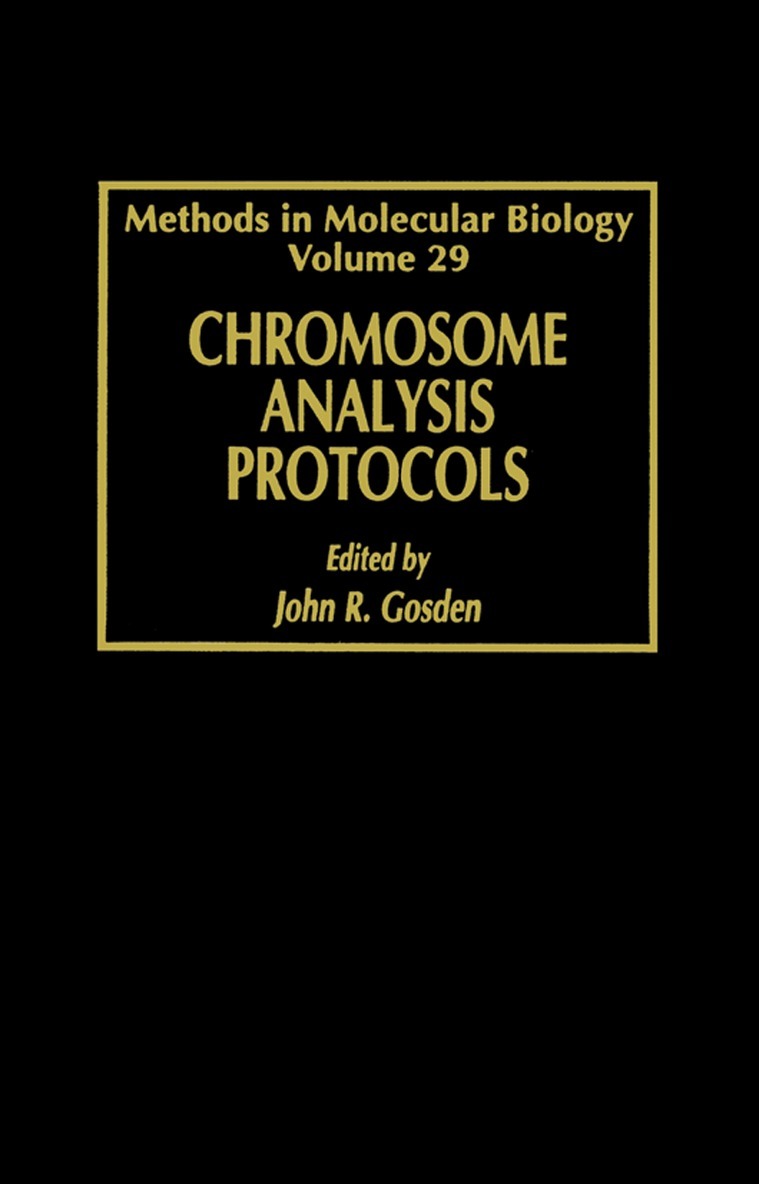
Clear, step-by-step instructions provide you with all the techniques used in both classical and molecular cytogenetics. The emphasis is on the use of human material, but the techniques are designed to be readily applicable to other animal chromosomes. Chapters feature methods used in the preparation of chromosomes, in analyzing chromosomes directly at the light-microscope level, and in molecular genetics techniques.
Inbunden, Engelska, 1994
1 681 kr
Skickas inom 10-15 vardagar
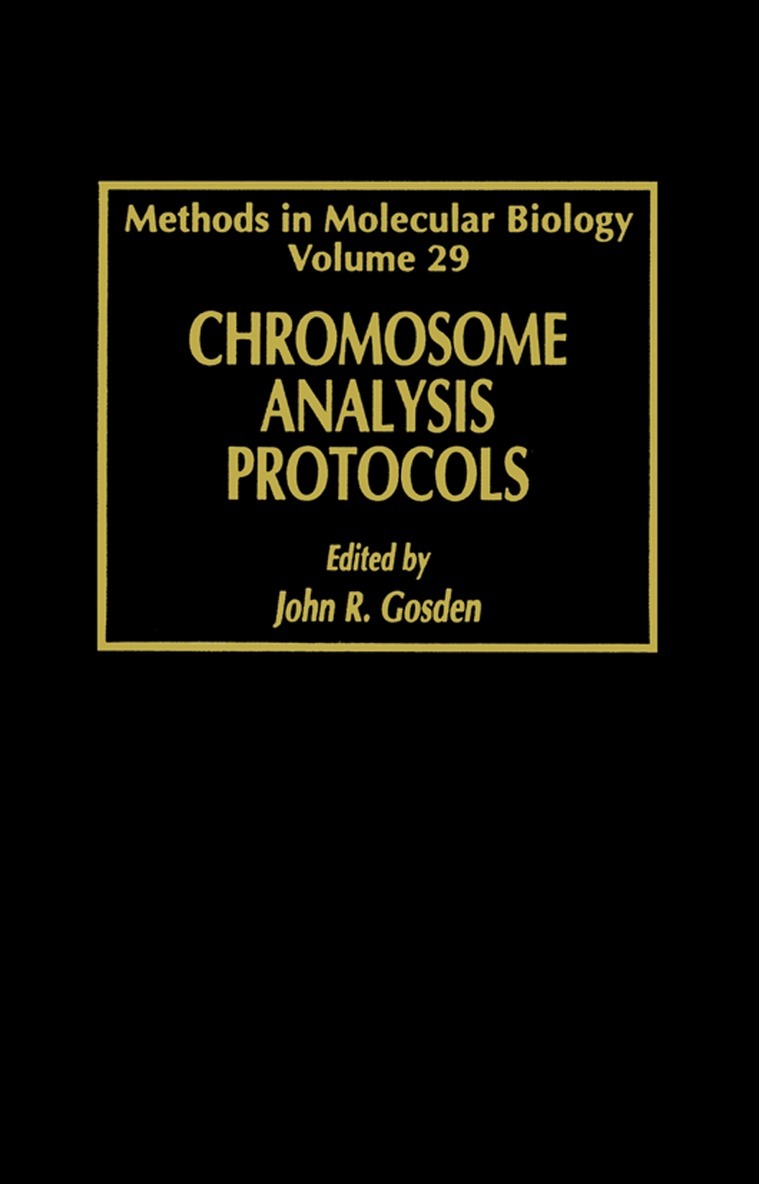
Chromosomes, as the genetic vehicles, provide the basic material for a large proportion of genetic investigations, from the construction of gene maps and models of chromosome organization, to the inves tigation of gene function and dysfunction. The study of chromosomes has developed in parallel with other aspects of molecular genetics, beginning with the first preparations of chromosomes from animal cells, through the development of banding techniques, which permitted the unequivocal identification of each chromosome in a karyotype, to the present analytical methods of molecular cytogenetics. Although some of these techniques have been in use for many years, and can be learned relatively easily, most published scientific reports—as a result of pressure on space from editors, and the response to that pressure by authors—contain little in the way of technical detail, and thus are rarely adequate for a researcher hoping to find all the necessary information to embark on a method from scratch. A new user needs not only a detailed description of the methods, but also some help with problem solving and sorting out the difficulties en countered in handling any biological system. This was the require ment to which the series Methods in Molecular Biology is addressed, and Chromosome Analysis Protocols forms a part of this series.
E-bok
Engelska, 20082 110 kr
Läs direkt efter köp
Chromosomes, as the genetic vehicles, provide the basic material for a large proportion of genetic investigations, from the construction of gene maps and models of chromosome organization, to the inves tigation of gene function and dysfunction. The study of chromosomes has developed in parallel with other aspects of molecular genetics, beginning with the first preparations of chromosomes from animal cells, through the development of banding techniques, which permitted the unequivocal identification of each chromosome in a karyotype, to the present analytical methods of molecular cytogenetics. Although some of these techniques have been in use for many years, and can be learned relatively easily, most published scientific reports—as a result of pressure on space from editors, and the response to that pressure by authors—contain little in the way of technical detail, and thus are rarely adequate for a researcher hoping to find all the necessary information to embark on a method from scratch. A new user needs not only a detailed description of the methods, but also some help with problem solving and sorting out the difficulties en countered in handling any biological system. This was the require ment to which the series Methods in Molecular Biology is addressed, and Chromosome Analysis Protocols forms a part of this series.
Häftad, Engelska, 2010
1 681 kr
Skickas inom 10-15 vardagar
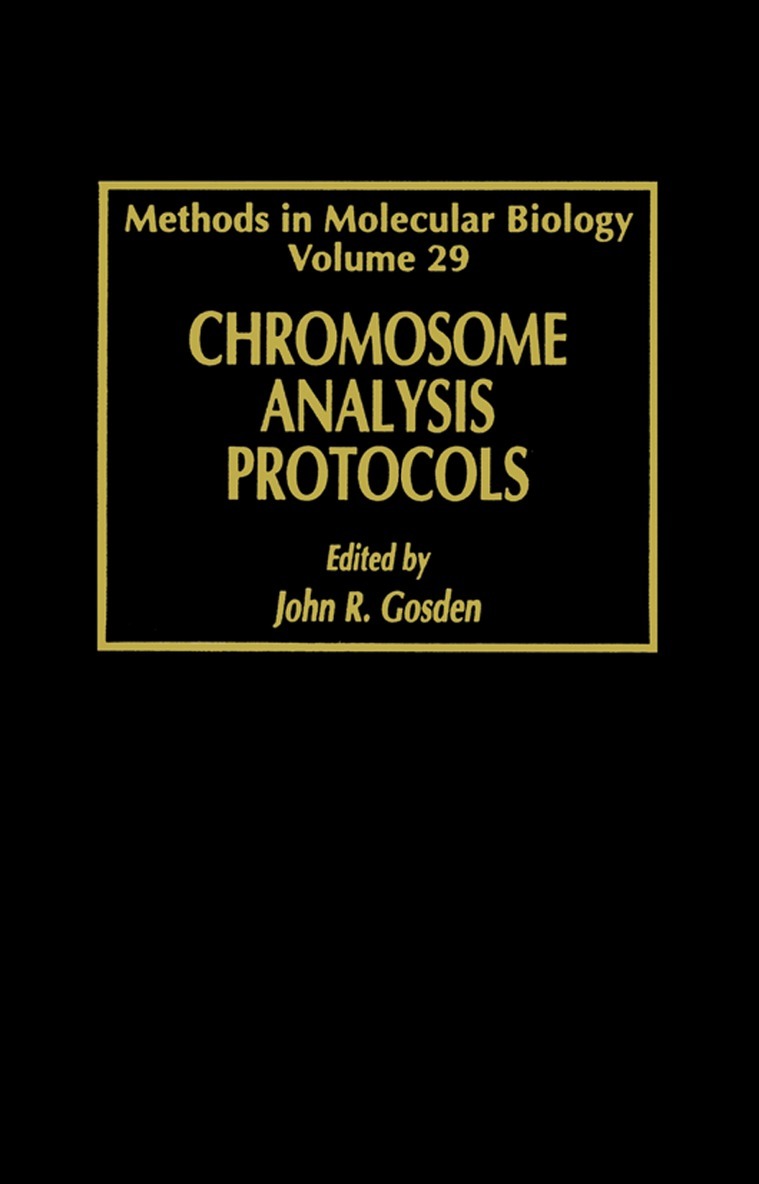
Chromosomes, as the genetic vehicles, provide the basic material for a large proportion of genetic investigations, from the construction of gene maps and models of chromosome organization, to the inves tigation of gene function and dysfunction. The study of chromosomes has developed in parallel with other aspects of molecular genetics, beginning with the first preparations of chromosomes from animal cells, through the development of banding techniques, which permitted the unequivocal identification of each chromosome in a karyotype, to the present analytical methods of molecular cytogenetics. Although some of these techniques have been in use for many years, and can be learned relatively easily, most published scientific reports—as a result of pressure on space from editors, and the response to that pressure by authors—contain little in the way of technical detail, and thus are rarely adequate for a researcher hoping to find all the necessary information to embark on a method from scratch. A new user needs not only a detailed description of the methods, but also some help with problem solving and sorting out the difficulties en countered in handling any biological system. This was the require ment to which the series Methods in Molecular Biology is addressed, and Chromosome Analysis Protocols forms a part of this series.