This volume is intended for students and professionals in diverse areas of the biological and biochemical sciences. It is oriented to those who are unfamiliar with the use of physical methods in studies of the biological elements. We hope the reader will find the material a helpful reference for other volumes of this series as well as the general literature, and some may see ways to adopt these techniques in their own pursuits. Every effort has been made to avoid an abstruse presentation. It should be clear that one individual cannot be expert in all the disciplines considered here (and the authors recognize that fact with sin cere humility). As may be expected of an introductory reference, most of our attention was focused on the commonly used methods. To balance this, we have included a few examples of approaches which are promising but relatively undeveloped at this time. Also, an emphasis has been placed on element selectivity. It is impossible to envision the course of future events, and a volume which deals with instrumentation is especially prone to become outdated. Nevertheless, any valid approach to a scientific question should be applicable indefinitely.
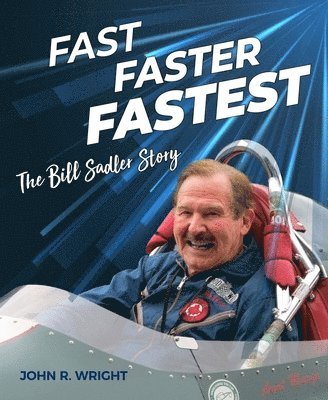
The authorized biography of a polymath racecar engineer.This biography of Bill Sadler tells the story of an innovator who set the racing world astir with his boldly inventive cars. His original creations--including the Formula Libre and the Sadler Mark V--brought him racing victories at tracks such as Watkins Glen and the Brighton Speed Trials throughout the 1950s and early '60s. Sadler's career took him from his first shop in Hamilton, Ontario, to the notorious Nevada government facility known as Area 51, where he worked on prototype aircraft and other classified projects during his decades-long hiatus from the racing world. Written with the full cooperation of Bill Sadler before he passed away in early 2022, Fast, Faster, Fastest contains never-before-seen photographs and rarely-heard stories from a brilliant engineering mind.