
Häftad, Engelska
3 466 kr
Skickas inom 3-6 vardagar
3 466 kr
Skickas inom 3-6 vardagar
1 496 kr
Läs direkt efter köp
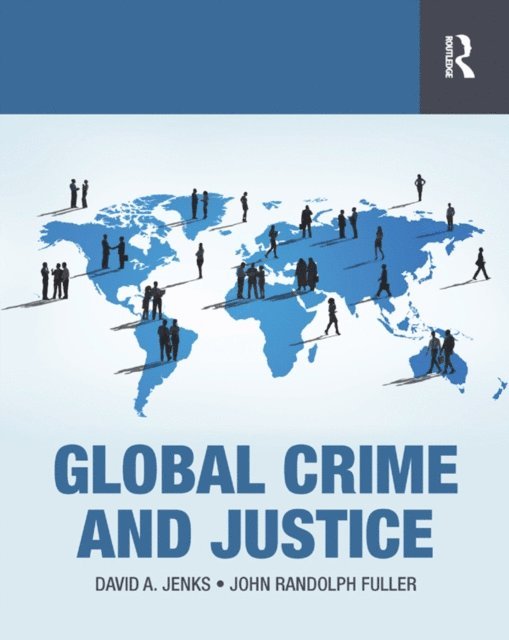
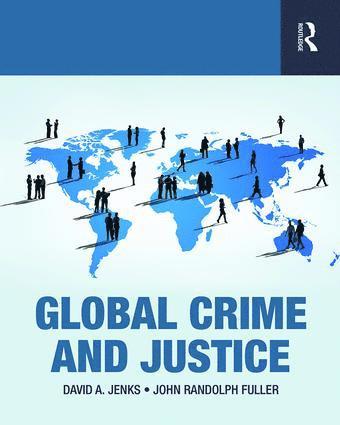
Global Crime and Justice offers a truly transnational examination of both deviance and social controls around the world. Unlike comparative textbooks detailing the criminal justice systems of a few select nations, or cataloging types of international crimes that span multiple legal jurisdictions, Global Crime and Justice provides a critical and integrated investigation into the nature of crime and how different societies react to it. The book first details various types of international crime, including genocide, war crimes, international drug and weapons smuggling, terrorism, slavery, and human trafficking. The second half covers international law, international crime control, the use of martial law, and the challenges of balancing public order with human and civil rights.
Global Crime and Justice is suitable for use in criminology and criminal justice departments, as well as in political science, international relations, and global studies programs. It will appeal to all who seek an academically rigorous and comprehensive treatment of the international and transnational issues of crime and social order.
1 512 kr
Läs direkt efter köp
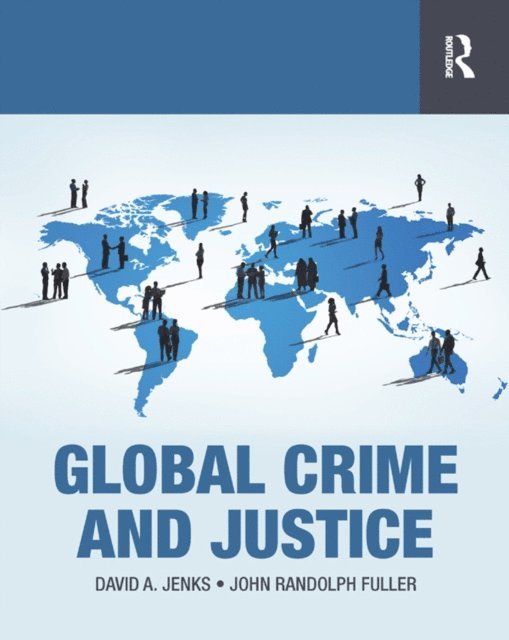
Global Crime and Justice offers a truly transnational examination of both deviance and social controls around the world. Unlike comparative textbooks detailing the criminal justice systems of a few select nations, or cataloging types of international crimes that span multiple legal jurisdictions, Global Crime and Justice provides a critical and integrated investigation into the nature of crime and how different societies react to it. The book first details various types of international crime, including genocide, war crimes, international drug and weapons smuggling, terrorism, slavery, and human trafficking. The second half covers international law, international crime control, the use of martial law, and the challenges of balancing public order with human and civil rights.
Global Crime and Justice is suitable for use in criminology and criminal justice departments, as well as in political science, international relations, and global studies programs. It will appeal to all who seek an academically rigorous and comprehensive treatment of the international and transnational issues of crime and social order.
2 182 kr
Läs direkt efter köp
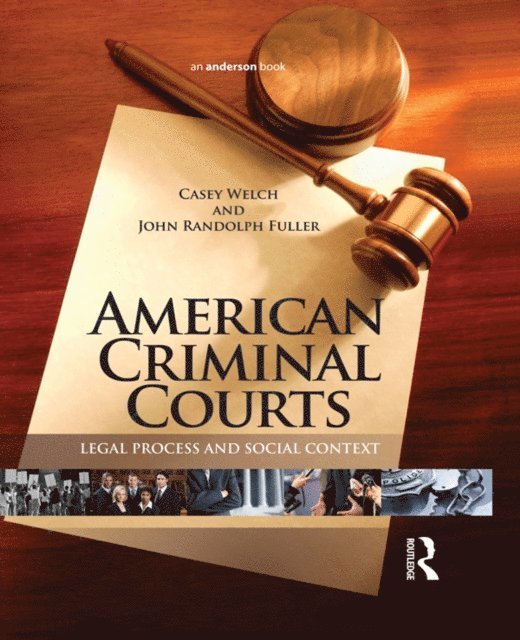
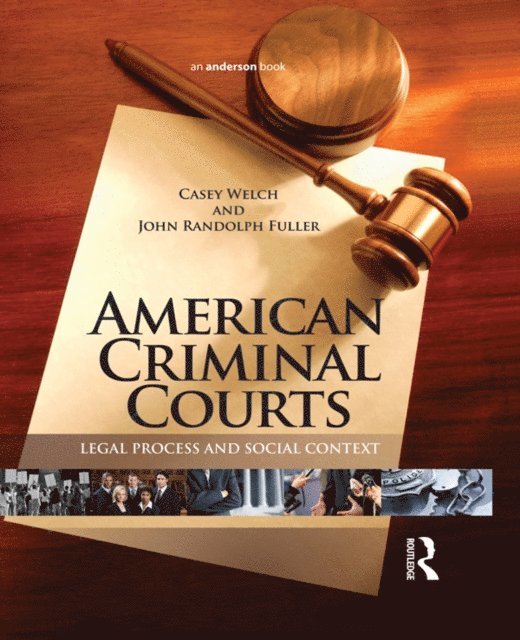
American Criminal Courts: Legal Process and Social Context is an introductory-level text that offers a comprehensive study of the legal processes that guide criminal courts and the social contexts that introduce variations in the activities of actors inside and outside the court. Specifically the text focuses upon: Legal Processes. U.S. criminal courts are constrained by several legal processes and organizational structures that determine how the courts operate and how laws are applied. This book explores how democratic processes develop the criminal law in the United States, the documents that define law (federal and state constitutions, legal codes, administrative policies), the organizational structure of courts at the federal and state levels, the overlapping authority of the appeals process, and the effect of legal processes such as precedent, jurisdiction, and the underlying legal philosophies of various types of courts. Although most texts on criminal courts do a credible job of describing legal processes, this text looks more deeply into the origins of criminal law, historic turning points in the criminal law, conditions that affect the decision-making of criminal justice practitioners, and the contentious political process that affects how criminal laws are considered. Social Contexts.
The criminal courts are staffed by people who represent different perspectives, occupational pressures, and organizational goals. The text includes chapters on actors in the traditional courtroom workgroup (judges, prosecutors, and defense attorneys), as well as those outside the court who seek to influence it, including advocacy groups, media, and politicians. It is the interplay between the court legal processes and the social actors in the courtroom that makes the application of the criminal laws so fascinating. By focusing on the tension between the law (legal processes) and the actors inside and outside the courts system (social contexts), this text demonstrates how the courts are a product of "law in action," and it presents the course content in a way that enables students to understand not only the "how" of the U.S. criminal court system but also the "why."
2 182 kr
Läs direkt efter köp
American Criminal Courts: Legal Process and Social Context is an introductory-level text that offers a comprehensive study of the legal processes that guide criminal courts and the social contexts that introduce variations in the activities of actors inside and outside the court. Specifically the text focuses upon: Legal Processes. U.S. criminal courts are constrained by several legal processes and organizational structures that determine how the courts operate and how laws are applied. This book explores how democratic processes develop the criminal law in the United States, the documents that define law (federal and state constitutions, legal codes, administrative policies), the organizational structure of courts at the federal and state levels, the overlapping authority of the appeals process, and the effect of legal processes such as precedent, jurisdiction, and the underlying legal philosophies of various types of courts. Although most texts on criminal courts do a credible job of describing legal processes, this text looks more deeply into the origins of criminal law, historic turning points in the criminal law, conditions that affect the decision-making of criminal justice practitioners, and the contentious political process that affects how criminal laws are considered. Social Contexts.
The criminal courts are staffed by people who represent different perspectives, occupational pressures, and organizational goals. The text includes chapters on actors in the traditional courtroom workgroup (judges, prosecutors, and defense attorneys), as well as those outside the court who seek to influence it, including advocacy groups, media, and politicians. It is the interplay between the court legal processes and the social actors in the courtroom that makes the application of the criminal laws so fascinating. By focusing on the tension between the law (legal processes) and the actors inside and outside the courts system (social contexts), this text demonstrates how the courts are a product of "law in action," and it presents the course content in a way that enables students to understand not only the "how" of the U.S. criminal court system but also the "why."
733 kr
Skickas inom 10-15 vardagar
1 289 kr
Skickas inom 10-15 vardagar