177 kr
Skickas inom 5-8 vardagar
177 kr
Skickas inom 5-8 vardagar
274 kr
Skickas inom 5-8 vardagar
60 kr
Läs direkt efter köp
149 kr
Skickas
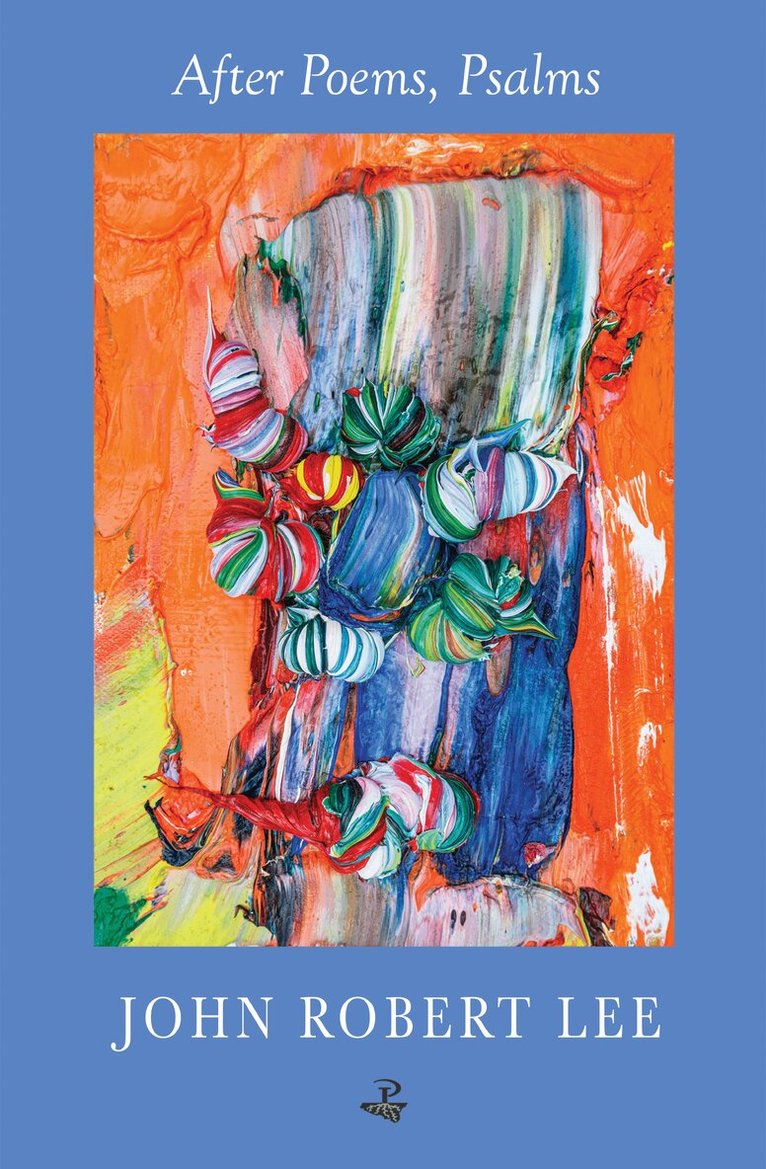
In his fifth collection with Peepal Tree Press, After Poems, Psalms, John Robert Lee achieves a sense of spirit, insight and empathy with these celebratory and contemplative poems.
“In the way that we might look to the psalms for strength and solace, After Poems, Psalms should be received as a gift, a balm and a cause for celebration. Here is a companion to assist spirit wrestlers and lovers of poetry in their quest to identify the numinous in both the human and the natural worlds. ” Lorna Goodison
129 kr
Läs direkt efter köp
136 kr
Tillfälligt slut
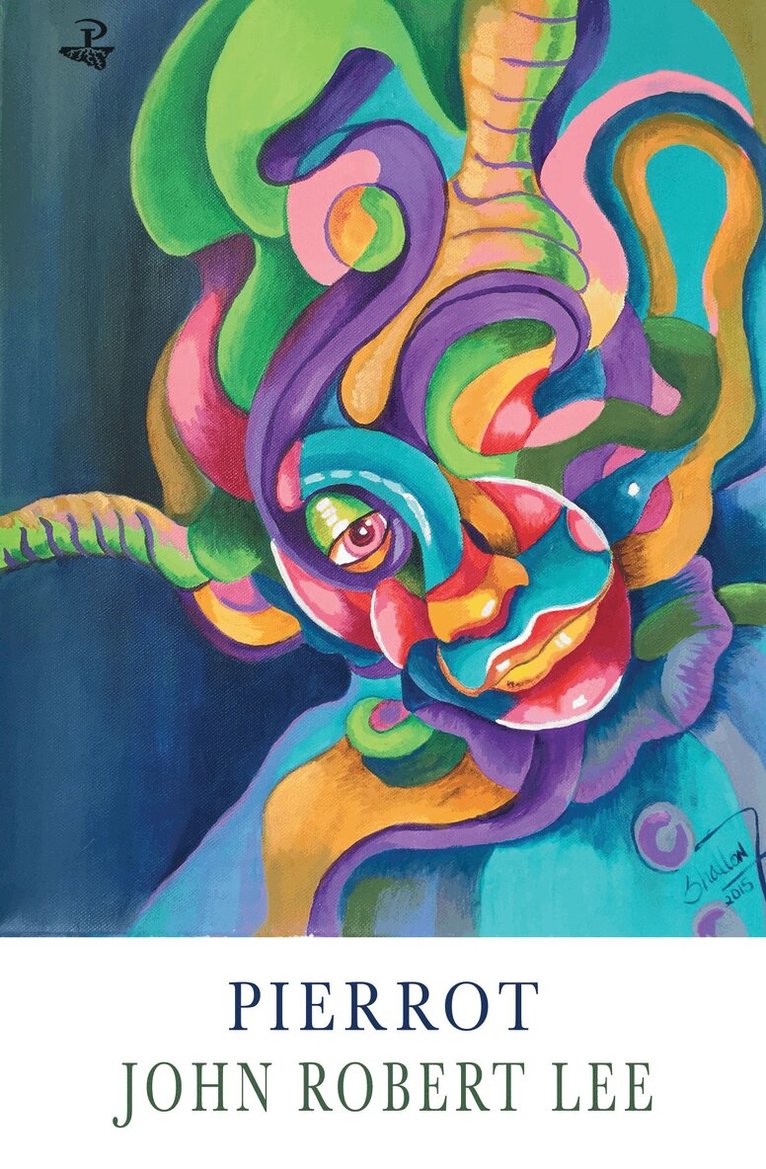
The sacred and the profane, self and world, literature and politics meet in the figure of Pierrot. He is the sad clown, holy fool of literary tradition, the suffering artist who connects to Christ in his most human incarnation as Man of Sorrows. He is also the Pierrot Grenade of Caribbean carnival, the most literary of carnival figures who can spell anything, who carries a whip, but lashes with his tongue. Pierrot is both the bedraggled figure at the sordid end of carnival who is weary of the “Infernal cycles of mamaguy kaiso politricks”, and the risen Christ who, if you listen, can be heard to “crack His midnight robber word”. In his ninth collection of poems, John Robert Lee contemplates his 70th year in St Lucia and the sad chimes of mortality as friends and literary and cultural heroes leave this life. It’s a time for a weighing up of where domestic, political, literary and spiritual journeys have reached. It is a time of honest admissions but also renewed faith in all these journeys. This is no retired poetry steeped in reflective sorrow, but probably the most vigorous, demotic, experimental and intimate of John Robert Lee’s collections. More of the man in all his guises appears here, a confessional voice lightened by self-irony and humour. Sometimes Pierrot is an archetypal figure, sometimes he may be thought to be Lee himself. And if salvation is the ultimate prize, few have beaten down the Babylon of the great northern neighbour with a heavier, more righteous lash than Lee wields in his poem, “Who made me a stranger in this world”.

135 kr
Tillfälligt slut
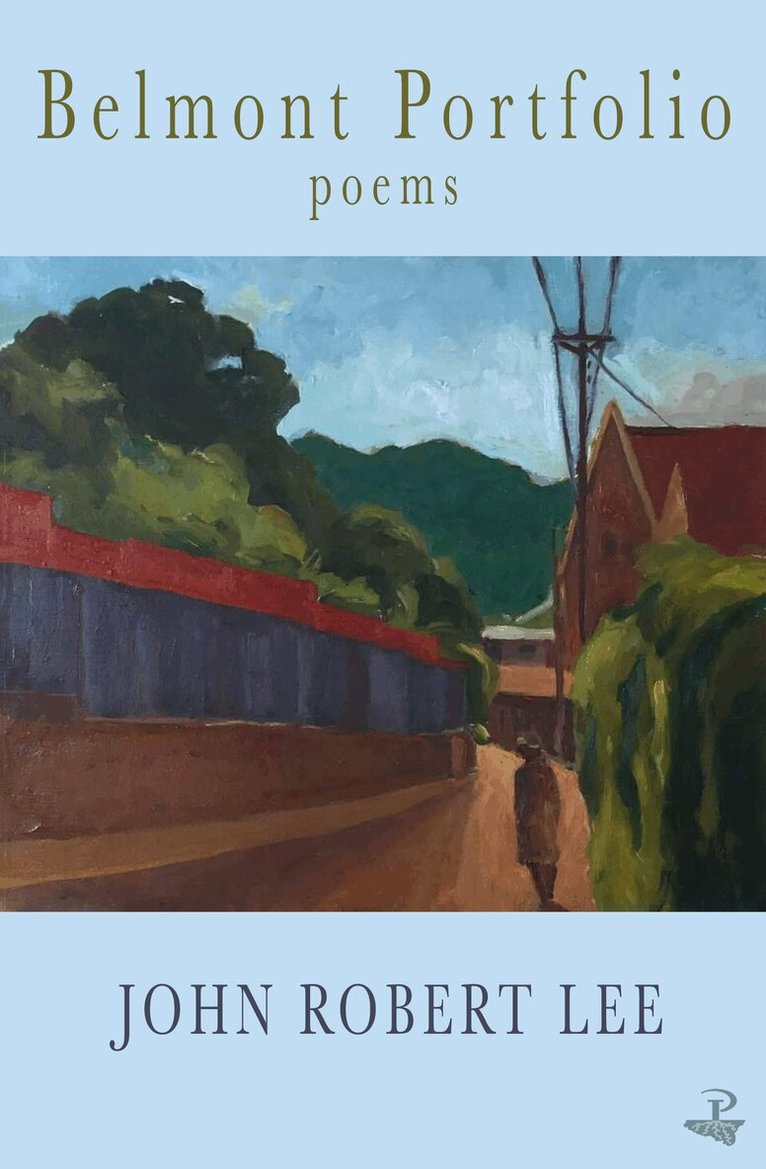
This is a magnificent and varied collection in which the observational, the sacramental, the elegiac, the prophetic and the personal mesh together. The suite of title poems records a time spent on his own in the unfamiliar streets of Belmont in Trinidad that catch the sense of being on the edge of adventure and moments of epiphany in seeing the numinous behind the ordinary. The ‘Office Hours’ suite, with gracious nods to W.H. Auden, is both an engagement with the hours of divine office and the Bible readings that go with it, and a very human series of reflections on that most universal of experiences – how we live through the cycles of our days. The rousing, Old Testament prophetic, righteous anger of the ‘Watchman’ sequence reflects on the hell of living in Babylon and the gap between the deceits of ‘liberal democracies’ and the ghastly realities of their global crimes. In the last sequence, ‘What Remains to be Said’, the poet emerges to the front of the stage and speaks confidentially to the reader, reflecting on what must be treasured as sustenance through ‘this Purgatorio’ of our times, and wondering how one can speak in an era where you are ‘collared in faith in agnostic seasons’, where the too frequent news of the deaths of those with whom you have shared the struggle is a ‘haunting against my faith in the Tree of Life’ – and questioning, slightly tongue-in-cheek, ‘approaching mid-seventies, what do I know?’
177 kr
Skickas inom 5-8 vardagar
274 kr
Skickas inom 5-8 vardagar
60 kr
Läs direkt efter köp
149 kr
Skickas
In his fifth collection with Peepal Tree Press, After Poems, Psalms, John Robert Lee achieves a sense of spirit, insight and empathy with these celebratory and contemplative poems.
“In the way that we might look to the psalms for strength and solace, After Poems, Psalms should be received as a gift, a balm and a cause for celebration. Here is a companion to assist spirit wrestlers and lovers of poetry in their quest to identify the numinous in both the human and the natural worlds. ” Lorna Goodison
129 kr
Läs direkt efter köp
136 kr
Tillfälligt slut
The sacred and the profane, self and world, literature and politics meet in the figure of Pierrot. He is the sad clown, holy fool of literary tradition, the suffering artist who connects to Christ in his most human incarnation as Man of Sorrows. He is also the Pierrot Grenade of Caribbean carnival, the most literary of carnival figures who can spell anything, who carries a whip, but lashes with his tongue. Pierrot is both the bedraggled figure at the sordid end of carnival who is weary of the “Infernal cycles of mamaguy kaiso politricks”, and the risen Christ who, if you listen, can be heard to “crack His midnight robber word”. In his ninth collection of poems, John Robert Lee contemplates his 70th year in St Lucia and the sad chimes of mortality as friends and literary and cultural heroes leave this life. It’s a time for a weighing up of where domestic, political, literary and spiritual journeys have reached. It is a time of honest admissions but also renewed faith in all these journeys. This is no retired poetry steeped in reflective sorrow, but probably the most vigorous, demotic, experimental and intimate of John Robert Lee’s collections. More of the man in all his guises appears here, a confessional voice lightened by self-irony and humour. Sometimes Pierrot is an archetypal figure, sometimes he may be thought to be Lee himself. And if salvation is the ultimate prize, few have beaten down the Babylon of the great northern neighbour with a heavier, more righteous lash than Lee wields in his poem, “Who made me a stranger in this world”.
135 kr
Tillfälligt slut
This is a magnificent and varied collection in which the observational, the sacramental, the elegiac, the prophetic and the personal mesh together. The suite of title poems records a time spent on his own in the unfamiliar streets of Belmont in Trinidad that catch the sense of being on the edge of adventure and moments of epiphany in seeing the numinous behind the ordinary. The ‘Office Hours’ suite, with gracious nods to W.H. Auden, is both an engagement with the hours of divine office and the Bible readings that go with it, and a very human series of reflections on that most universal of experiences – how we live through the cycles of our days. The rousing, Old Testament prophetic, righteous anger of the ‘Watchman’ sequence reflects on the hell of living in Babylon and the gap between the deceits of ‘liberal democracies’ and the ghastly realities of their global crimes. In the last sequence, ‘What Remains to be Said’, the poet emerges to the front of the stage and speaks confidentially to the reader, reflecting on what must be treasured as sustenance through ‘this Purgatorio’ of our times, and wondering how one can speak in an era where you are ‘collared in faith in agnostic seasons’, where the too frequent news of the deaths of those with whom you have shared the struggle is a ‘haunting against my faith in the Tree of Life’ – and questioning, slightly tongue-in-cheek, ‘approaching mid-seventies, what do I know?’