John S. Buckleton – författare
Visar alla böcker från författaren John S. Buckleton. Handla med fri frakt och snabb leverans.
7 produkter
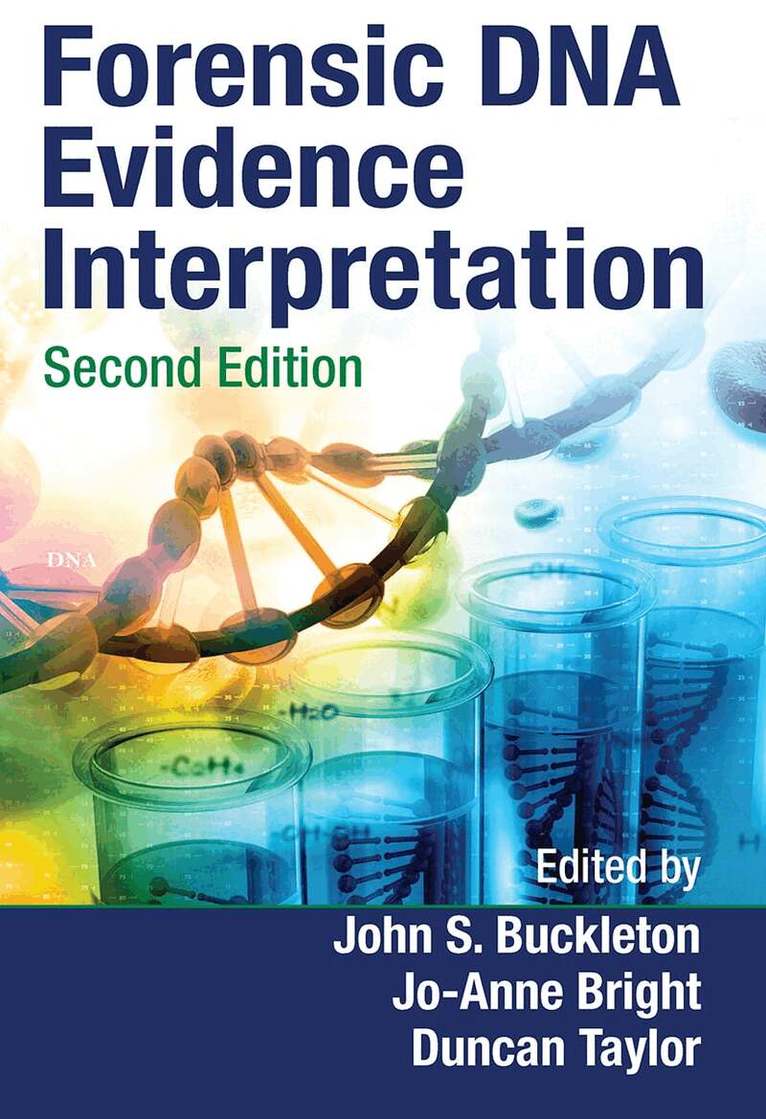
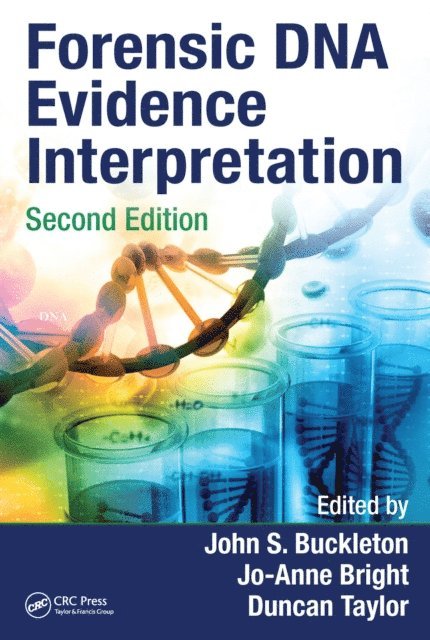
Forensic DNA Evidence Interpretation
Av John S. Buckleton, Jo-Anne Bright m. fl.
Häftad, 2021
1347 kr
Lägg i varukorg
Now in its second edition, Forensic DNA Evidence Interpretation is the most comprehensive resource for DNA casework available today. Written by leaders in the fields of biology and statistics, including a contribution from Peter Gill, the father of DNA analysis, the book emphasizes the …
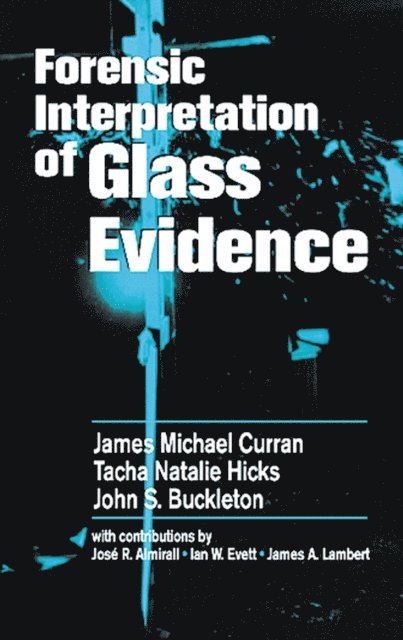
Forensic Interpretation of Glass Evidence
Av James Michael Curran, Tacha Natalie Hicks Champod m. fl.
Inbunden, 2000
3793 kr
Lägg i varukorg
Intended for forensic scientists and students of the discipline, Forensic Interpretation of Glass Evidence provides the practicing forensic scientist with the necessary statistical tools and methodology to introduce forensic glass evidence into the laboratory. With free software available for …
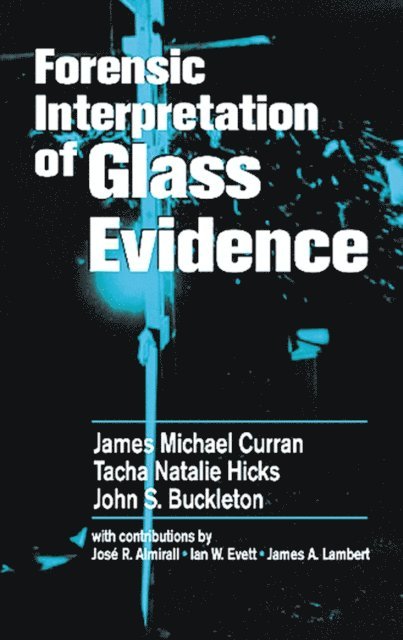
Forensic Interpretation of Glass Evidence
Av John S. Buckleton, Tacha Natalie Hicks Champod m. fl.
E-bok, 2000
4242 kr
Lägg i varukorg
Intended for forensic scientists and students, this book provides the necessary statistical tools and methodology for introducing forensic glass evidence into the laboratory. It contains an introductory chapter on glass evidence procedures and analysis before covering topics such as classical …
Forensic DNA Evidence Interpretation
Av Duncan Taylor, Jo-Anne Bright m. fl.
E-bok, 2018
1281 kr
Lägg i varukorg
Now in its second edition, Forensic DNA Evidence Interpretation is the most comprehensive resource for DNA casework available today. Written by leaders in the fields of biology and statistics, including a contribution from Peter Gill, the father of DNA analysis, the book emphasizes the …
Forensic DNA Evidence Interpretation
Av Duncan Taylor, Jo-Anne Bright m. fl.
E-bok, 2018
1320 kr
Lägg i varukorg
Now in its second edition, Forensic DNA Evidence Interpretation is the most comprehensive resource for DNA casework available today. Written by leaders in the fields of biology and statistics, including a contribution from Peter Gill, the father of DNA analysis, the book emphasizes the …
Forensic Interpretation of Glass Evidence
Av John S. Buckleton, Tacha Natalie Hicks Champod m. fl.
E-bok, 2000
4119 kr
Lägg i varukorg
Intended for forensic scientists and students, this book provides the necessary statistical tools and methodology for introducing forensic glass evidence into the laboratory. It contains an introductory chapter on glass evidence procedures and analysis before covering topics such as classical …
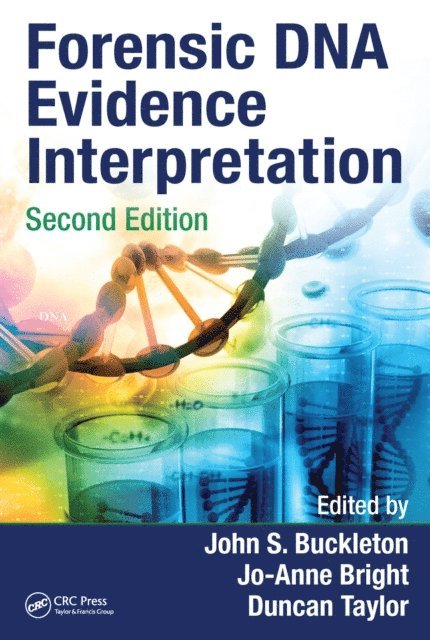
Forensic DNA Evidence Interpretation
Av John S. Buckleton, Jo-Anne Bright m. fl.
Inbunden, 2016
2484 kr
Lägg i varukorg
Now in its second edition, Forensic DNA Evidence Interpretation is the most comprehensive resource for DNA casework available today. Written by leaders in the fields of biology and statistics, including a contribution from Peter Gill, the father of DNA analysis, the book emphasizes the …