John Shine – författare
Visar alla böcker från författaren John Shine. Handla med fri frakt och snabb leverans.
5 produkter
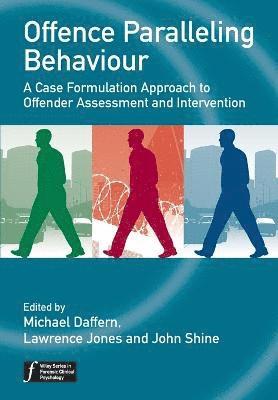
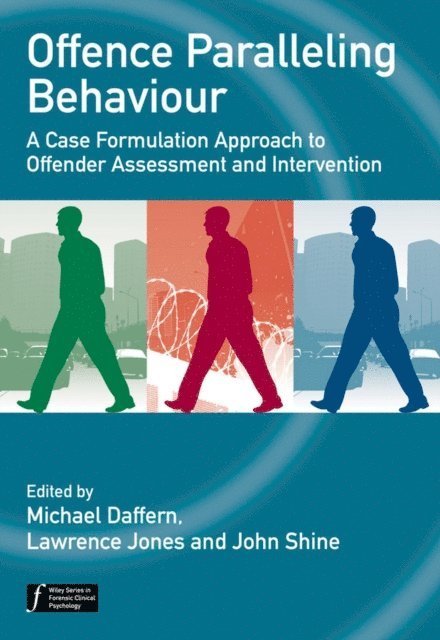
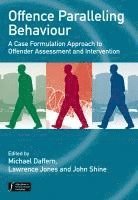
Offence Paralleling Behaviour
A Case Formulation Approach to Offender Assessment and Intervention
Av Michael Daffern, Lawrence Jones m. fl.
Häftad, 2010
632 kr
Lägg i varukorg
New to the Wiley Series in Forensic Clinical Psychology, Offence Paralleling Behaviour presents an original framework of individualised assessment and treatment methods for clinicians working in the forensic environment. Provides a framework that helps practitioners to identify and work with …
Offence Paralleling Behaviour
A Case Formulation Approach to Offender Assessment and Intervention
Av John Shine, Lawrence Jones m. fl.
E-bok, 2010
1615 kr
Lägg i varukorg
New to the Wiley Series in Forensic Clinical Psychology, Offence Paralleling Behaviour presents an original framework of individualised assessment and treatment methods for clinicians working in the forensic environment. Provides a framework that helps practitioners to identify and work with …
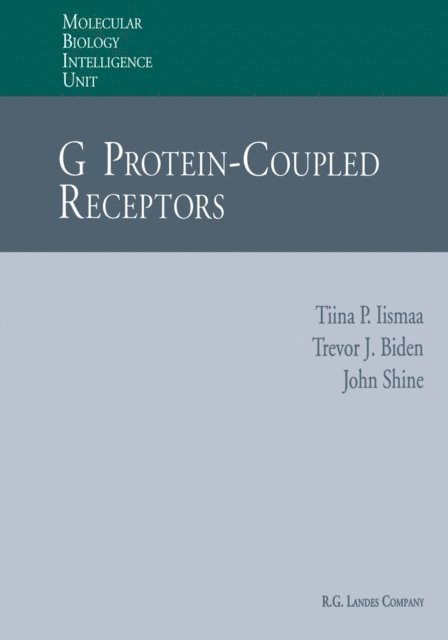
G Protein-Coupled Receptors
Av John Shine, Trevor J. Biden m. fl.
E-bok, 2013
718 kr
Lägg i varukorg
This book is about the recent advances in the structural and functional characterization of receptors that influence intracellular signalling events through interaction with intracellular GTP-binding proteins (G proteins). Molecular cloning of members of the G protein-coupled receptor superfamily …
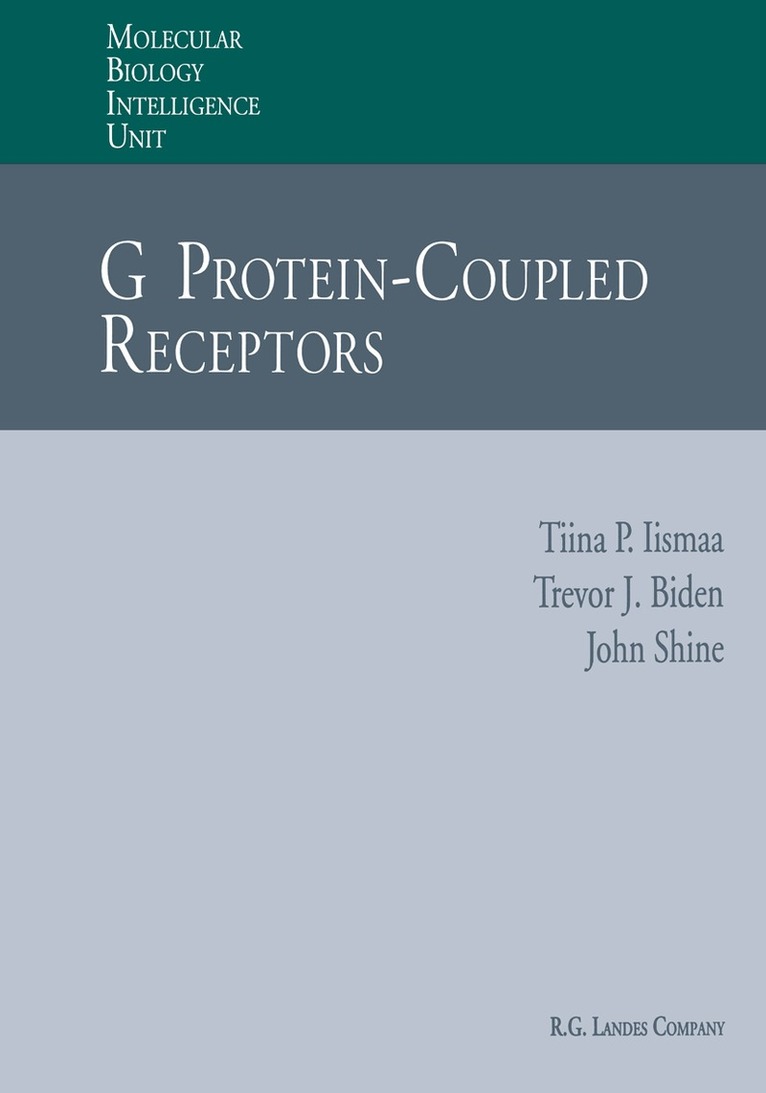
G Protein-Coupled Receptors
Av Tiina P. Iismaa, Trevor J. Biden m. fl.
Häftad, 2013
552 kr
Lägg i varukorg
This book is about the recent advances in the structural and functional characterization of receptors that influence intracellular signalling events through interaction with intracellular GTP-binding proteins (G proteins). Molecular cloning of members of the G protein-coupled receptor superfamily …
Offence Paralleling Behaviour
A Case Formulation Approach to Offender Assessment and Intervention
Av Michael Daffern, Lawrence Jones m. fl.
Inbunden, 2010
1013 kr
Tillfälligt slut
New to the Wiley Series in Forensic Clinical Psychology, Offence Paralleling Behaviour presents an original framework of individualised assessment and treatment methods for clinicians working in the forensic environment. Provides a framework that helps practitioners to identify and work with …