John Studley – författare
Visar alla böcker från författaren John Studley. Handla med fri frakt och snabb leverans.
9 produkter
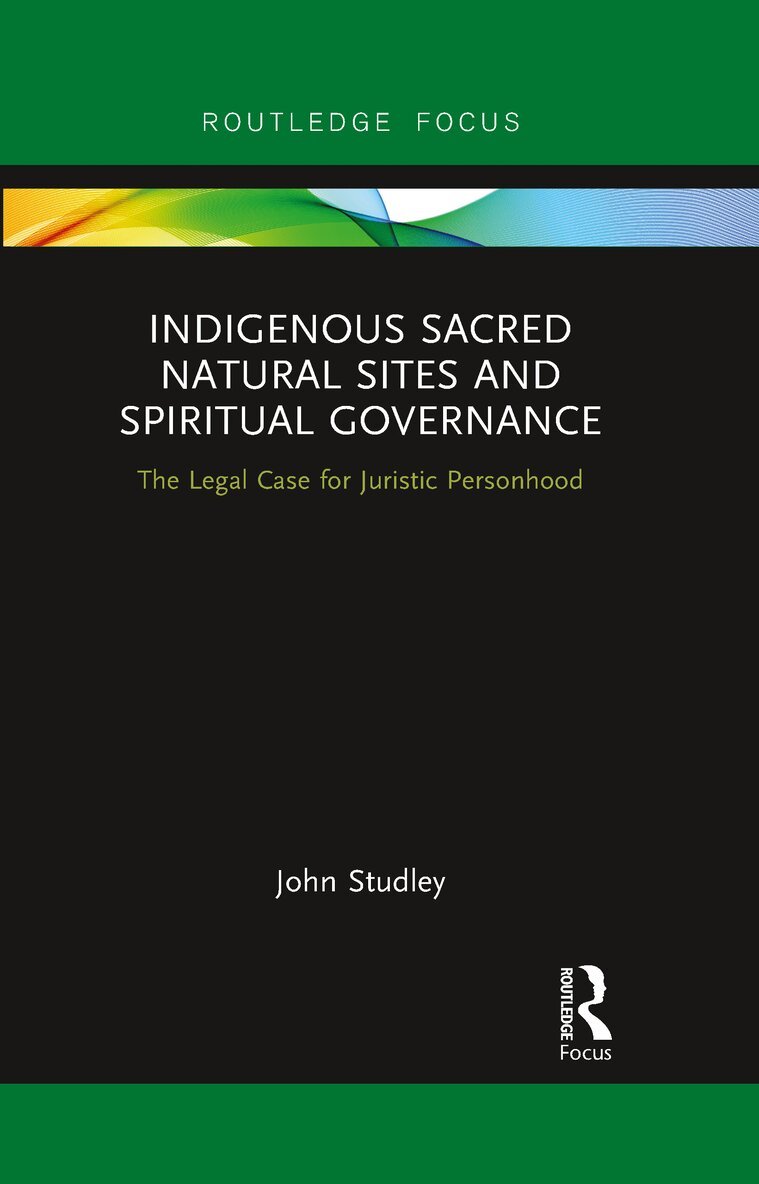
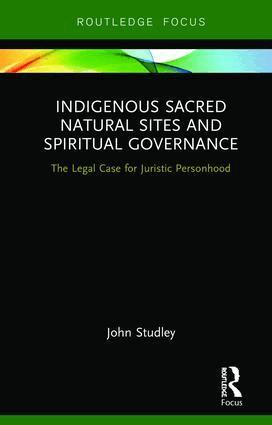
Indigenous Sacred Natural Sites and Spiritual Governance
The Legal Case for Juristic Personhood
Av John Studley
Häftad, 2020
384 kr
Lägg i varukorg
Since time immemorial indigenous people have engaged in legal relationships with other-than-human-persons. These relationships are exemplified in enspirited sacred natural sites, which are owned and governed by numina spirits that can potentially place legal demands on humankind in return for …
Indigenous Sacred Natural Sites and Spiritual Governance
The Legal Case for Juristic Personhood
Av John Studley
E-bok, 2018
441 kr
Lägg i varukorg
Since time immemorial indigenous people have engaged in legal relationships with other-than-human-persons. These relationships are exemplified in enspirited sacred natural sites, which are owned and governed by numina spirits that can potentially place legal demands on humankind in return for …
Indigenous Sacred Natural Sites and Spiritual Governance
The Legal Case for Juristic Personhood
Av John Studley
E-bok, 2018
450 kr
Lägg i varukorg
Since time immemorial indigenous people have engaged in legal relationships with other-than-human-persons. These relationships are exemplified in enspirited sacred natural sites, which are owned and governed by numina spirits that can potentially place legal demands on humankind in return for …
Indigenous Sacred Natural Sites and Spiritual Governance
The Legal Case for Juristic Personhood
Av John Studley
Inbunden, 2018
994 kr
Lägg i varukorg
Since time immemorial indigenous people have engaged in legal relationships with other-than-human-persons. These relationships are exemplified in enspirited sacred natural sites, which are owned and governed by numina spirits that can potentially place legal demands on humankind in return for …
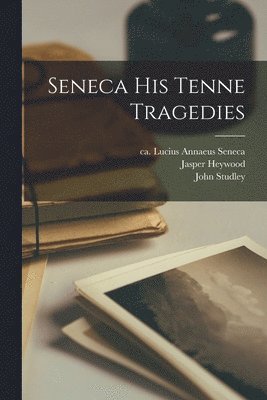
Seneca His Tenne Tragedies
Av Jasper 1535-1598 Heywood, Lucius Annaeus Ca . B. C. - Seneca m. fl.
Inbunden, 2021
514 kr
Tillfälligt slut
Seneca His Tenne Tragedies
Av Jasper 1535-1598 Heywood, Lucius Annaeus Ca . B. C. - Seneca m. fl.
Häftad, 2021
393 kr
Tillfälligt slut