John W. Barnhill – författare
974 kr
Skickas inom 5-8 vardagar
801 kr
Skickas inom 5-8 vardagar
869 kr
Läs direkt efter köp
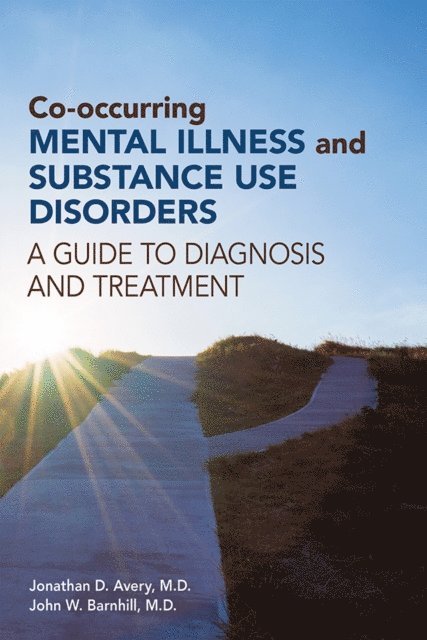
Co-occurring Mental Illness and Substance Use Disorders: A Guide to Diagnosis and Treatment provides a clinically detailed, evidence-based, and exhaustive examination of a topic rarely plumbed in psychiatry texts, despite the fact that co-occurring mental illness and substance use disorders are common. The authors argue for a more holistic and integrated approach, calling for clinicians to tactfully but persistently evaluate patients for a broad range of co-occurring disorders before determining appropriate treatment. Focusing on a substance use disorder in isolation, without determining whether another psychiatric disorder is co-occurring, can doom treatment efforts, and the reverse also is true. To help clinicians keep the big picture in mind, the book is organized around 18 cases, each of which addresses a particular diagnostic skill (e.g., assessment), group of disorders commonly comorbid with substance use disorders (e.g., PTSD, eating disorders), specific treatment (e.g., pharmacological interventions), or special population (e.g., adolescents). This case-based approach makes it easy for readers to understand strategies and master transferable techniques when dealing with their own patients. Because the initial face-to-face sessions are especially important with this patient population, the book includes chapters on the diagnostic assessment and the initial interview, as well as offering interviewing tips throughout to help the clinician develop the necessary care and skill in this arena. Also included is a chapter on integrating motivational interviewing into the treatment. Each of the 18 cases stands alone, allowing the reader flexibility in using the text. For example, the 18 cases and discussions can be read sequentially, or as needed, depending on the reader''s special interest or current need. The book also features chapters on how to effectively work with patients whose disorders might be affecting other members of a patient''s family, since the likelihood of a successful outcome is enhanced if an integrated treatment plan is developed for their co-occurring disorders. The questions that accompany each chapter can be used as an organizational tool prior to reading or to test knowledge and comprehension afterward. The text is completely up-to date and provides DSM-5 diagnostic information essential to each case.
Co-occurring Mental Illness and Substance Use Disorders: A Guide to Diagnosis and Treatment offers a straightforward approach to people with complicated presentations, offering mental health clinicians the skills they require to effectively assess, diagnose, and treat these patients and their families.
1 053 kr
Läs direkt efter köp
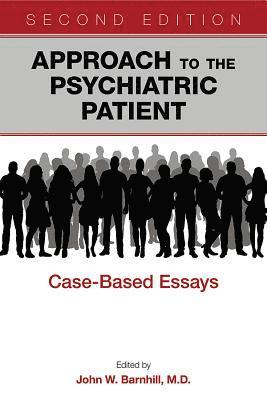
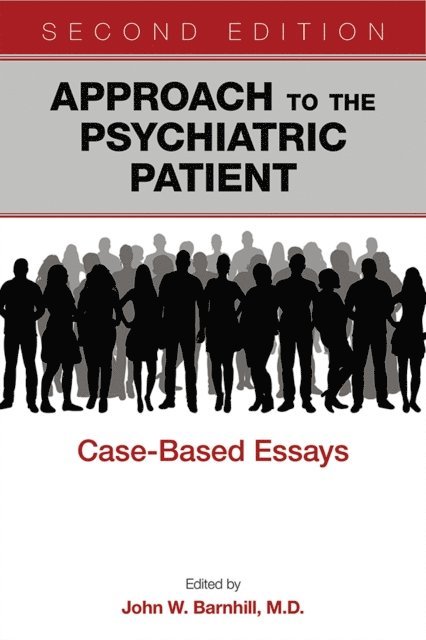
A fascinating text that addresses the clinical and educational challenges of treating psychiatric patients from a truly multidisciplinary perspective using a case-based format, Approach to the Psychiatric Patient: Case-Based Essays is the only book of its kind and an indispensable addition to the mental health practitioner''s library. The new edition builds upon the strengths that distinguished the first, with composite cases that are carefully constructed to capture real-world problems, followed by essays that provide clear and cogent perspectives on the case. These essays cover a wide range, from the more conventional (such as differential diagnosis of anxiety or the clinical characteristics of delirium) to the unusual and intriguing (such as creativity and mental illness or an analysis of the case in relation to the classic, Strange Case of Dr. Jekyll and Mr. Hyde). Every chapter has been revised, and the book boasts many new co-contributors, as well as the addition of completely new essays. For example, in the chapter on geriatric depression, several new essays have been added on the topics of collaborative care and the embedded psychiatrist, depression and medical illness, and biomarkers to identify depression subtypes, while the chapter on terminal illness features new essays on spirituality and meaning-centered therapy. In addition, there are new essays on co-occurring anxiety and alcohol use disorders, medication assisted treatment for stimulant use, treatment of body dysmorphic disorder, and more.The text possesses many useful attributes for the reader: The more than 100 essays were written by a broad range of specialists, each with particular expertise in their aspect of the case, and the resulting commentary is focused and concise. In addition to the case and discussions, each chapter offers an overview and summary points designed to facilitate further consideration of the patient and clinical situation and to focus on the key points. The book''s unique structure enhances its flexibility, allowing the reader to read a case and accompanying essays straight through, or to pick and choose as the need or whim arises. The cases'' clinical settings are diverse, ranging from inpatient hospitalizations and emergency room evaluations to outpatient assessments and long-term psychotherapies, maximizing relevance and resonance. Each essay has its own bibliography, which provides both rigorous documentation and additional sources for more exploration of the topic.
Approach to the Psychiatric Patient: Case-Based Essays distinguishes itself from prior texts in both the richness of its cases and the ingenuity of its format, and its multidisciplinary wisdom and insight will be appreciated by a wide range of readers.
978 kr
Skickas inom 5-8 vardagar
1 237 kr
Läs direkt efter köp
DSM-5-TR Clinical Cases presents patient cases that exemplify the mental disorders categorized in DSM-5-TR, bringing DSM-5-TR alive for teachers and students of psychiatry, psychology, social work, nursing, and related mental health and healthcare fields. With chapters that correspond to the main DSM-5-TR diagnostic categories (i.e., the first 19 chapters in Section II), this book guides the reader through the complexities of clinical assessment and the many types of contextual information needed to obtain a full diagnostic picture of a patient.
Every feature in the book helps to bridge the distance between the formal classification and the real-life presentation of patients: • The cases and discussions make for fresh, compelling reading for both experienced clinicians and those new to diagnostic classification. Case authors were selected for their expertise in the diagnostic categories described in the specific case. • Cases and their accompanying discussions adhere to a consistent format developed by the editor to fully illuminate the disorder being profiled. Areas explored in case discussions may include patient history (e.g., present illness, family psychiatric history, medical conditions), mental status exam and laboratory test results, and sex-, gender-, and culture-related issues. Each case closes with one or more diagnoses and a list of suggested readings.• As is often true in real life, the cases are incomplete, and not all diagnoses are clear-cut. The discussions often explore how the case may not entirely fit diagnostic criteria, and what other information might be helpful.• A comprehensive index enables readers to locate cases by type of disorder, special interests, and DSM-5-TR diagnosis.• The book is designed to serve as an auxiliary text in a variety of contexts—from graduate-level psychology courses to medical school and residency training programs to social work curricula. In addition, practicing clinicians can use the book to help firm up their diagnostic skills and to prepare for specialty examinations.
Fascinating, practical, and instructive, DSM-5-TR Clinical Cases succeeds in bringing DSM-5-TR to the examining room.
529 kr
Läs direkt efter köp