John W. Fox – författare
Visar alla böcker från författaren John W. Fox. Handla med fri frakt och snabb leverans.
6 produkter
Globalization and the Gulf
Av John W. Fox, Nada Mourtada-Sabbah m. fl.
Inbunden, 2006
2510 kr
Lägg i varukorg
For centuries, the Arabian Gulf has been a crossroads where seafaring people and Bedouins alike travelled great distances transacting business. Events of the past few years, both good and bad, have directed the world’s attention to the Arabian Peninsula, where a rich cultural tradition is rapidly …
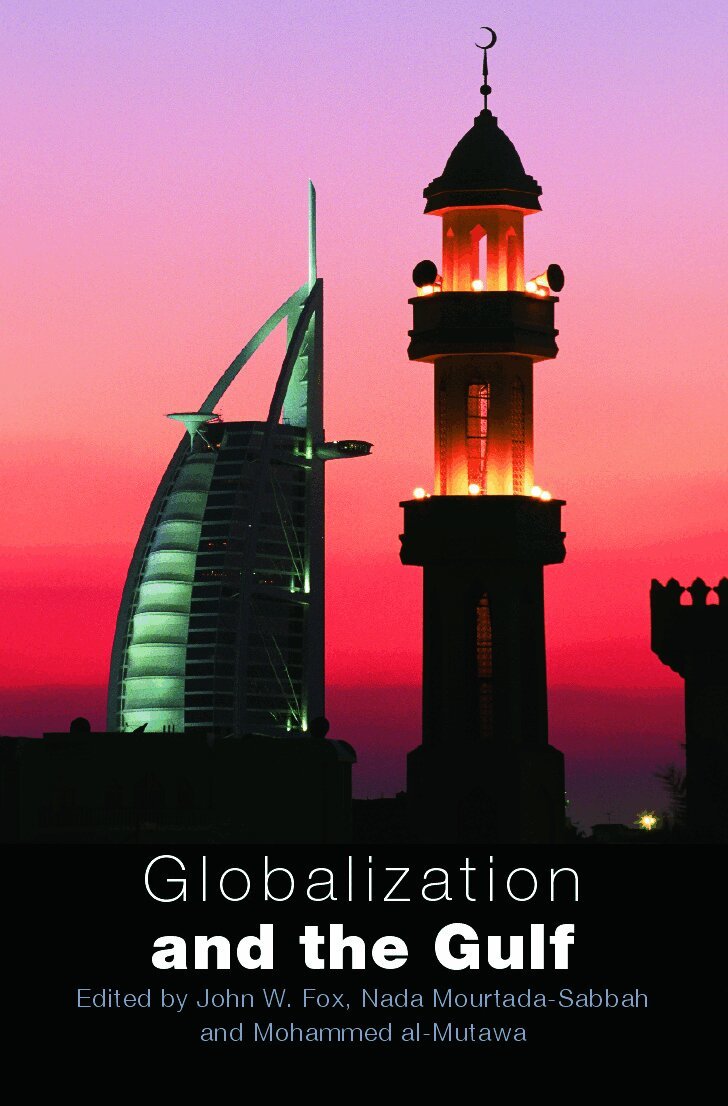
Globalization and the Gulf
Av John W. Fox, Nada Mourtada-Sabbah m. fl.
Häftad, 2006
924 kr
Lägg i varukorg
For centuries, the Arabian Gulf has been a crossroads where seafaring people and Bedouins alike travelled great distances transacting business. Events of the past few years, both good and bad, have directed the world’s attention to the Arabian Peninsula, where a rich cultural tradition is rapidly …
Maya Postclassic State Formation
Segmentary Lineage Migration in Advancing Frontiers
Av John W. Fox
Häftad, 2008
586 kr
Lägg i varukorg
John Fox here offers a fresh and persuasive view of the crucial Classic-Postclassic transition that determined the shape of the later Maya state. Drawing this data from ethnographic analogy and native chronicles as well as archaeology, he identifies segmentary lineage organisation as the key to …
Factional Competition and Political Development in the New World
Av Elizabeth M. Brumfiel, John W. Fox
Häftad, 2003
619 kr
Lägg i varukorg
Factionalism is an important force of social transformation, and this volume examines how factional competition in the kinship and political structures in ancient New World societies led to the development of chiefdoms, states and empires. The case studies, from a range of New World societies, …
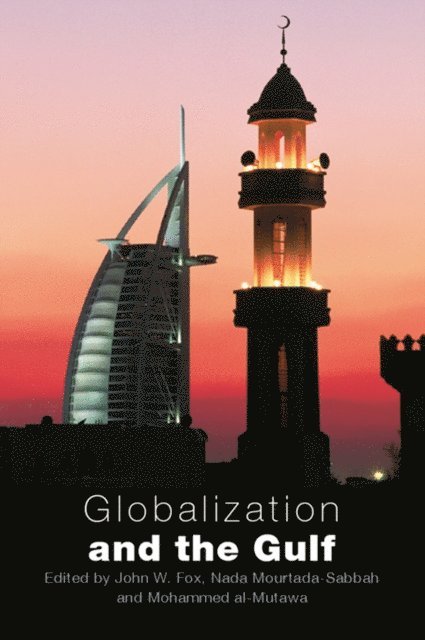
Globalization and the Gulf
Av Mohammed Al Mutawa, Nada Mourtada-Sabbah m. fl.
E-bok, 2006
1056 kr
Lägg i varukorg
For centuries, the Arabian Gulf has been a crossroads where seafaring people and Bedouins alike travelled great distances transacting business. Events of the past few years, both good and bad, have directed the world’s attention to the Arabian Peninsula, where a rich cultural tradition is rapidly …
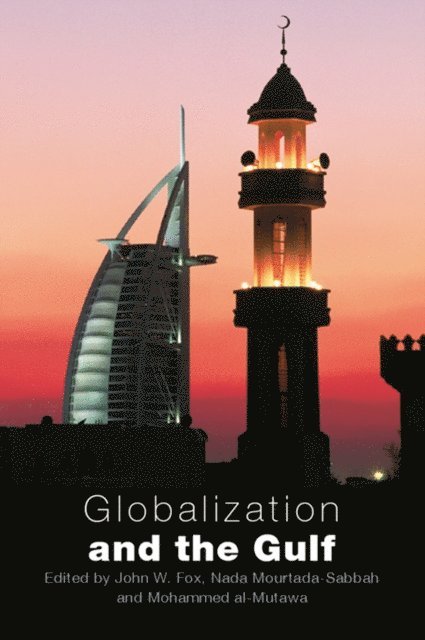
Globalization and the Gulf
Av Mohammed Al Mutawa, Nada Mourtada-Sabbah m. fl.
E-bok, 2006
1091 kr
Lägg i varukorg
For centuries, the Arabian Gulf has been a crossroads where seafaring people and Bedouins alike travelled great distances transacting business. Events of the past few years, both good and bad, have directed the world’s attention to the Arabian Peninsula, where a rich cultural tradition is rapidly …