John W. Garver – författare
Visar alla böcker från författaren John W. Garver. Handla med fri frakt och snabb leverans.
21 produkter
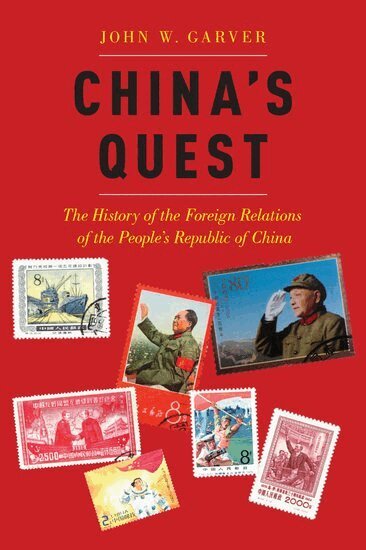
China's Quest
The History of the Foreign Relations of the People's Republic of China
Inbunden, 2016
1472 kr
Lägg i varukorg
From its founding 65 years ago, the People's Republic of China has evolved from an important yet chaotic and impoverished state whose power was more latent than real into a great power on the cusp of possessing the largest economy in the world. Its path from the 1949 revolution to the present has …
China's Quest
The History of the Foreign Relations of the People's Republic of China
E-bok, 2015
482 kr
Lägg i varukorg
From its founding 65 years ago, the People''s Republic of China has evolved from an important yet chaotic and impoverished state whose power was more latent than real into a great power on the cusp of possessing the largest economy in the world. Its path from the 1949 revolution to the present has …
China's Quest
The History of the Foreign Relations of the People's Republic of China
E-bok, 2015
482 kr
Lägg i varukorg
From its founding 65 years ago, the People''s Republic of China has evolved from an important yet chaotic and impoverished state whose power was more latent than real into a great power on the cusp of possessing the largest economy in the world. Its path from the 1949 revolution to the present has …
China's Quest
The History of the Foreign Relations of the People's Republic, revised and updated
Häftad, 2018
751 kr
Lägg i varukorg
The evolution of the the People's Republic of China in world politics is an epic story and one of the most important developments in modern world history. Yet to date, there are no authoritative histories of China's foreign relations. John Garver's monumental China's Quest fills this lacuna and …
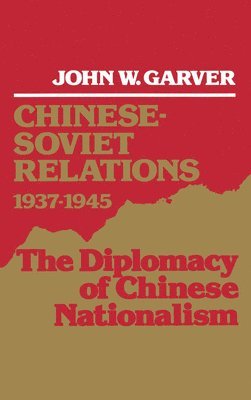
Chinese-Soviet Relations, 1937-1945
The Diplomacy of Chinese Nationalism
Inbunden, 1988
1261 kr
Lägg i varukorg
Through a ground breaking examination of available sources, Garver illuminates the complicated history of Soviet-Chinese relations during the critical anti-Japanese period in the larger context of international relations in East Asia and the world.
Chinese-Soviet Relations, 1937-1945
The Diplomacy of Chinese Nationalism
E-bok, 1988
770 kr
Lägg i varukorg
During the Sino-Japanese war of 1937-1945, the Chinese people suffered great degradation at the hands of the Japanese. The spectacle of China''s debasement as well as the very real prospect of the restoration of alien rule incensed nationalist passions throughout China. As the military, economic, …
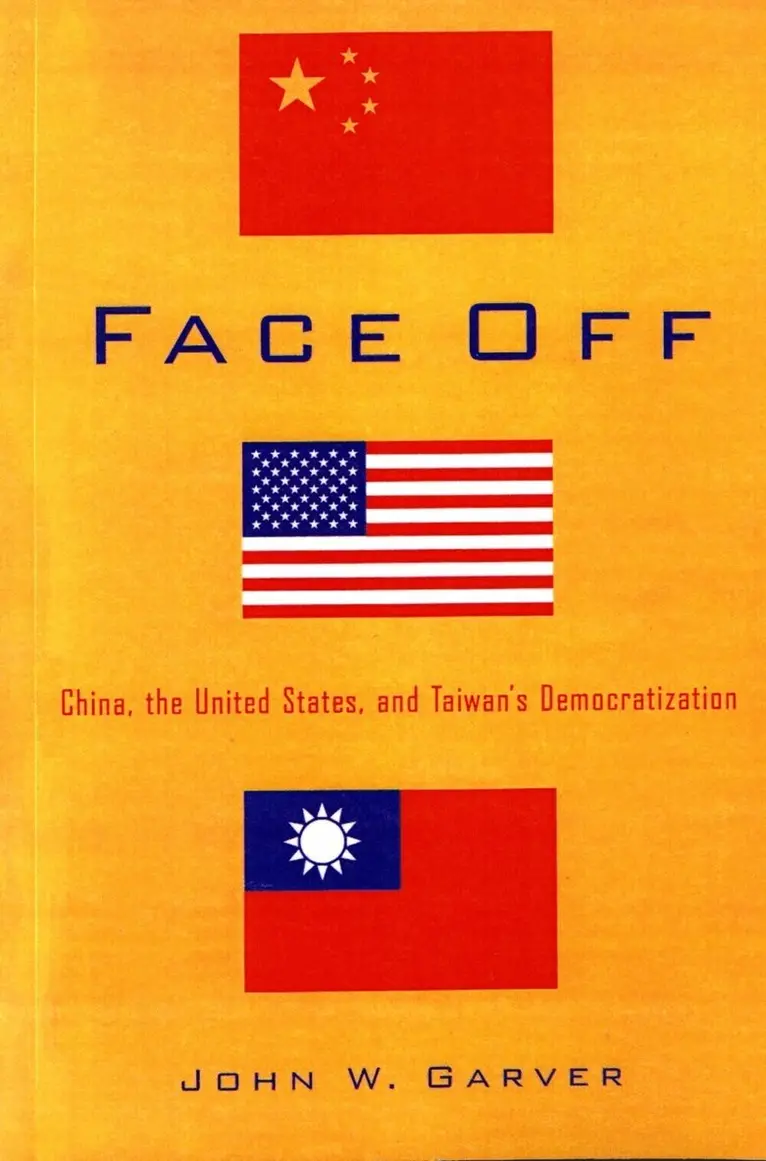
Face Off
China, the United States, and Taiwan’s Democratization
Häftad, 1997
533 kr
Lägg i varukorg
Taiwan's first presidential election, in 1996, sparked a Sino-U.S. military showdown that resulted in the biggest show of U.S. naval force in East Asia since the Vietnam War. This book is the first to explore the origins and triangular dynamics of that historic confrontation. Analyzing the key …
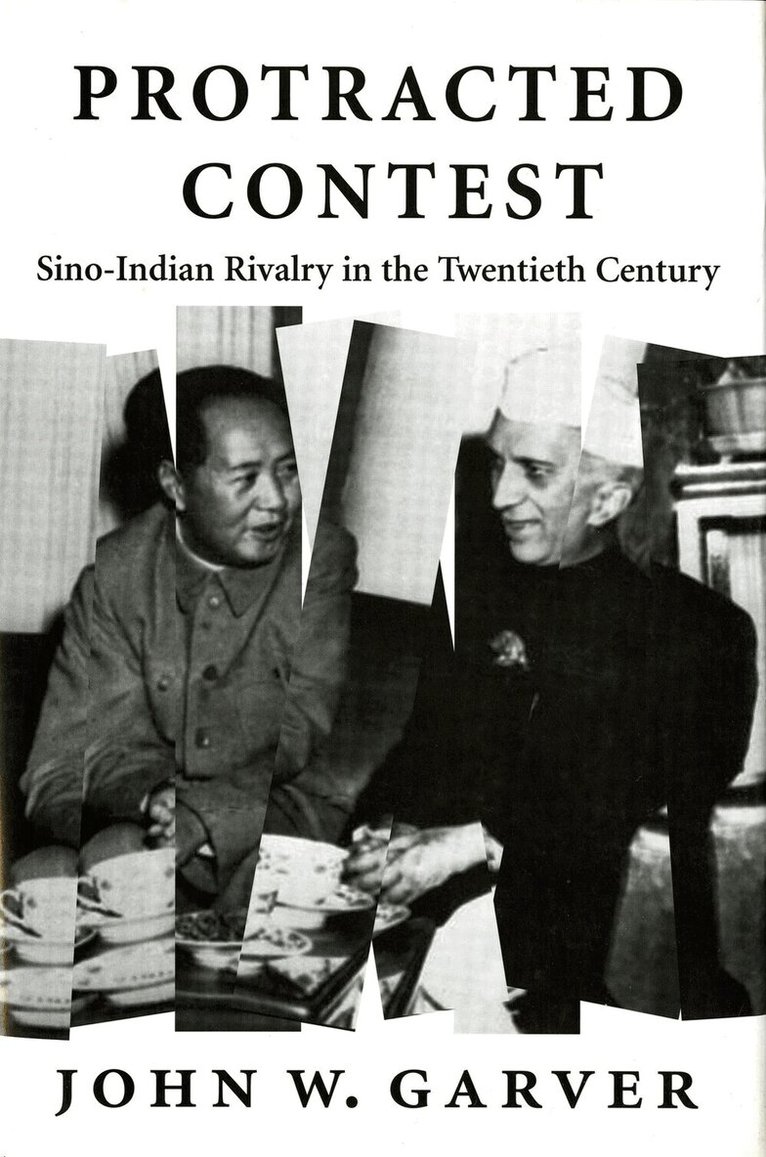
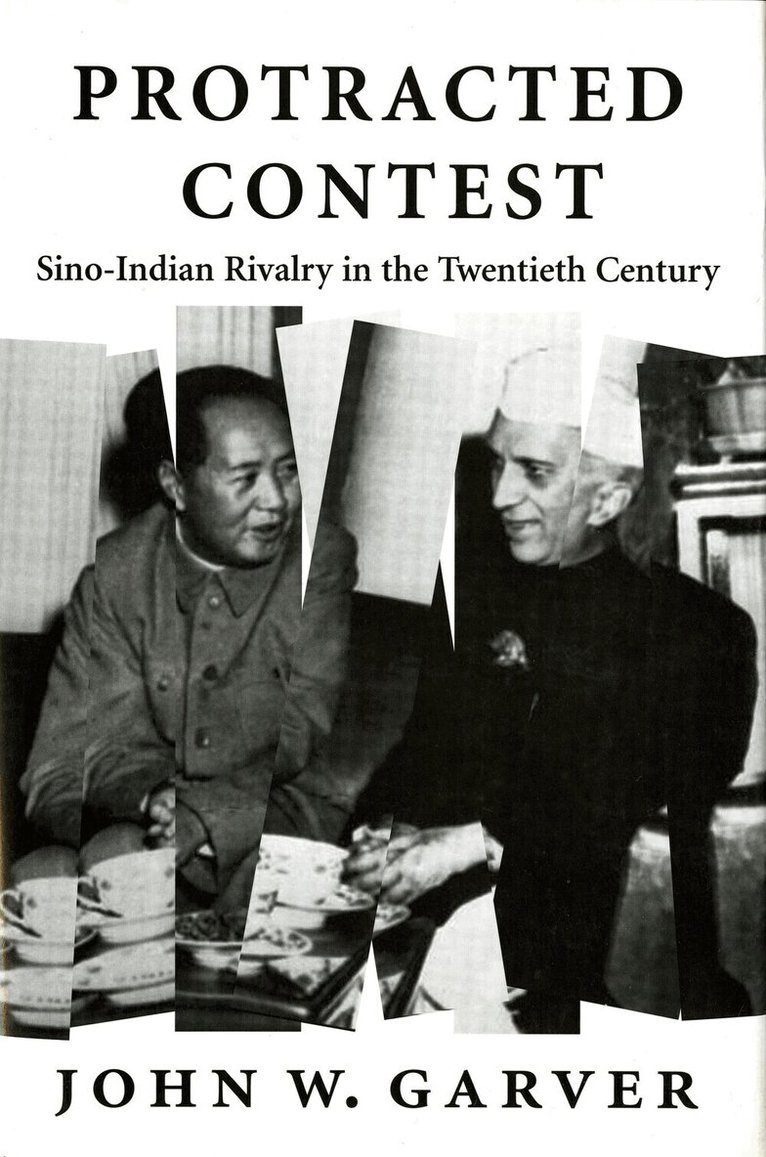
Protracted Contest
Sino-Indian Rivalry in the Twentieth Century
Häftad, 2002
608 kr
Lägg i varukorg
Ever since the two ancient nations of India and China established modern states in the mid-20th century, they have been locked in a complex rivalry ranging across the South Asian region. Garver offers a scrupulous examination of the two countries’ actions and policy decisions over the past fifty …
Protracted Contest
Sino-Indian Rivalry in the Twentieth Century
Inbunden, 2015
1819 kr
Lägg i varukorg
Ever since the two ancient nations of India and China established modern states in the mid-20th century, they have been locked in a complex rivalry ranging across the South Asian region. Garver offers a scrupulous examination of the two countries’ actions and policy decisions over the past fifty …
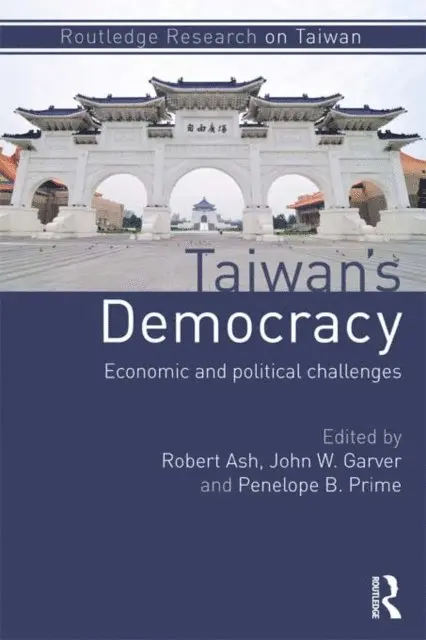
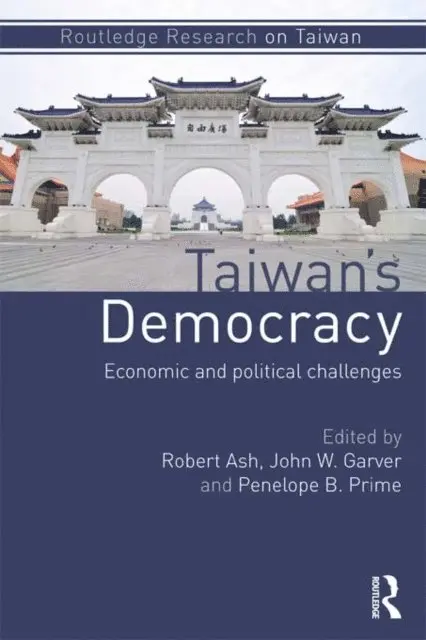
Taiwan's Democracy
Economic and Political Challenges
Av Robert Ash, John W. Garver m. fl.
Inbunden, 2011
2581 kr
Lägg i varukorg
Taiwan’s rapid industrialization during the 1960s and 1970s, combined with the democratic revolution that began with the lifting of martial law in 1987 were of deep historic importance. Over the next decade Taiwan’s "political miracle" matched its earlier "economic miracle" creating a vibrant …
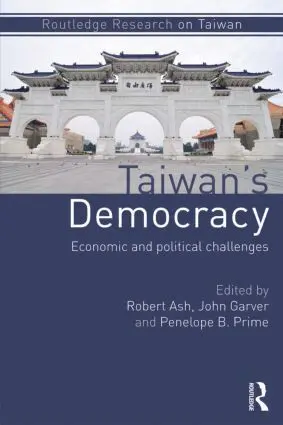
Taiwan's Democracy
Economic and Political Challenges
Av Robert Ash, John W. Garver m. fl.
Häftad, 2011
815 kr
Lägg i varukorg
Taiwan’s rapid industrialization during the 1960s and 1970s, combined with the democratic revolution that began with the lifting of martial law in 1987 were of deep historic importance. Over the next decade Taiwan’s "political miracle" matched its earlier "economic miracle" creating a vibrant …
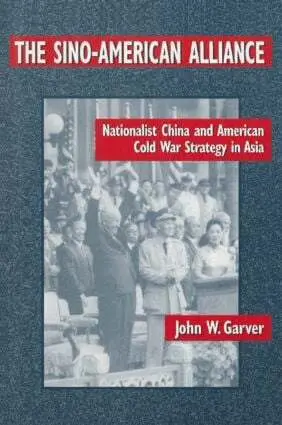
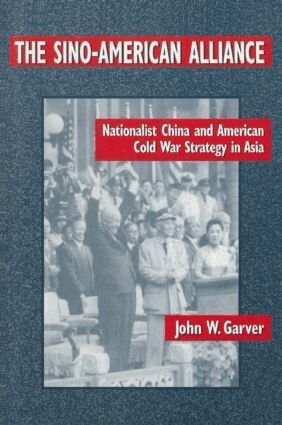
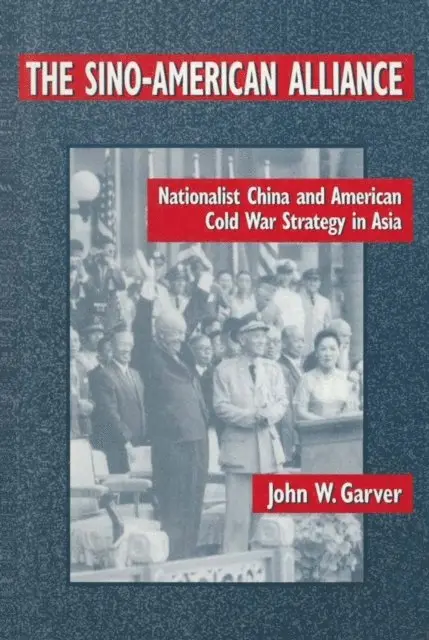
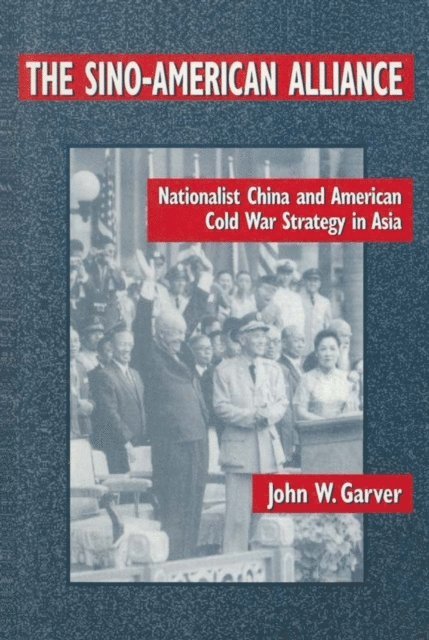
Sino-American Alliance
Nationalist China and American Cold War Strategy in Asia
Inbunden, 1997
3063 kr
Lägg i varukorg
This study provides an analysis of the role the United States alliance with Nationalist China played in US strategy to contain first the Sino-Soviet alliance and then China during the 1950s and 1960s.
Sino-American Alliance
Nationalist China and American Cold War Strategy in Asia
Häftad, 1999
749 kr
Lägg i varukorg
This study provides an analysis of the role the United States alliance with Nationalist China played in US strategy to contain first the Sino-Soviet alliance and then China during the 1950s and 1960s.
Taiwan's Democracy
Economic and Political Challenges
Av Penelope Prime, John W. Garver m. fl.
E-bok, 2013
915 kr
Lägg i varukorg
Taiwan’s rapid industrialization during the 1960s and 1970s, combined with the democratic revolution that began with the lifting of martial law in 1987 were of deep historic importance. Over the next decade Taiwan’s "political miracle" matched its earlier "economic miracle" creating a vibrant …
Taiwan's Democracy
Economic and Political Challenges
Av Penelope Prime, John W. Garver m. fl.
E-bok, 2013
935 kr
Lägg i varukorg
Taiwan’s rapid industrialization during the 1960s and 1970s, combined with the democratic revolution that began with the lifting of martial law in 1987 were of deep historic importance. Over the next decade Taiwan’s "political miracle" matched its earlier "economic miracle" creating a vibrant …
Sino-American Alliance
Nationalist China and American Cold War Strategy in Asia
E-bok, 2015
910 kr
Lägg i varukorg
This study provides an analysis of the role the United States alliance with Nationalist China played in US strategy to contain first the Sino-Soviet alliance and then China during the 1950s and 1960s.
Sino-American Alliance
Nationalist China and American Cold War Strategy in Asia
E-bok, 2015
910 kr
Lägg i varukorg
This study provides an analysis of the role the United States alliance with Nationalist China played in US strategy to contain first the Sino-Soviet alliance and then China during the 1950s and 1960s.
Crossing Borders
The Making of an American Asian Specialist
E-bok, 2022
173 kr
Lägg i varukorg
Garver''s memoir traces his evolution from a 1960s Student for a Democratic Society radical committed to socialist revolution to an American patriot trying to understand and explain China''s quest for wealth and power. Several years early encounter with variants of dictatorship in the USSR and …
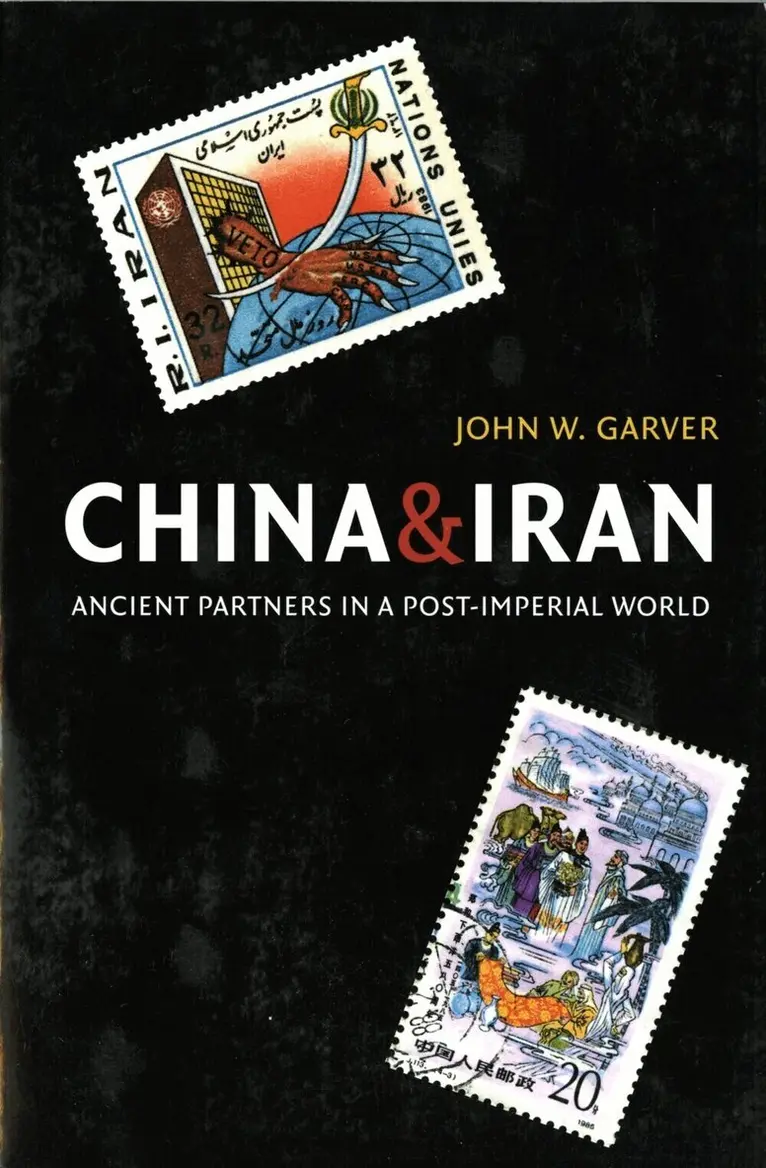
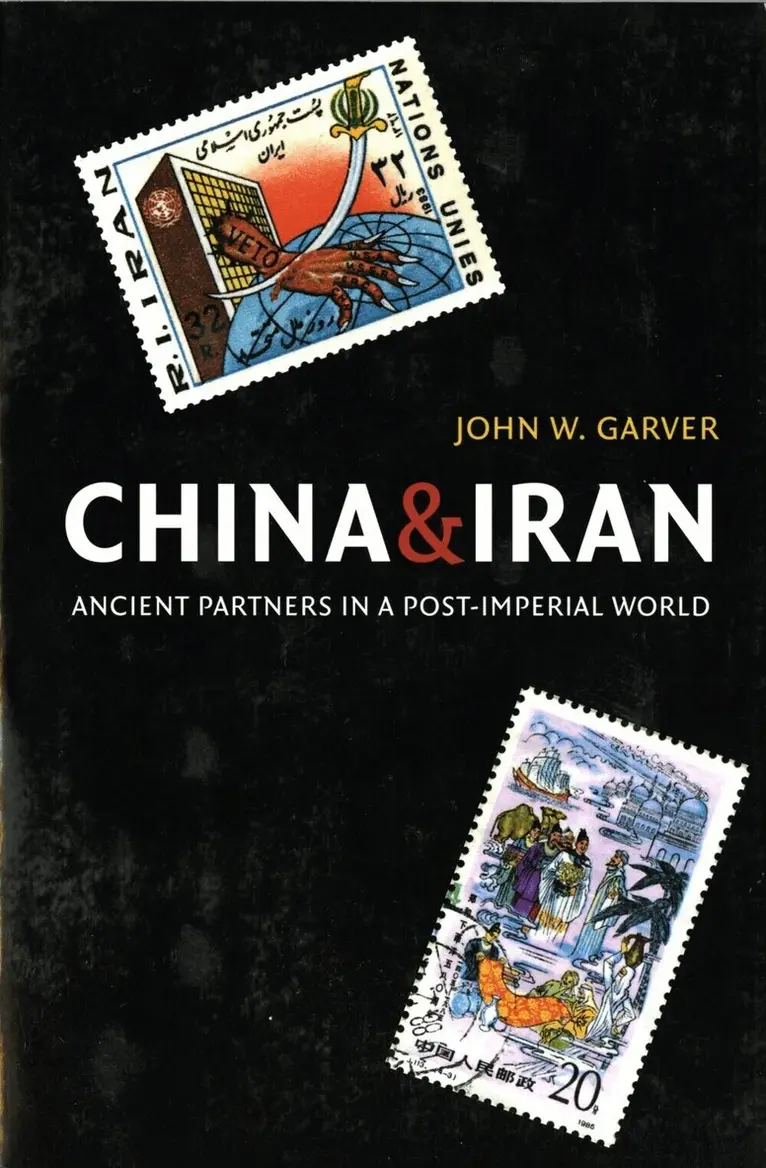
China and Iran
Ancient Partners in a Post-Imperial World
Inbunden, 2006
1862 kr
Tillfälligt slut
Iran's nuclear aspirations increasingly dominate its relations with the United States and Europe. China remains one of Iran's strongest allies on the Security Council, and also its most likely supplier of technology and assistance, built on decades of close economic and military relations. Iran is …
China and Iran
Ancient Partners in a Post-Imperial World
Häftad, 2006
533 kr
Tillfälligt slut
Iran's nuclear aspirations increasingly dominate its relations with the United States and Europe. China remains one of Iran's strongest allies on the Security Council, and also its most likely supplier of technology and assistance, built on decades of close economic and military relations. Iran is …