John W. Langdon – författare
Visar alla böcker från författaren John W. Langdon. Handla med fri frakt och snabb leverans.
6 produkter
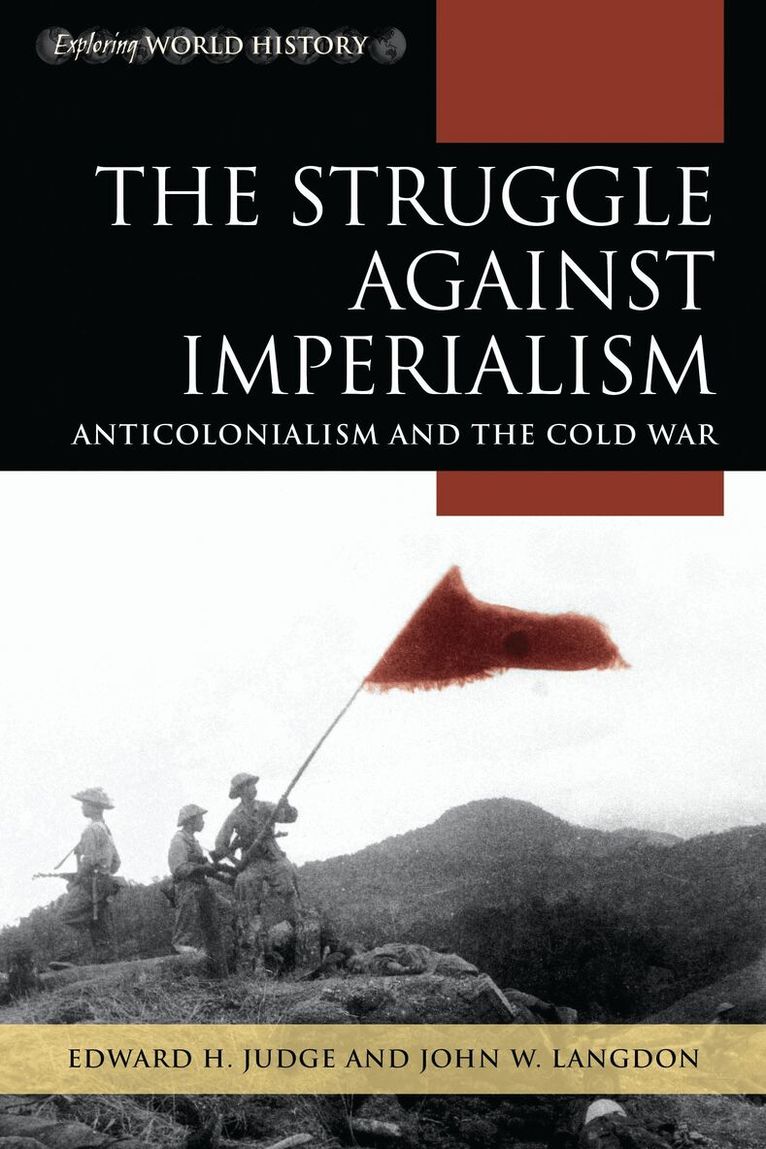
Struggle against Imperialism
Anticolonialism and the Cold War
Av Edward H. Judge, John W. Langdon
Inbunden, 2018
529 kr
Lägg i varukorg
This concise and engaging book argues that the Cold War and anti-colonial movements should properly be studied and taught together, not as distinct developments, but rather as interwoven aspects of a complex global transformation. The authors provide a cogent and concise description of the …
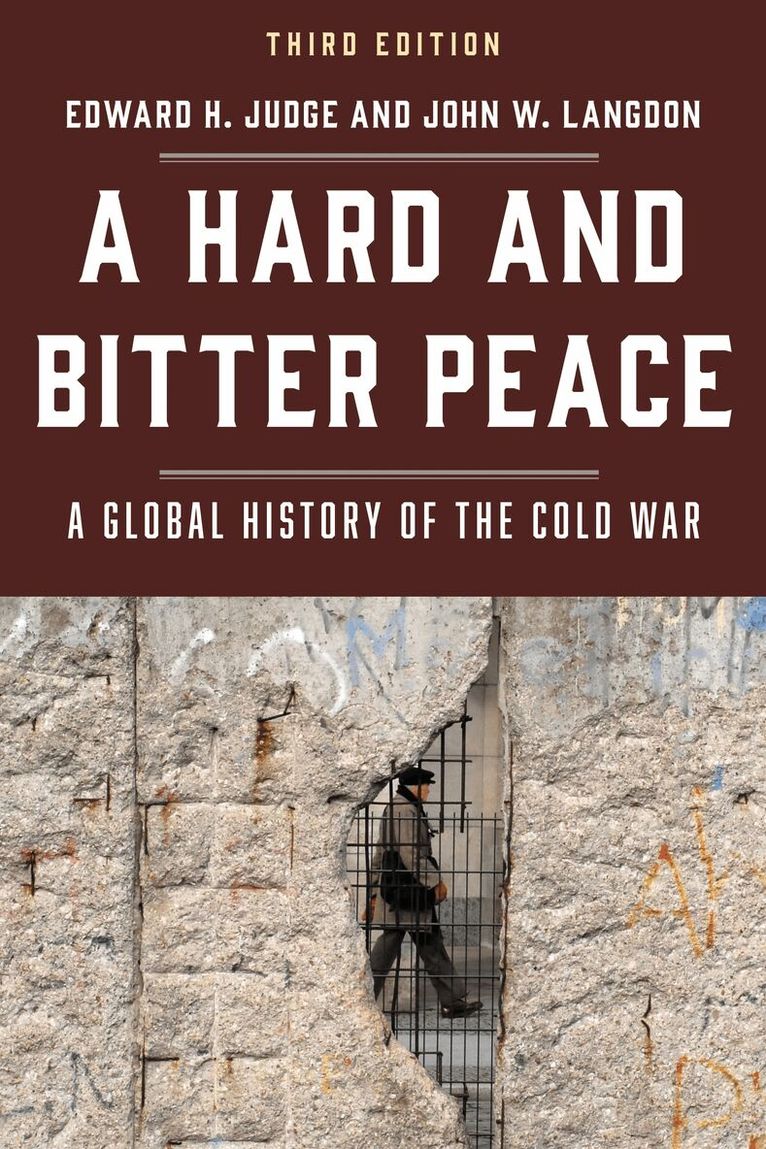
Hard and Bitter Peace
A Global History of the Cold War
Av Edward H. Judge, John W. Langdon
Inbunden, 2017
1458 kr
Lägg i varukorg
This comprehensive text provides a balanced survey of the Cold War in a genuinely global framework. Presenting not only Soviet and Western perspectives, but also the outlooks of peoples and leaders throughout Asia, the Middle East, Africa, and Latin America, Edward H. Judge and John W. Langdon …
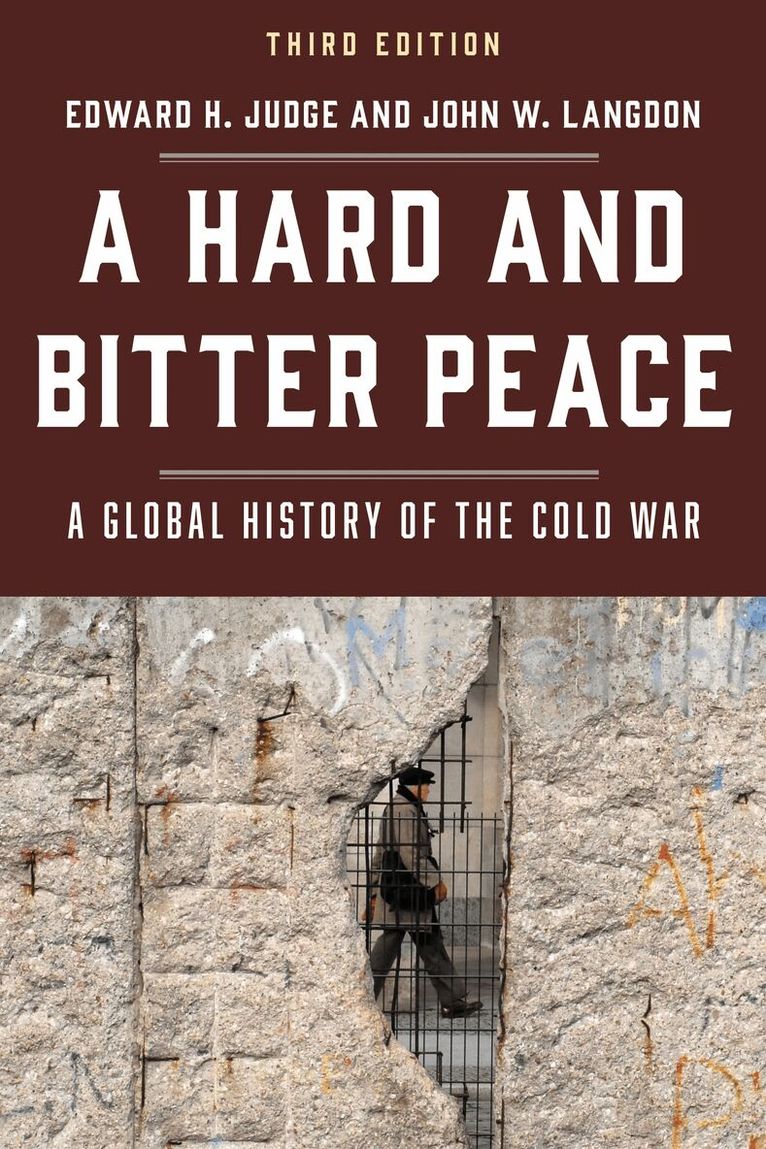
Hard and Bitter Peace
A Global History of the Cold War
Av Edward H. Judge, John W. Langdon
Häftad, 2017
732 kr
Lägg i varukorg
This comprehensive text provides a balanced survey of the Cold War in a genuinely global framework. Presenting not only Soviet and Western perspectives, but also the outlooks of peoples and leaders throughout Asia, the Middle East, Africa, and Latin America, Edward H. Judge and John W. Langdon …
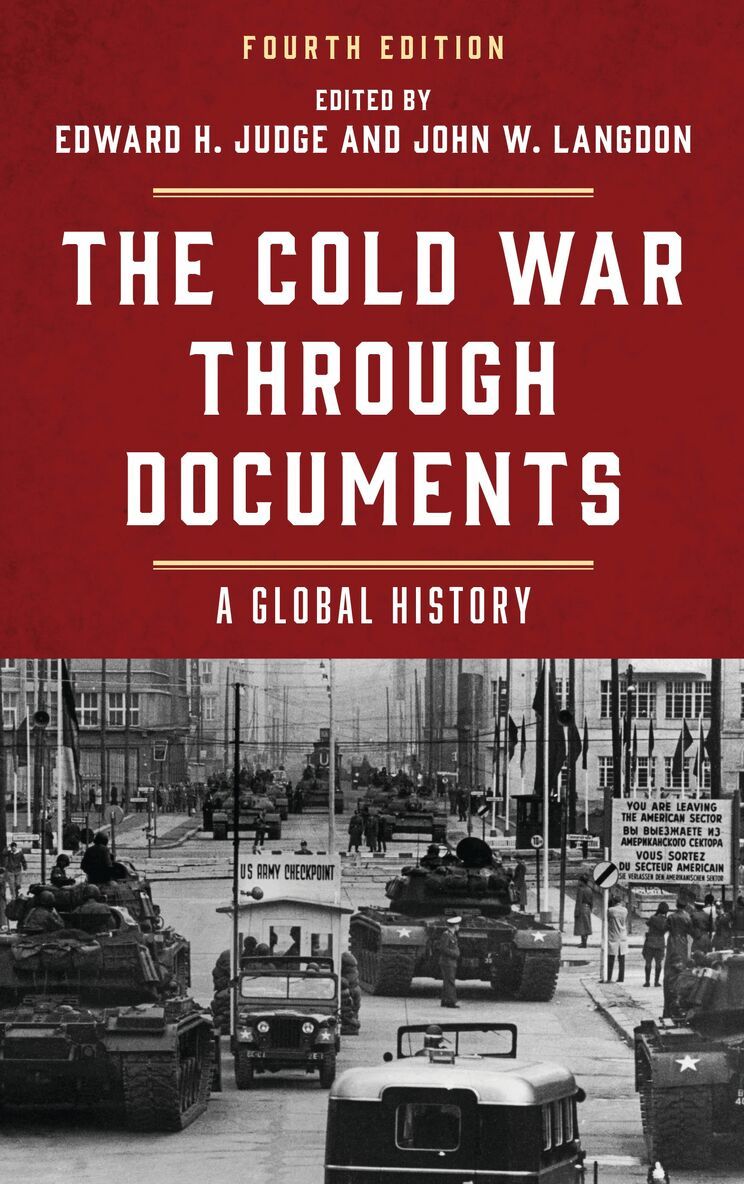
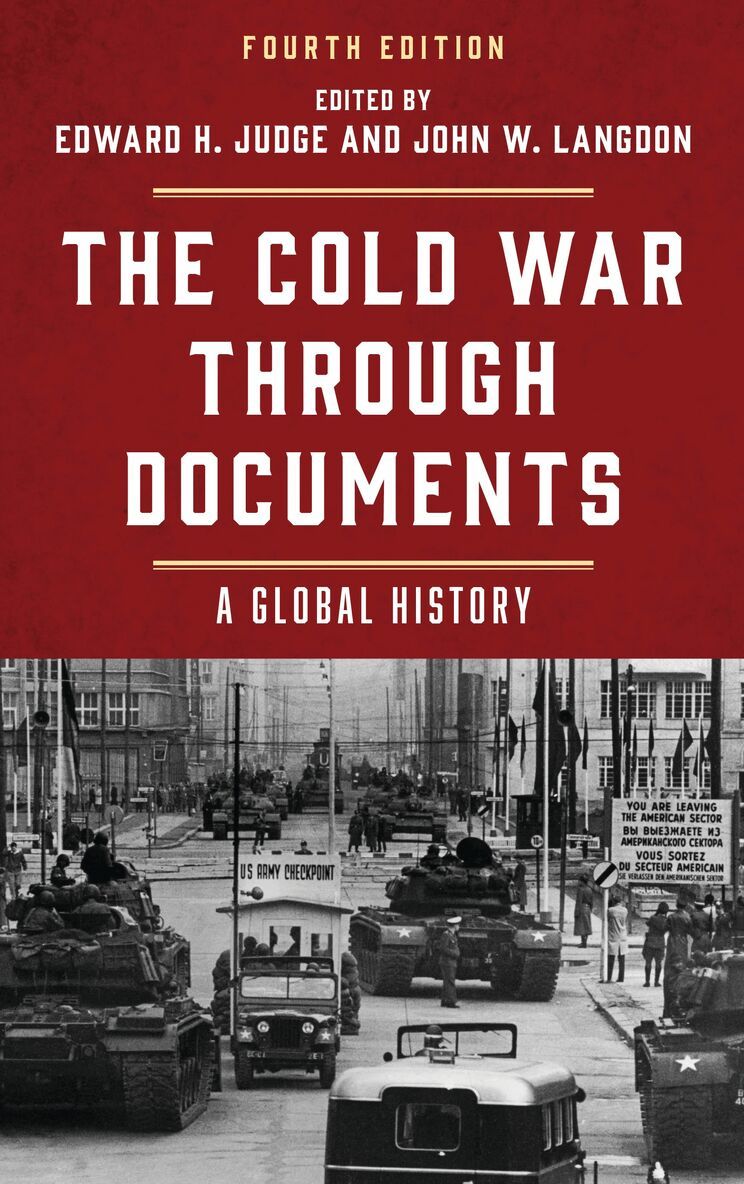
Cold War through Documents
A Global History
Av Edward H. Judge, John W. Langdon
Inbunden, 2024
1168 kr
Lägg i varukorg
This text is a comprehensive collection of more than 100 carefully edited documents (speeches, treaties, statements, and articles), making the great events of the era come alive through the words and phrases of those who were actively involved. Coverage traces the Cold War from its roots in …
Cold War through Documents
A Global History
Av Edward H. Judge, John W. Langdon
Häftad, 2024
529 kr
Lägg i varukorg
This text is a comprehensive collection of more than 100 carefully edited documents (speeches, treaties, statements, and articles), making the great events of the era come alive through the words and phrases of those who were actively involved. Coverage traces the Cold War from its roots in …
Cold War through Documents
A Global History
Av Edward H. Judge, John W. Langdon
E-bok, 2024
578 kr
Lägg i varukorg
This text is a comprehensive collection of more than 100 carefully edited documents (speeches, treaties, statements, and articles), making the great events of the era come alive through the words and phrases of those who were actively involved. Coverage traces the Cold War from its roots in …