John Walley – författare
Visar alla böcker från författaren John Walley. Handla med fri frakt och snabb leverans.
4 produkter
4 produkter
E-bok
PDF, Engelska, 2010616 kr
Läs direkt efter köp
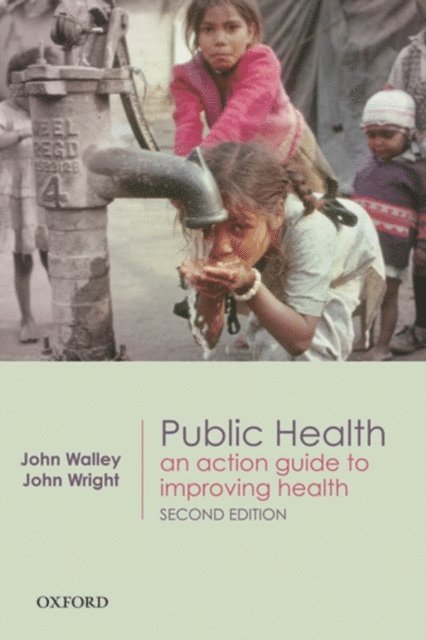
Many of the health problems in the developing world can be tackled or prevented through public health measures such as essential health care, improved living conditions, water, sanitation, nutrition, immunization, and the adoption of healthy lifestyles. Public Health is an action guide to improving public/community health, with a particular focus on low-middle income countries. It explains public health approaches to developing effective health services andpreventive programmes.This Second Edition contains real examples, illustrations and case histories to bring an important subject to life for the reader. The book covers the essential clinical services and preventive programmes including those for TB, HIV/AIDS, malaria, diarrhoeal diseases and the integrated management of childhood and adult illnesses. Practical methods are given for assessing health needs and working with communities to develop health services, and the development of hospital, health centre, andcommunity health services, particularly mother, neonatal and child health services are explained. Additionally gender, social and economic influences on communities'' health are explored.The clear language that is used throughout the book to describe the key public health skills (such as epidemiology, managing medicines, communicable and non communicable disease control, health financing, and implementing health services and programmes), will be accessible and highly valuable to doctors, community nurses, and other health professionals, whether in training or in practice as health officers and mangers of health services and programmes.
E-bok
PDF, Engelska, 2025457 kr
Läs direkt efter köp
It is essential to build effective health systems to deliver universal health coverage, especially for low-middle income countries. This action guide presents key practical actions within primary health care that contribute to promote public and community health, prevent disease, improve living conditions, water, sanitation, nutrition, immunization, and encourage the adoption of healthy lifestyles. Written with a particular focus on low-middle income countries, it explains key approaches and provides practical methods to developing effective health services and preventive programmes, including for hospitals, health centres, and community services, and particularly for mother, neonatal, and child health. It also explores the operational, gender, social, and economic influences on health and how to choose the best intervention strategies.This third edition has been thoroughly updated on communicable and non-communicable diseases, including new and revised chapters on health systems based on the World Health Organization (WHO) 'building blocks'. It contains real examples, illustrations, and case histories to bring the subject to life for the reader. The book covers key services and programmes including those for tuberculosis, HIV, malaria, diarrhoeal diseases, and the integrated management of childhood and adult diseases. Throughout the book the editors ensure that key public health skills are described clearly and comprehensively, such as epidemiology, managing medicines, disease control, health financing, and implementing health services and programmes. This book ensures this valuable information is easily accessible for all doctors, community nurses, managers, and other professionals in public health, whether in training or in practice.
E-bok
Engelska, 2025441 kr
Läs direkt efter köp
It is essential to build effective health systems to deliver universal health coverage, especially for low-middle income countries. This action guide presents key practical actions within primary health care that contribute to promote public and community health, prevent disease, improve living conditions, water, sanitation, nutrition, immunization, and encourage the adoption of healthy lifestyles. Written with a particular focus on low-middle income countries, it explains key approaches and provides practical methods to developing effective health services and preventive programmes, including for hospitals, health centres, and community services, and particularly for mother, neonatal, and child health. It also explores the operational, gender, social, and economic influences on health and how to choose the best intervention strategies.This third edition has been thoroughly updated on communicable and non-communicable diseases, including new and revised chapters on health systems based on the World Health Organization (WHO) 'building blocks'. It contains real examples, illustrations, and case histories to bring the subject to life for the reader. The book covers key services and programmes including those for tuberculosis, HIV, malaria, diarrhoeal diseases, and the integrated management of childhood and adult diseases. Throughout the book the editors ensure that key public health skills are described clearly and comprehensively, such as epidemiology, managing medicines, disease control, health financing, and implementing health services and programmes. This book ensures this valuable information is easily accessible for all doctors, community nurses, managers, and other professionals in public health, whether in training or in practice.
Häftad, Engelska, 2025
557 kr
Skickas inom 5-8 vardagar
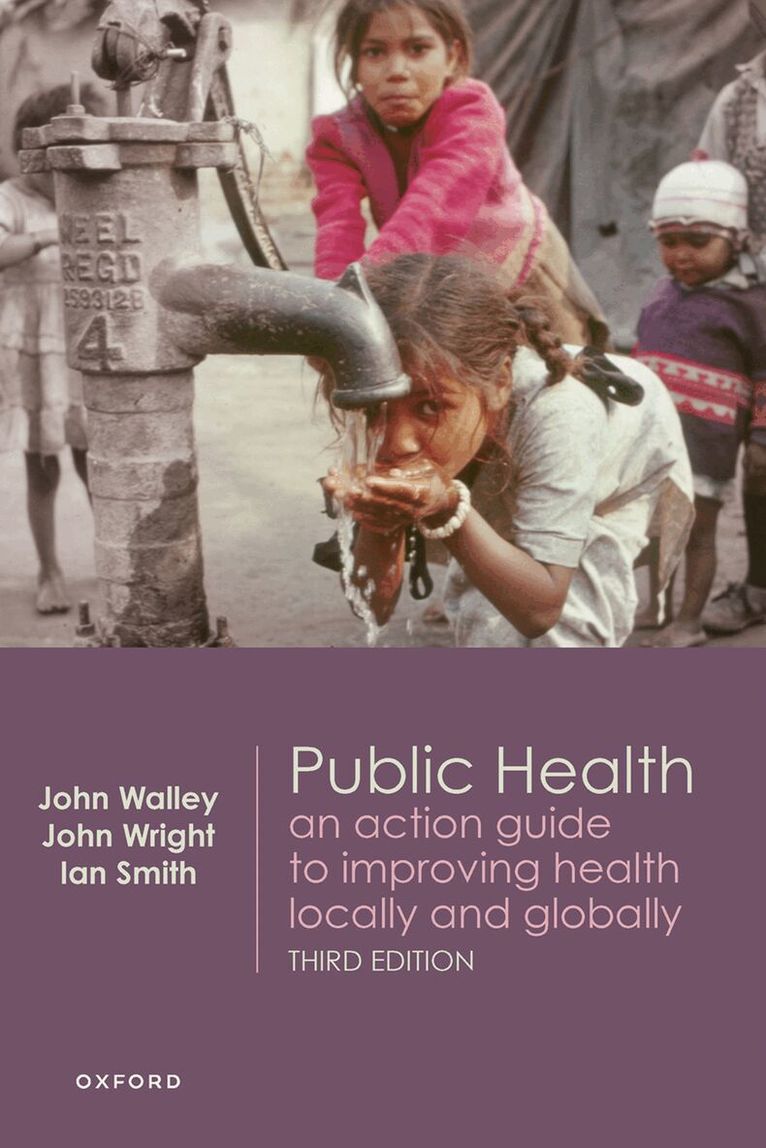
It is essential to build effective health systems to deliver universal health coverage, especially for low-middle income countries. This action guide presents key practical actions within primary health care that contribute to promote public and community health, prevent disease, improve living conditions, water, sanitation, nutrition, immunization, and encourage the adoption of healthy lifestyles. Written with a particular focus on low-middle income countries, it explains key approaches and provides practical methods to developing effective health services and preventive programmes, including for hospitals, health centres, and community services, and particularly for mother, neonatal, and child health. It also explores the operational, gender, social, and economic influences on health and how to choose the best intervention strategies.This third edition has been thoroughly updated on communicable and non-communicable diseases, including new and revised chapters on health systems based on the World Health Organization (WHO) 'building blocks'. It contains real examples, illustrations, and case histories to bring the subject to life for the reader. The book covers key services and programmes including those for tuberculosis, HIV, malaria, diarrhoeal diseases, and the integrated management of childhood and adult diseases. Throughout the book the editors ensure that key public health skills are described clearly and comprehensively, such as epidemiology, managing medicines, disease control, health financing, and implementing health services and programmes. This book ensures this valuable information is easily accessible for all doctors, community nurses, managers, and other professionals in public health, whether in training or in practice.