John Zucchi – författare
Visar alla böcker från författaren John Zucchi. Handla med fri frakt och snabb leverans.
5 produkter
5 produkter
Häftad, Engelska, 2018
390 kr
Skickas inom 10-15 vardagar
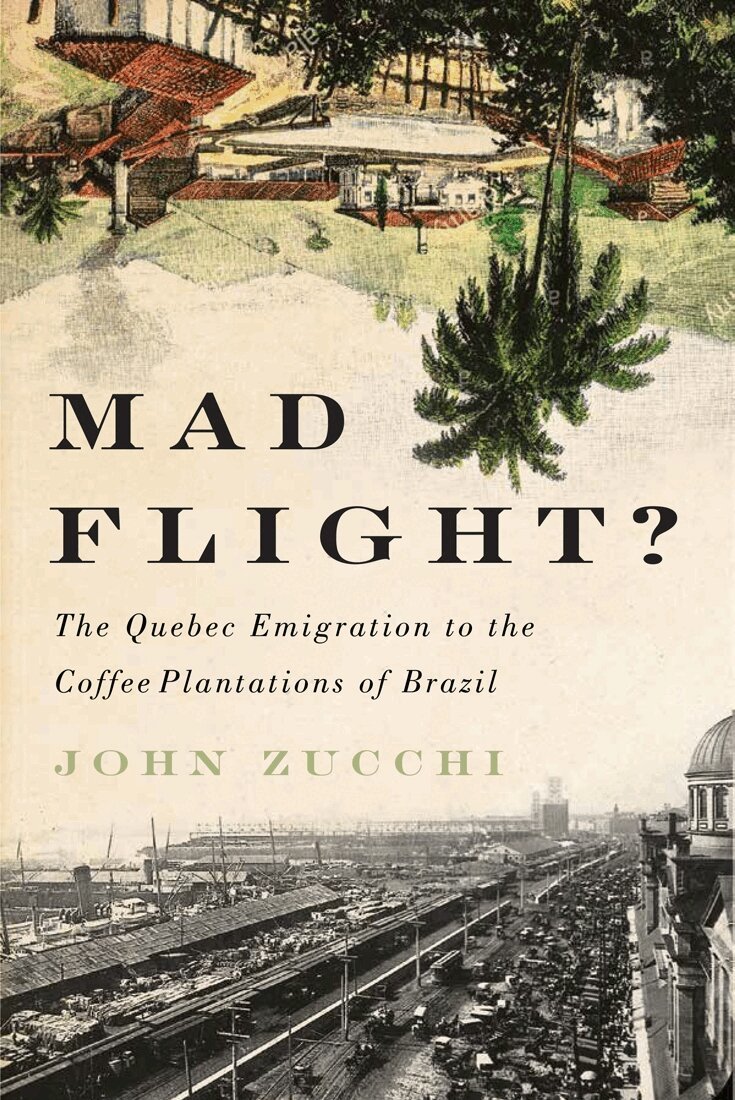
On 15 September 1896, nearly a thousand people prepared to board a steamer in the port of Montreal, headed for Santos, Brazil, and on to the coffee plantations of São Paulo, while a crowd of a few thousand pleaded with them to stay. Families were split as wives boarded without husbands, or husbands without wives. While many prospective migrants were convinced to get off the boat, close to five hundred people departed for South America. Ultimately the experience was a disaster. Some died on board the ship, others in Brazil; yet others became indigent labourers on coffee plantations or beggars on the streets of São Paulo. The vast majority returned to Canada, many of them helped back by British consular representatives. While the story was widely covered in the international press at the time, a century later it is virtually unknown. In Mad Flight? John Zucchi consults a range of primary and secondary sources, including archival material in Canada, Brazil, France, and the United Kingdom, to recreate the stories of the migrants and open up an important research question: why do some people migrate on impulse and begin a journey that will almost inevitably end up in failure? Historical studies on migration most often account for successful outcomes but rarely consider why some immigrant experiences are destined to fail. Mad Flight? uncovers the history of an otherwise little-known episode of Canadian migration to Brazil and provokes further discussion and debate.
E-bok
PDF, Engelska, 2018331 kr
Läs direkt efter köp
On 15 September 1896, nearly a thousand people prepared to board a steamer in the port of Montreal, headed for Santos, Brazil, and on to the coffee plantations of São Paulo, while a crowd of a few thousand pleaded with them to stay. Families were split as wives boarded without husbands, or husbands without wives. While many prospective migrants were convinced to get off the boat, close to five hundred people departed for South America. Ultimately the experience was a disaster. Some died on board the ship, others in Brazil; yet others became indigent labourers on coffee plantations or beggars on the streets of São Paulo. The vast majority returned to Canada, many of them helped back by British consular representatives. While the story was widely covered in the international press at the time, a century later it is virtually unknown. In Mad Flight? John Zucchi consults a range of primary and secondary sources, including archival material in Canada, Brazil, France, and the United Kingdom, to recreate the stories of the migrants and open up an important research question: why do some people migrate on impulse and begin a journey that will almost inevitably end up in failure? Historical studies on migration most often account for successful outcomes but rarely consider why some immigrant experiences are destined to fail. Mad Flight? uncovers the history of an otherwise little-known episode of Canadian migration to Brazil and provokes further discussion and debate.
E-bok
Engelska, 2018331 kr
Läs direkt efter köp
On 15 September 1896, nearly a thousand people prepared to board a steamer in the port of Montreal, headed for Santos, Brazil, and on to the coffee plantations of São Paulo, while a crowd of a few thousand pleaded with them to stay. Families were split as wives boarded without husbands, or husbands without wives. While many prospective migrants were convinced to get off the boat, close to five hundred people departed for South America. Ultimately the experience was a disaster. Some died on board the ship, others in Brazil; yet others became indigent labourers on coffee plantations or beggars on the streets of São Paulo. The vast majority returned to Canada, many of them helped back by British consular representatives. While the story was widely covered in the international press at the time, a century later it is virtually unknown. In Mad Flight? John Zucchi consults a range of primary and secondary sources, including archival material in Canada, Brazil, France, and the United Kingdom, to recreate the stories of the migrants and open up an important research question: why do some people migrate on impulse and begin a journey that will almost inevitably end up in failure? Historical studies on migration most often account for successful outcomes but rarely consider why some immigrant experiences are destined to fail. Mad Flight? uncovers the history of an otherwise little-known episode of Canadian migration to Brazil and provokes further discussion and debate.
E-bok
PDF, Engelska, 2009187 kr
Läs direkt efter köp
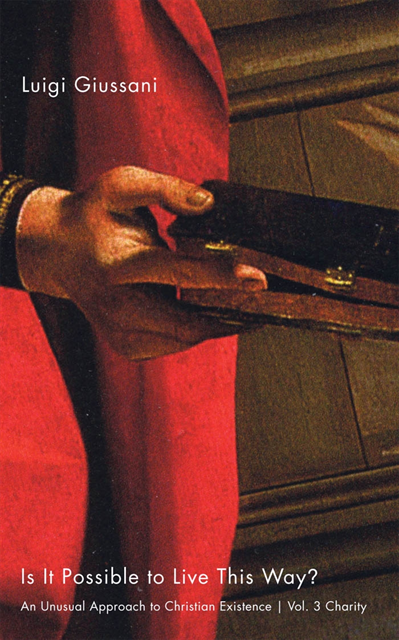
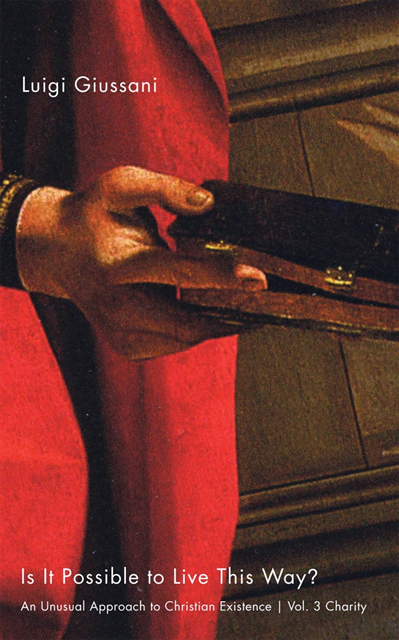
This volume of Is It Possible to Live this Way, a translation of Luigi Giussani''s Si Può Vivere Così?, addresses the virtue of charity. A compilation of Giussani''s conversations with young people who have chosen the path of the consecrated life in the Church - that is, have chosen to live their lives in the world according to the "evangelical counsels" of poverty, chastity, and obedience - it proposes an unusual yet reasonable approach to living as a Christian. As in all his works, Giussani encourages young people to be serious about their own existence and loyal to their experience. The conversations reported here are fascinating and insightful, providing support for a way of life that today is frequently questioned, rejected, or censured.
E-bok
Engelska, 2011101 kr
Läs direkt efter köp
This volume of Is It Possible to Live this Way, a translation of Luigi Giussani''s Si Può Vivere Così?, addresses the virtue of charity. A compilation of Giussani''s conversations with young people who have chosen the path of the consecrated life in the Church - that is, have chosen to live their lives in the world according to the "evangelical counsels" of poverty, chastity, and obedience - it proposes an unusual yet reasonable approach to living as a Christian. As in all his works, Giussani encourages young people to be serious about their own existence and loyal to their experience. The conversations reported here are fascinating and insightful, providing support for a way of life that today is frequently questioned, rejected, or censured.