Jon Bernard Marcoux – författare
Visar alla böcker från författaren . Handla med fri frakt och snabb leverans.
3 produkter
3 produkter
Häftad, Engelska, 2024
441 kr
Skickas inom 5-8 vardagar
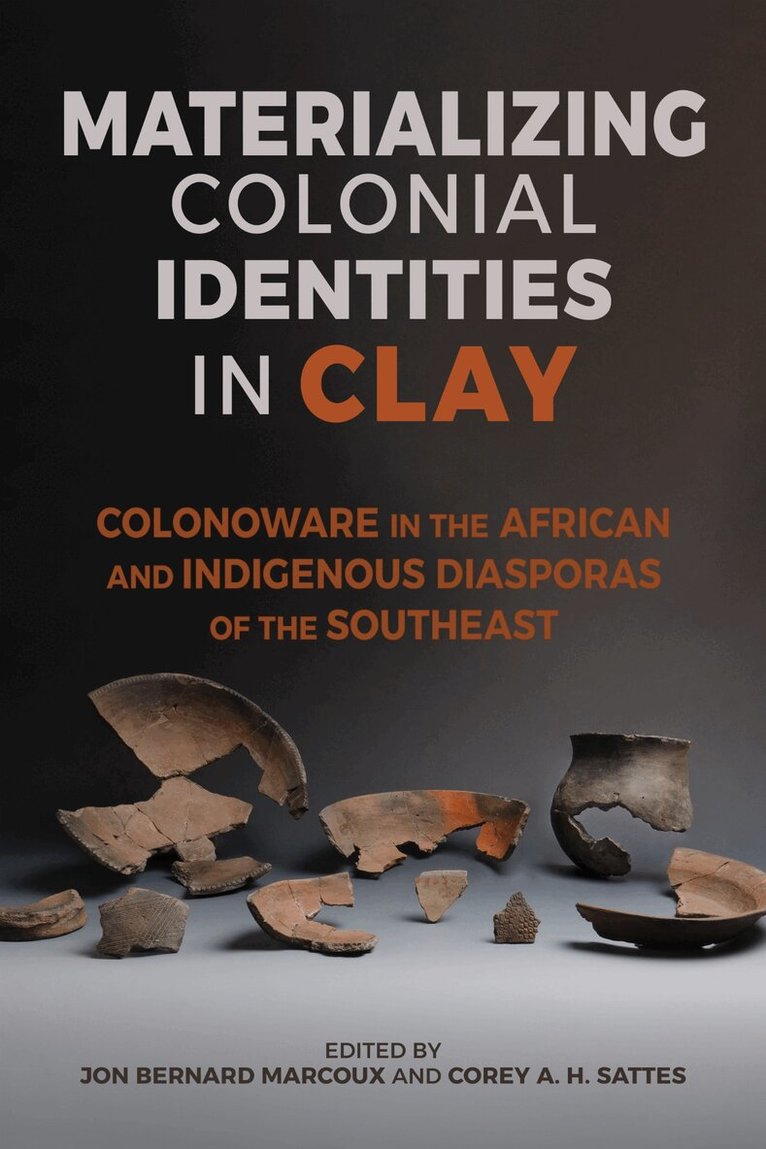
In Materializing Colonial Identities in Clay, Jon Bernard Marcoux, Corey A. H. Sattes, and contributors examine colonoware to explore the active roles that African Americans and Indigenous people played in constructing southern colonial culture and part of their shared history with Europeans.Colonoware was most likely produced by African and Indigenous potters and used by all colonial groups for cooking, serving, and storing food. It formed the foundation of colonial foodways in many settlements across the southeastern United States. Even so, compared with other ceramics from this period, less has been understood about its production and use because of the lack of documentation. This collection of essays fills this gap with valuable, recent archaeological data from which much may be surmised about the interaction among Europeans, Indigenous, and Africans, especially within the contexts of the African and Indigenous slave trade and plantation systems.The chapters represent the full range of colonoware research: from the beginning to the end of its production, from urban to rural contexts, and from its intraregional variation in the Lowcountry to the broad patterns of colonialism across the early American Southeast. The book summarizes current approaches in colonoware research and how these may bridge the gaps between broader colonial American studies, Indigenous studies, and African Diaspora studies.A concluding discussion contextualizes the chapters through the perspectives of intersectionality and Black feminist theory, drawing attention to the gendered and racialized meanings embodied in colonoware, and considering how colonialism and slavery have shaped these cultural dimensions and archaeologists’ study of them.
E-bok
Engelska, 2010366 kr
Läs direkt efter köp
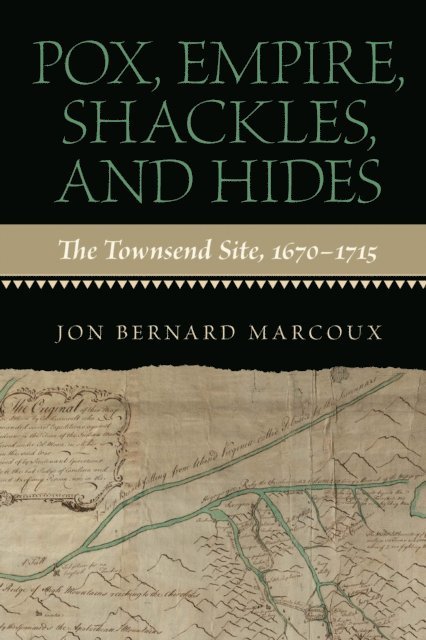
Examines issues of culture contact and social identity by exploring how the late-seventeenth and early-eighteenth centuries played out in the daily lives of Cherokee households, especially those excavated at the Townsend site in eastern Tennessee The late-seventeenth and early-eighteenth centuries were an extremely turbulent time for southeastern American Indian groups. Indeed, between the founding of the Charles Town colony along the south Atlantic coast in 1670 and the outbreak of the Yamasee War in 1715, disease, warfare, and massive population displacements dramatically altered the social, political, and economic landscape of the entire region. This volume examines issues of culture contact and social identity by exploring how this chaotic period played out in the daily lives of Cherokee households, especially those excavated at the Townsend site in eastern Tennessee. Marcoux studies the material remains of daily life in order to identify the strategies that households enacted while adapting to the social, political, and economic disruptions associated with European contact. The author focuses on households as the basic units of analysis because these represent the most fundamental and pervasive unit of economic and social production in the archaeological record. His investigations show how the daily lives of Cherokee households changed dramatically as they coped with the shifting social, political, and economic currents of the times. He demonstrates that the community excavated at the Townsend site was formed by immigrant households who came together from geographically disparate and ethnically distinct Cherokee settlements as a way to ameliorate population losses. He also explores changes in community and household patterning, showing how the spatial organization of the Townsend community became less formal and how households became more transient compared to communities predating contact with Europeans. From this evidence, Marcoux concludes that these changes reflect a broader strategic shift to a more flexible lifestyle that would have aided Cherokee households in negotiating the social, political, and economic uncertainty of the period.
E-bok
Engelska, 2024757 kr
Läs direkt efter köp
In Materializing Colonial Identities in Clay, Jon Bernard Marcoux, Corey A. H. Sattes, and contributors examine colonoware to explore the active roles that African Americans and Indigenous people played in constructing southern colonial culture and part of their shared history with Europeans. Colonoware was most likely produced by African and Indigenous potters and used by all colonial groups for cooking, serving, and storing food. It formed the foundation of colonial foodways in many settlements across the southeastern United States. Even so, compared with other ceramics from this period, less has been understood about its production and use because of the lack of documentation. This collection of essays fills this gap with valuable, recent archaeological data from which much may be surmised about the interaction among Europeans, Indigenous, and Africans, especially within the contexts of the African and Indigenous slave trade and plantation systems. The chapters represent the full range of colonoware research: from the beginning to the end of its production, from urban to rural contexts, and from its intraregional variation in the Lowcountry to the broad patterns of colonialism across the early American Southeast. The book summarizes current approaches in colonoware research and how these may bridge the gaps between broader colonial American studies, Indigenous studies, and African Diaspora studies. A concluding discussion contextualizes the chapters through the perspectives of intersectionality and Black feminist theory, drawing attention to the gendered and racialized meanings embodied in colonoware, and considering how colonialism and slavery have shaped these cultural dimensions and archaeologists’ study of them.