Jon Guttman - Böcker
Visar alla böcker från författaren Jon Guttman. Handla med fri frakt och snabb leverans.
17 produkter
17 produkter
187 kr
Skickas inom 10-15 vardagar
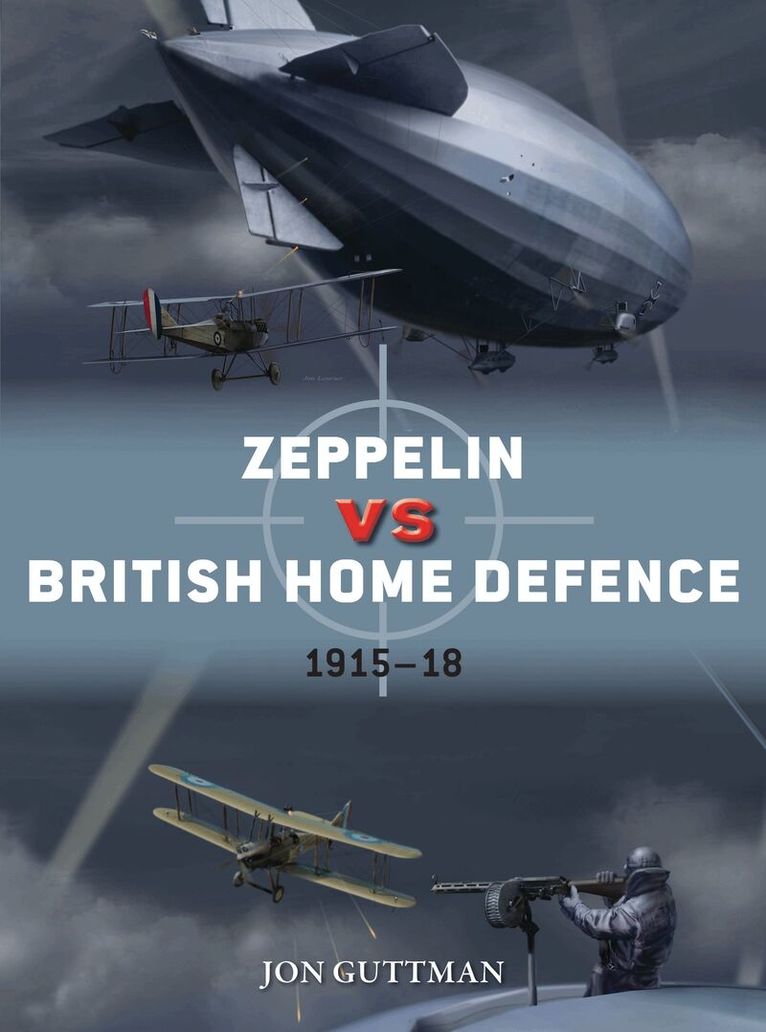
When Ferdinand Graf von Zeppelin’s rigid airship LZ 1 flew over Lake Constance in 1900, it was the most advanced and impressive flying machine in the world: a colossal, lighter-than-air craft capable of controlled flight.In World War I, Zeppelins were first used in a reconnaissance role, but on 19 January 1915 Kaiser Wilhelm II authorised their use in bombing strategic targets in England. From then on, ‘Zeppelin’ became synonymous with terror to the British, and indeed the airship's effectiveness was more psychological than material. Still, their raids compelled the Royal Flying Corps and Royal Naval Air Service to embark on a program of modernising their aerial defences, accelerating a process that would ultimately make the aeroplane, rather than the airship, the paramount flying machine of the war.Using specially commissioned artwork, contemporary photographs and first-hand accounts, this book tells the fascinating story of Britain’s first Blitz, from the airships who terrorised the public to the men who sought to defend the skies.
175 kr
Skickas inom 10-15 vardagar
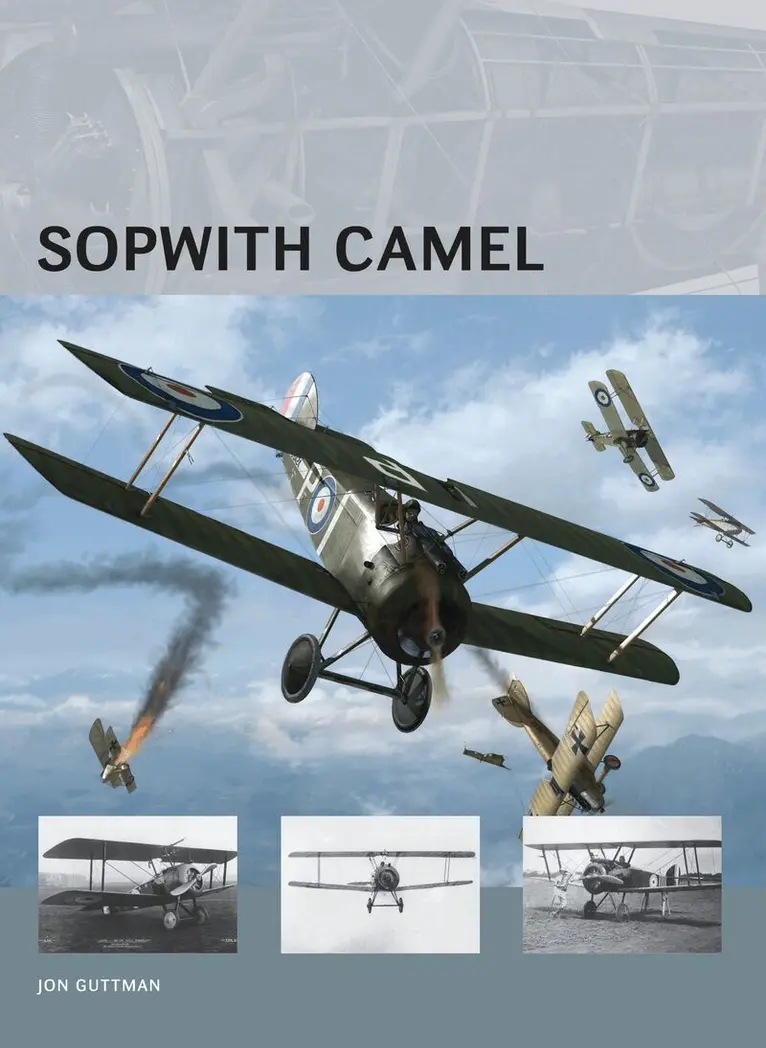
A definitive technical guide to the Sopwith Camel, featuring illustrations and profiles.An icon of World War I aerial combat, the Sopwith Camel was a superb dogfighter in the hands of a pilot who could master its vicious idiosyncrasies. The first British fighter to be armed with twin machine guns, the Camel packed a considerable punch and was highly successful, notching up a considerable number of aerial victories. The Camel was a remarkable aircraft, and one that could perform in a variety of roles, including as a ground strafer, a night fighter and a carrier-based fighter.Alongside stunning illustrations, Jon Guttman charts how, as newer, higher performance aircraft types were introduced and began to eclipse it, the dominance of the Camel declined and losses mounted. Nevertheless, Camels appeared over battlefields throughout the war and beyond, notably in the Russian Civil War.
187 kr
Skickas inom 10-15 vardagar
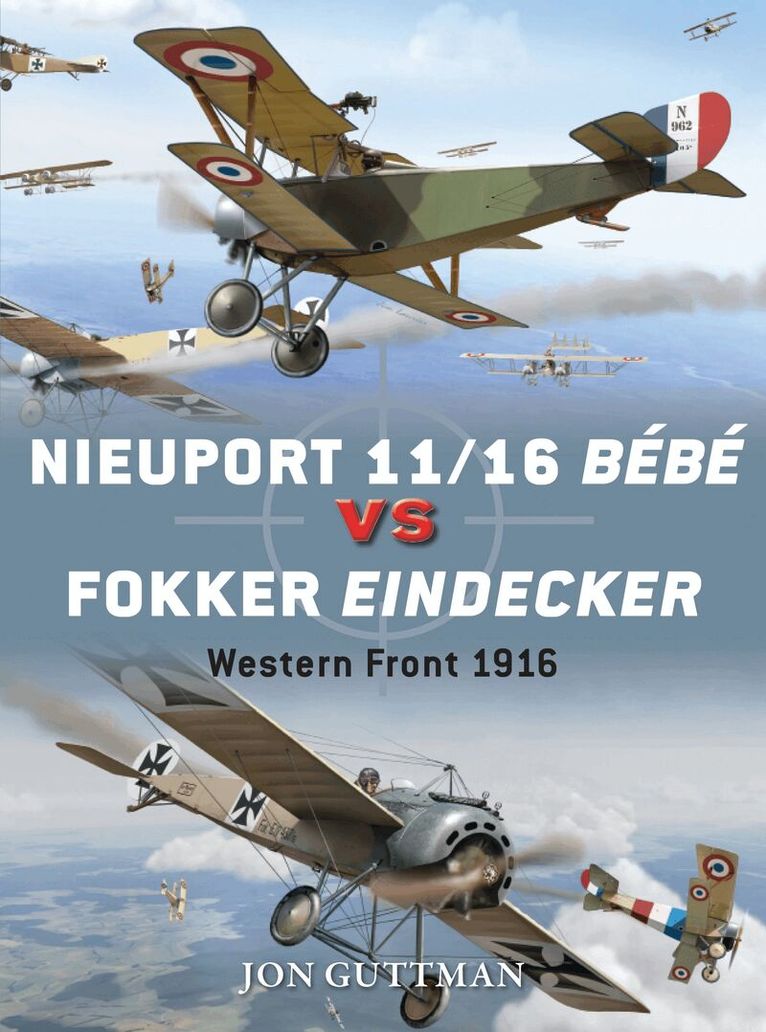
The appearance in July 1915 of the Fokker E I heralded a reign of terror over the Western Front that the Allies called the ‘Fokker Scourge’.The French Nieuport 11 was one type desperately thrown into action to counter the Fokkers. The swirling dogfights between this fighter – and its more powerful but more unwieldy stablemate, the Nieuport 16 – and a succession of improved Fokkers, the E II, E III and E IV, came to symbolise air combat in World War I. This book gives a detailed look at the developmental history of the fighters, contrasting the interrupter gear-equipped Fokker with the more improvised solution incorporated in the Nieuport – a machine gun fitted to the upper wing to avoid the propeller entirely. The Germans went on to abandon the monoplane in favour of a new and deadly generation of biplane fighters, based on the lessons learned from these vicious engagements and influenced by the success of the French Nieuport.
198 kr
Skickas inom 10-15 vardagar
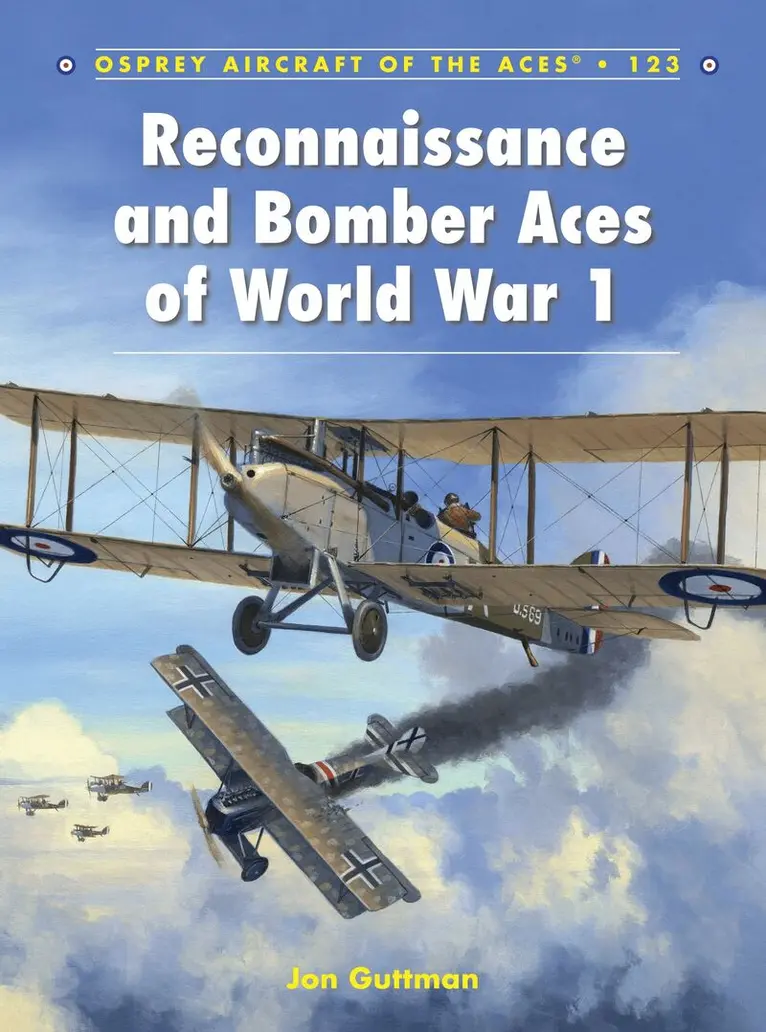
Many fighter aces began their careers in two-seaters, but a surprising number of British, French and German aircrews managed to achieve acedom in those not-so-helpless workhorses too. This is their story.Often overshadowed by the fighters that either protected or threatened them, two-seater reconnaissance aircraft performed the oldest and most strategically vital aerial task of World War 1 - a task that required them to return with the intelligence they gathered at all costs. Bomber sorties were equally important and dangerous, and the very nature of both types of mission required going in harm's way. A remarkable number of British, French and German two-seater teams managed to attain or exceed the five victories needed to achieve the acedom popularly associated with their single-seat nemeses, and in this book, with rich illustrations and first-hand accounts of the veterans themselves, they receive their long-overdue recognition.Many high-scoring single-seat fighter aces also began their careers in two-seaters, particularly in the early stages of the conflict, and their exploits as either pilots or observers are detailed here too.
198 kr
Skickas inom 10-15 vardagar
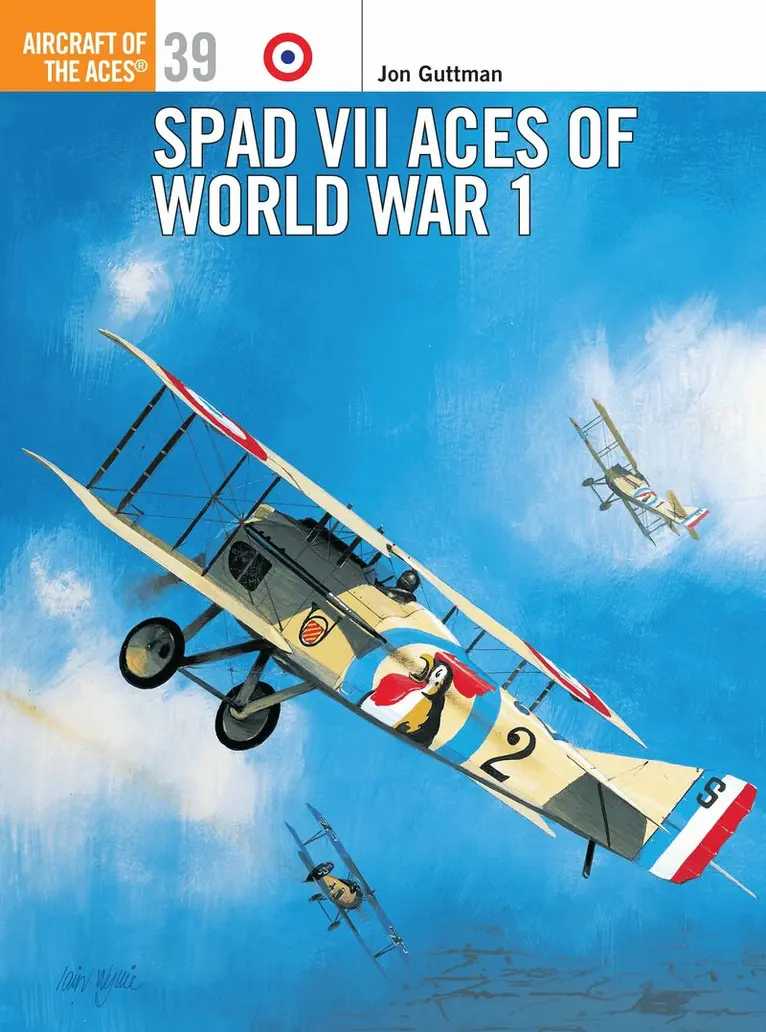
Built by the 'Societe Anonyme Pour I' Aviation et ses Derives', (SPAD), the SPAD VII was the first successful fighting scout design to emerge from the company that had traded as Duperdussin pre-war. Flown 'from the off' by aces Paul Sauvage and Georges Guynemer, the scouts made an immediate impression, Indeed, the latter pilot was so impressed that he dubbed the Type VII the 'flying machine gun'. The first of two volumes on SPAD aces, this book tells the whole story from the ace perspective. By the time production of the SPAD VII ended in the final months of 1918, around 6000 examples had been built, and Allied aces on every front had enjoyed success with the type.
198 kr
Skickas inom 10-15 vardagar
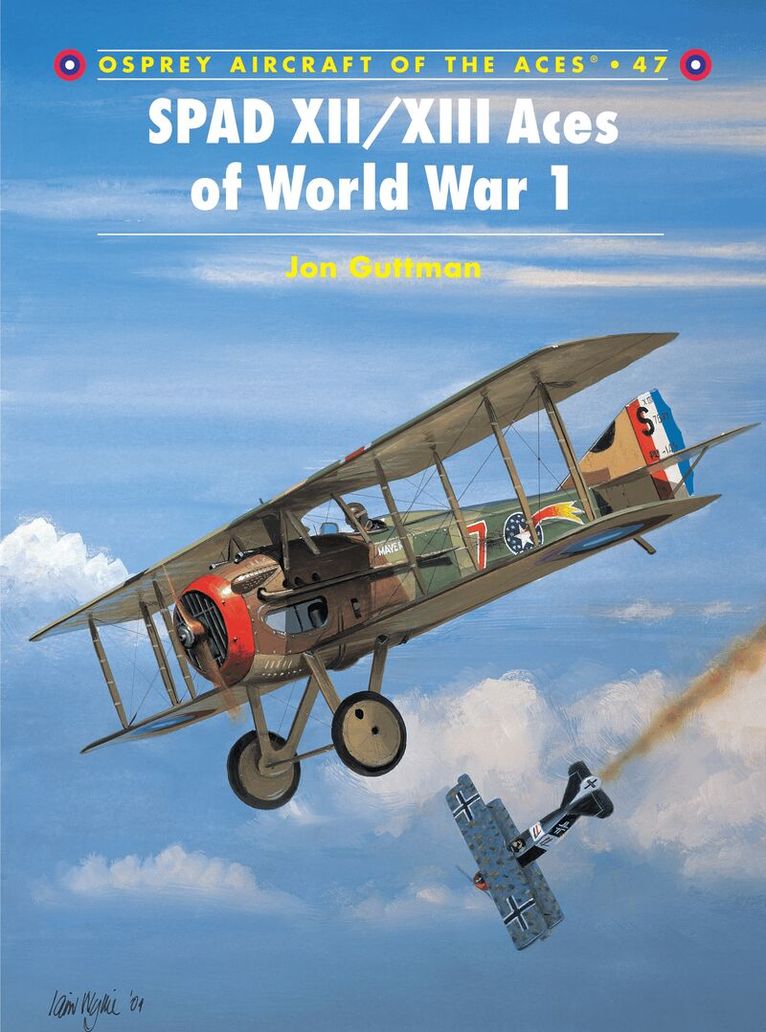
This volume details the exploits of the pilots who flew the hugely successful SPAD XIII and the trickier SPAD XII. Built in response to the combat inadequacies of the SPAD VII, the XIII first entered service with the French Aviation Militaire in late 1917. Despite suffering engine unreliabliability, the XIII enjoyed great success on the Western Front, where it was flown by numerous French, American, Italian and Belgian aces, including Eddie Rickenbacker, leading US ace of World War I. The SPAD XII, meanwhile, was the product of numerous improvements to the SPAD VII model. Entering service in July 1917, the aircraft boasted a single-shot 37 mm Puteaux cannon, which had to be hand-loaded in flight! Tricky to fly, the XII was only issued to experienced pilots and was flown briefly by a number of aces.
198 kr
Skickas inom 10-15 vardagar
Del 18 - Aviation Elite Units
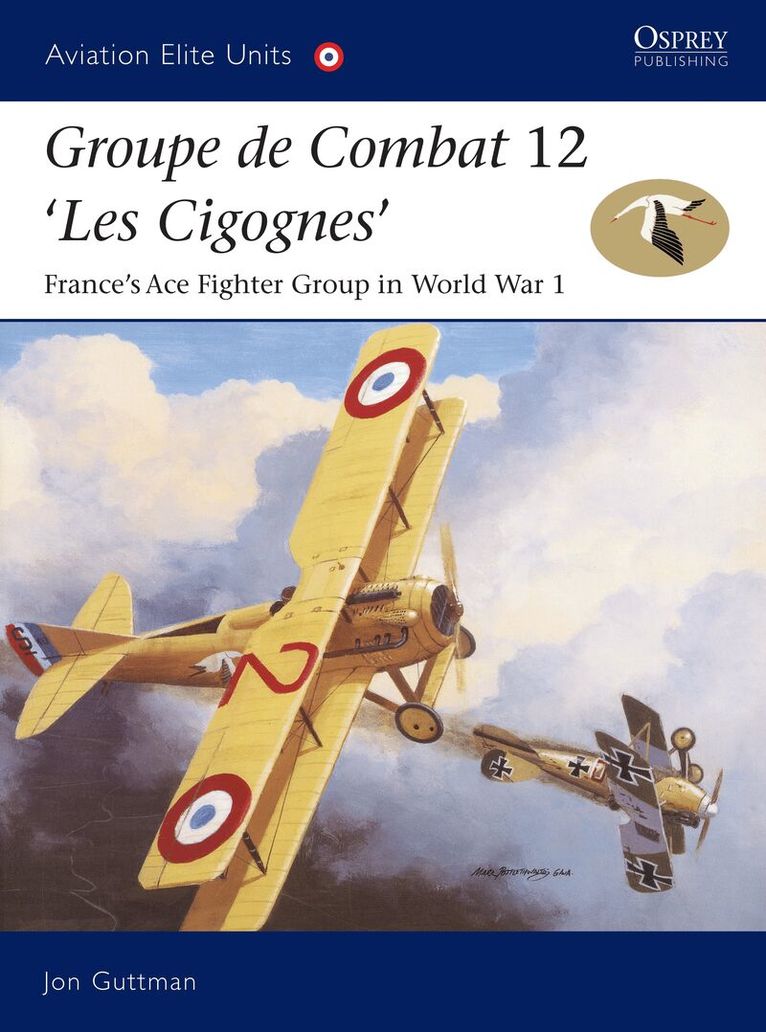
Groupe de Combat 12, 'Les Cigognes'
France's Ace Fighter Group in World War 1
Häftad, Engelska, 2004
198 kr
Skickas inom 10-15 vardagar
This book traces the combat history of the most famous and highest-scoring fighter group in France's World War I Aviation Militaire. Groupe de Combat 12 boasted the highest-scoring Allied fighter pilot, Rene Fonck, and France's most celebrated hero of the air, Georges Guynemer. Its ranks included numerous other famous aces, such as Rene's Dorme, Alfred Heurteaux, Albert Deullin, and American volunteers Edwin Parsons and Frank L. Baylies. Additionally, Guynemer was instrumental in developing France's premier series of fighter planes, the SPAD VII, XII, XIII and XVII.
198 kr
Skickas inom 10-15 vardagar
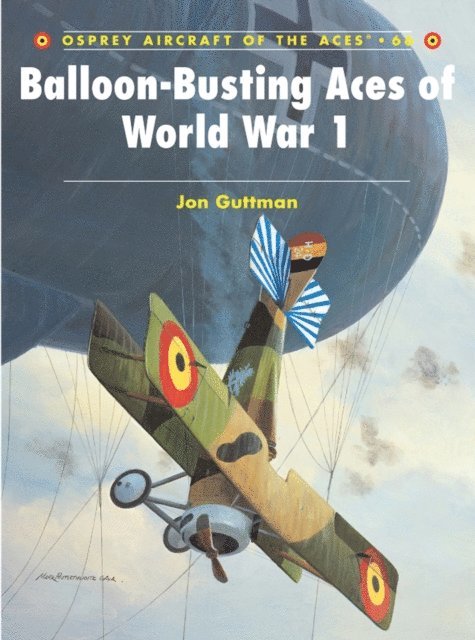
Tethered balloons have been used for aerial observation since the French Revolution, but in World War I, they reached their zenith as a means of providing a stationary observation platform above the battlefield. It took a special breed of daredevil to take on such odds deep in enemy lines in order to destroy a balloon, with Balloon specialists such as Willy Coppens, Pierre Bourjade and Michel Coiffard rising to the challenge. This book covers the story of these 'balloon busters' from both sides in World War I through a mix of first-hand accounts and expert analysis, which compares tactics, theatres of operation, aircraft types and the overall odds for success.
198 kr
Skickas inom 10-15 vardagar
This is the history of the best Allied 'fighter-destroyer' of World War I and the pilots who flew it. Nicknamed 'Biff' by the pilots, the Bristol F2 Fighter enjoyed extraordinary over the Western Front in the final 18 months of the war. However it had an inauspicious debut. Indeed, an entire flight of F2As was wiped out by von Richthofen's Jasta 11. However, a new improved F2B was soon delivered to the front which was functioned in an entirely different manner. The crews operated the plane not as a standard two-seater, but as a single-seat with a 'sting in the tail' in the form of a rear gunner with a Lewis machine gun. Numerous ace teams earned the 'Biff' grudging respect from its German opponents. This book will chart the development of the plane from its unpromising beginnings, to the revised model operating with a new kind of tactics. Moreover, the numerous first-hand accounts and combat reports will give a fascinating insight into the experiences of the pilots themselves.
187 kr
Skickas inom 10-15 vardagar
Amid the continuous struggle for aerial superiority during World War I, two aircraft types were at the forefront.Both rotary engined fighters, the Sopwith Camel and the Fokker Dr I triplane were relatively slow for their time, but were regarded as the most manoeuvrable machines produced during the conflict, and the classic pair for a tight, evenly matched dogfight at close quarters.In this book Jon Guttman examines the fascinating story of the design and development of these deadly foes. First-hand accounts and innovative cockpit-view artwork give a thrilling insight into the pilots' experiences during the world's first aerial duels and helps explain their successes and failures.
198 kr
Skickas inom 10-15 vardagar
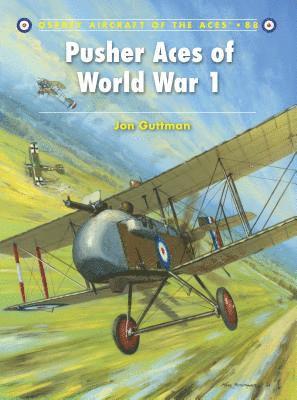
Pusher fighters, designed with the engine at the rear and the machine gun at the front, may have looked ungainly, yet they were able to hold their own remarkably well against their German counterparts. This is the story of the unusual pusher and its many aces, including Lanoe Hawker VC, who formed and led Britain's first fighter squadron before dying in a ten-minute duel with Manfred von Richtofen, American 'cowboy' ace Frederick Libby, third-ranking French ace Charles Nungesser and the aggressive Belgian ace Fernand Jacquet. Packed with colourful artwork of a variety of pusher designs, paint schemes, and camouflage from many different nationalities, this book guides you through the twists and turns of this bizarre yet surprisingly successful fighter during World War 1.
187 kr
Skickas inom 10-15 vardagar
This is the gripping story of two of the best fighters produced in World War I as they duelled in the skies above the trenches in the closing months of the war. The Fokker D VII earned a reputation as the most formidable fighter of the war, yet the SPAD XIII's greater speed, especially in a dive, and its outstanding durability proved a fearsome rival. Never before published artwork, including fascinating cockpit illustrations, reveal several dramatic clashes from the two foes, whilst diary entries and first hand accounts from the pilots bring this classic World War I duel to life with intimate detail.
187 kr
Skickas inom 10-15 vardagar
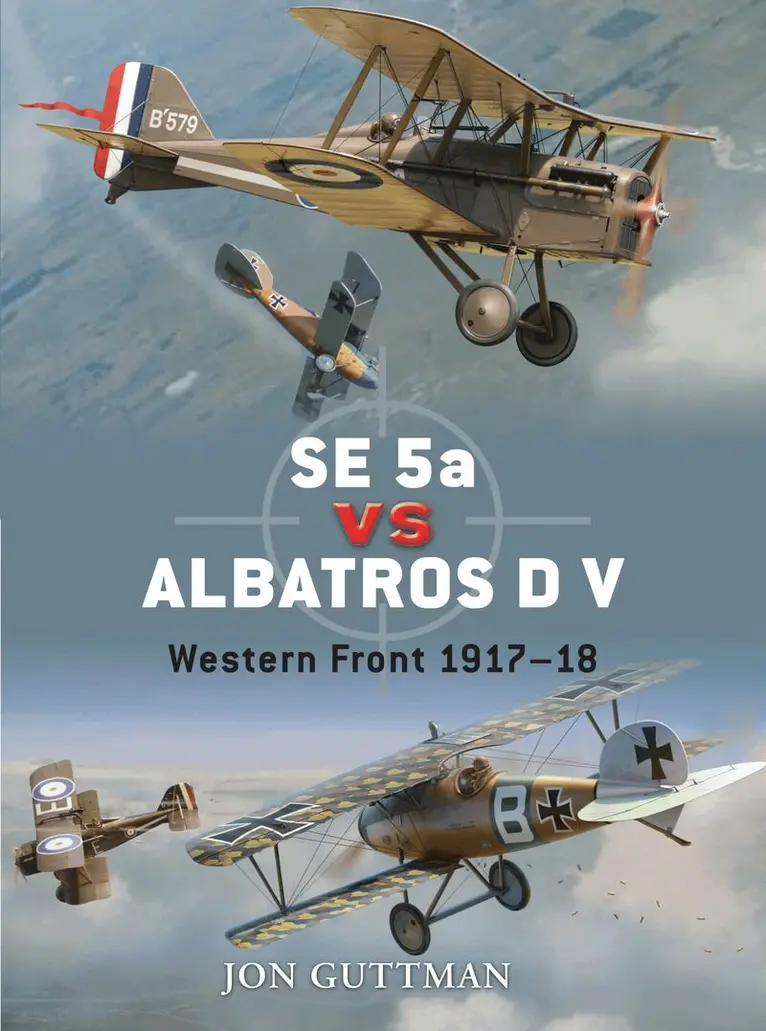
Amid the ongoing quest for aerial superiority during World War I, the late spring of 1917 saw two competing attempts to refine proven designs. The Royal Aircraft Factory SE 5a incorporated improvements to the original SE 5 airframe along with 50 more horsepower to produce a fast, reliable ace-maker. The Albatros D V, a sleeker looking development of the deadly D III of 'Bloody April' notoriety, proved to be more disappointing as it suffered a rash of lower wing failures. Nevertheless, Albatrosen remained the most numerically important fighters available when the Germans launched their final offensive on 21 March 1918. Despite its shortcomings, German tactics and skill made the Albatros D V a dangerous foe that SE 5a pilots dismissed at their peril. This title tells the story of the design and development of these two fighters and concludes with their dramatic fights in the last year of World War I.
198 kr
Skickas inom 10-15 vardagar
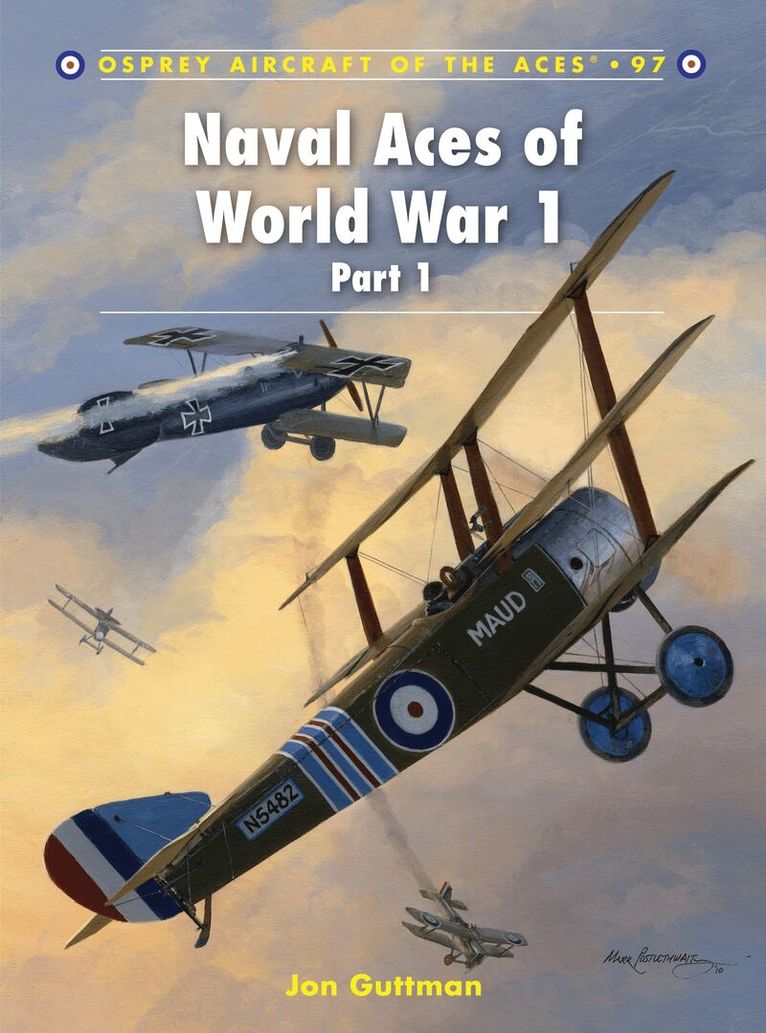
In the first of a two-part study covering all of the naval fighter pilots to achieve ace status during World War I, author and artist Jon Guttman examines the elite members of the Royal Naval Air Service (RNAS).The first to employ Sopwith's excellent line of scouts, such as the Pup, Triplane and Camel, some of the RNAS pilots such as Raymond Collishaw, Robert A Little and Roderick Stanley Dallas rated amoung the most successful fighter pilots in the British Commonwealth.This book covers all of the members of the RNAS who 'made ace'. The Second Volume will cover the naval Aces from the other participants in the war.
187 kr
Skickas inom 10-15 vardagar
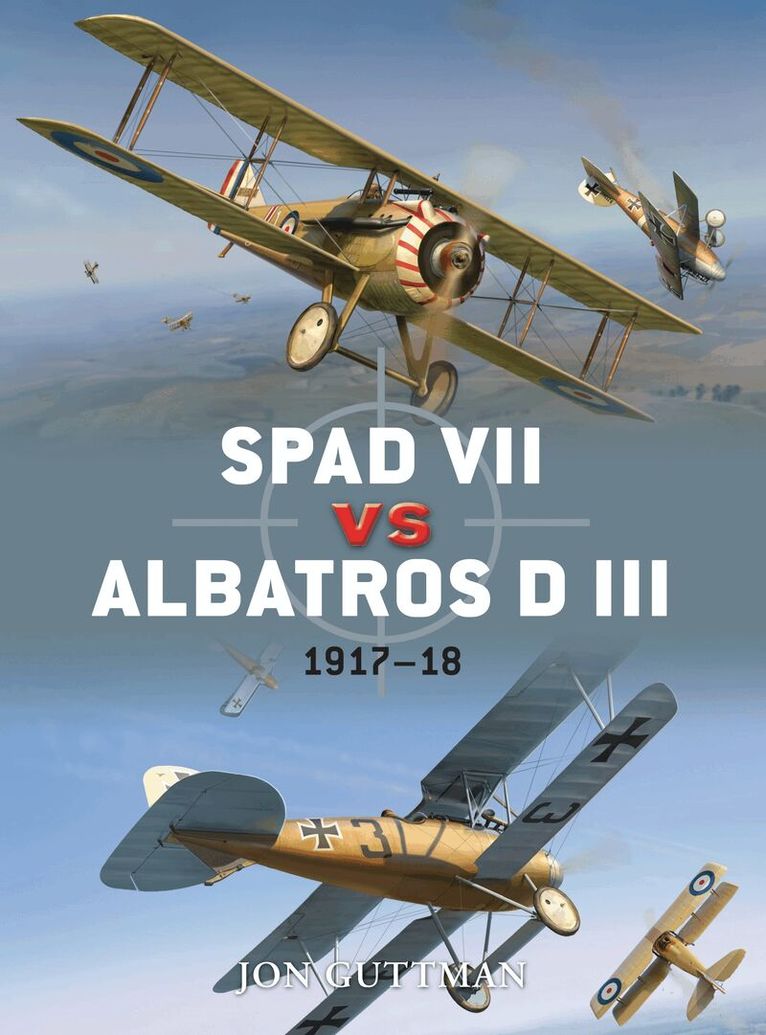
When originally conceived, the French SPAD VII and German Albatros D II represented steps away from an emphasis on manoeuvre in aerial combat in favour of speed and durability.At the end of 1916, however, Albatros tried to have the best of both worlds. The result combined the better downward view and manoeuvrability of the Nieuport with the power and twin machine guns of the Albatros D II. At the same time, the French worked to improve the SPAD VII with more power and a more reliable cooling system before moving on to the twin-gunned SPAD XIII.While all that was going on, the Albatros D III became a mainstay of the German and Austro-Hungarian air services in frequent encounters with SPAD VIIs flown by French, Belgian, British, Italian and American airmen.
198 kr
Skickas inom 10-15 vardagar
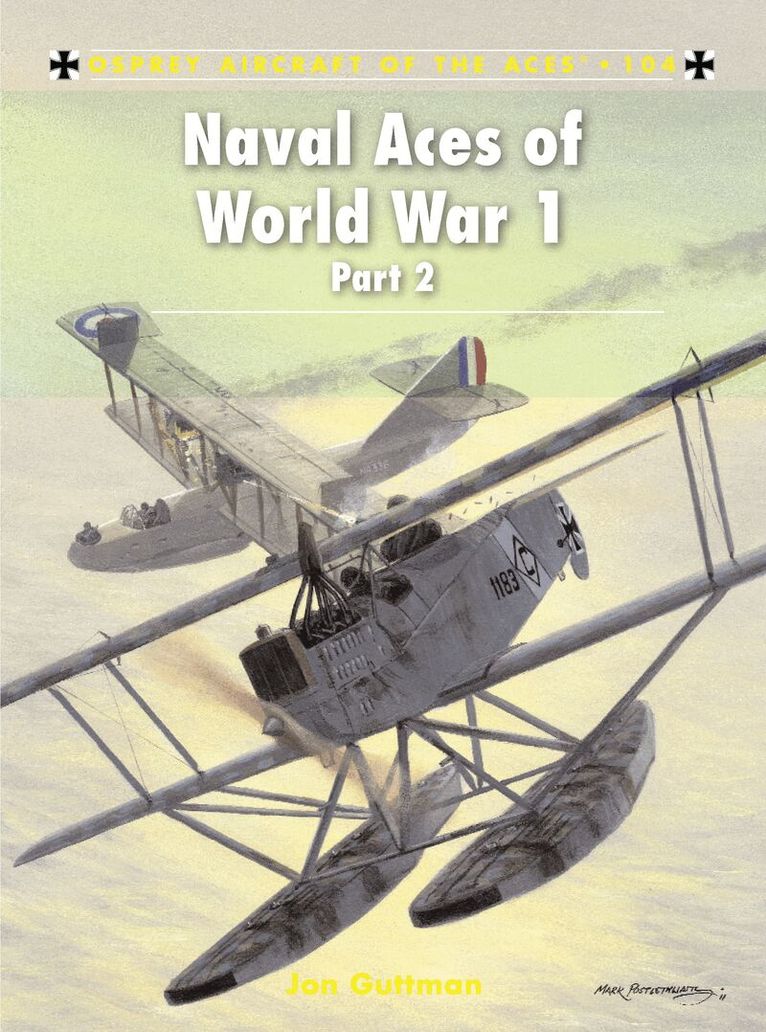
This second Naval Aces of World War 1 book looks at the many flying naval heroes who served alongside or against those of the Royal Naval Air Service (RNAS).While the RNAS operated its own formidable arsenal of Nieuport and Sopwith scouts over the Flanders coast, the German Navy countered with its own Land Feld Jagdstaffeln and Seefront Staffeln. Unique to World War 1 was the use of flying boats as fighters in combat, which figured at least partially in the scores of Russian aces Aleksandr de Seversky and Mikhail Safanov. The best flying boat fighter, however, was Italy's Macchi M 5, flown by three aces and also the mount of Charles H Hammann, the first American to earn the Medal of Honor in aerial combat.Also unique were the sole US Navy ace, David Ingalls, who scored his six victories while attached to No 213 Sqn RAF, and Greek ace Artitides Moraitinis, credited with nine victories over Salonika and the Dardanelles.