Jon Paul Sydnor – författare
Visar alla böcker från författaren Jon Paul Sydnor. Handla med fri frakt och snabb leverans.
7 produkter
7 produkter
Inbunden, Engelska, 2011
450 kr
Skickas inom 5-8 vardagar
E-bok
Engelska, 2011455 kr
Läs direkt efter köp
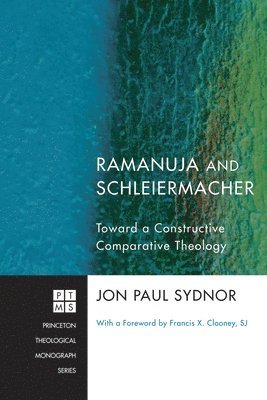
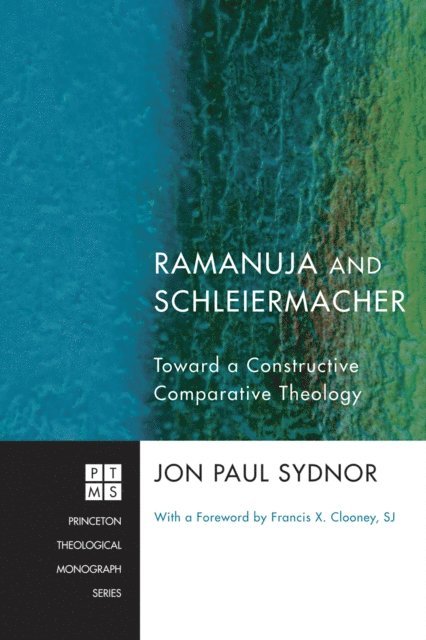
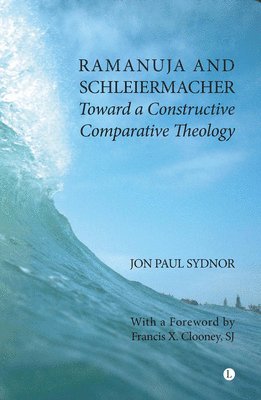
Can the comparison of two theologians vastly separated in space and time help contemporary theologians to think better? This book argues that it can. Specifically, this book argues that the novel and burgeoning discipline of comparative theology is a powerful method for gaining critical insight into our inherited worldviews. More important, it argues that the critical insights gained through comparison can produce constructive theology or, in other words, revised and renewed worldviews. New comparisons produce new questions, and new questions produce new answers. In order to demonstrate the power of this process, the book compares two preeminent theologians, Sri Ramanuja of the Hindu tradition and Friedrich Schleiermacher of the Christian tradition. Each argues that God sustains the universe at every moment of its existence, but they work out the divine sustenance in very different ways. By comparing their description of God''s continual preservation of the universe, this book asks original, unfamiliar questions of each. Then, it speculatively suggests possible answers to those questions, inviting Ramanuja and Schleiermacher to respond to the challenges raised. This method demonstrates the incisive power of comparative theology to generate critical tension, as well as the creative power of comparative theology to resolve that very tension.
Häftad, Engelska, 2011
298 kr
Skickas inom 5-8 vardagar
Häftad, Engelska, 2024
421 kr
Skickas inom 5-8 vardagar
Inbunden, Engelska, 2024
591 kr
Skickas inom 5-8 vardagar
E-bok
Engelska, 2024730 kr
Läs direkt efter köp
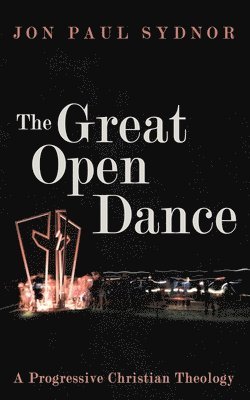
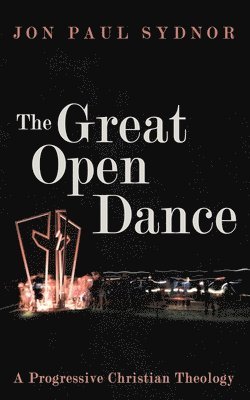
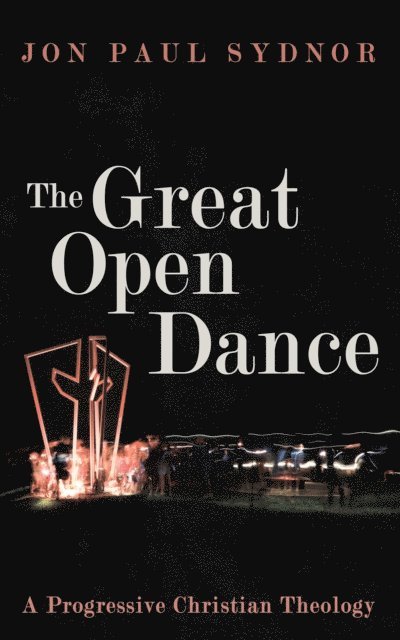
The Great Open Dance offers a progressive Christian theology that endorses contemporary ideals: environmental protection, economic justice, racial reconciliation, interreligious peace, gender equality, and LGBTQ+ celebration. Just as importantly, this book provides a theology of progress--an interpretation of Christian faith as ever-changing and ever-advancing into God''s imagination. Faith demands change because Jesus of Nazareth started a movement, not a tradition. He preached about a new world, the Kingdom of God, and invited his followers to work toward the divine vision of universal flourishing. This vision includes all and excludes none. Since we have not yet achieved the world that Jesus describes, we must continue to progress. The energizing impulse of this progress is the Trinity: Abba, Jesus, and Sophia, three persons united by love into one perfect community. God is fundamentally relational, and humankind, made in the image of God, is relational as a result. We are inextricably entwined with one another, sharing a common purpose and a common destiny. In this vision, we find abundant life by practicing agape, the universal, unconditional love that Abba extends, Jesus reveals, and Sophia inspires.
Inbunden, Engelska, 2023
1 181 kr
Skickas inom 10-15 vardagar
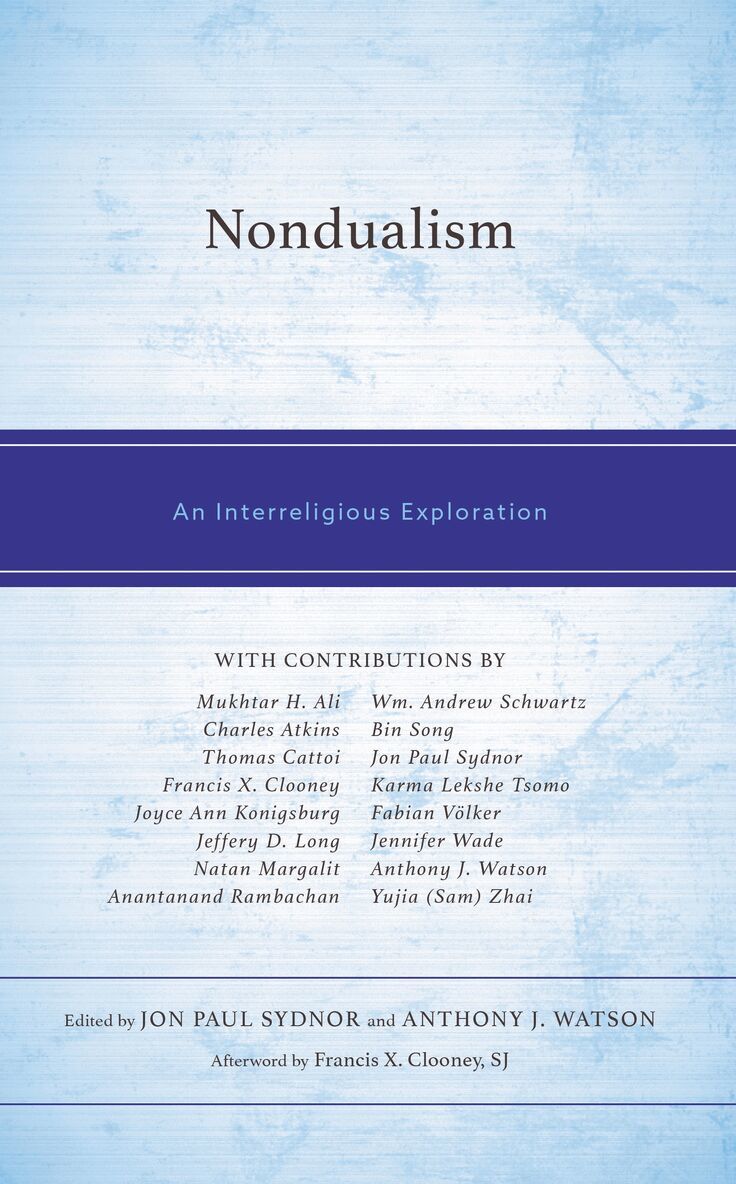
The time has come for nondualism. As a fundamentally unifying concept, nondualism may seem out of place in an age of rising nationalism and bitter deglobalization, but our current debates over tribalism and universalism all grant nondualism an informative relevance. Nondualism rejects both separation and identity, thereby encouraging unity-in-difference. Yet “nondualism” as a word occupies a large semantic field. Nondual theists advocate the unity of humankind and God, while nondual atheists advocate the inseparability of all persons, without reference to a divinity. Ecological nondualism asserts that we are in nature and nature is in us, while monistic nondualists assert that only God exists and all difference is illusion. Edited by Jon Paul Sydnor and Anthony Watson, and guided by scholars from different religions and specializations, Nondualism: An Interreligious Exploration explores the semantic field that nondualism occupies. The collection elicits the expansive potential of the concept, clarifies agreement and disagreement, and considers current applications. In every case, nondualism is universal in its relevance yet always distinctive in its contribution.