Jon Van Til - Böcker
Visar alla böcker från författaren Jon Van Til. Handla med fri frakt och snabb leverans.
6 produkter
6 produkter
255 kr
Skickas inom 7-10 vardagar
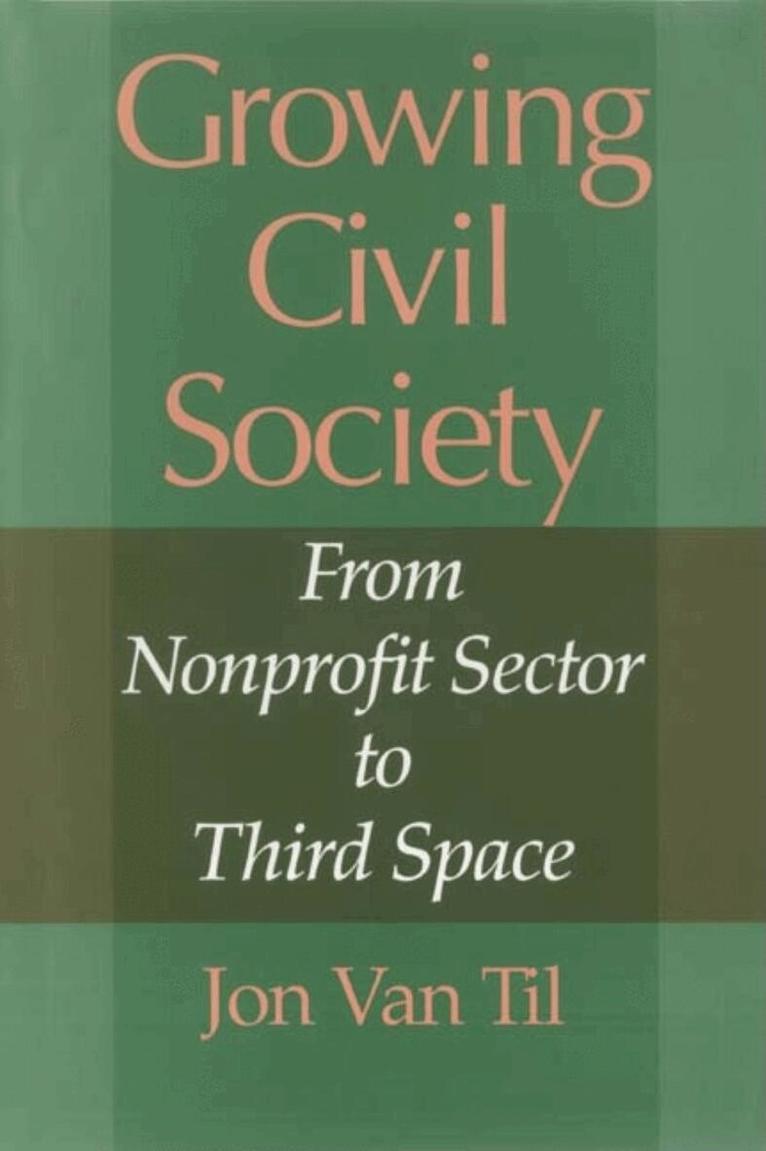
Growing Civil Society investigates the role of voluntary action and nonprofit organization in contemporary America. Key to the book is the concept of "third space," which provides an important tool for the construction of civil society. The third space is not independent from society's major institutions, but exists in dynamic interdependence with them, linking individuals in their home bases of family and community to the larger governmental and economic structures within which all citizens, workers, and consumers learn to find their way in modern society.
2 096 kr
Skickas inom 10-15 vardagar
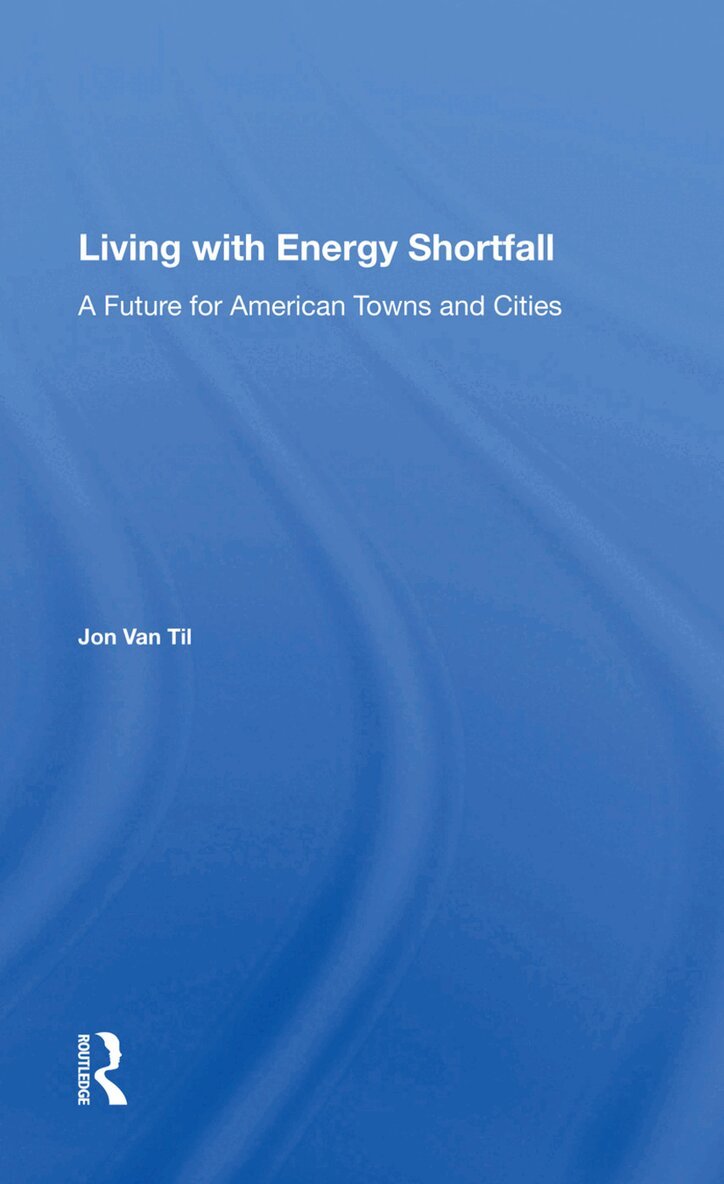
This book is about the ways Americans may live in the years ahead and the forms their cities, suburbs, towns, and rural areas may take in the light of changing patterns of energy supply and societal affluence. It is written for the ultimate energy policy maker–the private citizen.
613 kr
Skickas inom 10-15 vardagar
This book is about the ways Americans may live in the years ahead and the forms their cities, suburbs, towns, and rural areas may take in the light of changing patterns of energy supply and societal affluence. It is written for the ultimate energy policy maker–the private citizen.
599 kr
Skickas inom 10-15 vardagar
Breaching Derry's Walls is the first book to examine the island-based society of Ireland from the point of view of its Northwest quadrant. In particular, Derry, a city long known as a center for culture, plays a central role in Professor Jon Van Til's research. Dividing his sections historically pertaining to societies and conflicts, Professor Van Til draws upon his personal experience as a Fulbright scholar to provide a fresh and original way of conceptualizing Ireland and all its facets. Appealing to students and conflict specialists, this book implements a new vantage point for understanding the Northern Ireland region.
950 kr
Skickas inom 10-15 vardagar
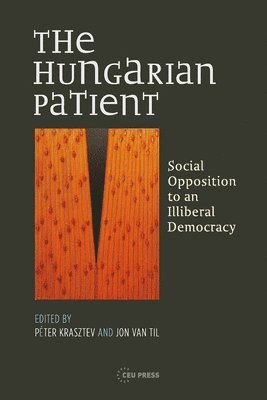
This book presents compelling essays by leading Hungarian and foreign authors on the variety of social movements and parties that seek influence and power in a Hungary mired in deep and manifold crisis. The main question the volume tries to answer is: what can we expect after the fall of the semi-authoritarian Orbán regime in Hungary. Who will be the new players? What are their backgrounds? What are their political and social ideals, intentions and methods? The studies in the first section of the volume provide the reader with the reasons of the emergence of these new movements: a deep analysis of the historical, political and cultural background of the current situation. The second part contains essays and case studies which challenge the movements and parties involved to look beyond their current ineffectiveness, and to find ways of meeting the challenges that would allow them to exercise responsible and effective leadership in their time and place. This collection would be the first of the kind both in the field of movement theory/history and democracy studies because it reflects on very recent developments not researched in the international scholarly literature. One would not be able to understand contemporary Hungarian society without reading it before the 2014 elections.
1 921 kr
Skickas inom 10-15 vardagar
This book presents compelling essays by leading Hungarian and foreign authors on the variety of social movements and parties that seek influence and power in a Hungary mired in deep and manifold crisis. The main question the volume tries to answer is: what can we expect after the fall of the semi-authoritarian Orbán regime in Hungary. Who will be the new players? What are their backgrounds? What are their political and social ideals, intentions and methods? The studies in the first section of the volume provide the reader with the reasons of the emergence of these new movements: a deep analysis of the historical, political and cultural background of the current situation. The second part contains essays and case studies which challenge the movements and parties involved to look beyond their current ineffectiveness, and to find ways of meeting the challenges that would allow them to exercise responsible and effective leadership in their time and place. This collection would be the first of the kind both in the field of movement theory/history and democracy studies because it reflects on very recent developments not researched in the international scholarly literature. One would not be able to understand contemporary Hungarian society without reading it before the 2014 elections.