Jonathan Brant – författare
Visar alla böcker från författaren Jonathan Brant. Handla med fri frakt och snabb leverans.
8 produkter
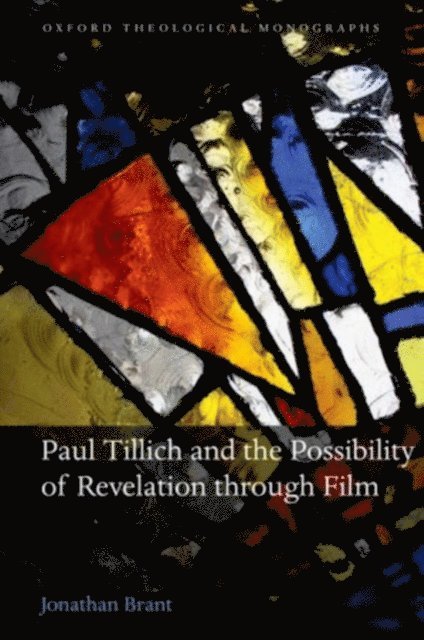
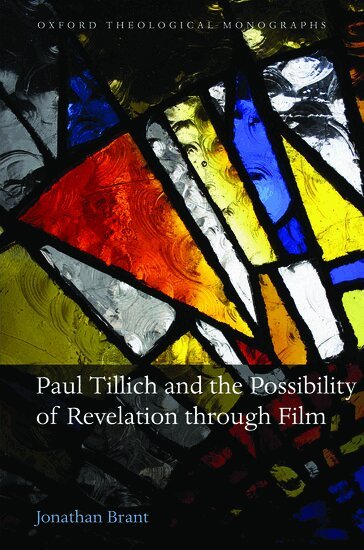
Paul Tillich and the Possibility of Revelation through Film
E-bok, 2012
1247 kr
Lägg i varukorg
Since the birth of cinema at the end of the nineteenth century religion and film have been entwined. The Jesus-story and other religious narratives were the subject matter of some of the earliest cinema productions and this relationship has continued into the present. A recent proliferation of …
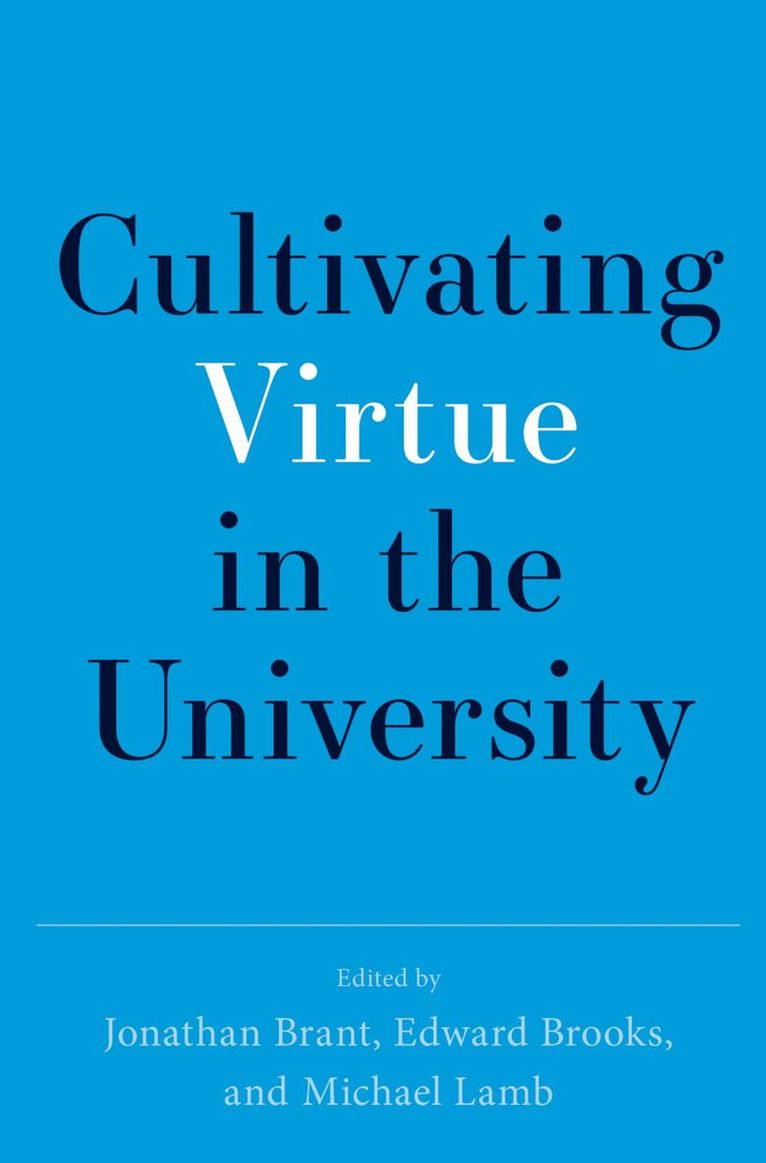
Cultivating Virtue in the University
Av Jonathan Brant, Jonathan Brant m. fl.
Inbunden, 2022
1119 kr
Lägg i varukorg
Across the globe, educators are grappling with how best to prepare a new generation to engage the challenges and opportunities of the twenty-first century. Along with knowledge and skills, many are now emphasizing the importance of character. Yet, while there has been a robust movement to educate …
Cultivating Virtue in the University
Av Michael Lamb, Edward Brooks m. fl.
E-bok, 2022
880 kr
Lägg i varukorg
Across the globe, educators are grappling with how best to prepare a new generation to engage the challenges and opportunities of the twenty-first century. Along with knowledge and skills, many are now emphasizing the importance of character. Yet, while there has been a robust movement to educate …
Cultivating Virtue in the University
Av Michael Lamb, Edward Brooks m. fl.
E-bok, 2022
880 kr
Lägg i varukorg
Across the globe, educators are grappling with how best to prepare a new generation to engage the challenges and opportunities of the twenty-first century. Along with knowledge and skills, many are now emphasizing the importance of character. Yet, while there has been a robust movement to educate …
Cultivating Virtue in the University
Av Jonathan Brant, Edward Brooks m. fl.
Häftad, 2025
384 kr
Lägg i varukorg
Across the globe, educators are grappling with how best to prepare a new generation to engage the challenges and opportunities of the twenty-first century. Along with knowledge and skills, many are now emphasizing the importance of character. Yet, while there has been a robust movement to educate …
Paul Tillich and the Possibility of Revelation through Film
Inbunden, 2012
2192 kr
Lägg i varukorg
Since the birth of cinema at the end of the nineteenth century religion and film have been entwined. The Jesus-story and other religious narratives were the subject matter of some of the earliest cinema productions and this relationship has continued into the present. A recent proliferation of …