Jonathan F. Vance – författare
Visar alla böcker från författaren Jonathan F. Vance. Handla med fri frakt och snabb leverans.
5 produkter
5 produkter
Inbunden, Engelska, 1994
1 026 kr
Skickas inom 5-8 vardagar
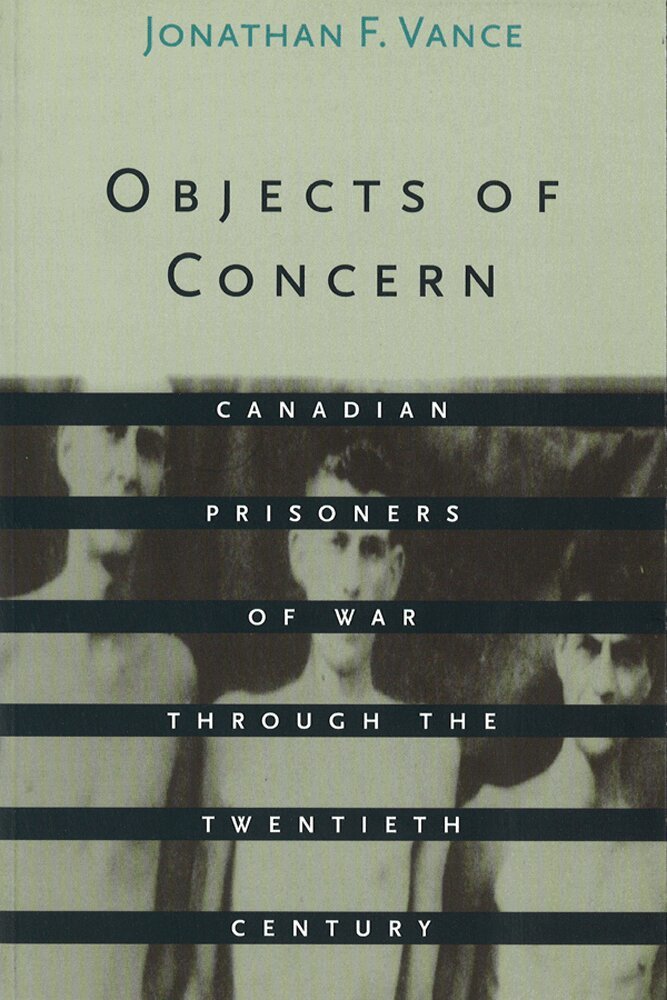
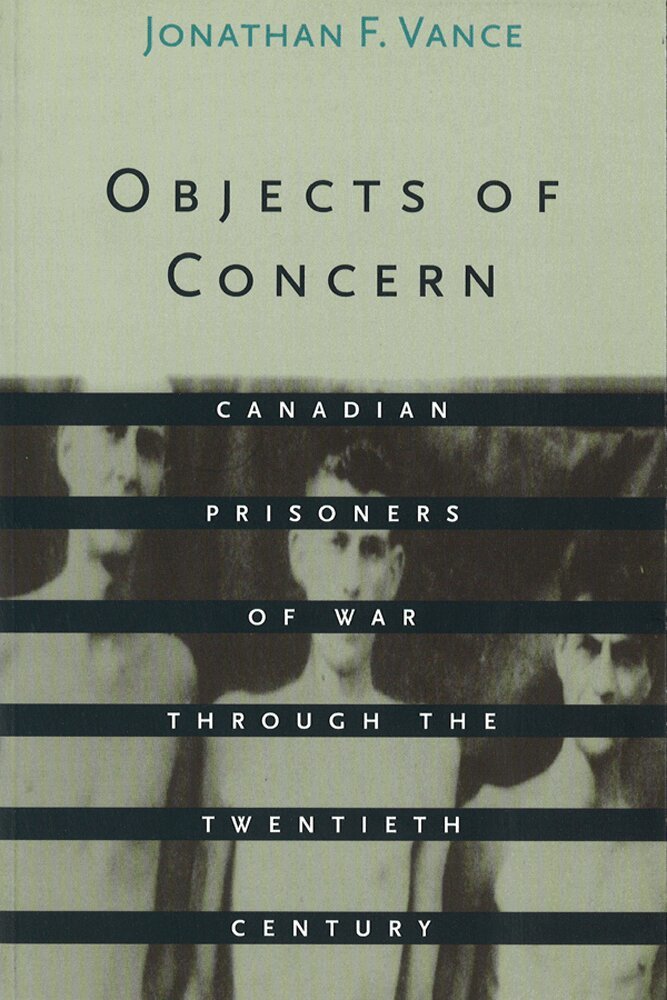
Hockey magnate Conn Smythe, Trudeau cabinet minister Gilles Lamontagne, and the composer and former conductor of the Toronto Symphony Orchestra, Sir Ernest MacMillan, share something other than their fame: they all have the dubious distinction of having been captured by the enemy during Canada's wars of the twentieth century. Like some 15,000 other Canadians, Smythe, Lamontagne, and MacMillan experienced the bewilderment that accompanied the moment of capture, the humiliation of being completely in the captor's power, and the sense of stagnating in a backwater while the rest of the world moved forward.From prison camps in Eire, where POWs were allowed to keep pets and to be members of the local tennis clubs, to camps in Japan, where prisoners were often severely beaten, systematically starved, and overworked, Canadian prisoners of war throughout the twentieth century have faced a variety of conditions and experiences. But they did not fight their war alone and isolated. On the home front, many other people attempted to help them. Against the backdrop of the POW experience, Jonathan Vance provides the first comprehensive account of how the Canadian government and non-governmental organizations such as the Red Cross have dealt with the problems of prisoners of war.Beginning in the nineteenth century, Vance traces the growth of Canadian interest in the plight of POWs. He goes on to examine the measures taken to assist Canadian POWs during the two world wars and the Korean war. The book focuses in particular on the campaigns to ship relief supplies to prison camps and on attempts to secure the prisoners' release.POWs have sometimes been seen as forgotten casualties whose privations were misunderstood during war and whose needs were neglected afterwards. This perception developed out of a tradition in POW memoirs which paid little attention to the efforts of politicians, civil servants, and individuals who devoted considerable time and energy to their cause. Vance argues that this impression is wrong and that, in fact, every effort was made to ameliorate conditions for men and women in captivity. In his book, he outlines the difficulties and confusion that arose from jurisdictional squabbling and lack of clear communication. Ironically, Vance concludes, obstacles were more often created by an overabundance of enthusiasm than by a lack of interest in the prisoners' fate. Canada's wartime bureaucracy, often praised by historians, is revealed as needlessly complex and, in many ways, hopelessly inefficient.In Objects of Concern, Jonathan Vance examines Canada's role in the formation of an important aspect of international law, traces the growth and activities of a number of national and local philanthropic agencies, and recounts the efforts of ex-prisoners to secure compensation for the long-term effects of captivity. In doing so, he reminds Canadians of an aspect of war that has often been overlooked in conventional military history.
Del 13 - New Brunswick Military Heritage Series
Bamboo Cage
The P.O.W. Diary of Flight Lieutenant Robert Wyse, 1942-1943
Häftad, Engelska, 2009
178 kr
Skickas inom 11-20 vardagar
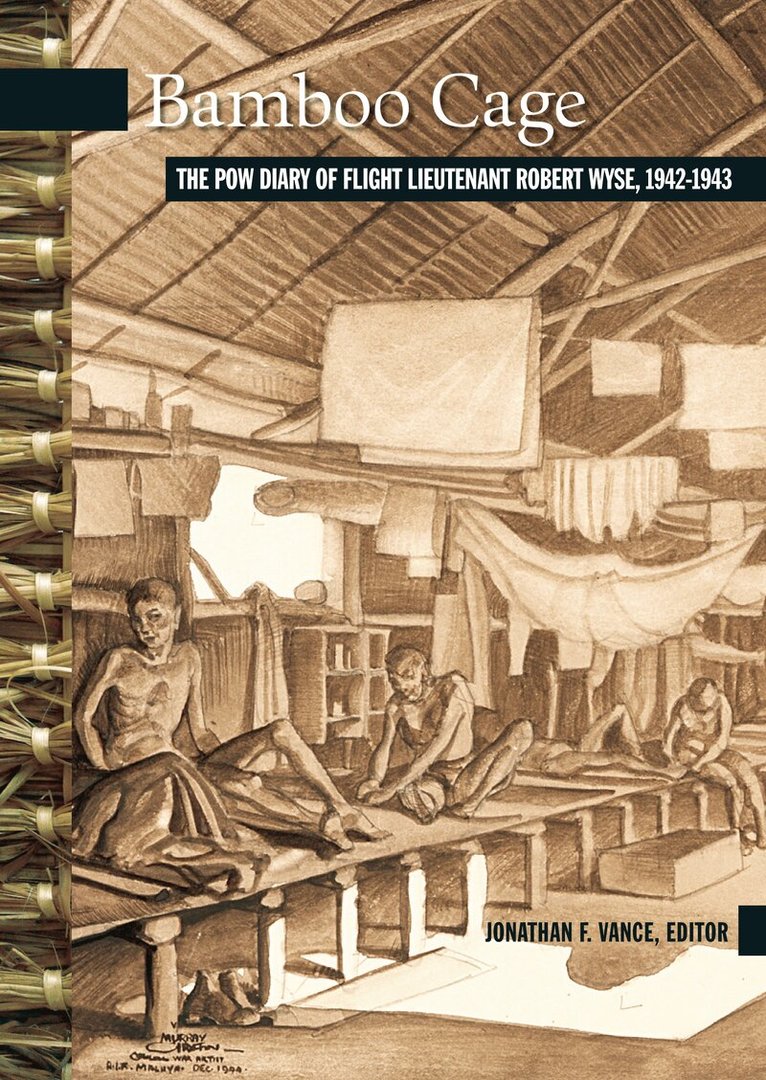
In 1942, RAF flight controller Robert Wyse became a Japanese prisoner of war on the island of Java in Indonesia. Starved, sick, beaten, and worked to near-death, he wasted away until he weighed only seventy pounds, his life hanging in tenuous balance. There were strict orders against POWs keeping diaries, but Wyse penned his observations on the scarce bits of paper he could find, struggling to describe the brutalities he witnessed. After cleverly hiding his notes in a piece of bamboo next to his bed, in December of 1943, he carefully hid his notes inside a bottle beneath his prison hut. After the war, he wrote to the Dutch authorities, asking them to dig up his diary and return it to him.In this detailed and frank portrayal of life under Japanese occupation, Wyse reveals the both the best and the worst of human nature. He criticized his fellow soldiers for botching the defence of Java and Sumatra and admonished his captors for their brutality. Yet, Wyse also describes the selfless efforts of the Dutch civilians who helped the prisoners by doing whatever they could as well as his first-hand observations of acts of self-sacrifice among the prisoners themselves.Bamboo Cage is volume 13 in the New Brunswick Military Heritage Series.
Häftad, Engelska, 2015
513 kr
Skickas inom 11-20 vardagar
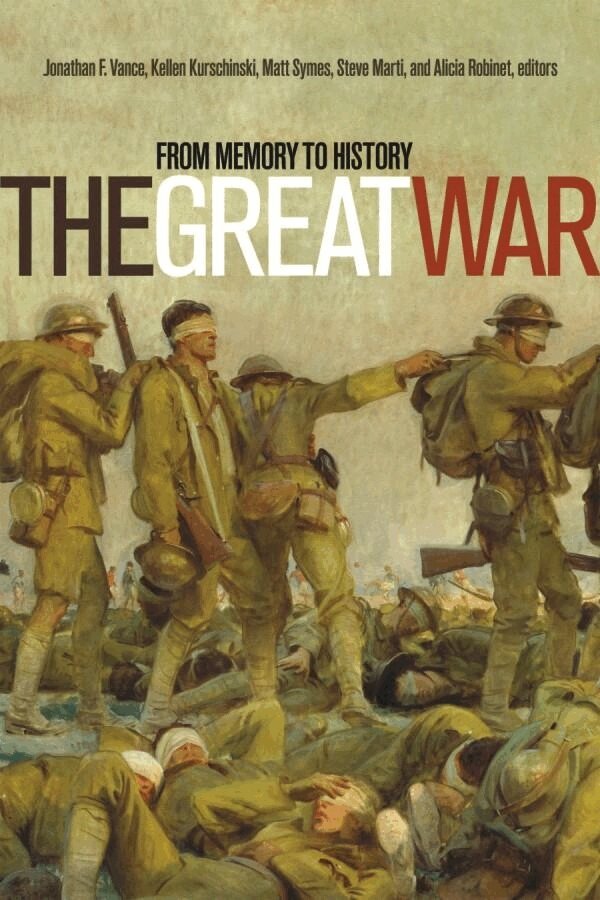
The Great War: From Memory to History offers a new look at the multiple ways the Great War has been remembered and commemorated through the twentieth century and into the twenty-first. Drawing on contributions from history, cultural studies, film, and literary studies this collection offers fresh perspectives on the Great War and its legacy at the local, national, and international levels. More importantly, it showcases exciting new research on the experiences and memories of ""forgotten"" participants who have often been ignored in dominant narratives or national histories. Contributors to this international study highlight the transnational character of memory-making in the Great War's aftermath. No single memory of the war has prevailed, but many symbols, rituals, and expressions of memory connect seemingly disparate communities and wartime experiences. With groundbreaking new research on the role of Aboriginal peoples, ethnic minorities, women, artists, historians, and writers in shaping these expressions of memory, this book will be of great interest to readers from a variety of national and academic backgrounds.
E-bok
Engelska, 2019139 kr
Läs direkt efter köp
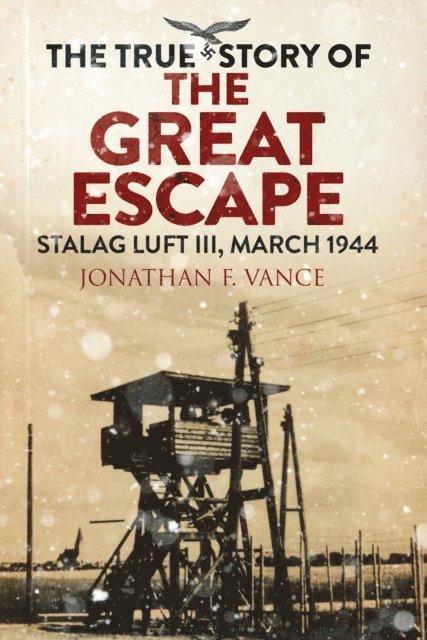
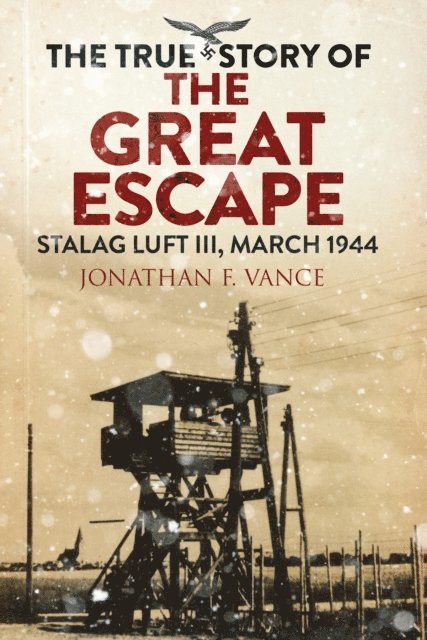
The real history behind the classic war movie and the men who plotted the daring escape from a Nazi POW camp. Between dusk and dawn on the night of March 24th–25th 1944, a small army of Allied soldiers crawled through tunnels in Germany in a covert operation the likes of which the Third Reich had never seen. The prison break from Stalag Luft III in eastern Germany was the largest of its kind in the Second World War. Seventy-nine Allied soldiers and airmen made it outside the wire—but only three made it outside Nazi Germany. Fifty were executed by the Gestapo. In this book Jonathan Vance tells the incredible story that was made famous by the 1963 film The Great Escape. It is a classic tale of prisoners and their wardens in a battle of wits and wills. The brilliantly conceived escape plan is overshadowed only by the colorful, daring (and sometimes very funny) crew who executed it—literally under the noses of German guards. From the men’s first days in Stalag Luft III and the forming of bonds among them, to the tunnel building, amazing escape, and eventual capture, Vance’s history is a vivid, compelling look at one of the greatest “exfiltration” missions of all time. “Shows the variety and depth of the men sent into harm’s way during World War II, something emphasized by the population of Stalag Luft III. Most of the Allied POWs were flyers, with all the technical, tactical and planning skills that profession requires. Such men are independent thinkers, craving open air and wide-open spaces, which meant that an obsession with escape was almost inevitable.” —John D. Gresham
E-bok
PDF, Engelska, 2019139 kr
Läs direkt efter köp
The real history behind the classic war movie and the men who plotted the daring escape from a Nazi POW camp. Between dusk and dawn on the night of March 24th 25th 1944, a small army of Allied soldiers crawled through tunnels in Germany in a covert operation the likes of which the Third Reich had never seen. The prison break from Stalag Luft III in eastern Germany was the largest of its kind in the Second World War. Seventy-nine Allied soldiers and airmen made it outside the wire but only three made it outside Nazi Germany. Fifty were executed by the Gestapo. In this book Jonathan Vance tells the incredible story that was made famous by the 1963 film The Great Escape. It is a classic tale of prisoners and their wardens in a battle of wits and wills. The brilliantly conceived escape plan is overshadowed only by the colorful, daring (and sometimes very funny) crew who executed it literally under the noses of German guards. From the men's first days in Stalag Luft III and the forming of bonds among them, to the tunnel building, amazing escape, and eventual capture, Vance's history is a vivid, compelling look at one of the greatest "e;exfiltration"e; missions of all time. "e;Shows the variety and depth of the men sent into harm's way during World War II, something emphasized by the population of Stalag Luft III. Most of the Allied POWs were flyers, with all the technical, tactical and planning skills that profession requires. Such men are independent thinkers, craving open air and wide-open spaces, which meant that an obsession with escape was almost inevitable."e; John D. Gresham