Jonathan García – författare
783 kr
Skickas inom 10-15 vardagar
621 kr
Skickas inom 10-15 vardagar
3 021 kr
Skickas inom 10-15 vardagar
1 457 kr
Skickas inom 10-15 vardagar
835 kr
Läs direkt efter köp
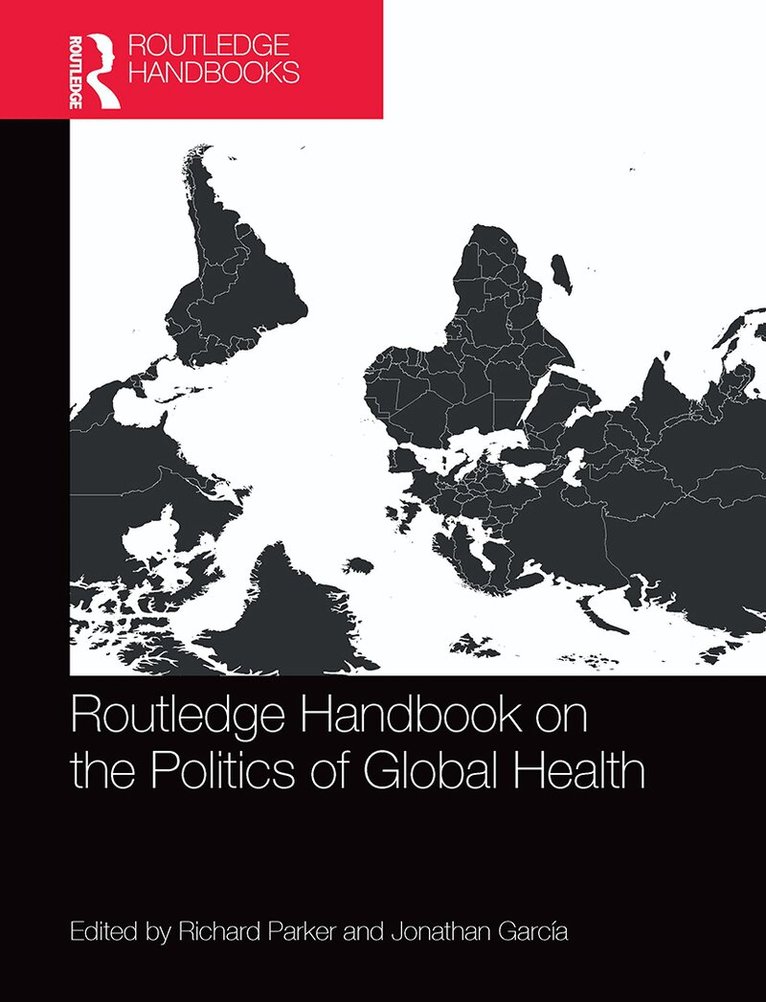
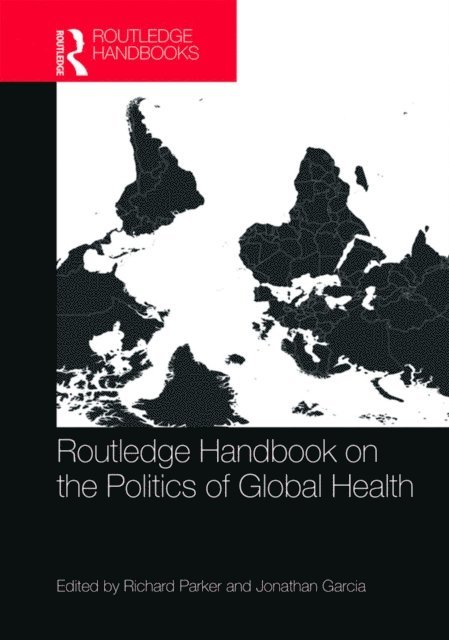
In the early twenty-first century, key public health issues and challenges have taken centre stage on the global scene, and health has been placed at the heart of our collective aspirations for human development and well-being. But significant debate exists not only about the causes, but also about the possible solutions for nearly all of the most important global health challenges.
Competing visions of the values and perspectives that should underlie global health policies have emerged, ranging from an emphasis on cost eff ectiveness and resource constraints on one extreme, to new calls for health and human rights, and renewed calls for health and social justice on the other. The role of different intergovernmental agencies, bilateral or unilateral donors, public or private institutions and initiatives, has increasingly been called into question, whilst the spread of neoliberal policies and programmes, and existing international trade regimes and intellectual property rights, are deeply implicated in relation to global health responses.
This volume critically evaluates how the global health industry has evolved and how the interests of diverse political and economic stakeholders are shaping the context of a rapidly changing institutional landscape. Bringing together leading authors from across the world, the Handbook’s eight sections explore:
• Critical perspectives on global health
• Globalisation, neoliberalism, and health systems
• The changing shape of global health governance
• Development assistance and the politics of global health
• Scale-up, scale-down, and the sustainability of global health programmes
• Intellectual property rights, trade relations, and global health
• Humanitarian emergencies and global health politics
• Human rights, social justice, and global health
The Routledge Handbook on the Politics of Global Health addresses both the emerging issues and conceptualisations of the political strategies, policy-making processes, and global governance of global health, along with expanding upon and highlighting the critical priorities in this rapidly evolving field. It provides an authoritative overview for students, practitioners, researchers, and policymakers working in or concerned with the politics of public health around the globe.
835 kr
Läs direkt efter köp
In the early twenty-first century, key public health issues and challenges have taken centre stage on the global scene, and health has been placed at the heart of our collective aspirations for human development and well-being. But significant debate exists not only about the causes, but also about the possible solutions for nearly all of the most important global health challenges.
Competing visions of the values and perspectives that should underlie global health policies have emerged, ranging from an emphasis on cost eff ectiveness and resource constraints on one extreme, to new calls for health and human rights, and renewed calls for health and social justice on the other. The role of different intergovernmental agencies, bilateral or unilateral donors, public or private institutions and initiatives, has increasingly been called into question, whilst the spread of neoliberal policies and programmes, and existing international trade regimes and intellectual property rights, are deeply implicated in relation to global health responses.
This volume critically evaluates how the global health industry has evolved and how the interests of diverse political and economic stakeholders are shaping the context of a rapidly changing institutional landscape. Bringing together leading authors from across the world, the Handbook’s eight sections explore:
• Critical perspectives on global health
• Globalisation, neoliberalism, and health systems
• The changing shape of global health governance
• Development assistance and the politics of global health
• Scale-up, scale-down, and the sustainability of global health programmes
• Intellectual property rights, trade relations, and global health
• Humanitarian emergencies and global health politics
• Human rights, social justice, and global health
The Routledge Handbook on the Politics of Global Health addresses both the emerging issues and conceptualisations of the political strategies, policy-making processes, and global governance of global health, along with expanding upon and highlighting the critical priorities in this rapidly evolving field. It provides an authoritative overview for students, practitioners, researchers, and policymakers working in or concerned with the politics of public health around the globe.
693 kr
Läs direkt efter köp
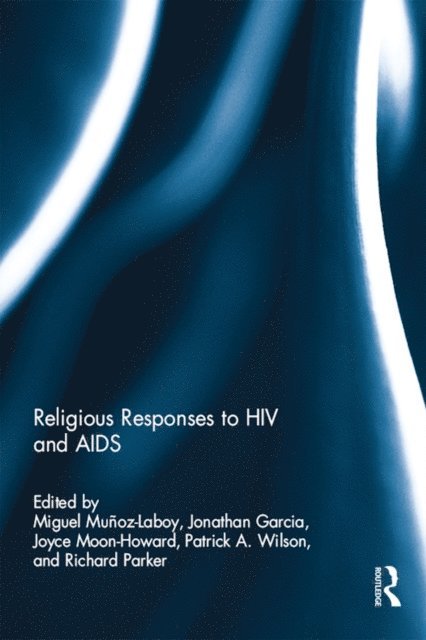
Religious institutions shaped the ways individuals, communities and societies responded to HIV and AIDS since the 1980s. This book draws on research studies ranging in context from sites in sub-Saharan Africa to New York City in the USA to examine the complexity of responding to the epidemic both globally and locally. Religious systems of meaning, practices and institutions have been central to the articulation of projects for social change and inversely sometime strongly resistant to change in diverse institutional responses to HIV and AIDS. Sometimes, religious movements provided powerful forces for community mobilisation in response to the social vulnerability, economic exclusion and health problems associated with HIV. In other contexts, religious cultures have reproduced values and practices that have seriously impeded more effective approaches to mitigate the epidemic. By highlighting these complex and sometimes contradictory social processes, this book provides new insights about the potential for religious institutions to address the HIV epidemic more effectively. More broadly, it shows how research can be done on religion in the area of global public health, showing how civil society organizations shape opportunities for health promotion: a crucial and new area of global public health research.
This book was originally published as a special issue of Global Public Health.
693 kr
Läs direkt efter köp
Religious institutions shaped the ways individuals, communities and societies responded to HIV and AIDS since the 1980s. This book draws on research studies ranging in context from sites in sub-Saharan Africa to New York City in the USA to examine the complexity of responding to the epidemic both globally and locally. Religious systems of meaning, practices and institutions have been central to the articulation of projects for social change and inversely sometime strongly resistant to change in diverse institutional responses to HIV and AIDS. Sometimes, religious movements provided powerful forces for community mobilisation in response to the social vulnerability, economic exclusion and health problems associated with HIV. In other contexts, religious cultures have reproduced values and practices that have seriously impeded more effective approaches to mitigate the epidemic. By highlighting these complex and sometimes contradictory social processes, this book provides new insights about the potential for religious institutions to address the HIV epidemic more effectively. More broadly, it shows how research can be done on religion in the area of global public health, showing how civil society organizations shape opportunities for health promotion: a crucial and new area of global public health research.
This book was originally published as a special issue of Global Public Health.