Jonathan Huener – författare
Visar alla böcker från författaren Jonathan Huener. Handla med fri frakt och snabb leverans.
15 produkter
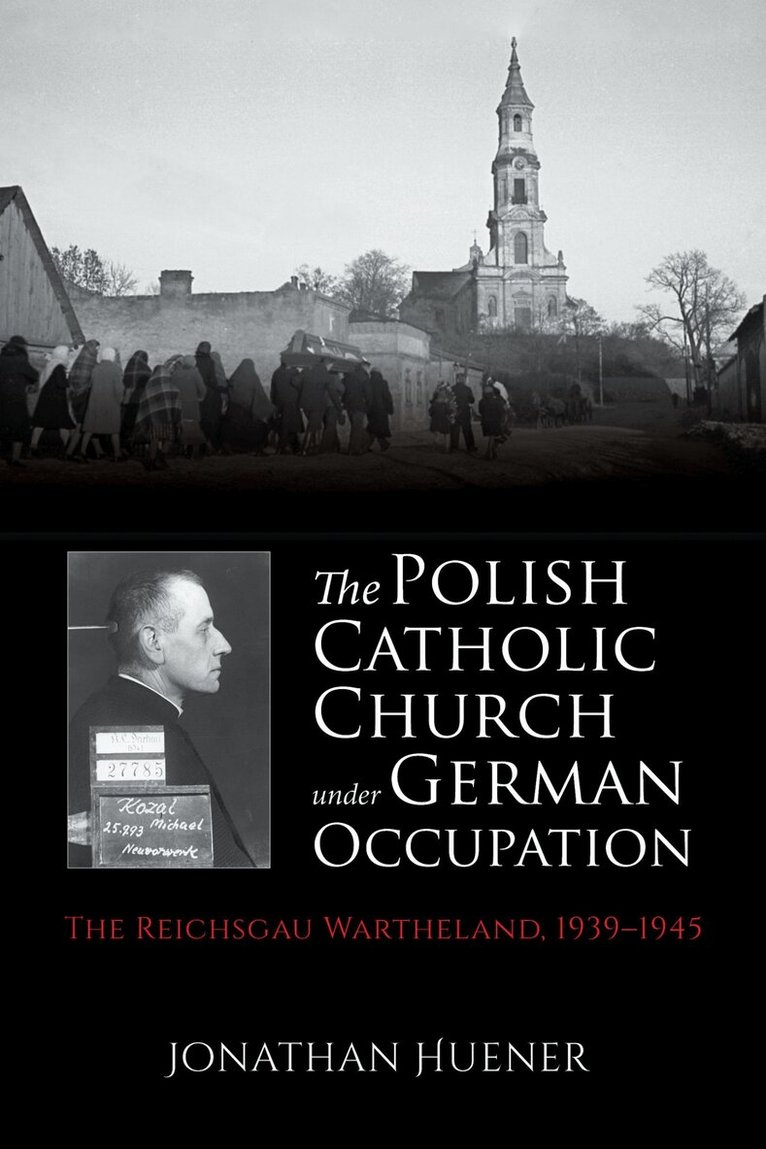
Polish Catholic Church Under German Occupation
The Reichsgau Wartheland, 1939-1945
Inbunden, 2021
1014 kr
Lägg i varukorg
When Nazi Germany invaded Poland in 1939, it aimed to destroy Polish national consciousness. As a symbol of Polish national identity and the religious faith of approximately two-thirds of Poland's population, the Roman Catholic Church was an obvious target of the Nazi regime's policies of ethnic, …
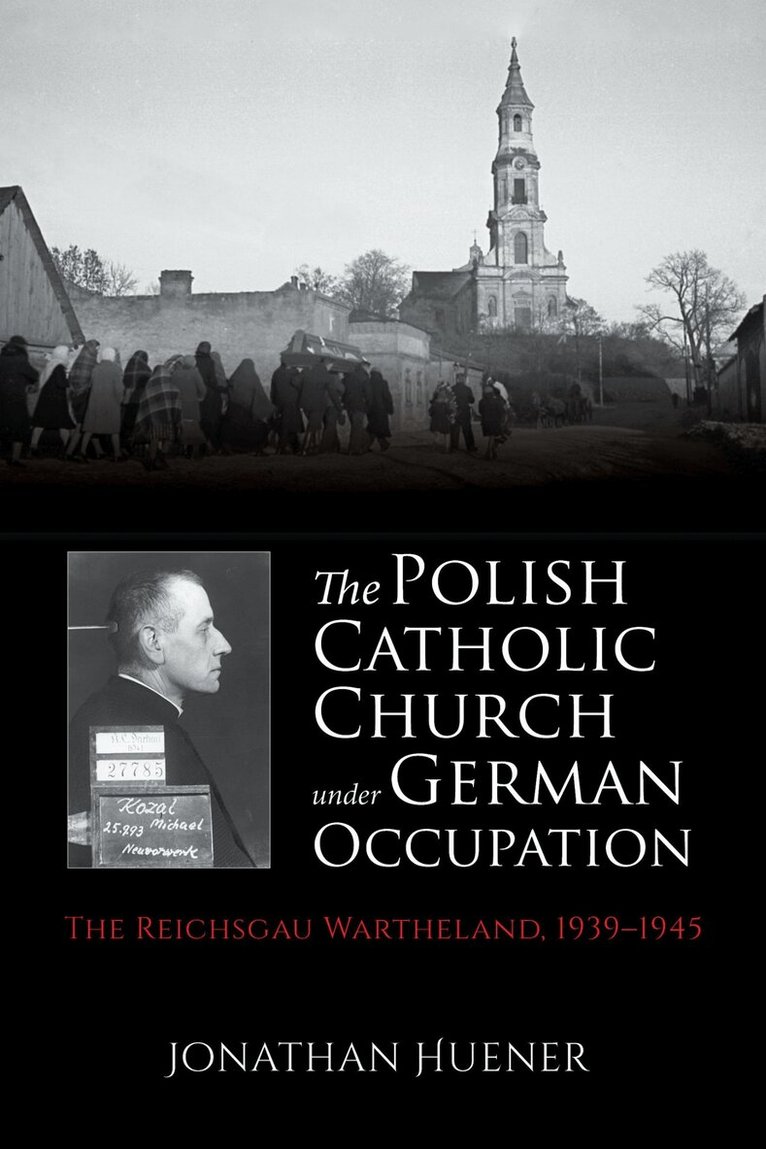
Polish Catholic Church Under German Occupation
The Reichsgau Wartheland, 1939-1945
Häftad, 2021
455 kr
Lägg i varukorg
When Nazi Germany invaded Poland in 1939, it aimed to destroy Polish national consciousness. As a symbol of Polish national identity and the religious faith of approximately two-thirds of Poland's population, the Roman Catholic Church was an obvious target of the Nazi regime's policies of ethnic, …
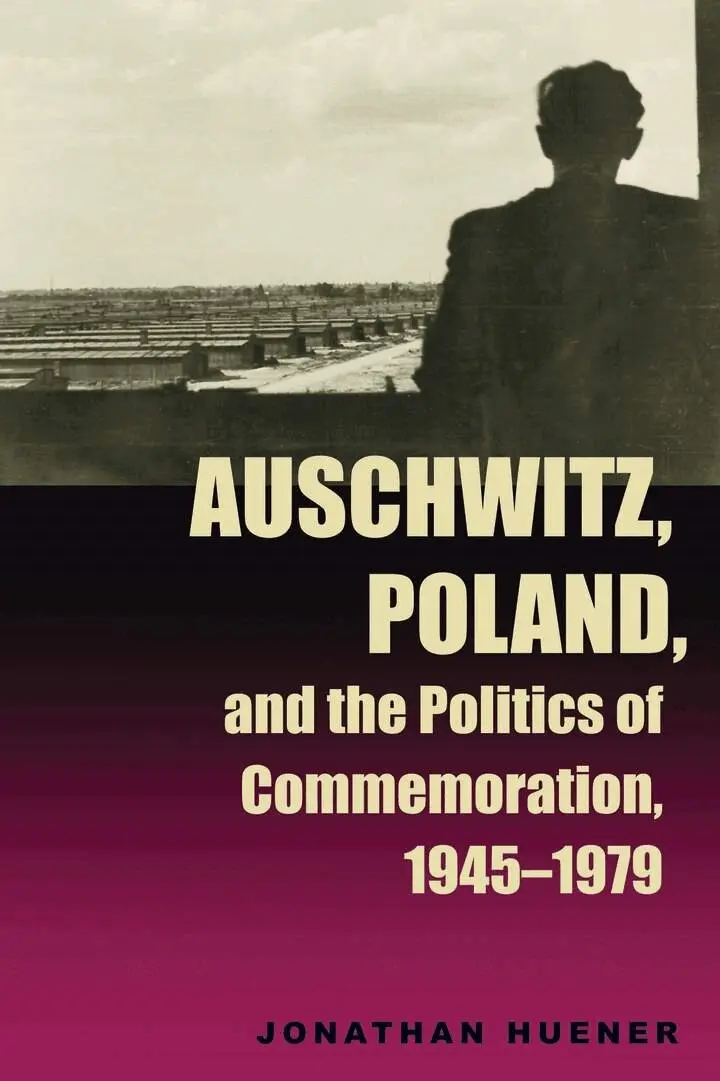
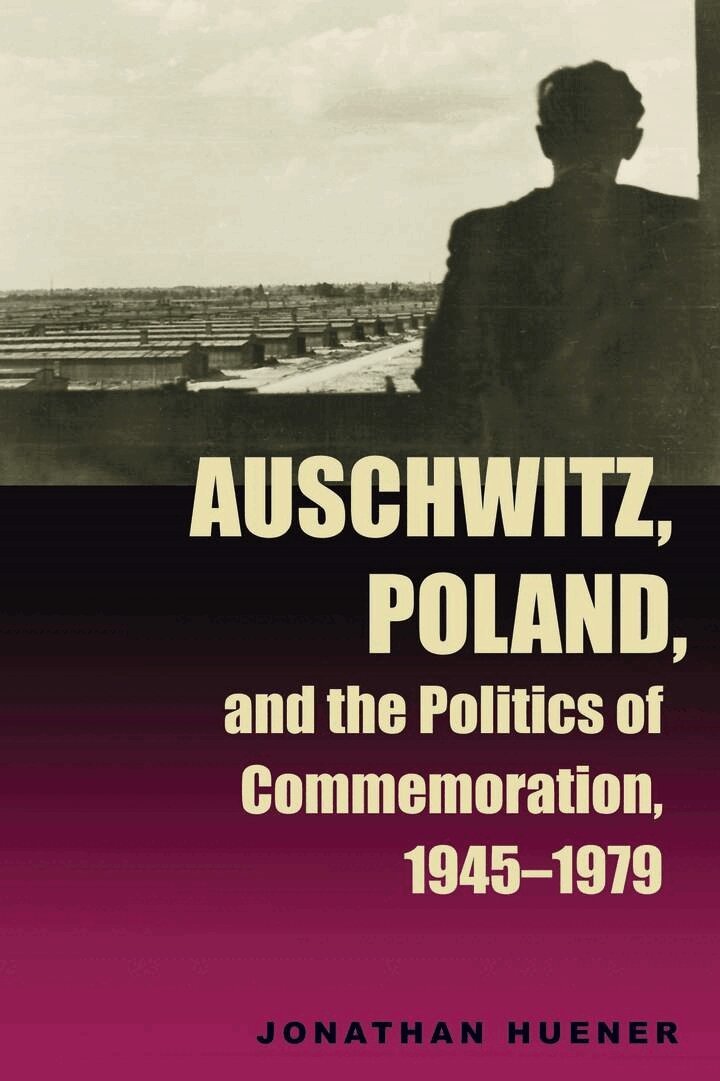
Auschwitz, Poland, and the Politics of Commemoration, 1945–1979
Häftad, 2003
372 kr
Lägg i varukorg
Few places in the world carry as heavy a burden of history as Auschwitz. Recognized and remembered as the most prominent site of Nazi crimes, Auschwitz has had tremendous symbolic weight in the postwar world.Auschwitz, Poland, and the Politics of Commemoration is a history of the Auschwitz memorial …
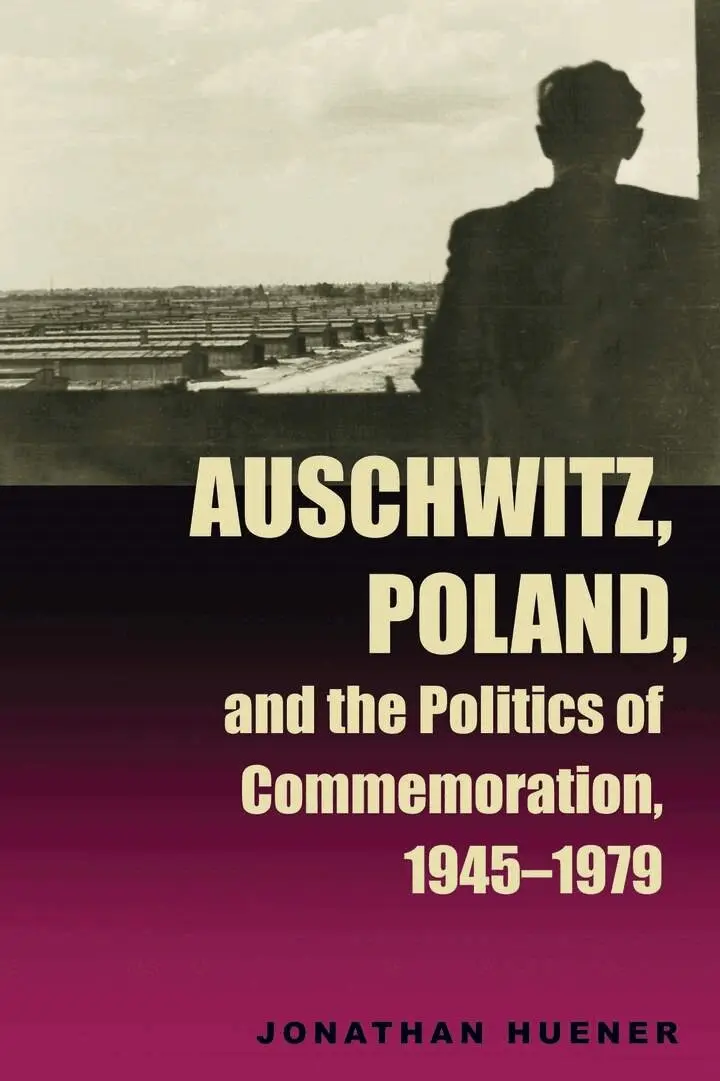
Auschwitz, Poland, and the Politics of Commemoration, 1945–1979
E-bok, 2003
575 kr
Lägg i varukorg
Few places in the world carry as heavy a burden of history as Auschwitz. Recognized and remembered as the most prominent site of Nazi crimes, Auschwitz has had tremendous symbolic weight in the postwar world.Auschwitz, Poland, and the Politics of Commemoration is a history of the Auschwitz memorial …
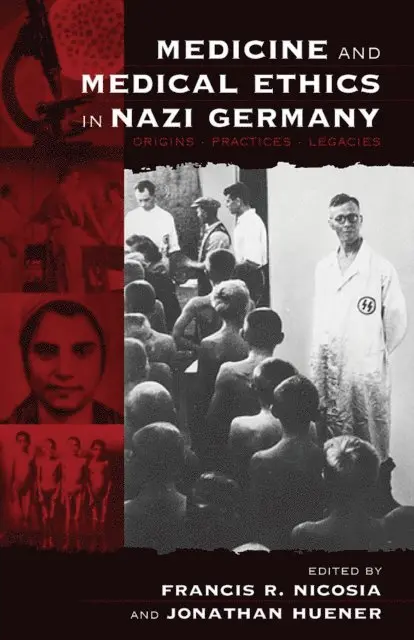
Medicine and Medical Ethics in Nazi Germany
Origins, Practices, Legacies
Av Jonathan Huener, Francis R. Nicosia
E-bok, 2002
268 kr
Lägg i varukorg
The participation of German physicians in medical experiments on innocent people and mass murder is one of the most disturbing aspects of the Nazi era and the Holocaust. Six distinguished historians working in this field are addressing the critical issues raised by these murderous experiments, such …
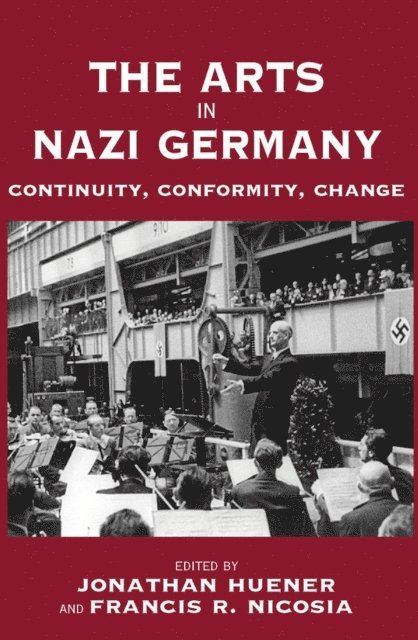
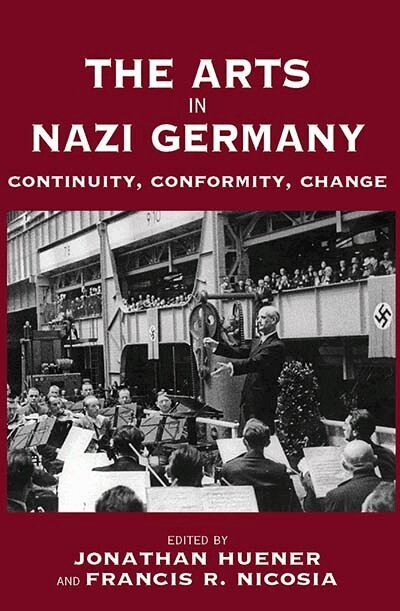
Arts in Nazi Germany
Continuity, Conformity, Change
Av Francis R. Nicosia, Jonathan Huener
E-bok, 2006
302 kr
Lägg i varukorg
Culture and the arts played a central role in the ideology and propaganda of National Socialism from the early years of the movement until the last months of the Third Reich in 1945. Hitler and his followers believed that art and culture were expressions of race, and that “Aryans” alone were …
Medicine and Medical Ethics in Nazi Germany
Origins, Practices, Legacies
Av Francis R. Nicosia, Jonathan Huener
Inbunden, 2002
1979 kr
Lägg i varukorg
The participation of German physicians in medical experiments on innocent people and mass murder is one of the most disturbing aspects of the Nazi era and the Holocaust. Six distinguished historians working in this field are addressing the critical issues raised by these murderous experiments, such …
Medicine and Medical Ethics in Nazi Germany
Origins, Practices, Legacies
Av Francis R. Nicosia, Jonathan Huener
Häftad, 2004
384 kr
Lägg i varukorg
The participation of German physicians in medical experiments on innocent people and mass murder is one of the most disturbing aspects of the Nazi era and the Holocaust. Six distinguished historians working in this field are addressing the critical issues raised by these murderous experiments, such …
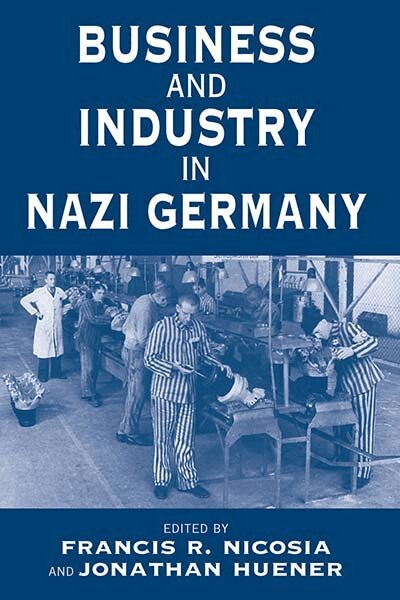
Business and Industry in Nazi Germany
Av Francis R. Nicosia, Jonathan Huener
Inbunden, 2004
1979 kr
Lägg i varukorg
During the past decade, the role of Germany's economic elites under Hitler has once again moved into the limelight of historical research and public debate. This volume brings together a group of internationally renowned scholars who have been at the forefront of recent research. Their articles …
Business and Industry in Nazi Germany
Av Francis R. Nicosia, Jonathan Huener
Häftad, 2004
467 kr
Lägg i varukorg
During the past decade, the role of Germany's economic elites under Hitler has once again moved into the limelight of historical research and public debate. This volume brings together a group of internationally renowned scholars who have been at the forefront of recent research. Their articles …
Business and Industry in Nazi Germany
Av Jonathan Huener, Francis R. Nicosia
E-bok, 2004
302 kr
Lägg i varukorg
During the past decade, the role of Germany''s economic elites under Hitler has once again moved into the limelight of historical research and public debate. This volume brings together a group of internationally renowned scholars who have been at the forefront of recent research. Their articles …
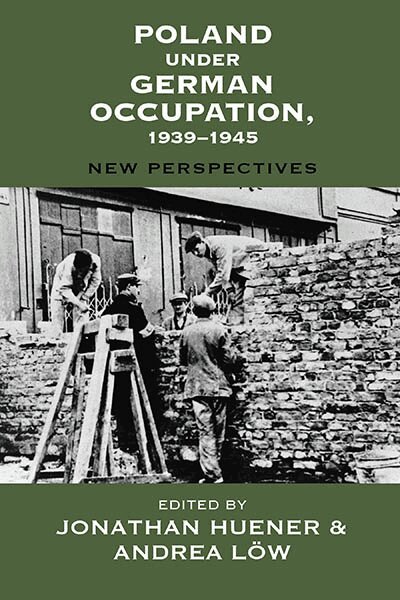
Poland Under German Occupation, 1939-1945
New Perspectives
Av Jonathan Huener, Andrea Löw
Inbunden, 2024
1979 kr
Lägg i varukorg
As a unique and innovative addition to the scholarship on Nazi Germany, the Holocaust, and modern Polish history, this volume provides fresh analysis on the Nazi occupation of Poland. Through new questions and engaging untapped sources the leading historians who have contributed to this volume …
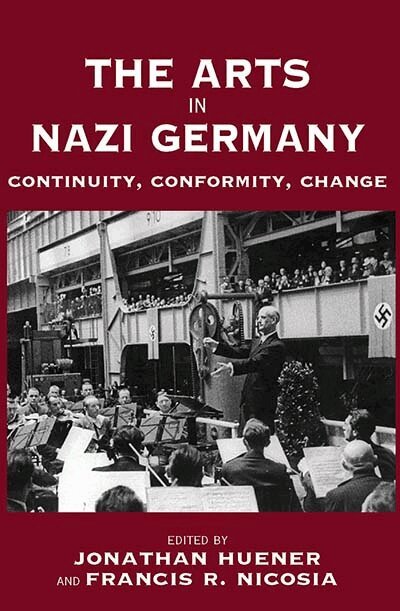
Arts in Nazi Germany
Continuity, Conformity, Change
Av Jonathan Huener, Francis R. Nicosia
Inbunden, 2006
1979 kr
Lägg i varukorg
Culture and the arts played a central role in the ideology and propaganda of National Socialism from the early years of the movement until the last months of the Third Reich in 1945. Hitler and his followers believed that art and culture were expressions of race, and that “Aryans” alone were …
Arts in Nazi Germany
Continuity, Conformity, Change
Av Jonathan Huener, Francis R. Nicosia
Häftad, 2007
467 kr
Lägg i varukorg
Culture and the arts played a central role in the ideology and propaganda of National Socialism from the early years of the movement until the last months of the Third Reich in 1945. Hitler and his followers believed that art and culture were expressions of race, and that “Aryans” alone were …
Auschwitz, Poland, and the Politics of Commemoration, 1945–1979
Inbunden, 2003
598 kr
Tillfälligt slut
Few places in the world carry as heavy a burden of history as Auschwitz. Recognized and remembered as the most prominent site of Nazi crimes, Auschwitz has had tremendous symbolic weight in the postwar world.Auschwitz, Poland, and the Politics of Commemoration is a history of the Auschwitz memorial …