Jonathan Kplorla Agbeh – författare
Visar alla böcker från författaren Jonathan Kplorla Agbeh. Handla med fri frakt och snabb leverans.
2 produkter
2 produkter
Inbunden, Engelska, 2025
448 kr
Skickas inom 3-6 vardagar
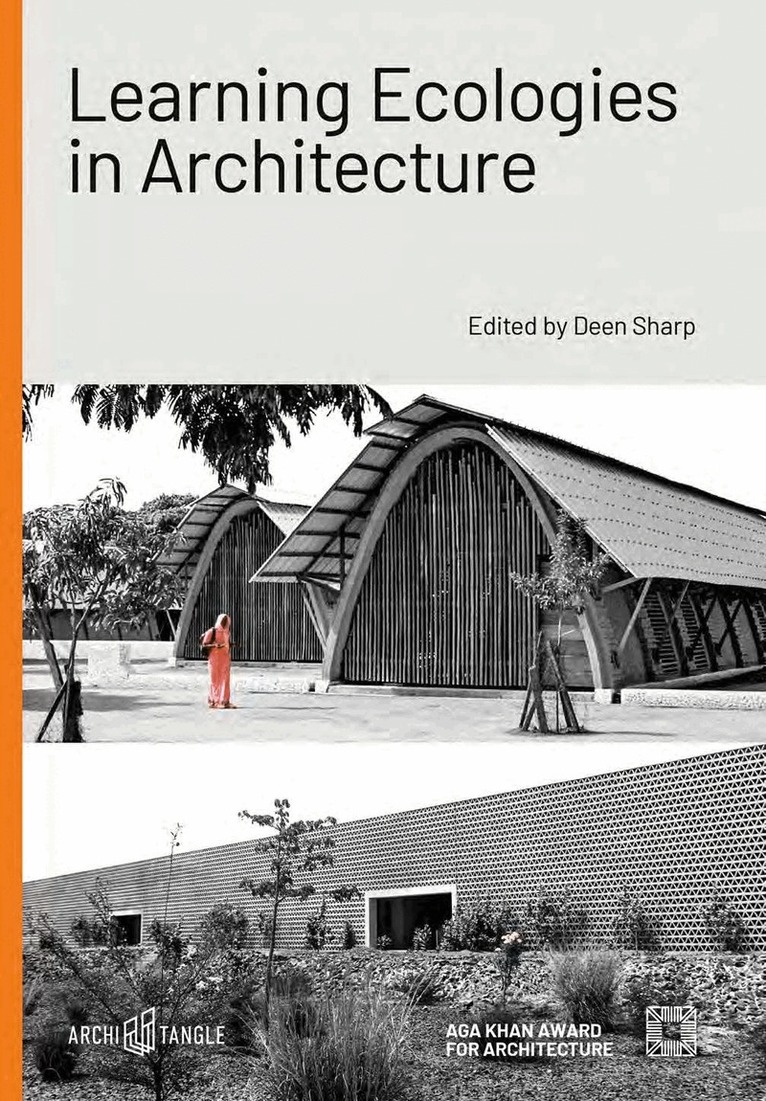
Learning Ecologies in Architecture explores how exemplary educational buildings actively shape, and are shaped by, their ecological contexts through processes of translation, research, innovation, and collaboration. These ecologies are not only environmental but encompass dynamic interactions between people, organisations, and material resources, to bring educational spaces into being. Good educational design has always extended beyond the boundaries of the building, fostering and addressing the individual learners in the classroom as well as the community and contexts that nurture them.The book is guided by two Senegalese projects that won the Aga Khan Award for Architecture (in 2019 and 2022 respectively): the Alioune Diop University Teaching and Research Unit designed by IDOM and the Kamanar Secondary School by Dawoffice. These projects exemplify architecture both as a process of civic engagement, where architects purposefully involve communities, and as an environmentally conscious and responsive endeavour, applying sustainability principles and process in resource-constrained contexts. By delving into these case studies, the book interrogates the legacy and philosophy of educational design, the critical debates and practices in relation to participatory architecture, and the intricacies of representation and materiality.The first section of the book examines the historical legacies and contexts of educational architecture, with an emphasis on Africa. It traces how the design and construction of university institutions have played a pivotal role in postcolonial nation-building and identity. This historic perspective provides a foundation for analysing contemporary efforts to further meaningful civic engagement in educational design. Several contributors critically assess the successes and limitations of civic engagement in architecture, exploring the work needed to ensure that translation, participation, and collaboration lead to meaningful change.With contributions by Jonathan Kplorla Agbeh, Christian Paul “Zigato” Agboada, Christian Benimana, Dawoffice, Katherine Dawson, Farrokh Derakhshani, Souleymane Bachir Diagne, Christian Hedrick, Anna Heringer, IDOM, Farhan Karim, Timothy Latim, Lesley Lokko, Tubi Otitooluwa, Deen Sharp, Mamadou Jean-Charles Tall, Justicia Tegyeka and Ola Uduku.
Inbunden, Franska, 2025
439 kr
Skickas inom 3-6 vardagar
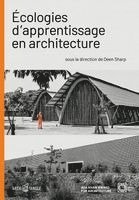
Visant à conceptualiser des futurs plus inclusifs et durables, l’ouvrage Écologies d’apprentissage en architecture examine les interactions entre éducation, architecture et écologie. Dans un contexte de crises mondiales, d’inégalités sociales et de profonds changements éducatifs, ce volume met en exergue la manière dont la conception architecturale peut rendre possible l’émergence de nouvelles formes d’apprentissage, d’habitat et de lien social. Cette série d’études rédigée sous forme d’essais, réunit un collectif d’architectes, des universitaires et éducateurs qui examinent le concept des « écologies d’apprentissage » – réseaux de relations sociales, matérielles et environnementales – qui s’étendent au-delà du cadre scolaire pour favoriser une implication communautaire plus vaste.À partir de diverses perspectives mondiales et grâce à l’analyse de deux projets au Sénégal, lauréats du Prix Aga Khan d’Architecture – l’Unité d’Enseignement et de Recherche de l’Université Alioune Diop par IDOM, et le collège Kamanar par Dawoffice – cette publication illustre la capacité de l’architecture à cultiver les liens entre l’humain, l’environnement bâti et l’écologie. Explorant des thématiques diverses, du rôle historique de l’architecture des institutions scolaires dans l’édification des nations africaines aux débats contemporains sur la participation, la représentation et la matérialité, Écologies d’apprentissage en architecture invite à repenser les bâtiments éducatifs comme des infrastructures civiques et écologiques – des espaces qui modèlent non seulement les apprenants, mais façonnent aussi l ’essence même de la société.Avec les contributions de Jonathan Kplorla Agbeh, Christian Paul “Zigato” Agboada, Christian Benimana, Dawoffice, Katherine Dawson, Farrokh Derakhshani, Souleymane Bachir Diagne, Christian Hedrick, Anna Heringer, IDOM, Farhan Karim, Timothy Latim, Lesley Lokko, Tubi Otitooluwa, Deen Sharp, Mamadou Jean-Charles Tall, Justicia Tegyeka et Ola Uduku.