Jonathan M. Bloom – författare
Visar alla böcker från författaren Jonathan M. Bloom. Handla med fri frakt och snabb leverans.
11 produkter
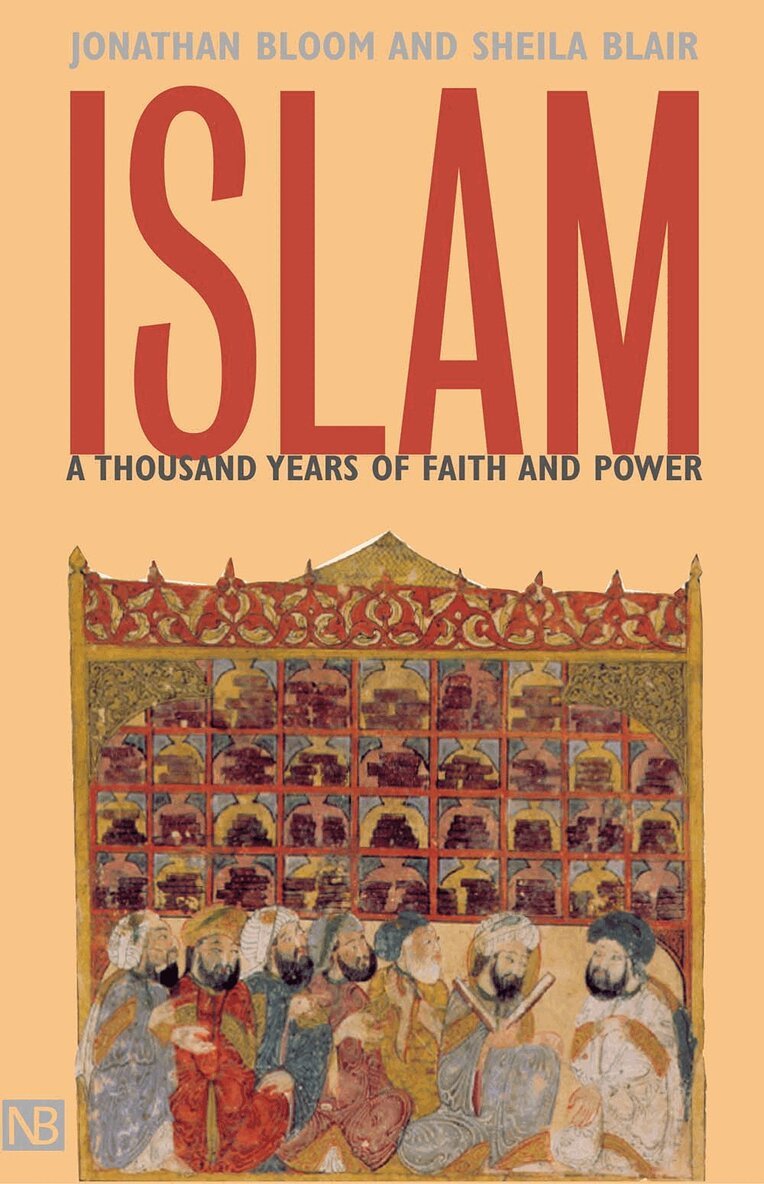
Islam
A Thousand Years of Faith and Power
Av Jonathan M. Bloom, Sheila S. Blair
Häftad, 2002
190 kr
Lägg i varukorg
In its first thousand years—from the revelations to Muhammad in the seventh century to the great Islamic empires of the sixteenth--Islamic civilization flourished. While Europeans suffered through the Dark Ages, Muslims in such cities as Jerusalem, Damascus, Alexandria, Fez, Tunis, Cairo, and …
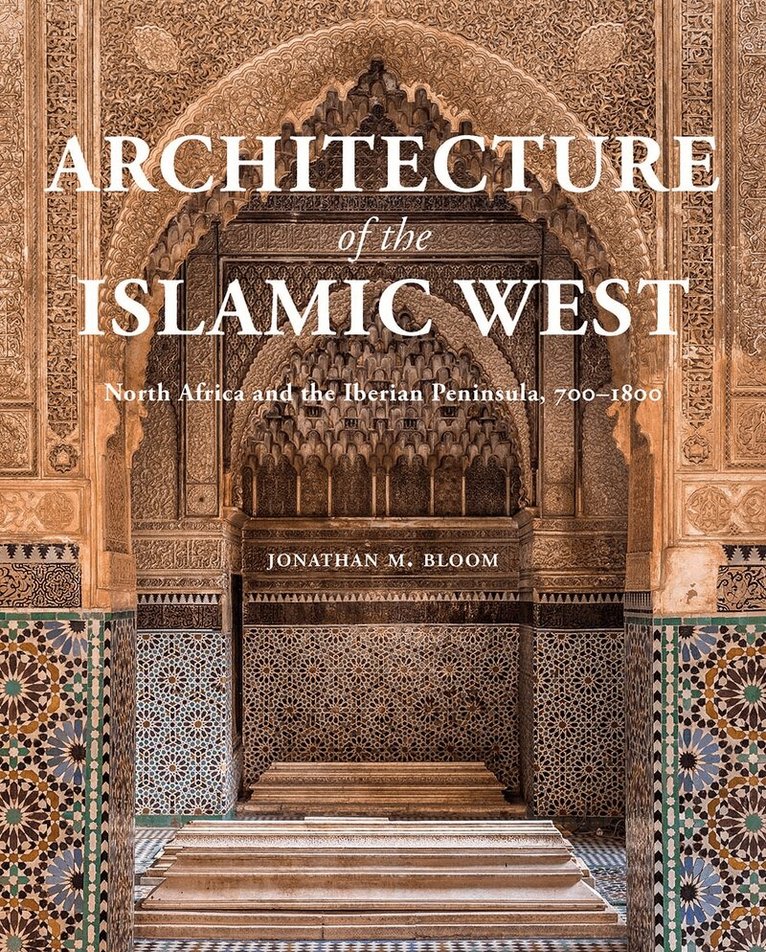
Architecture of the Islamic West
North Africa and the Iberian Peninsula, 700–1800
Inbunden, 2020
617 kr
Lägg i varukorg
An authoritative survey situating some of the Western world’s most renowned buildings within a millennium of Islamic historySome of the most outstanding examples of world architecture, such as the Mosque of Córdoba, the ceiling of the Cappella Palatina in Palermo, the Giralda tower in Seville, and …
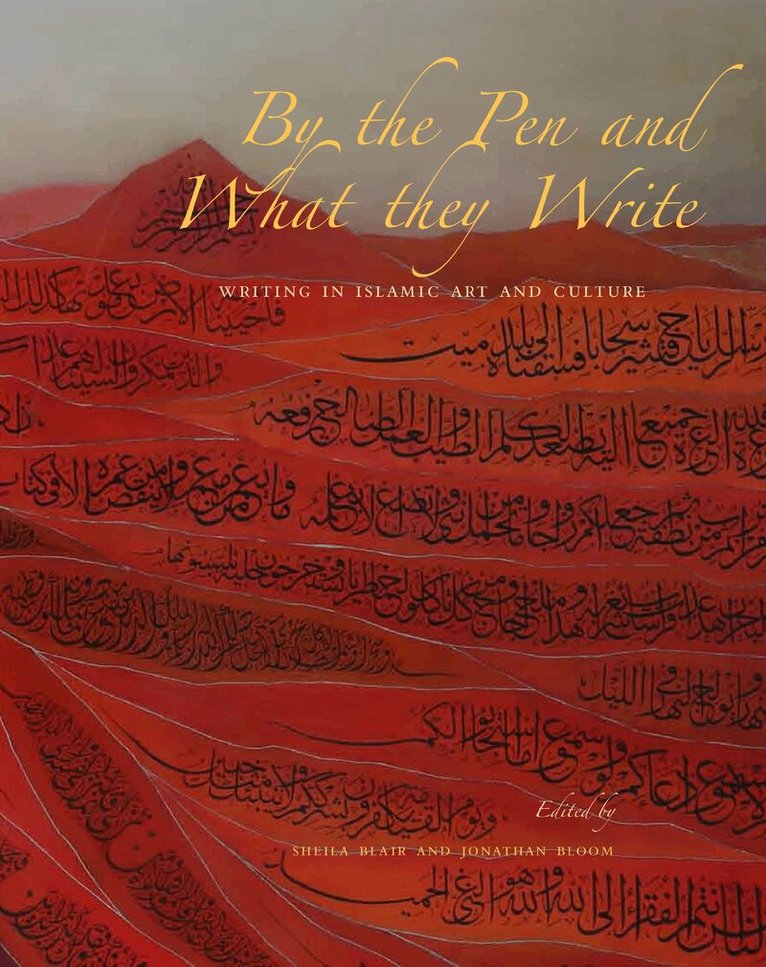
By the Pen and What They Write
Writing in Islamic Art and Culture
Av Sheila S. Blair, Jonathan M. Bloom
Inbunden, 2017
682 kr
Lägg i varukorg
Considered by Muslims as the only true art, calligraphy has played a prominent role in Islamic culture since the time of the prophet Muhammad. Exploring this central role of the written word in Islam and how writing practices have evolved and adapted in different historical contexts, this book …
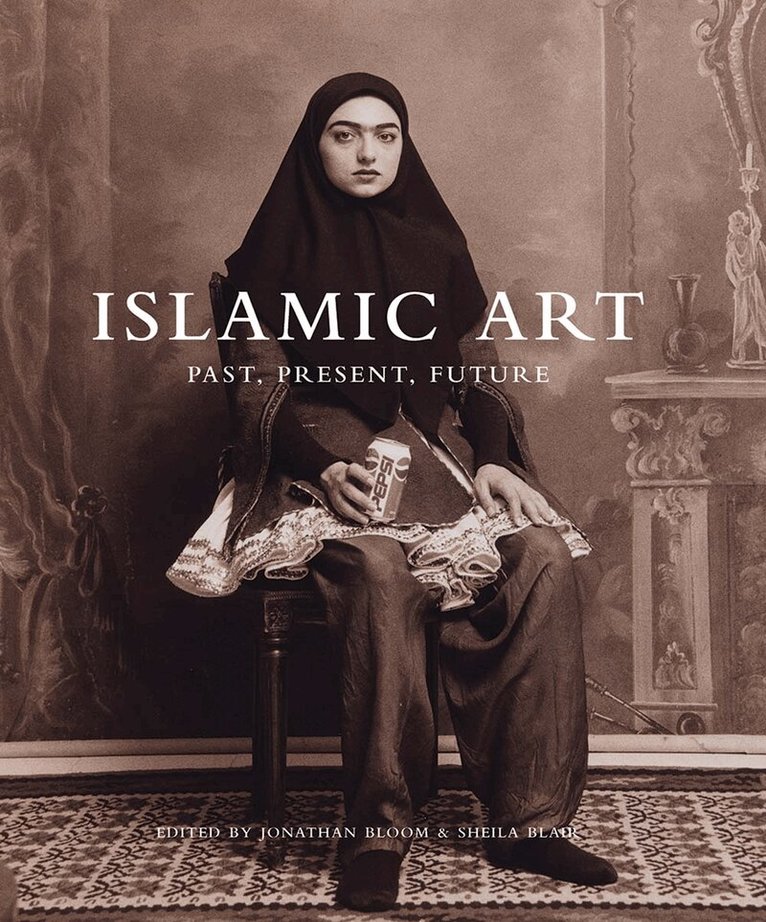
Islamic Art
Past, Present, Future
Av Jonathan M. Bloom, Sheila S. Blair
Inbunden, 2019
592 kr
Lägg i varukorg
In a world where the making and consumption of art is constantly changing, the term "Islamic art" can be hard to define. Through the exploration of a wide array of media—from painting, sculpture, and photography to video and multimedia—an internationally renowned group of scholars, collectors, …
Early Islamic Art and Architecture
Inbunden, 2002
3894 kr
Lägg i varukorg
This volume deals with the formative period of Islamic art (to c. 950), and the different approaches to studying it. Individual essays deal with architecture, ceramics, coins, textiles, and manuscripts, as well as with such broad questions as the supposed prohibition of images, and the …
Early Islamic Art and Architecture
E-bok, 2017
4547 kr
Lägg i varukorg
This volume deals with the formative period of Islamic art (to c. 950), and the different approaches to studying it. Individual essays deal with architecture, ceramics, coins, textiles, and manuscripts, as well as with such broad questions as the supposed prohibition of images, and the …
Early Islamic Art and Architecture
E-bok, 2017
4547 kr
Lägg i varukorg
This volume deals with the formative period of Islamic art (to c. 950), and the different approaches to studying it. Individual essays deal with architecture, ceramics, coins, textiles, and manuscripts, as well as with such broad questions as the supposed prohibition of images, and the …
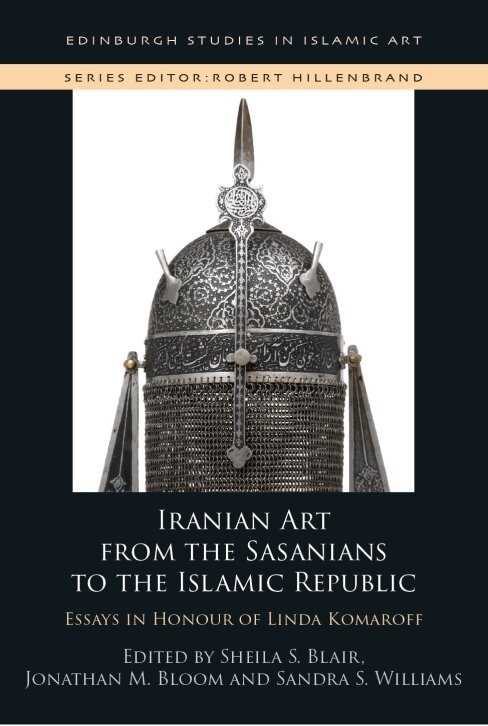
Iranian Art from the Sasanians to the Islamic Republic
Essays in Honour of Linda Komaroff
Av Sheila S. Blair, Jonathan M. Bloom m. fl.
Inbunden, 2024
1644 kr
Lägg i varukorg
Linda Komaroff, long-time curator of the Art of the Middle East at the Los Angeles County Museum of Art (LACMA), has pioneered in the study and exhibition of Islamic art to include contemporary works. Her interests have long focused on the arts of Iran. With this volume her friends and colleagues …
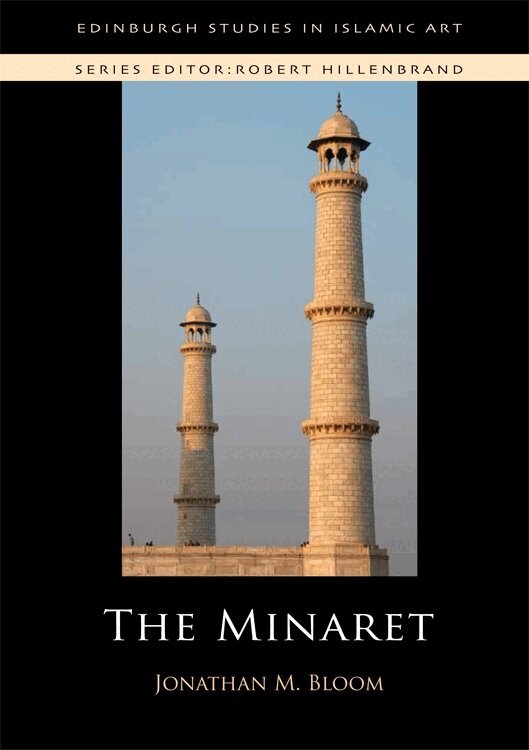
Minaret
Häftad, 2018
590 kr
Lägg i varukorg
Tracing its origins and development, Bloom reveals that the Minaret, long understood to have been invented in the early years of Islam as the place from which the muezzin gives the call to prayer, was actually invented some two centuries later to be a visible symbol of Islam. From early Islam to …
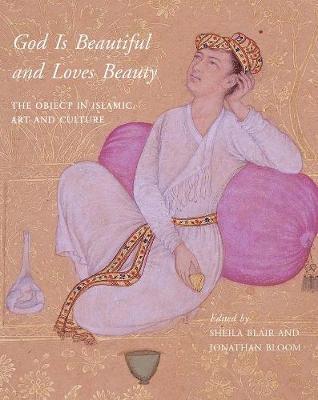
God Is Beautiful and Loves Beauty: The Object in Islamic Art and Culture
Av Sheila S. Blair, Jonathan M. Bloom
Inbunden
746 kr
Tillfälligt slut