Jonathan R. Beloff – författare
Visar alla böcker från författaren Jonathan R. Beloff. Handla med fri frakt och snabb leverans.
5 produkter
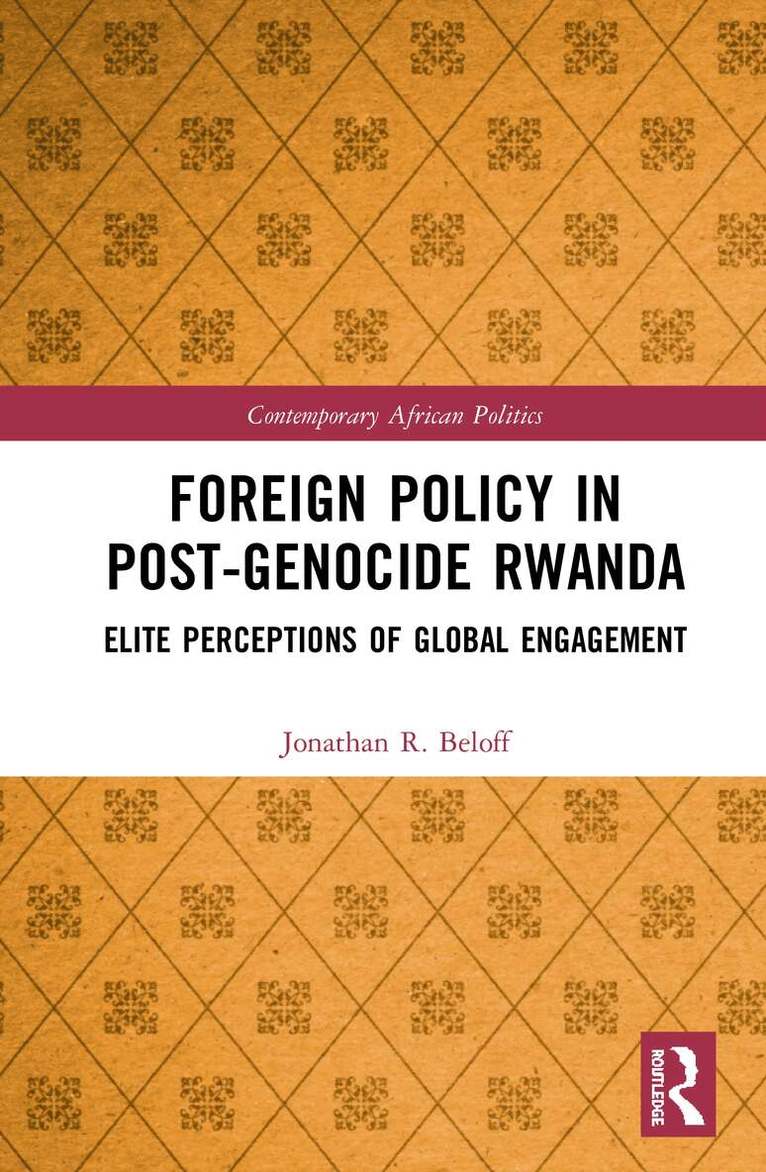
Foreign Policy in Post-Genocide Rwanda
Elite Perceptions of Global Engagement
Inbunden, 2020
2519 kr
Lägg i varukorg
This book examines how Rwandan elites within the government, private sector and civil society perceive the nation’s political and economic relationship with the international community. Using testimonies and interviews of Rwandan political, military and economic leaders, and bureaucrats, this book …
Foreign Policy in Post-Genocide Rwanda
Elite Perceptions of Global Engagement
Häftad, 2023
693 kr
Lägg i varukorg
This book examines how Rwandan elites within the government, private sector and civil society perceive the nation’s political and economic relationship with the international community. Using testimonies and interviews of Rwandan political, military and economic leaders, and bureaucrats, this book …
Foreign Policy in Post-Genocide Rwanda
Elite Perceptions of Global Engagement
E-bok, 2020
796 kr
Lägg i varukorg
This book examines how Rwandan elites within the government, private sector and civil society perceive the nation’s political and economic relationship with the international community. Using testimonies and interviews of Rwandan political, military and economic leaders, and bureaucrats, this book …
Foreign Policy in Post-Genocide Rwanda
Elite Perceptions of Global Engagement
E-bok, 2020
814 kr
Lägg i varukorg
This book examines how Rwandan elites within the government, private sector and civil society perceive the nation’s political and economic relationship with the international community. Using testimonies and interviews of Rwandan political, military and economic leaders, and bureaucrats, this book …
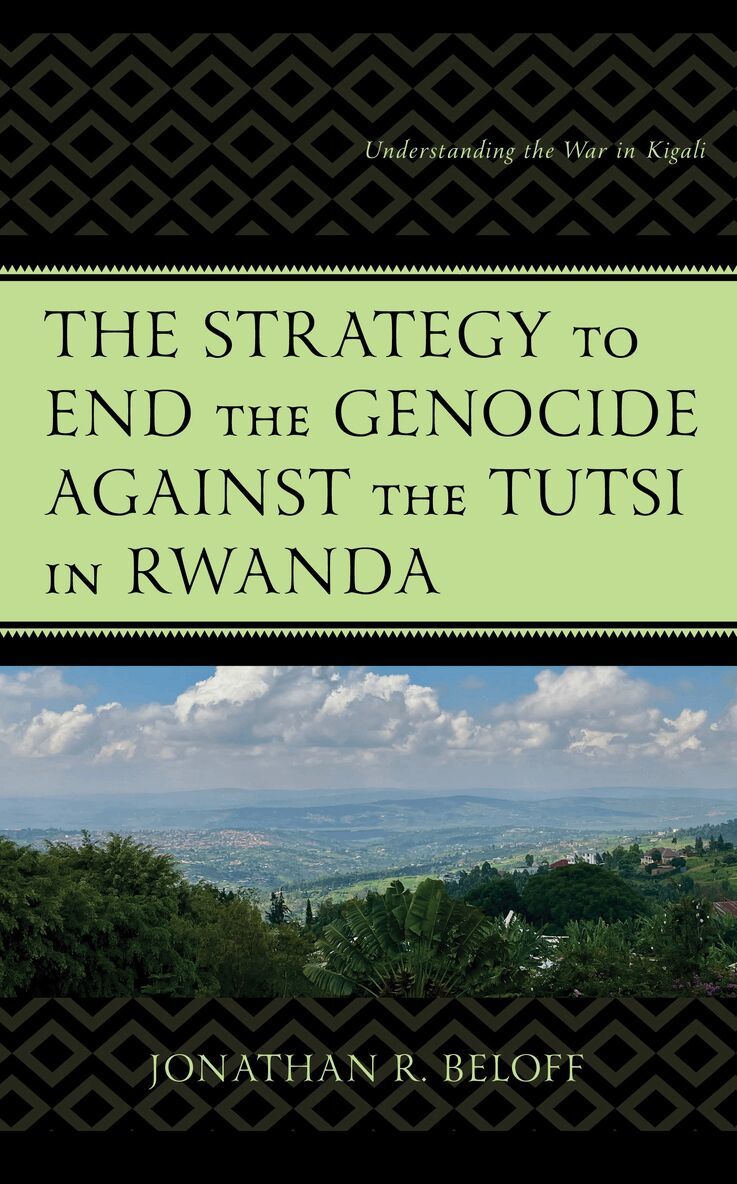
Strategy to End the Genocide against the Tutsi in Rwanda
Understanding the War in Kigali
Inbunden, 2025
1310 kr
Lägg i varukorg
The Genocide against the Tutsi witnessed the deaths of close to a million Tutsis and non-extremist Hutus within a one-hundred-day period. While the genocide is extensively researched, the war that led to its conclusion is relatively unexplored. The Strategy to End the Genocide against the Tutsi in …