Jonathan S. Zager - Böcker
Visar alla böcker från författaren Jonathan S. Zager. Handla med fri frakt och snabb leverans.
6 produkter
6 produkter
850 kr
Skickas inom 5-8 vardagar
Melanoma is a concise handbook that identifies best-practice guidelines and presents the most current procedures for the diagnosis and management of melanoma in a succinct and easy-to-read manner. Chapters cover melanoma pathology, biopsy techniques, staging and risk stratification, surgical treatment of localized melanoma, immunotherapy, radiation therapy, and guidelines for resected melanoma, targeted therapy, cytotoxic chemotherapy, and management of brain metastases, mucosal and ocular melanoma, and pediatric melanoma patients. This handbook is a must-have tool for clinicians directly involved in the care of patients with melanoma, including surgical oncologists, medical oncologists, and radiation oncologists.
Del 2 - Molecular Medicine And Medicinal Chemistry
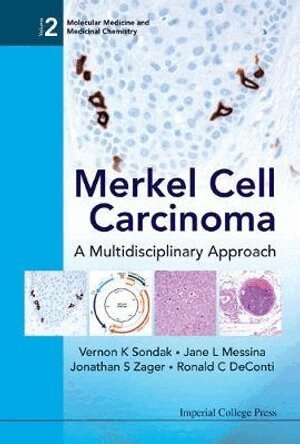
Merkel Cell Carcinoma: A Multidisciplinary Approach
Inbunden, Engelska, 2010
1 690 kr
Skickas inom 5-8 vardagar
Merkel cell carcinoma is an uncommon but not rare aggressive cutaneous malignancy. It has many similarities to melanoma, particularly in the need for aggressive multidisciplinary treatment, but far less is known about this disease by most practicing physicians. This book summarizes all of the existing knowledge about Merkel cell carcinoma and provides a much-needed perspective on future opportunities for diagnostic and therapeutic advances. It offers practical “how to” advice on diagnosis, treatment and follow-up, and also insight into how to establish a multidisciplinary Merkel cell carcinoma clinic. In addition, it will serve as a unique resource for trainees (medical students, residents and fellows) as well as for Merkel cell carcinoma patients and their advocates and caregivers. There is currently no such textbook, even an outdated one, covering this topic.
1 094 kr
Skickas inom 10-15 vardagar
This book is a state-of-the-art overview of cancer regional therapy (CRT) for the surgeons and interventional radiologists active in CRT development and research. The goals of this book are 1) to review the theory and practice of cancer regional therapies including pharmacology, devices, techniques, and workflow, 2) illustrate the most common procedures performed in the interventional and operating rooms, and 3) discuss data supporting use of CRT. This is meant to be a definitive text on the theory and practice of CRT. It begins with a summary of the history, technical principles that underlie regional therapy. The following parts discuss current data and practice in peritoneal, liver, limb, pleural and other sites. Included in the practice are considerations of workflow and financial issues revolving around CRT. Novel techniques and therapies under investigation are presented to inform the direction of the field. Cancer Regional Therapy summarizes the history, current technology, common procedures, and future prospects in this field and includes procedures from many surgical and interventional radiologic disciplines.
985 kr
Skickas inom 10-15 vardagar
This book is a state-of-the-art overview of cancer regional therapy (CRT) for the surgeons and interventional radiologists active in CRT development and research.
1 745 kr
Skickas inom 10-15 vardagar
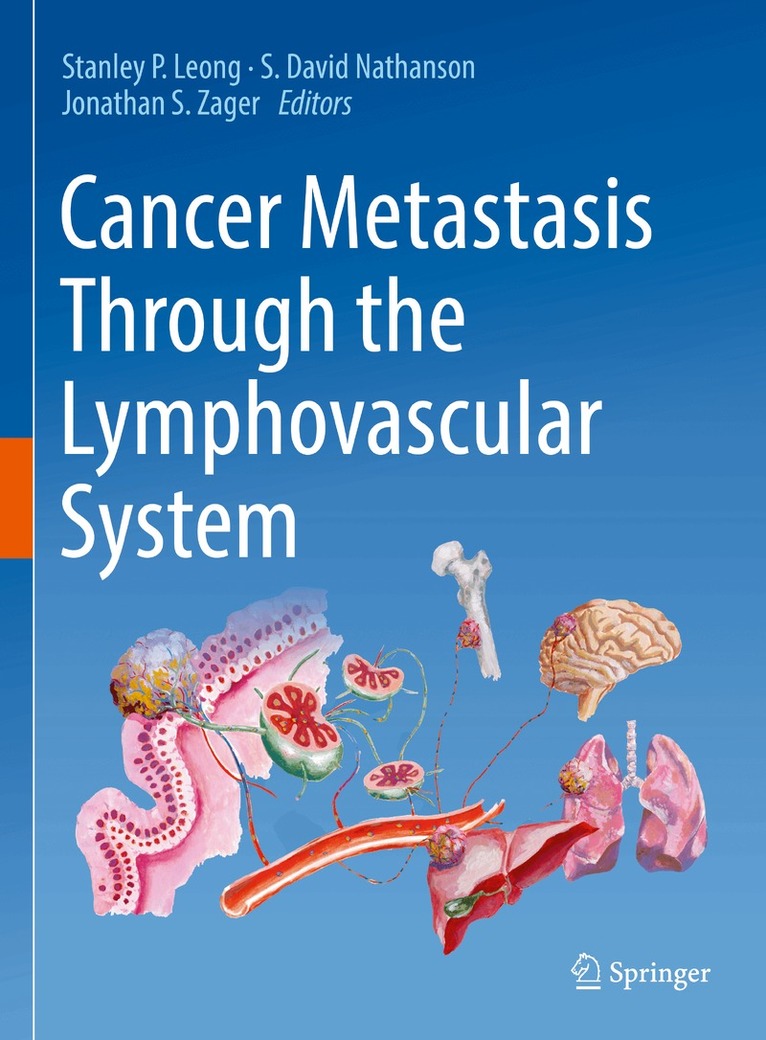
This textbook describes in detail the process of cancer metastasis from a single cell in the primary site through its arduous journey to the sentinel lymph node as the main gateway and beyond to distant sites. The most up-to-date knowledge on key topics in the molecular biology, diagnosis, and treatment of metastatic cancer is highlighted by a large panel of experts. The book begins with a comprehensive overview of the genetic and molecular mechanisms that promote or inhibit cancer metastasis through lymphatic pathways to lymph nodes or through vascular pathways to distant sites, providing the reader with an essential basic knowledge. This is followed by further details on the role of the immune system within the primary tumor and the lymph node and the importance of the microenvironment at the metastatic site. The role of the sentinel lymph node in cancer metastasis is emphasized. Special attention is also given to state-of-the-art imaging techniques for the detection of early-stage cancer and cancer metastases, as well as the use of liquid biopsies in sarcoma, prostate, gastrointestinal, and lung cancer. Clinical patterns of malignant tumors arising in different organ systems are compared, described, and discussed with the goal of determining what similarities and/or differences exist. The book concludes with a detailed discussion of surgical intervention, radiation, and systemic therapy of primary and metastatic cancer, and briefly previews several emerging topics, such as the latest findings on personalized cancer therapy, cancer stem cells, unique molecular mechanisms of virus-induced cancer, the impact of the microbiome on cancer metastasis and the application of artificial intelligence in cancer metastasis research. By providing fundamental knowledge of the biological and clinical aspects of cancer metastasis, this book will be an important reference for cancer researchers, clinical oncologists, teachers, and students. Written by experts in the field, each chapter includes a summary of the chapter's key points and open-ended questions that address pressing issues in the field and encourage the reader to consider future directions.
1 257 kr
Skickas inom 10-15 vardagar
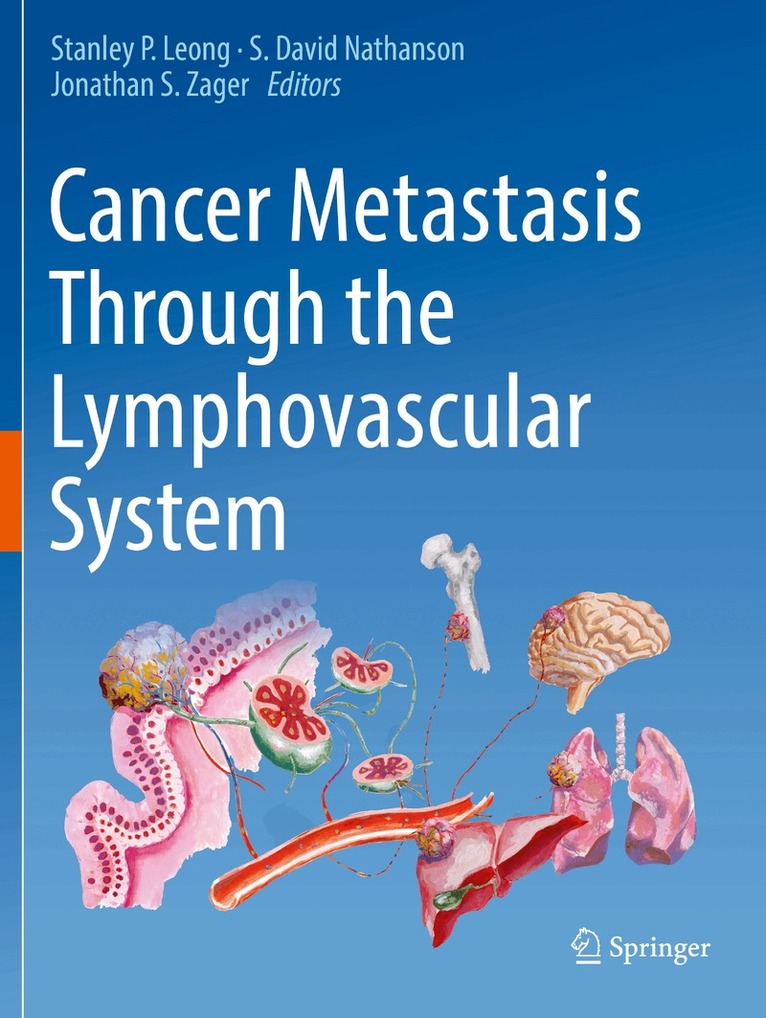
This textbook describes in detail the process of cancer metastasis from a single cell in the primary site through its arduous journey to the sentinel lymph node as the main gateway and beyond to distant sites. The most up-to-date knowledge on key topics in the molecular biology, diagnosis, and treatment of metastatic cancer is highlighted by a large panel of experts. The book begins with a comprehensive overview of the genetic and molecular mechanisms that promote or inhibit cancer metastasis through lymphatic pathways to lymph nodes or through vascular pathways to distant sites, providing the reader with an essential basic knowledge. This is followed by further details on the role of the immune system within the primary tumor and the lymph node and the importance of the microenvironment at the metastatic site. The role of the sentinel lymph node in cancer metastasis is emphasized. Special attention is also given to state-of-the-art imaging techniques for the detection of early-stage cancer and cancer metastases, as well as the use of liquid biopsies in sarcoma, prostate, gastrointestinal, and lung cancer. Clinical patterns of malignant tumors arising in different organ systems are compared, described, and discussed with the goal of determining what similarities and/or differences exist. The book concludes with a detailed discussion of surgical intervention, radiation, and systemic therapy of primary and metastatic cancer, and briefly previews several emerging topics, such as the latest findings on personalized cancer therapy, cancer stem cells, unique molecular mechanisms of virus-induced cancer, the impact of the microbiome on cancer metastasis and the application of artificial intelligence in cancer metastasis research. By providing fundamental knowledge of the biological and clinical aspects of cancer metastasis, this book will be an important reference for cancer researchers, clinical oncologists, teachers, and students. Written by experts in the field, each chapter includes a summary of the chapter's key points and open-ended questions that address pressing issues in the field and encourage the reader to consider future directions.