Jonathan Wilcox – författare
Visar alla böcker från författaren Jonathan Wilcox. Handla med fri frakt och snabb leverans.
10 produkter
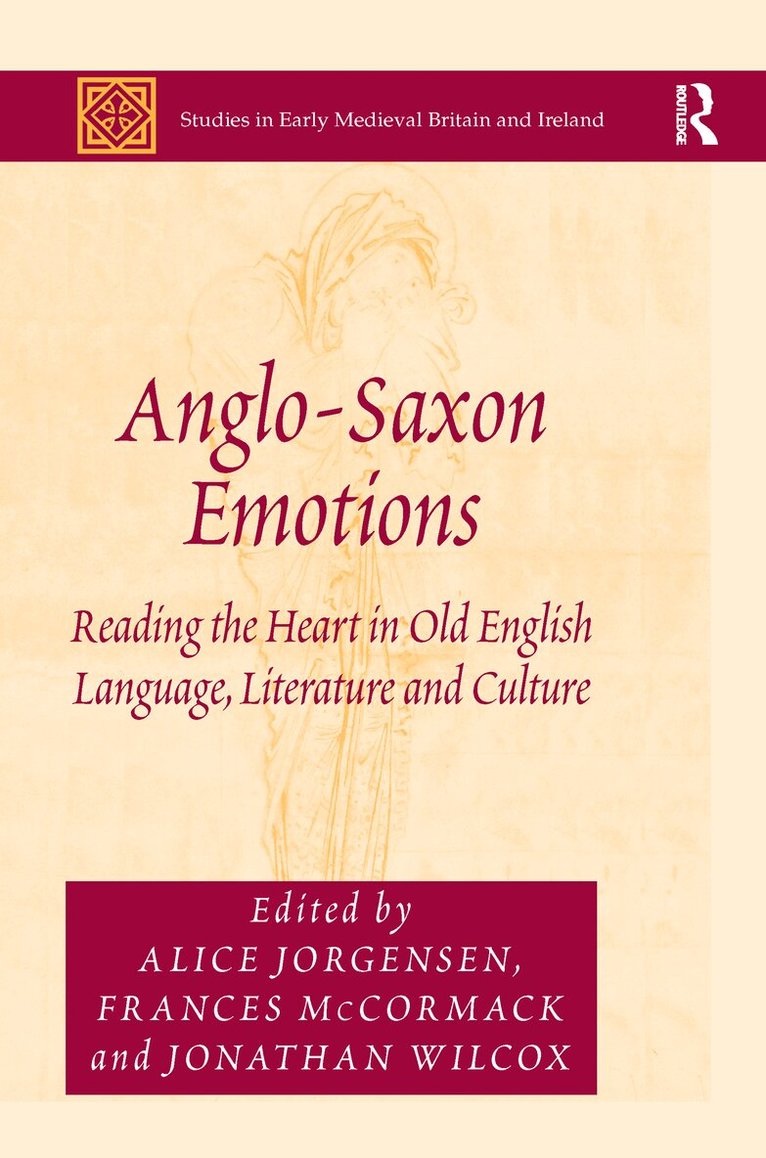
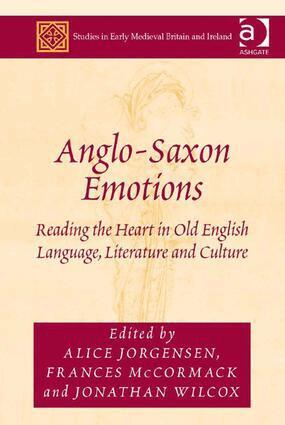
Anglo-Saxon Emotions
Reading the Heart in Old English Language, Literature and Culture
Av Alice Jorgensen, Frances McCormack m. fl.
Häftad, 2019
809 kr
Lägg i varukorg
Research into the emotions is beginning to gain momentum in Anglo-Saxon studies. In order to integrate early medieval Britain into the wider scholarly research into the history of emotions (a major theme in other fields and a key field in interdisciplinary studies), this volume brings together …
Humour in Anglo-Saxon Literature
Inbunden, 2000
1428 kr
Lägg i varukorg
Essays lay the groundwork for a theory of humour in Old English literature.Humour is rarely seen to raise its indecorous head in the surviving corpus of Old English literature, yet the value of reading that literature with an eye to humour proves considerable when the right questions are asked. …
Anglo-Saxon Emotions
Reading the Heart in Old English Language, Literature and Culture
Av Jonathan Wilcox, Frances McCormack m. fl.
E-bok, 2016
956 kr
Lägg i varukorg
Research into the emotions is beginning to gain momentum in Anglo-Saxon studies. In order to integrate early medieval Britain into the wider scholarly research into the history of emotions (a major theme in other fields and a key field in interdisciplinary studies), this volume brings together …
Anglo-Saxon Emotions
Reading the Heart in Old English Language, Literature and Culture
Av Jonathan Wilcox, Frances McCormack m. fl.
E-bok, 2016
956 kr
Lägg i varukorg
Research into the emotions is beginning to gain momentum in Anglo-Saxon studies. In order to integrate early medieval Britain into the wider scholarly research into the history of emotions (a major theme in other fields and a key field in interdisciplinary studies), this volume brings together …
Anglo-Saxon Emotions
Reading the Heart in Old English Language, Literature and Culture
Av Alice Jorgensen, Frances McCormack m. fl.
Inbunden, 2015
2879 kr
Lägg i varukorg
Research into the emotions is beginning to gain momentum in Anglo-Saxon studies. In order to integrate early medieval Britain into the wider scholarly research into the history of emotions (a major theme in other fields and a key field in interdisciplinary studies), this volume brings together …
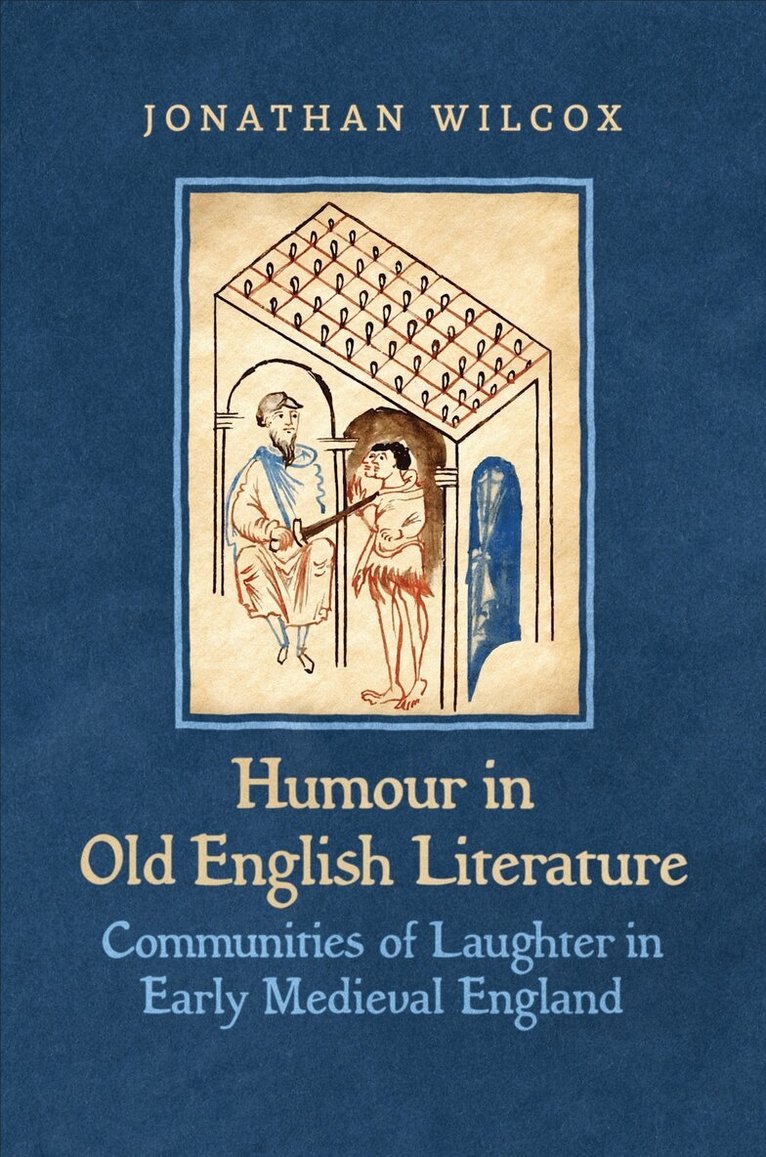
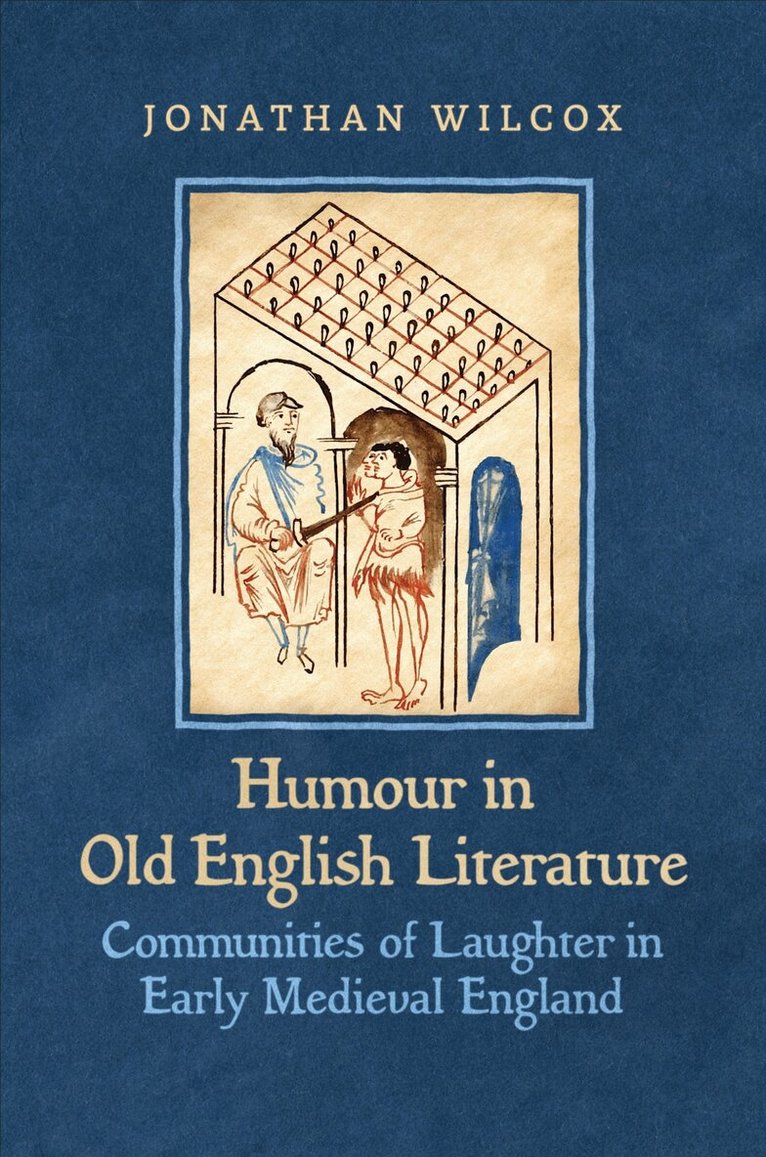
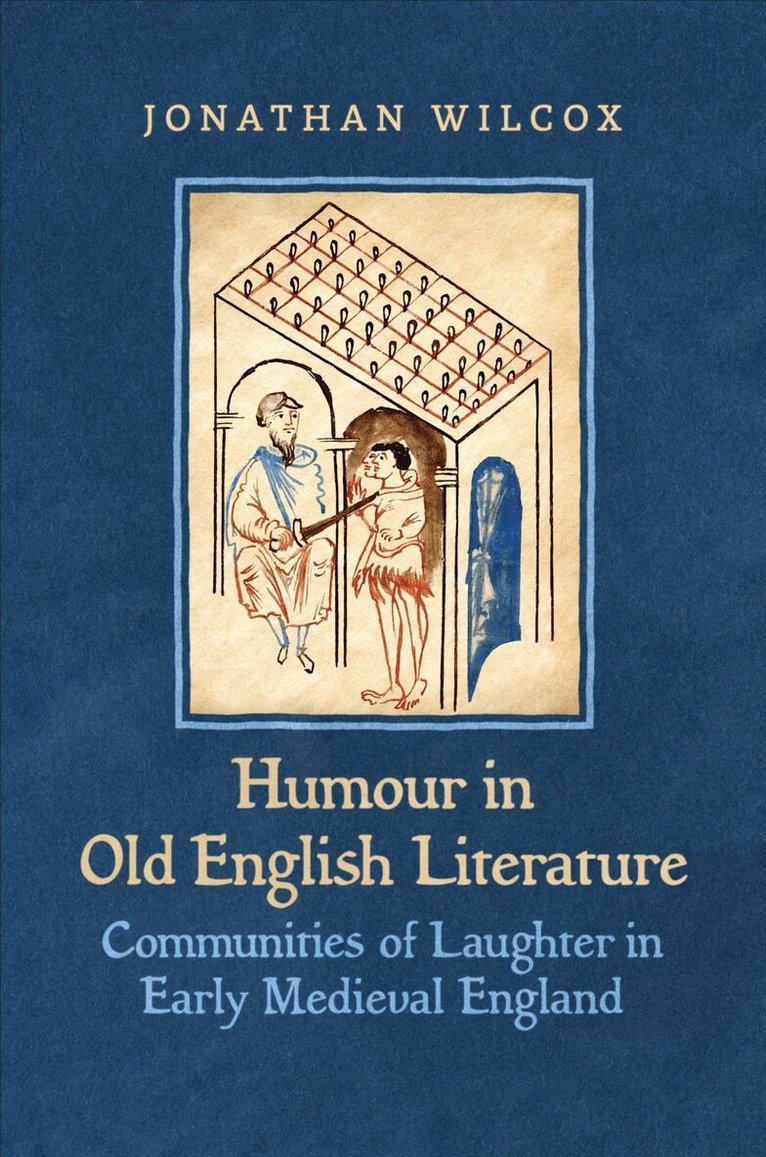
Humour in Old English Literature
Communities of Laughter in Early Medieval England
Inbunden, 2023
906 kr
Lägg i varukorg
Humour in Old English Literature deploys modern theories of humour to explore the style and content of surviving writing from early medieval England. The book analyses Old English riddles, wisdom literature, runic writing, the deployment of rhymes, and humour in heroic poetry, hagiography, and …
Humour in Old English Literature
Communities of Laughter in Early Medieval England
E-bok, 2023
1068 kr
Lägg i varukorg
Humour in Old English Literature deploys modern theories of humour to explore the style and content of surviving writing from early medieval England. The book analyses Old English riddles, wisdom literature, runic writing, the deployment of rhymes, and humour in heroic poetry, hagiography, and …
Humour in Old English Literature
Communities of Laughter in Early Medieval England
E-bok, 2023
1068 kr
Lägg i varukorg
Humour in Old English Literature deploys modern theories of humour to explore the style and content of surviving writing from early medieval England. The book analyses Old English riddles, wisdom literature, runic writing, the deployment of rhymes, and humour in heroic poetry, hagiography, and …
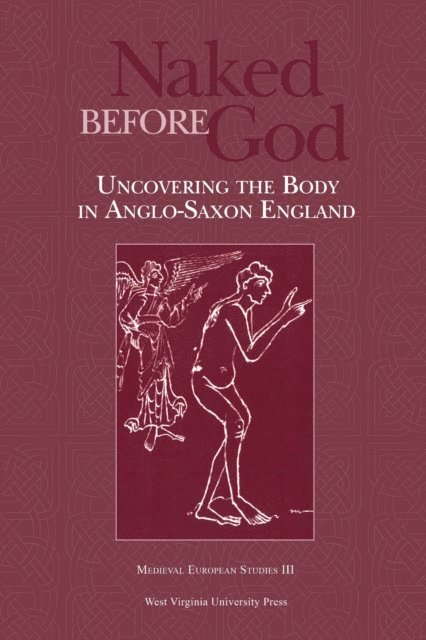
Naked Before God
UNCOVERING THE BODY IN ANGLO-SAXON ENGLAND
Av JONATHAN WILCOX, BENJAMIN C. WITHERS
E-bok, 2011
479 kr
Lägg i varukorg
At different times and in different places, the human form has been regarded in different ways. The Ancient Greeks thought it was the most admirable subject for art, whereas early Christians often viewed it as lascivious in our post-lapsarian state. With illustrations taken from manuscripts, …
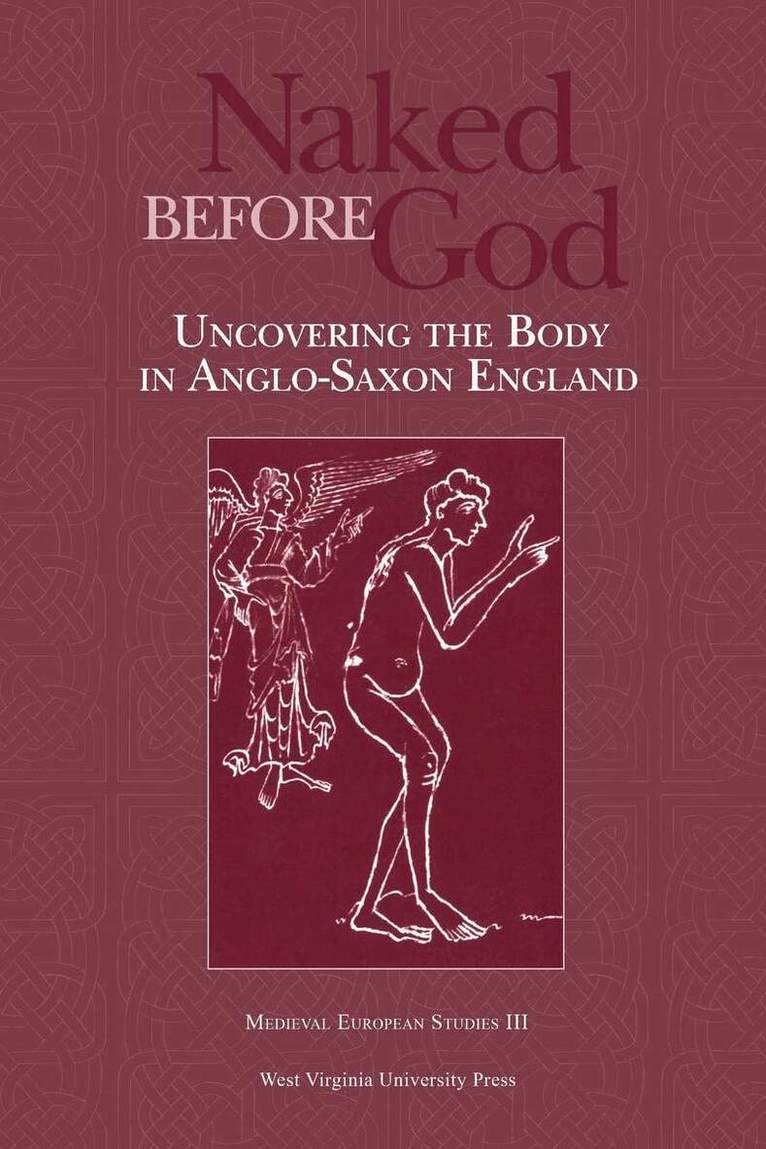
Naked Before God
Uncovering the Body in Anglo-Saxon England
Av Benjamin C. Withers, Jonathan Wilcox
Häftad, 2003
570 kr
Tillfälligt slut
At different times and in different places, the human form has been regarded in different ways. The Ancient Greeks thought it was the most admirable subject for art, whereas early Christians often viewed it as lascivious in our post-lapsarian state. With illustrations taken from manuscripts, …