Joo-Cheong Tham - Böcker
Visar alla böcker från författaren Joo-Cheong Tham. Handla med fri frakt och snabb leverans.
7 produkter
7 produkter
1 362 kr
Skickas inom 7-10 vardagar
Around the world, hundreds of millions of labor migrants endure exploitation, lack of basic rights, and institutionalized discrimination and marginalization. What dynamics and drivers have created a world in which such a huge--and rapidly growing--group toils as marginalized men and women, existing as a lower caste institutionally and juridically? In what ways did labor migrants shape their living and working conditions in the past, and what opportunities exist for them today? Global Labor Migration presents new multidisciplinary, transregional perspectives on issues surrounding global labor migration. The essays go beyond disciplinary boundaries, with sociologists, ethnographers, legal scholars, and historians contributing research that extends comparison among and within world regions. Looking at migrant workers from the late nineteenth century to the present day, the contributors illustrate the need for broader perspectives that study labor migration over longer timeframes and from wider geographic areas. The result is a unique, much-needed collection that delves into one of the world's most pressing issues, generates scholarly dialogue, and proposes cutting-edge research agendas and methods.Contributors: Bridget Anderson, Rutvica Andrijasevic, Katie Bales, Jenny Chan, Penelope Ciancanelli, Felipe Barradas Correia Castro Bastos, Eileen Boris, Charlie Fanning, Judy Fudge, Jorge L. Giovannetti-Torres, Heidi Gottfried, Julie Greene, Justin Jackson, Radhika Natarajan, Pun Ngai, Bastiaan Nugteren, Nicola Piper, Jessica R. Pliley, Devi Sacchetto, Helen Sampson, Yael Schacher, Joo-Cheong Tham, and Matt Withers
332 kr
Skickas inom 7-10 vardagar
Around the world, hundreds of millions of labor migrants endure exploitation, lack of basic rights, and institutionalized discrimination and marginalization. What dynamics and drivers have created a world in which such a huge--and rapidly growing--group toils as marginalized men and women, existing as a lower caste institutionally and juridically? In what ways did labor migrants shape their living and working conditions in the past, and what opportunities exist for them today? Global Labor Migration presents new multidisciplinary, transregional perspectives on issues surrounding global labor migration. The essays go beyond disciplinary boundaries, with sociologists, ethnographers, legal scholars, and historians contributing research that extends comparison among and within world regions. Looking at migrant workers from the late nineteenth century to the present day, the contributors illustrate the need for broader perspectives that study labor migration over longer timeframes and from wider geographic areas. The result is a unique, much-needed collection that delves into one of the world's most pressing issues, generates scholarly dialogue, and proposes cutting-edge research agendas and methods.Contributors: Bridget Anderson, Rutvica Andrijasevic, Katie Bales, Jenny Chan, Penelope Ciancanelli, Felipe Barradas Correia Castro Bastos, Eileen Boris, Charlie Fanning, Judy Fudge, Jorge L. Giovannetti-Torres, Heidi Gottfried, Julie Greene, Justin Jackson, Radhika Natarajan, Pun Ngai, Bastiaan Nugteren, Nicola Piper, Jessica R. Pliley, Devi Sacchetto, Helen Sampson, Yael Schacher, Joo-Cheong Tham, and Matt Withers
1 983 kr
Skickas inom 10-15 vardagar
This book explores the problems associated with regulating the funding of political parties and election campaigns in a timely assessment of a topic of great political controversy.From interest in Obama's capacity to raise vast sums of money, to scandals that have rocked UK and Australian governments, party funding is a global issue, reflected in this text with case studies from Australia, Canada, New Zealand, United Kingdom, and the United States. Taking an interdisciplinary approach with leading scholars from politics, geography and law, this text addresses key themes: contributions, spending controls, the role of broadcasters and special interests, and the role of the state in funding political parties. With regulatory measures apparently unable to change the behaviour of parties, why have existing laws failed to satisfy the demands for reform, and what kind of laws are necessary to change the way political parties behave? The Funding of Political Parties: Where Now? brings fresh comparative material to inform this topical and intractable debate, and assesses the wider implications of continuing problems in political funding.This book will be of interest to students and scholars of political science, political theory, policy and law.
362 kr
Skickas inom 7-10 vardagar
A healthy democracy relies on a healthy electoral system. Are the ways we run elections and political parties adapting to contemporary challenges and learning from international experience? Drawing together leading political scientists and legal scholars, Electoral Democracy examines pressing debates about the regulation of political finance, parties and representation in Australia. It does so by testing the system and reform proposals against three fundamental-and sometimes conflicting-values- political equality, liberty and integrity. This book will inform and provoke all who take part in and care about Australia's electoral democracy.
667 kr
Skickas inom 10-15 vardagar
This book explores the problems associated with regulating the funding of political parties and election campaigns in a timely assessment of a topic of great political controversy.From interest in Obama's capacity to raise vast sums of money, to scandals that have rocked UK and Australian governments, party funding is a global issue, reflected in this text with case studies from Australia, Canada, New Zealand, United Kingdom, and the United States. Taking an interdisciplinary approach with leading scholars from politics, geography and law, this text addresses key themes: contributions, spending controls, the role of broadcasters and special interests, and the role of the state in funding political parties. With regulatory measures apparently unable to change the behaviour of parties, why have existing laws failed to satisfy the demands for reform, and what kind of laws are necessary to change the way political parties behave? The Funding of Political Parties: Where Now? brings fresh comparative material to inform this topical and intractable debate, and assesses the wider implications of continuing problems in political funding.This book will be of interest to students and scholars of political science, political theory, policy and law.
1 154 kr
Skickas inom 5-8 vardagar
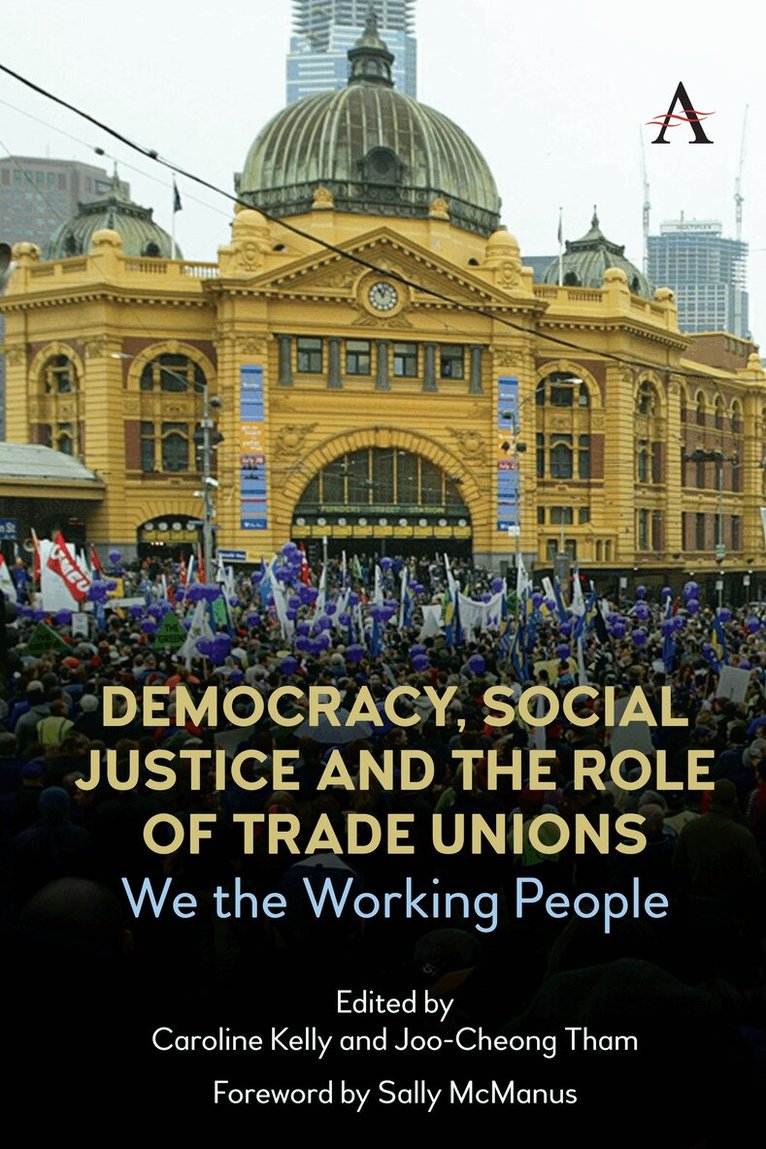
Trade unions worldwide face a powerful paradox at this critical juncture: collective organisations for workers are urgently needed and yet there are serious pressures undercutting the legitimate role of trade unions. The aim of this book is to examine how trade unions can effectively navigate this deeply contradictory challenge. It is underpinned by the conviction that trade unions are – and should be – vital institutions for democracy and social justice.Written by leading scholars in industrial relations and labour law as well as those in political philosophy and political science, the collection tackles a range of pressing topics for trade unions including: the climate crisis; the COVID-19 pandemic; economic democracy; democracy within trade unions; precarious work; and election campaigns.
340 kr
Skickas inom 10-15 vardagar
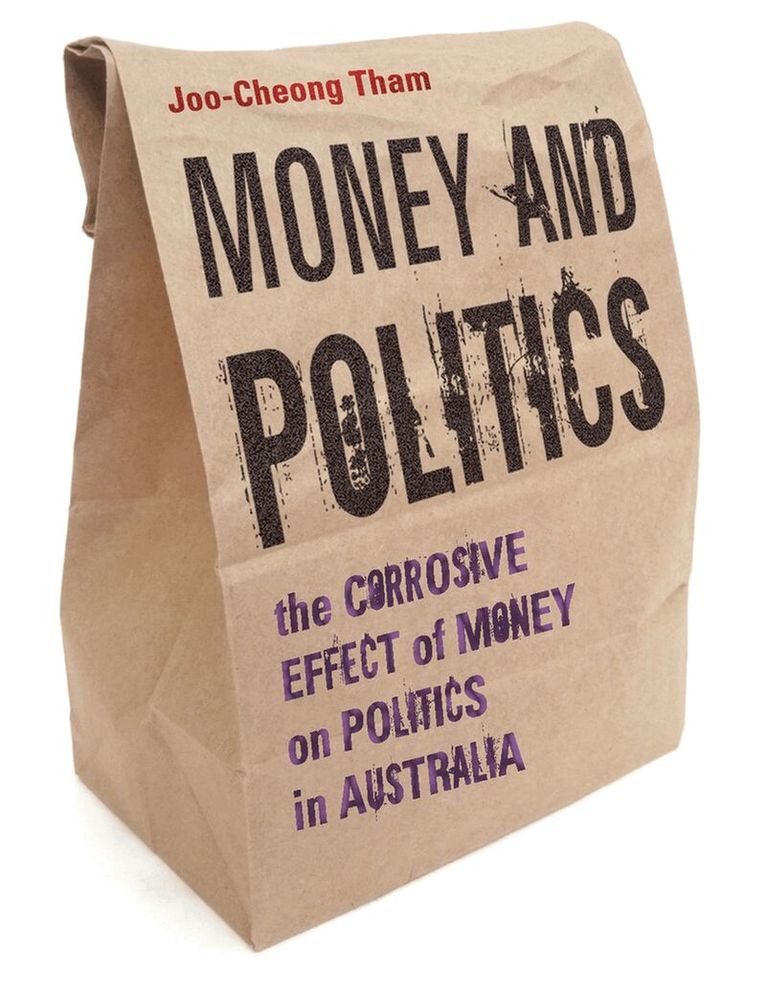
Money plays a controversial role in Australian politics. Political donations may spark claims of secret contributions and corruption. Do corporations or trade unions have undue infl uence over political parties by way of donations? Meanwhile, the activities of well-paid lobbyists come under the spotlight, with claims of preferential treatment and 'favours for mates'. What role should lobbyists have in our political system? Public funding for political parties also attracts its share of criticism. Has it made politics fairer or entrenched the position of the major parties? There is a fear that while Australian politics has the trappings of a democracy, they mask an oligarchy where political power rests with only a few rich and powerful citizens and corporations. Money and Politics: The democracy we can't afford systematically dissects how political parties raise and spend money and asks what this means for our democracy.