Jorg Schorer – författare
844 kr
Läs direkt efter köp
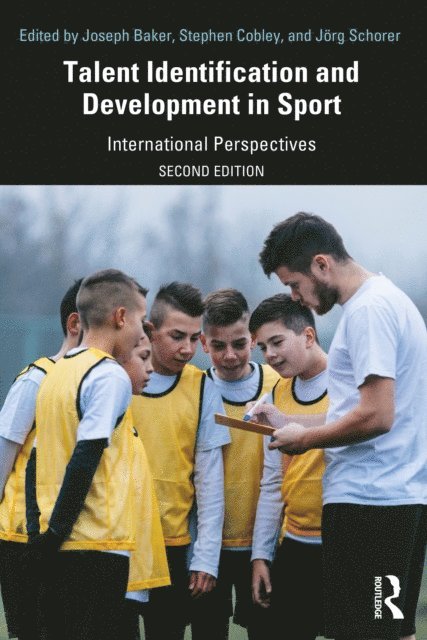
Identifying and developing talented athletes to their fullest potential is a central concern of sport scientists, sports coaches, and sports policy makers. The second edition of this popular text offers a state of the science synthesis of current knowledge in talent identification and development in sport, from the biological basis of talent to the systems and processes within sport through which that talent is nurtured.
Written by a team of leading international experts, the book explores key factors and issues in contemporary sport, including:
nature and nurture in the development of sporting talent
designing optimal developmental environments
long-term modelling of athlete development
understanding the complexity of talent selection
in-depth case studies of successful talent development systems.
With an emphasis on practical implications for all those working in sport, the book offers an authoritative evaluation of the strengths and weaknesses of contemporary systems for identifying and developing talent in sport. This is important reading for any student, researcher, or practitioner with an interest in skill acquisition, youth sport, elite sport, sports coaching, or sports development.
844 kr
Läs direkt efter köp
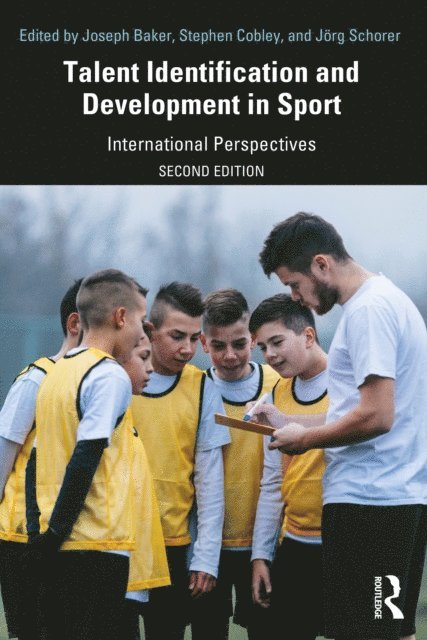
Identifying and developing talented athletes to their fullest potential is a central concern of sport scientists, sports coaches, and sports policy makers. The second edition of this popular text offers a state of the science synthesis of current knowledge in talent identification and development in sport, from the biological basis of talent to the systems and processes within sport through which that talent is nurtured.
Written by a team of leading international experts, the book explores key factors and issues in contemporary sport, including:
nature and nurture in the development of sporting talent
designing optimal developmental environments
long-term modelling of athlete development
understanding the complexity of talent selection
in-depth case studies of successful talent development systems.
With an emphasis on practical implications for all those working in sport, the book offers an authoritative evaluation of the strengths and weaknesses of contemporary systems for identifying and developing talent in sport. This is important reading for any student, researcher, or practitioner with an interest in skill acquisition, youth sport, elite sport, sports coaching, or sports development.
804 kr
Läs direkt efter köp
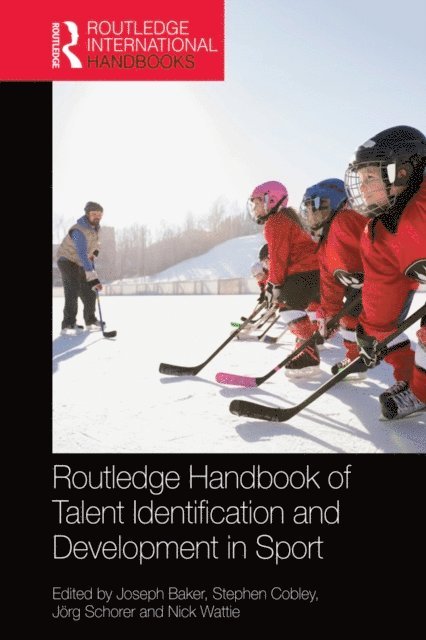
Identifying athletic talent and developing that talent to its full potential is a central concern in sport. Understanding talent identification and its implications for both positive and negative developmental outcomes is crucial to sporting success. This is the first comprehensive resource for scientists, researchers, students, coaches, analysts and policymakers looking to improve their knowledge of the talent identification and development process.
With contributions from leading researchers and practitioners, this book offers a complete overview of contemporary talent identification and development from in-depth discussion of methodological and philosophical issues through to practical applications. Adopting an international and multi-disciplinary approach, it addresses all key aspects of the talent identification and development process, including skill acquisition and motor learning, psychological factors and family influences, creating optimal environments for performance, and dealing with injury and rehabilitation.
Presenting an unrivalled wealth of research, the Routledge Handbook of Talent Identification and Development in Sport is an essential resource for any undergraduate or postgraduate degree course in sport studies, sport science, sport coaching or sport management, as well as for sport policymakers, analysts and coaches.
804 kr
Läs direkt efter köp
Identifying athletic talent and developing that talent to its full potential is a central concern in sport. Understanding talent identification and its implications for both positive and negative developmental outcomes is crucial to sporting success. This is the first comprehensive resource for scientists, researchers, students, coaches, analysts and policymakers looking to improve their knowledge of the talent identification and development process.
With contributions from leading researchers and practitioners, this book offers a complete overview of contemporary talent identification and development from in-depth discussion of methodological and philosophical issues through to practical applications. Adopting an international and multi-disciplinary approach, it addresses all key aspects of the talent identification and development process, including skill acquisition and motor learning, psychological factors and family influences, creating optimal environments for performance, and dealing with injury and rehabilitation.
Presenting an unrivalled wealth of research, the Routledge Handbook of Talent Identification and Development in Sport is an essential resource for any undergraduate or postgraduate degree course in sport studies, sport science, sport coaching or sport management, as well as for sport policymakers, analysts and coaches.