Jorge Dagnino – författare
Visar alla böcker från författaren Jorge Dagnino. Handla med fri frakt och snabb leverans.
6 produkter
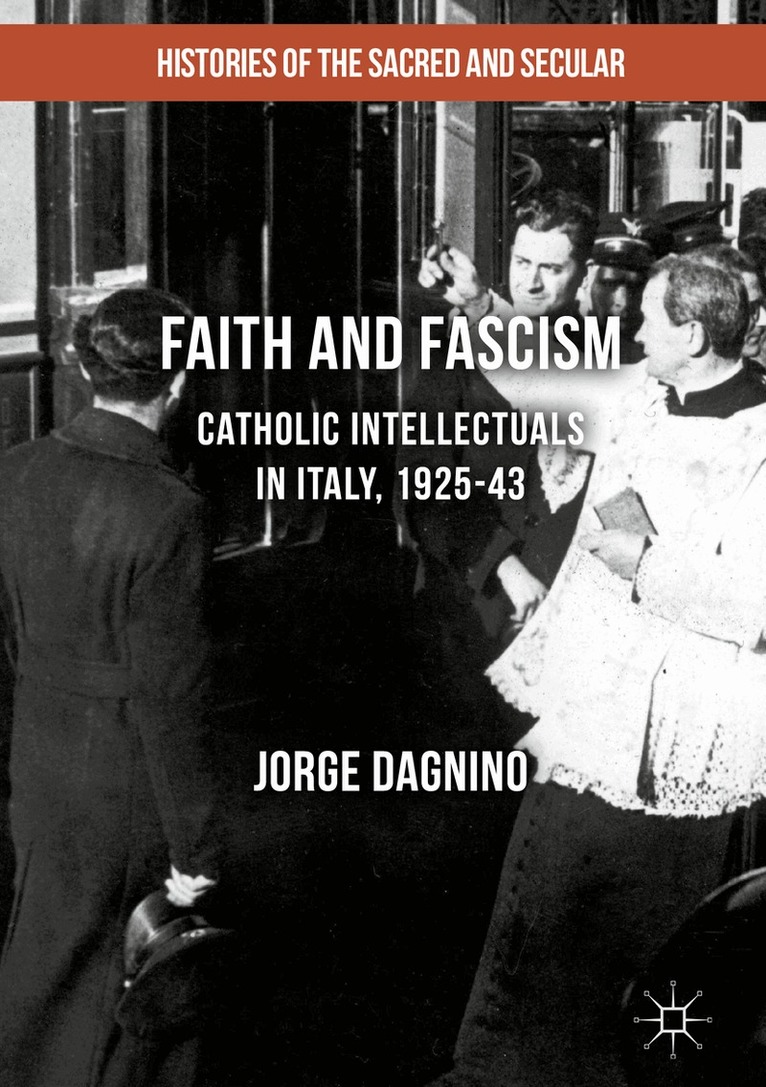
Faith and Fascism
Catholic Intellectuals in Italy, 1925–43
Inbunden, 2017
930 kr
Lägg i varukorg
This is a study of the Federazione Universitaria Cattolica Italiana (FUCI) between 1925 and 1943, the organisation of Catholic Action for the university sector. The FUCI is highly significant to the study of Catholic politics and intellectual ideas, as a large proportion of the future Christian …
Faith and Fascism
Catholic Intellectuals in Italy, 1925–43
E-bok, 2017
1290 kr
Lägg i varukorg
This is a study of the Federazione Universitaria Cattolica Italiana (FUCI) between 1925 and 1943, the organisation of Catholic Action for the university sector. The FUCI is highly significant to the study of Catholic politics and intellectual ideas, as a large proportion of the future Christian …
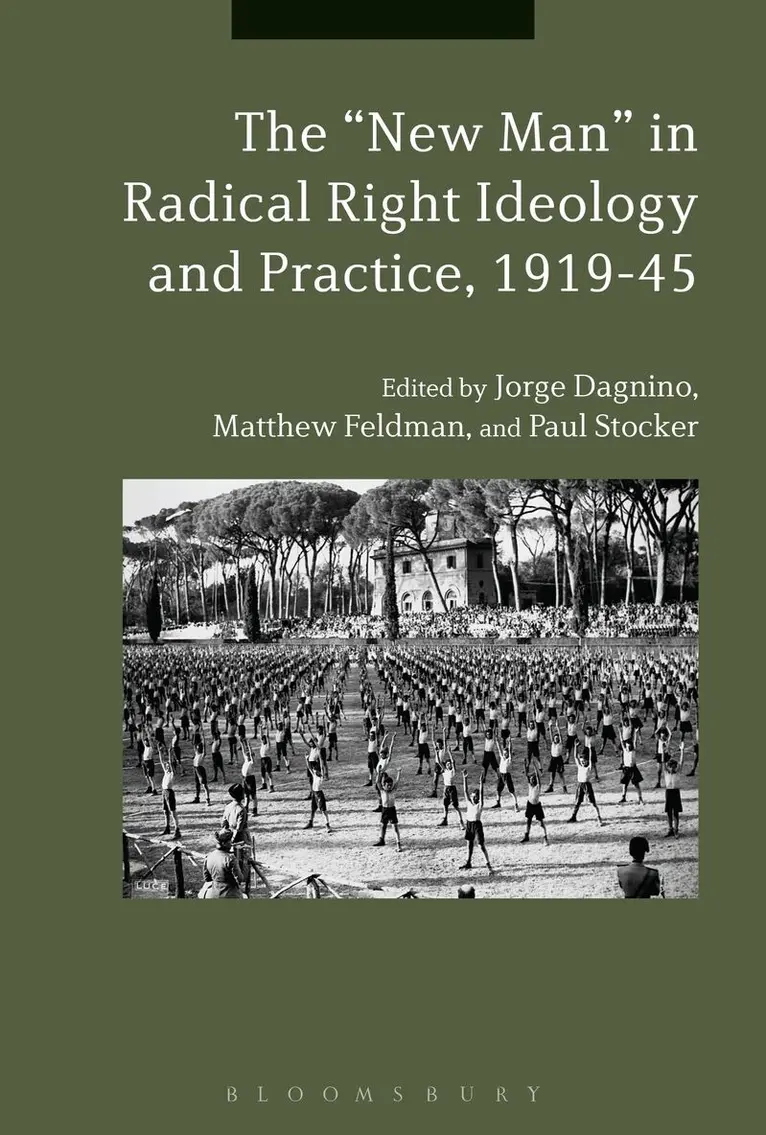
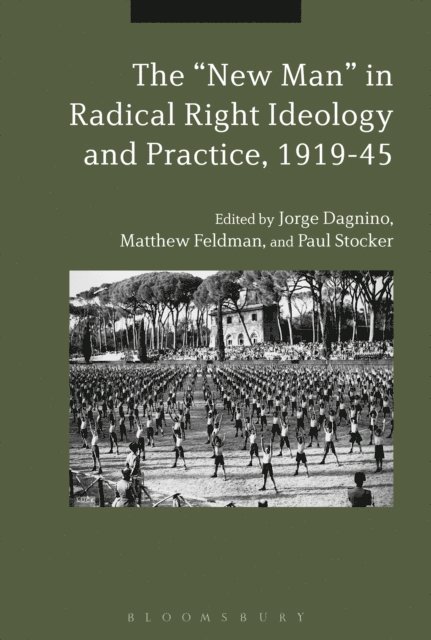
"New Man" in Radical Right Ideology and Practice, 1919-45
Av Jorge Dagnino, Matthew Feldman m. fl.
Häftad, 2019
516 kr
Lägg i varukorg
Bringing together an expert group of established and emerging scholars, this book analyses the pervasive myth of the ‘new man’ in various fascist movements and far-right regimes between 1919 and 1945. Through a series of ground-breaking case studies focusing on countries in Europe, but with …
"New Man" in Radical Right Ideology and Practice, 1919-45
Av Jorge Dagnino, Matthew Feldman m. fl.
Inbunden, 2018
1897 kr
Lägg i varukorg
Bringing together an expert group of established and emerging scholars, this book analyses the pervasive myth of the ‘new man’ in various fascist movements and far-right regimes between 1919 and 1945. Through a series of ground-breaking case studies focusing on countries in Europe, but with …
"New Man" in Radical Right Ideology and Practice, 1919-45
Av Jorge Dagnino, Matthew Feldman m. fl.
E-bok, 2018
546 kr
Lägg i varukorg
Bringing together an expert group of established and emerging scholars, this book analyses the pervasive myth of the ''new man'' in various fascist movements and far-right regimes between 1919 and 1945. Through a series of ground-breaking case studies focusing on countries in Europe, but with …
"New Man" in Radical Right Ideology and Practice, 1919-45
Av Jorge Dagnino, Matthew Feldman m. fl.
E-bok, 2018
562 kr
Lägg i varukorg
Bringing together an expert group of established and emerging scholars, this book analyses the pervasive myth of the ''new man'' in various fascist movements and far-right regimes between 1919 and 1945. Through a series of ground-breaking case studies focusing on countries in Europe, but with …