
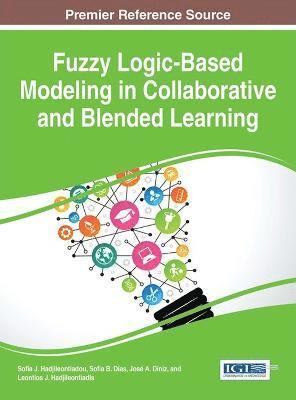
Inbunden, Engelska, 2015
2 431 kr
Skickas inom 5-8 vardagar
2 431 kr
Skickas inom 5-8 vardagar
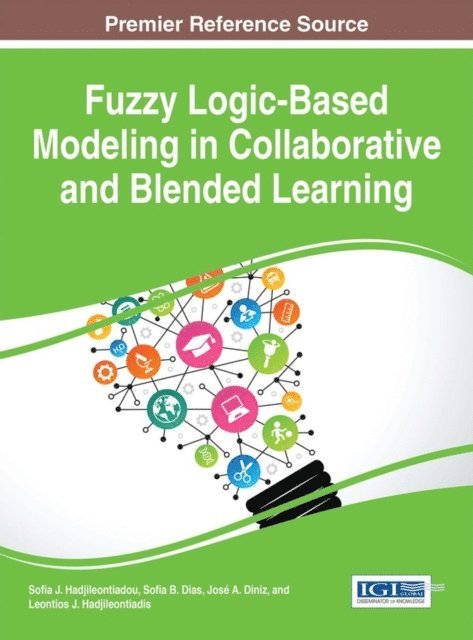
2 867 kr
Läs direkt efter köp

First International Conference, TECH-EDU 2018, Thessaloniki, Greece, June 20–22, 2018, Revised Selected Papers
556 kr
Skickas inom 10-15 vardagar

718 kr
Läs direkt efter köp
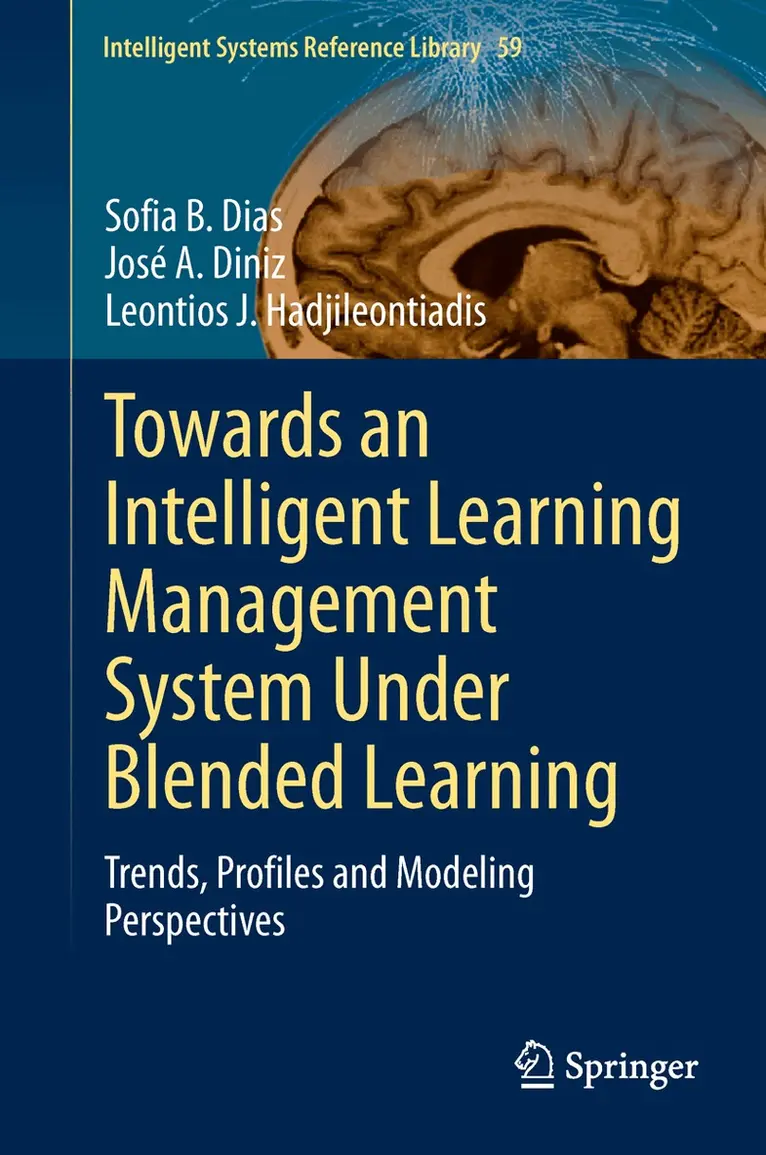
Trends, Profiles and Modeling Perspectives
1 138 kr
Skickas inom 10-15 vardagar
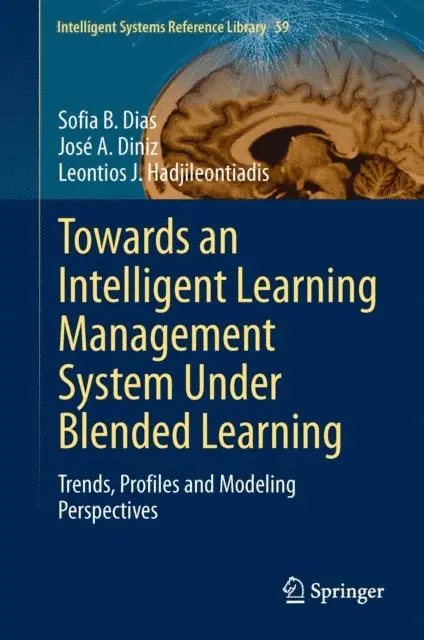
1 470 kr
Läs direkt efter köp
What are the key channels to change in blended instructional practice as they relate to the use of a learning management system (LMS)? What role LMS users’ profiles play in facilitating change in practice? Can we model users’ quality of interaction (QoI) with LMS? How inclusiveness and affectiveness could lead to a personalized intelligent LMS (iLMS)? If these questions sound intrinsic to you and to your own experience and circumstance, then this book fits absolutely to you.
Here, the term Blended – viewed as a fuzzy concept – is understood as a stepping-stone on the way to the future, to explain the multiple ways human beings think/act/feel of society in the 21st century and to embrace the opportunity of humans to re/co-construct new knowledge through the intermediation role of the technology. Initially, based on an online learning environment’ theoretical framework, some current issues of the educational processes in the digital age of Web 2.0 are analyzed. Then, after exploring the main methodological procedures, characteristic examples of research case studies follow, including LMS users’ trends and profiles and modeling of their QoI using fuzzy logic.
This book offers useful information that evokes initiatives towards rethinking of the value, efficiency, inclusiveness, affectiveness and personalization of the iLMS-based b-learning environment, both by the educators, the LMS designers and educational policy decision makers.

Trends, Profiles and Modeling Perspectives
1 138 kr
Skickas inom 10-15 vardagar
2 431 kr
Skickas inom 5-8 vardagar
2 867 kr
Läs direkt efter köp
First International Conference, TECH-EDU 2018, Thessaloniki, Greece, June 20–22, 2018, Revised Selected Papers
556 kr
Skickas inom 10-15 vardagar
718 kr
Läs direkt efter köp
Trends, Profiles and Modeling Perspectives
1 138 kr
Skickas inom 10-15 vardagar
1 470 kr
Läs direkt efter köp
What are the key channels to change in blended instructional practice as they relate to the use of a learning management system (LMS)? What role LMS users’ profiles play in facilitating change in practice? Can we model users’ quality of interaction (QoI) with LMS? How inclusiveness and affectiveness could lead to a personalized intelligent LMS (iLMS)? If these questions sound intrinsic to you and to your own experience and circumstance, then this book fits absolutely to you.
Here, the term Blended – viewed as a fuzzy concept – is understood as a stepping-stone on the way to the future, to explain the multiple ways human beings think/act/feel of society in the 21st century and to embrace the opportunity of humans to re/co-construct new knowledge through the intermediation role of the technology. Initially, based on an online learning environment’ theoretical framework, some current issues of the educational processes in the digital age of Web 2.0 are analyzed. Then, after exploring the main methodological procedures, characteristic examples of research case studies follow, including LMS users’ trends and profiles and modeling of their QoI using fuzzy logic.
This book offers useful information that evokes initiatives towards rethinking of the value, efficiency, inclusiveness, affectiveness and personalization of the iLMS-based b-learning environment, both by the educators, the LMS designers and educational policy decision makers.
Trends, Profiles and Modeling Perspectives
1 138 kr
Skickas inom 10-15 vardagar