José Antonio Flores Farfán – författare
Visar alla böcker från författaren José Antonio Flores Farfán. Handla med fri frakt och snabb leverans.
3 produkter
3 produkter
Del 6 - Language, Education and Diversity
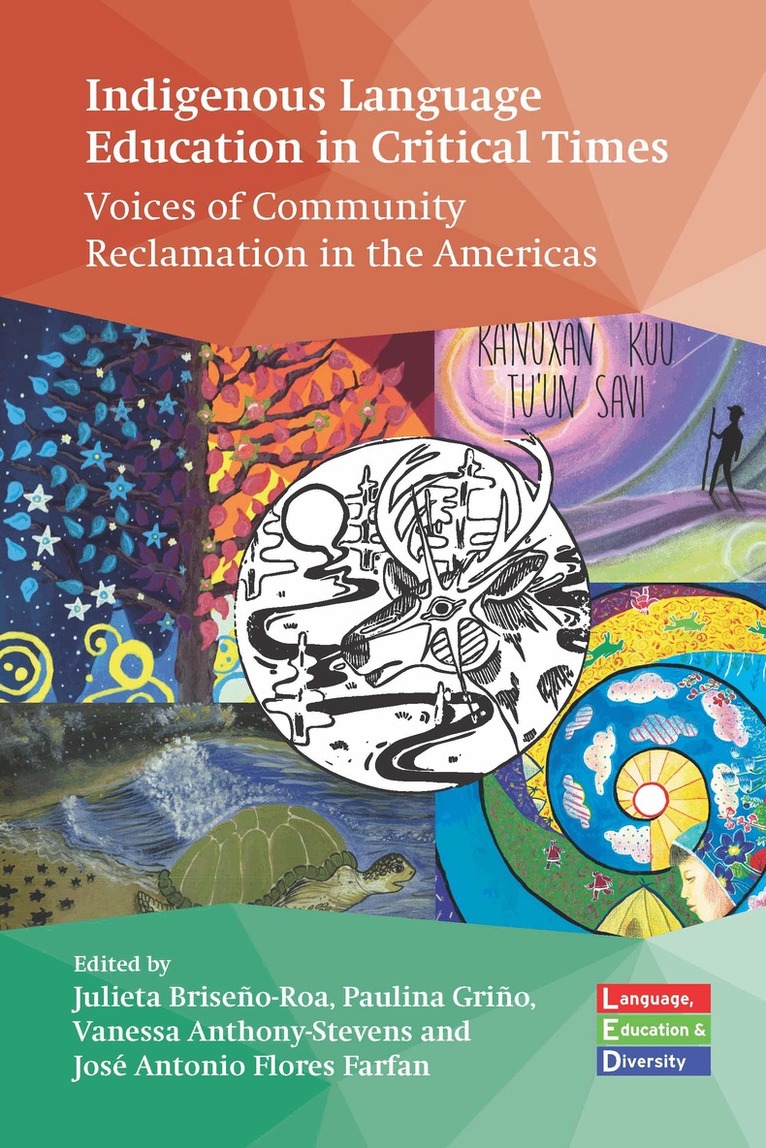
Indigenous Language Education in Critical Times
Voices of Community Reclamation in the Americas
Häftad, Engelska, 2025
390 kr
Skickas
This book builds a space in which a diversity of voices – Indigenous teachers, activists and committed academics – are foregrounded in the processes of Indigenous education with the goal of Indigenous language reclamation. It decenters state systems of education (e.g. schooling) and instead considers the efforts of teachers (defined broadly), community activists and scholars who are developing initiatives to support Indigenous language practices in, around and beyond schooling, thereby emphasizing diverse processes of language reclamation in complex and varied settings. The authors invite the reader to reconsider language reclamation in the face of climate change and neocolonial exploitation, offering a source of radical hope for the future. Central to the book are narratives regarding community-based collaborations, which subvert the asymmetrical power relations between academia and educational practitioners and activists, and call into question the categories constructed by a top-down approach, as well as the colonial relationships that linguistic anthropology and linguistics have constructed within the spaces and people they ‘study’.
Del 6 - Language, Education and Diversity
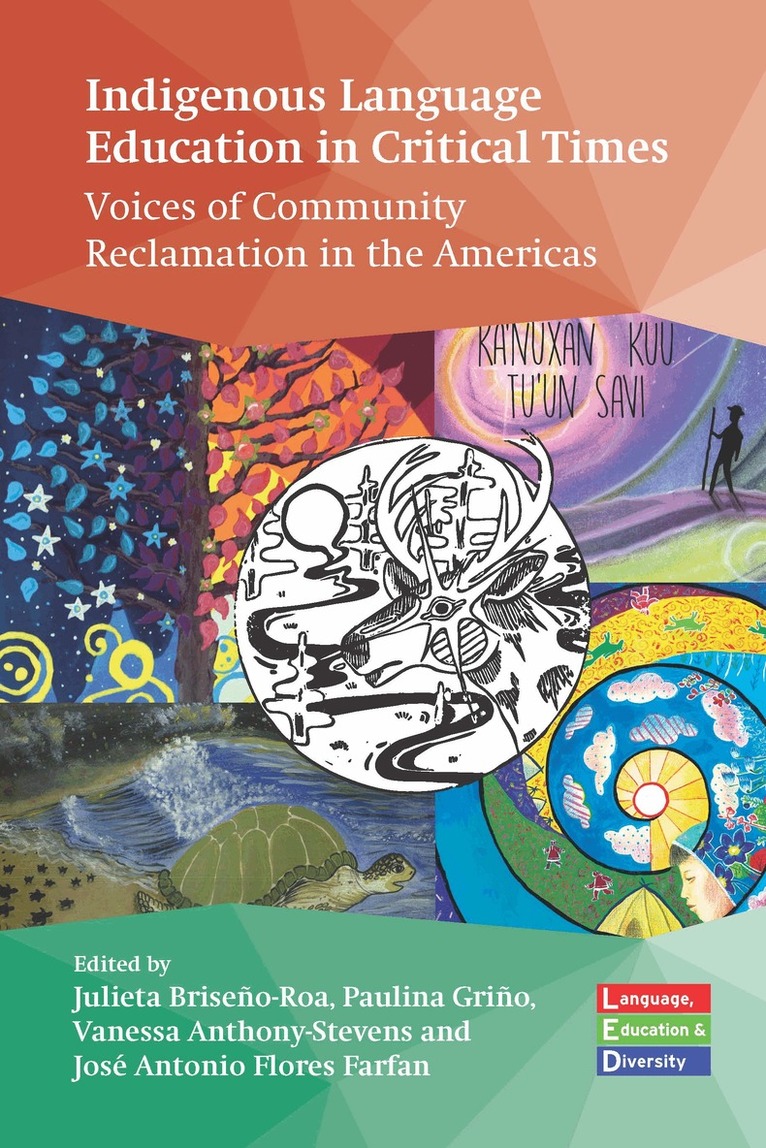
Indigenous Language Education in Critical Times
Voices of Community Reclamation in the Americas
Inbunden, Engelska, 2025
1 390 kr
Skickas inom 5-8 vardagar
This book builds a space in which a diversity of voices – Indigenous teachers, activists and committed academics – are foregrounded in the processes of Indigenous education with the goal of Indigenous language reclamation. It decenters state systems of education (e.g. schooling) and instead considers the efforts of teachers (defined broadly), community activists and scholars who are developing initiatives to support Indigenous language practices in, around and beyond schooling, thereby emphasizing diverse processes of language reclamation in complex and varied settings. The authors invite the reader to reconsider language reclamation in the face of climate change and neocolonial exploitation, offering a source of radical hope for the future. Central to the book are narratives regarding community-based collaborations, which subvert the asymmetrical power relations between academia and educational practitioners and activists, and call into question the categories constructed by a top-down approach, as well as the colonial relationships that linguistic anthropology and linguistics have constructed within the spaces and people they ‘study’.
E-bok
Spanska, 2017408 kr
Läs direkt efter köp
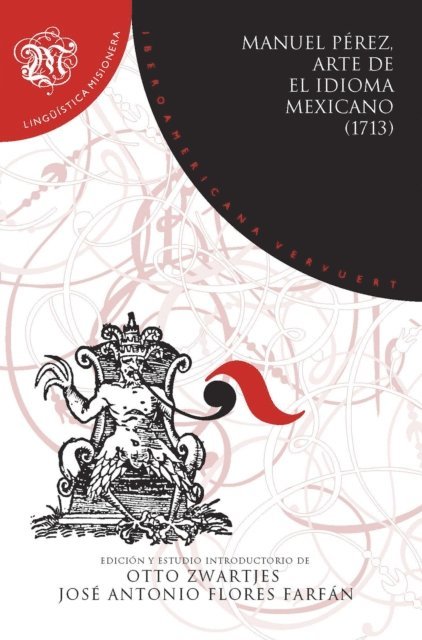
El Arte de el idioma mexicano (México, 1713), del agustino Manuel Pérez, es la primera edición crítica de una gramática del náhuatl poco conocida. Pérez aprendió el mexicano en Chiautla de la Sal, en el triángulo Puebla-Morelos-Guerrero, donde visitó muchas comunidades. Describe principalmente el náhuatl del valle de México, con constantes referencias a variedades de lo que denomina "Tierra Caliente"; algunas aparentemente extintas, otras todavía vigentes (Balsas o Montaña Baja, Guerrero). Pérez proporciona así documentación histórica de un náhuatl no descrito antes. Ofrecemos aquí por primera vez una interpretación sistemática de estos datos, así como otro aspecto novedoso: las reglas no señaladas por sus antecesores, analizadas y contextualizadas en la más extensa tradición gramatical de una lengua americana. Además, junto con una somera consideración de dos obras que lo acompañan, el Farol Indiano y el Catecismo Romano, se analiza la "Protesta", de interés para los estudios de traducción, el metalenguaje (semi)descriptivo náhuatl, los neologismos y circunlocuciones referidos a equivalencias terminológicas de conceptos castellanos.Se investiga la gramática a todo nivel: léxico, fonología, morfología, sintaxis y pragmática; la enseñanza de lenguas en universidades mexicanas, el purismo y fenómenos de contacto, además del impacto de su obra en misioneros posteriores.