Jose Carlos Chiaramonte – författare
Visar alla böcker från författaren . Handla med fri frakt och snabb leverans.
11 produkter
11 produkter
Inbunden, Engelska, 2017
2 404 kr
Skickas inom 10-15 vardagar
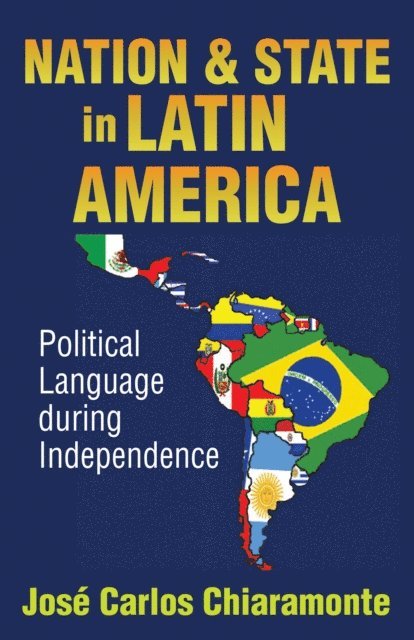
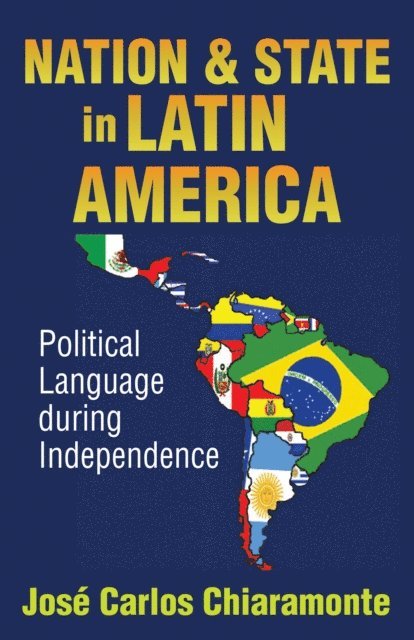
No one in Latin American historiography has paid more attention to questions related to the emergence of nations than Jose Carlos Chiaramonte. Reflecting on eighteenth- and nineteenth-century uses of the concept of nation in Europe and the Americas, Chiaramonte argues that historical questions related to the term "nation" derive from its changing meaning in different contexts. The historian would be better advised to focus on the development of forms of state organization, and the emergence of national states, rather than the "nation" as a cultural community prior to independence.Nation and State in Latin America begins by examining the effects on historians of the ideological and methodological prejudice spread by contemporary nationalism on the historical studies of Latin America. Chiaramonte analyzes uses of concepts such as "nation" and "state" in both Europe and the Americas. Chiaramonte considers the prominence of sovereign "pueblos" (cities and townships) and their role during independence. He argues the non-existence of nationalities in the period and proves that feelings of collective identity at that time amounted mainly to local affections.He concludes with an analysis of major trends in federalism and the law of nature and nations, crucial to understanding the political concepts of the age of birth of modern Latin American nations. This book covers the whole of Latin America, making use of comparative viewpoints. The different national intonations of the concept of sovereignty and the nuances of the federal and confederate forms of the state are examined in detail.
Inbunden, Engelska, 2017
2 336 kr
Skickas inom 10-15 vardagar
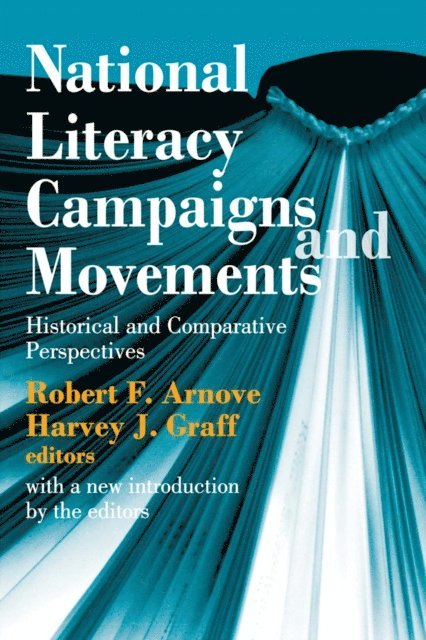
Major campaigns to raise levels of literacy have taken place for centuries and share many common elements. But despite literary campaigns spanning over five decades, 860 million adults still lack minimal ability to read, write, and calculate. Why is literacy of such great importance and why have so many years of campaigning for it not been successful in fully overcoming this obstacle? National Literacy Campaigns and Movements explores these questions by examining campaigns in vastly different societies from a historical and comparative perspective.The volume focuses on literacy movements from the past, including those of Reformation Germany, early modern Sweden and Scotland, nineteenth-century United States, nineteenth- and early twentieth-century Russia and the Soviet Union, pre-Revolutionary and Revolutionary China, and Tanzania, Cuba, Nicaragua, and India. Contributors analyze literacy goals and outcomes in specific contexts. The editors distinguish quantitative and qualitative dimensions of literacy activities, such as the difference between the spread of literacy and patterns of its use. The common enterprise of this book is to expand upon the contributors' previous research to include a comparative dimension.This book offers the first systematic attempt to examine, critically and comparatively, the concepts and facts of large-scale literacy campaigns in more than a dozen societies over nearly five-hundred years. It offers a valuable historical lesson not only for historians, but also for educators: that instead of concentrating only on the recent period, we should use the vast and complex history of literacy movements to shed understanding on the present and future of literacy. A major new introduction to this edition asserts recent literary campaigns and the lessons provided by their success and failures. It also describes how the focus of some movements has evolved.
847 kr
Läs direkt efter köp
Major campaigns to raise levels of literacy have taken place for centuries and share many common elements. But despite literary campaigns spanning over five decades, 860 million adults still lack minimal ability to read, write, and calculate. Why is literacy of such great importance and why have so many years of campaigning for it not been successful in fully overcoming this obstacle? "National Literacy Campaigns and Movements" explores these questions by examining campaigns in vastly different societies from a historical and comparative perspective.The volume focuses on literacy movements from the past, including those of Reformation Germany, early modern Sweden and Scotland, nineteenth-century United States, nineteenth- and early twentieth-century Russia and the Soviet Union, pre-Revolutionary and Revolutionary China, and Tanzania, Cuba, Nicaragua, and India. Contributors analyze literacy goals and outcomes in specific contexts. The editors distinguish quantitative and qualitative dimensions of literacy activities, such as the difference between the spread of literacy and patterns of its use. The common enterprise of this book is to expand upon the contributors'' previous research to include a comparative dimension.This book offers the first systematic attempt to examine, critically and comparatively, the concepts and facts of large-scale literacy campaigns in more than a dozen societies over nearly five-hundred years. It offers a valuable historical lesson not only for historians, but also for educators: that instead of concentrating only on the recent period, we should use the vast and complex history of literacy movements to shed understanding on the present and future of literacy. A major new introduction to this edition asserts recent literary campaigns and the lessons provided by their success and failures. It also describes how the focus of some movements has evolved.
E-bok
PDF, Engelska, 2017850 kr
Läs direkt efter köp
Major campaigns to raise levels of literacy have taken place for centuries and share many common elements. But despite literary campaigns spanning over five decades, 860 million adults still lack minimal ability to read, write, and calculate. Why is literacy of such great importance and why have so many years of campaigning for it not been successful in fully overcoming this obstacle? "National Literacy Campaigns and Movements" explores these questions by examining campaigns in vastly different societies from a historical and comparative perspective.The volume focuses on literacy movements from the past, including those of Reformation Germany, early modern Sweden and Scotland, nineteenth-century United States, nineteenth- and early twentieth-century Russia and the Soviet Union, pre-Revolutionary and Revolutionary China, and Tanzania, Cuba, Nicaragua, and India. Contributors analyze literacy goals and outcomes in specific contexts. The editors distinguish quantitative and qualitative dimensions of literacy activities, such as the difference between the spread of literacy and patterns of its use. The common enterprise of this book is to expand upon the contributors'' previous research to include a comparative dimension.This book offers the first systematic attempt to examine, critically and comparatively, the concepts and facts of large-scale literacy campaigns in more than a dozen societies over nearly five-hundred years. It offers a valuable historical lesson not only for historians, but also for educators: that instead of concentrating only on the recent period, we should use the vast and complex history of literacy movements to shed understanding on the present and future of literacy. A major new introduction to this edition asserts recent literary campaigns and the lessons provided by their success and failures. It also describes how the focus of some movements has evolved.
E-bok
Engelska, 2017883 kr
Läs direkt efter köp
No one in Latin American historiography has paid more attention to questions related to the emergence of nations than Jose Carlos Chiaramonte. Reflecting on eighteenth- and nineteenth-century uses of the concept of nation in Europe and the Americas, Chiaramonte argues that historical questions related to the term "nation" derive from its changing meaning in different contexts. The historian would be better advised to focus on the development of forms of state organization, and the emergence of national states, rather than the "nation" as a cultural community prior to independence.Nation and State in Latin America begins by examining the effects on historians of the ideological and methodological prejudice spread by contemporary nationalism on the historical studies of Latin America. Chiaramonte analyzes uses of concepts such as "nation" and "state" in both Europe and the Americas. Chiaramonte considers the prominence of sovereign "pueblos" (cities and townships) and their role during independence. He argues the non-existence of nationalities in the period and proves that feelings of collective identity at that time amounted mainly to local affections.He concludes with an analysis of major trends in federalism and the law of nature and nations, crucial to understanding the political concepts of the age of birth of modern Latin American nations. This book covers the whole of Latin America, making use of comparative viewpoints. The different national intonations of the concept of sovereignty and the nuances of the federal and confederate forms of the state are examined in detail.
E-bok
PDF, Engelska, 2017881 kr
Läs direkt efter köp
No one in Latin American historiography has paid more attention to questions related to the emergence of nations than Jose Carlos Chiaramonte. Reflecting on eighteenth- and nineteenth-century uses of the concept of nation in Europe and the Americas, Chiaramonte argues that historical questions related to the term "nation" derive from its changing meaning in different contexts. The historian would be better advised to focus on the development of forms of state organization, and the emergence of national states, rather than the "nation" as a cultural community prior to independence.Nation and State in Latin America begins by examining the effects on historians of the ideological and methodological prejudice spread by contemporary nationalism on the historical studies of Latin America. Chiaramonte analyzes uses of concepts such as "nation" and "state" in both Europe and the Americas. Chiaramonte considers the prominence of sovereign "pueblos" (cities and townships) and their role during independence. He argues the non-existence of nationalities in the period and proves that feelings of collective identity at that time amounted mainly to local affections.He concludes with an analysis of major trends in federalism and the law of nature and nations, crucial to understanding the political concepts of the age of birth of modern Latin American nations. This book covers the whole of Latin America, making use of comparative viewpoints. The different national intonations of the concept of sovereignty and the nuances of the federal and confederate forms of the state are examined in detail.
Häftad, Engelska, 2008
711 kr
Skickas inom 10-15 vardagar
Major campaigns to raise levels of literacy have taken place for centuries and share many common elements. But despite literary campaigns spanning over five decades, 860 million adults still lack minimal ability to read, write, and calculate. Why is literacy of such great importance and why have so many years of campaigning for it not been successful in fully overcoming this obstacle? National Literacy Campaigns and Movements explores these questions by examining campaigns in vastly different societies from a historical and comparative perspective.The volume focuses on literacy movements from the past, including those of Reformation Germany, early modern Sweden and Scotland, nineteenth-century United States, nineteenth- and early twentieth-century Russia and the Soviet Union, pre-Revolutionary and Revolutionary China, and Tanzania, Cuba, Nicaragua, and India. Contributors analyze literacy goals and outcomes in specific contexts. The editors distinguish quantitative and qualitative dimensions of literacy activities, such as the difference between the spread of literacy and patterns of its use. The common enterprise of this book is to expand upon the contributors' previous research to include a comparative dimension.This book offers the first systematic attempt to examine, critically and comparatively, the concepts and facts of large-scale literacy campaigns in more than a dozen societies over nearly five-hundred years. It offers a valuable historical lesson not only for historians, but also for educators: that instead of concentrating only on the recent period, we should use the vast and complex history of literacy movements to shed understanding on the present and future of literacy. A major new introduction to this edition asserts recent literary campaigns and the lessons provided by their success and failures. It also describes how the focus of some movements has evolved.
Häftad, Engelska, 2012
739 kr
Skickas inom 10-15 vardagar
No one in Latin American historiography has paid more attention to questions related to the emergence of nations than Jose Carlos Chiaramonte. Reflecting on eighteenth- and nineteenth-century uses of the concept of nation in Europe and the Americas, Chiaramonte argues that historical questions related to the term "nation" derive from its changing meaning in different contexts. The historian would be better advised to focus on the development of forms of state organization, and the emergence of national states, rather than the "nation" as a cultural community prior to independence.Nation and State in Latin America begins by examining the effects on historians of the ideological and methodological prejudice spread by contemporary nationalism on the historical studies of Latin America. Chiaramonte analyzes uses of concepts such as "nation" and "state" in both Europe and the Americas. Chiaramonte considers the prominence of sovereign "pueblos" (cities and townships) and their role during independence. He argues the non-existence of nationalities in the period and proves that feelings of collective identity at that time amounted mainly to local affections.He concludes with an analysis of major trends in federalism and the law of nature and nations, crucial to understanding the political concepts of the age of birth of modern Latin American nations. This book covers the whole of Latin America, making use of comparative viewpoints. The different national intonations of the concept of sovereignty and the nuances of the federal and confederate forms of the state are examined in detail.
E-bok
Spanska, 201266 kr
Läs direkt efter köp
El presente volumen ha sido organizado en tres partes. En la primera se analiza el surgimiento del federalismo desde fines del siglo XVIII hasta la primera mitad del siglo XIX; la segunda parte examina la consolidación del federalismo gracias a las reformas liberales, y en la tercera se ilustran las transformaciones del federalismo por efecto del nacionalismo en lo que va de nuestro siglo.
Häftad, Portugisiska, 2020
409 kr
Skickas inom 5-8 vardagar
Häftad, Spanska
363 kr
Skickas inom 3-6 vardagar