José Falck-Zepeda – författare
Visar alla böcker från författaren José Falck-Zepeda. Handla med fri frakt och snabb leverans.
3 produkter
3 produkter
Del 37 - Natural Resource Management and Policy
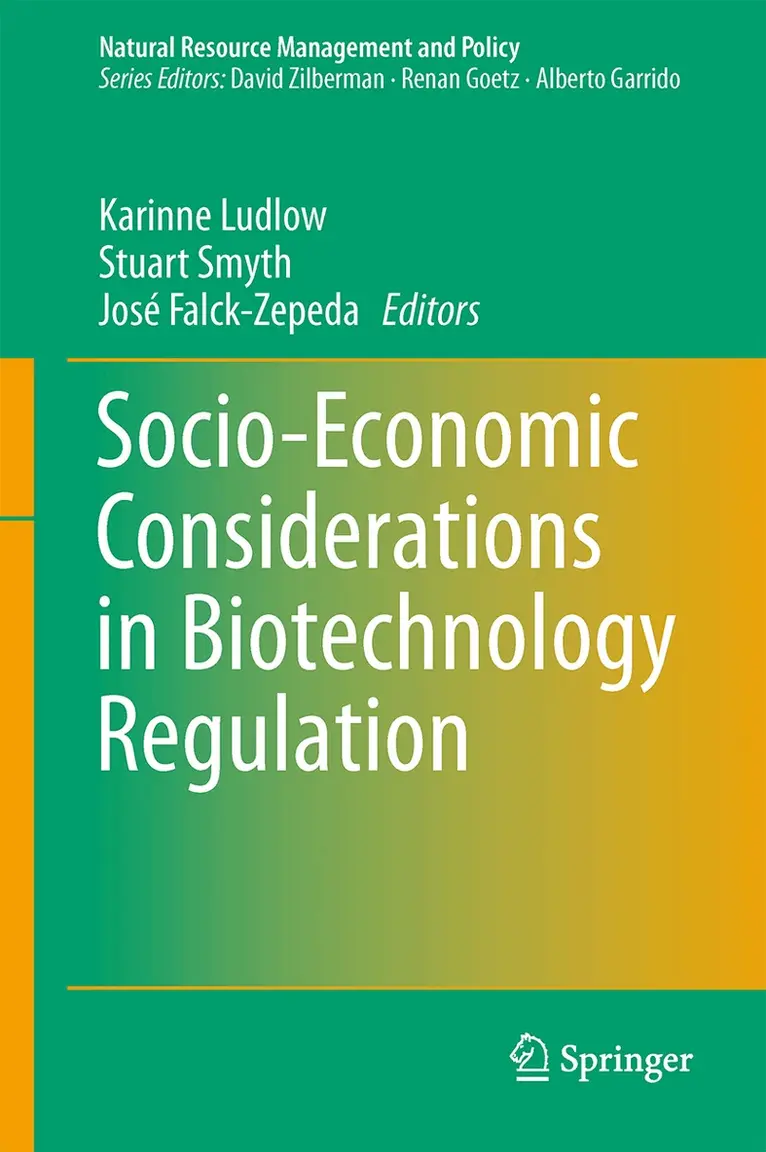
Socio-Economic Considerations in Biotechnology Regulation
Inbunden, Engelska, 2013
1 091 kr
Skickas inom 10-15 vardagar
Within the context of the Convention on Biological Diversity (CBD), the Cartagena Protocol on Biosafety (CPB) was established as an implementing agreement. The CPB is an international agreement establishing the rights of recipient countries to be notified of and to approve or reject the domestic import and/or production of living modified organisms (LMOs). Decisions regarding import/production are to be on the basis of a biosafety assessment. Article 26.1 of the CPB allows for the (optional) inclusion of socio-economic considerations (SECs) into that biosafety assessment process. This book compiles expert assessments of the issues relevant to SEC assessment of LMOs and fundamental for decisions regarding whether to undertake such assessments at all. It includes an overview of the inclusion of SEC assessment in the regulation of LMOs that looks at the rationale for the inclusion of SECs, in the context of the existing science-based risk assessment systems. This book reviews the various factors that can and have been suggested for inclusion in SEC assessment, and provides a meaningful dialogue about the contrasts, benefits and tradeoffs that are, and will, be created by the potential move to the inclusion of SECs in the regulation of LMOs, making it of interest to both academics and policy-makers.
E-bok
PDF, Engelska, 20131 367 kr
Läs direkt efter köp
Within the context of the Convention on Biological Diversity (CBD), the Cartagena Protocol on Biosafety (CPB) was established as an implementing agreement. The CPB is an international agreement establishing the rights of recipient countries to be notified of and to approve or reject the domestic import and/or production of living modified organisms (LMOs). Decisions regarding import/production are to be on the basis of a biosafety assessment. Article 26.1 of the CPB allows for the (optional) inclusion of socio-economic considerations (SECs) into that biosafety assessment process. This book compiles expert assessments of the issues relevant to SEC assessment of LMOs and fundamental for decisions regarding whether to undertake such assessments at all. It includes an overview of the inclusion of SEC assessment in the regulation of LMOs that looks at the rationale for the inclusion of SECs, in the context of the existing science-based risk assessment systems. This book reviews the various factors that can and have been suggested for inclusion in SEC assessment, and provides a meaningful dialogue about the contrasts, benefits and tradeoffs that are, and will, be created by the potential move to the inclusion of SECs in the regulation of LMOs, making it of interest to both academics and policy-makers.
Del 37 - Natural Resource Management and Policy
Socio-Economic Considerations in Biotechnology Regulation
Häftad, Engelska, 2016
1 091 kr
Skickas inom 10-15 vardagar
Within the context of the Convention on Biological Diversity (CBD), the Cartagena Protocol on Biosafety (CPB) was established as an implementing agreement. The CPB is an international agreement establishing the rights of recipient countries to be notified of and to approve or reject the domestic import and/or production of living modified organisms (LMOs). Decisions regarding import/production are to be on the basis of a biosafety assessment. Article 26.1 of the CPB allows for the (optional) inclusion of socio-economic considerations (SECs) into that biosafety assessment process. This book compiles expert assessments of the issues relevant to SEC assessment of LMOs and fundamental for decisions regarding whether to undertake such assessments at all. It includes an overview of the inclusion of SEC assessment in the regulation of LMOs that looks at the rationale for the inclusion of SECs, in the context of the existing science-based risk assessment systems. This book reviews the various factors that can and have been suggested for inclusion in SEC assessment, and provides a meaningful dialogue about the contrasts, benefits and tradeoffs that are, and will, be created by the potential move to the inclusion of SECs in the regulation of LMOs, making it of interest to both academics and policy-makers.