José Luís Garcia – författare
Visar alla böcker från författaren José Luís Garcia. Handla med fri frakt och snabb leverans.
10 produkter
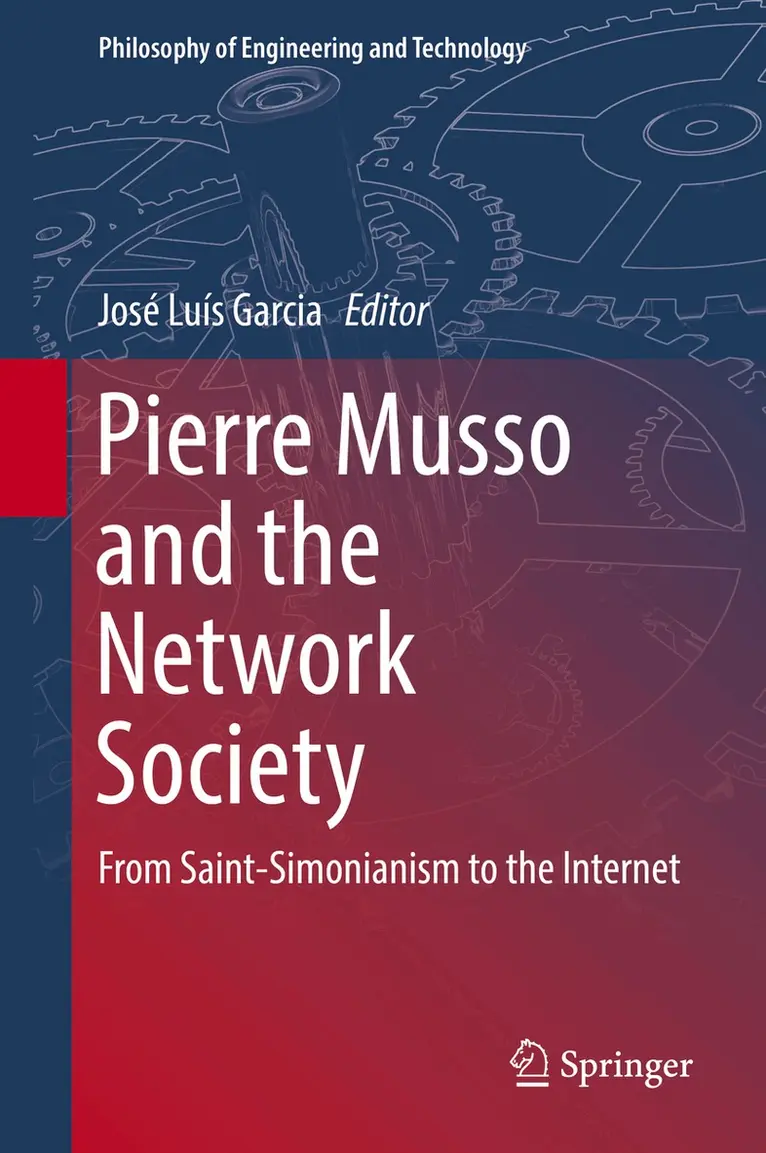
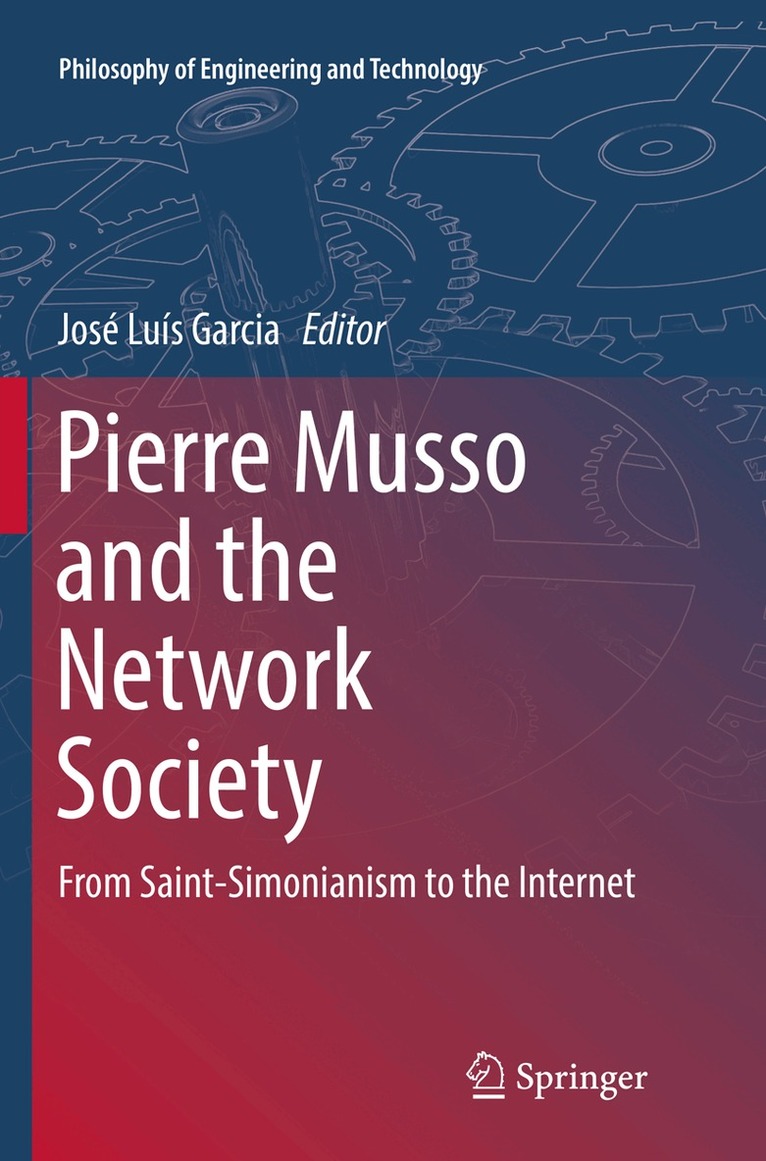
Pierre Musso and the Network Society
From Saint-Simonianism to the Internet
Inbunden, 2017
550 kr
Lägg i varukorg
This book is devoted to discussion of the views of Pierre Musso and starts with a central chapter written by Musso, entitled Network Ideology: from Saint-Simonianism to the Internet . Pierre Musso is a French philosopher and is one of the most original thinkers in the history of the network …
Pierre Musso and the Network Society
From Saint-Simonianism to the Internet
E-bok, 2017
734 kr
Lägg i varukorg
This book is devoted to discussion of the views of Pierre Musso and starts with a central chapter written by Musso, entitled Network Ideology: from Saint-Simonianism to the Internet . Pierre Musso is a French philosopher and is one of the most original thinkers in the history of the network …
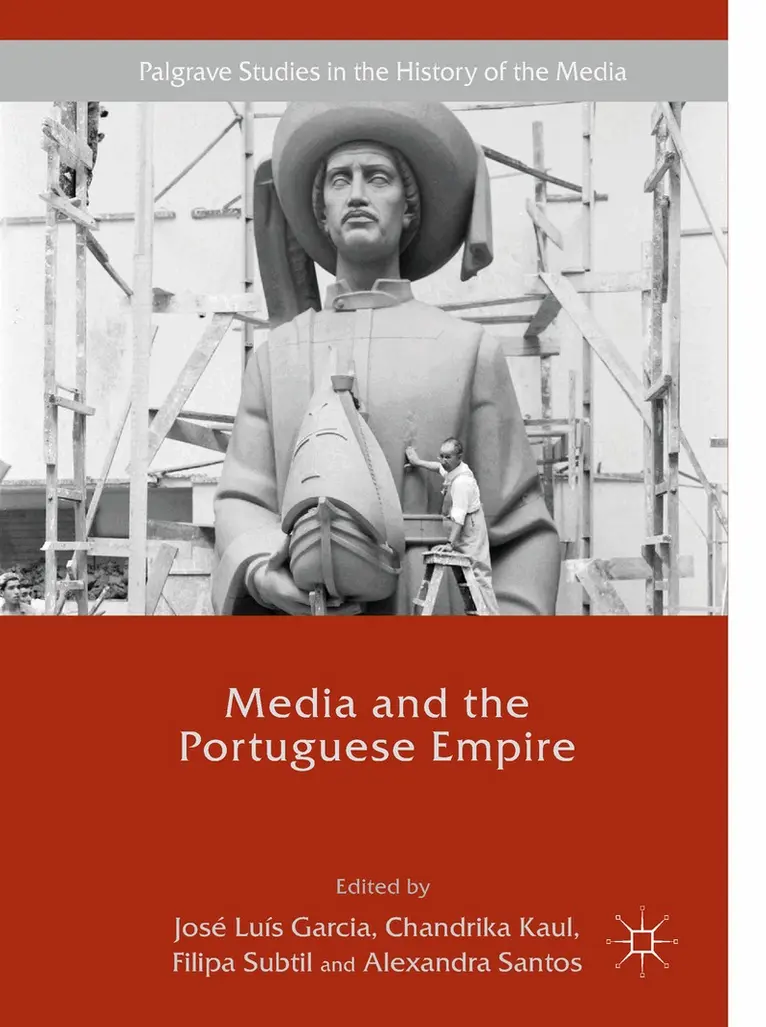
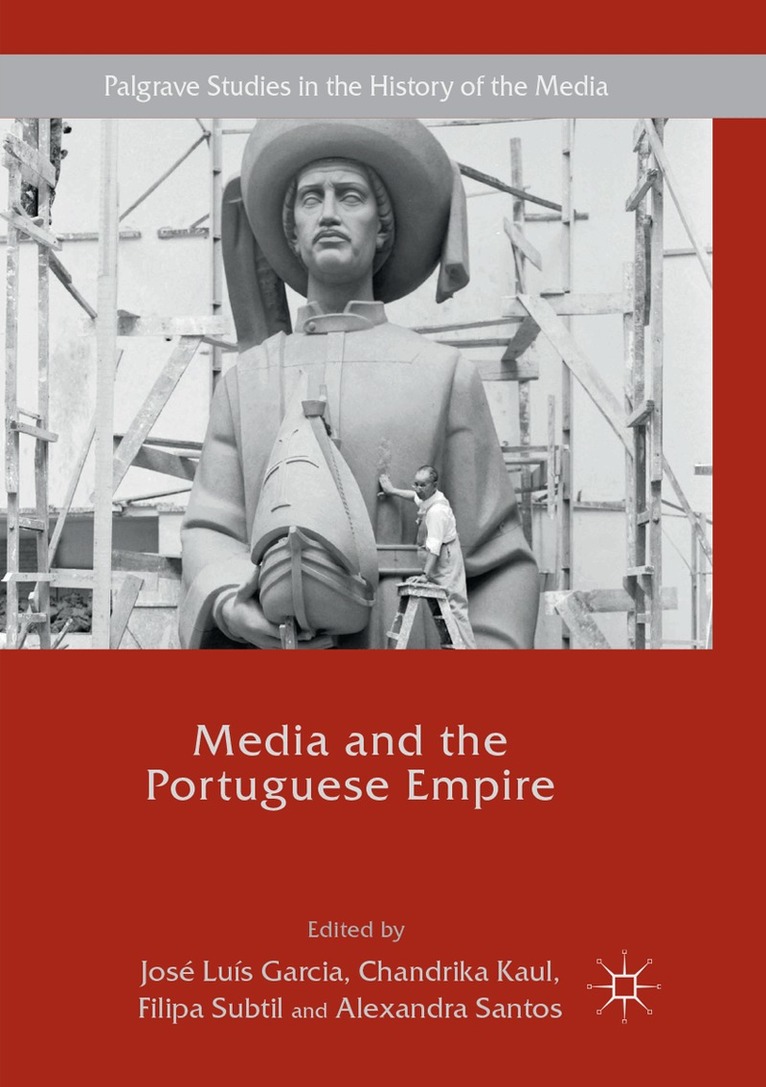
Media and the Portuguese Empire
Av José Luís Garcia, Chandrika Kaul m. fl.
Inbunden, 2017
1350 kr
Lägg i varukorg
This volume offers a new understanding of the role of the media in the Portuguese Empire, shedding light on the interactions between communications, policy, economics, society, culture, and national identities. Based on an interdisciplinary approach, this book comprises studies in journalism, …
Media and the Portuguese Empire
Av Alexandra Santos, Filipa Subtil m. fl.
E-bok, 2017
1838 kr
Lägg i varukorg
This volume offers a new understanding of the role of the media in the Portuguese Empire, shedding light on the interactions between communications, policy, economics, society, culture, and national identities. Based on an interdisciplinary approach, this book comprises studies in journalism, …
Pierre Musso and the Network Society
From Saint-Simonianism to the Internet
Häftad, 2018
550 kr
Lägg i varukorg
This book is devoted to discussion of the views of Pierre Musso and starts with a central chapter written by Musso, entitled Network Ideology: from Saint-Simonianism to the Internet . Pierre Musso is a French philosopher and is one of the most original thinkers in the history of the network …
Media and the Portuguese Empire
Av José Luís Garcia, Chandrika Kaul m. fl.
Häftad, 2018
1350 kr
Lägg i varukorg
This volume offers a new understanding of the role of the media in the Portuguese Empire, shedding light on the interactions between communications, policy, economics, society, culture, and national identities. Based on an interdisciplinary approach, this book comprises studies in journalism, …
¿Hablamos de porno?
Cómo educar a la generación porno en una sexualidad sana y respetuosa
E-bok, 2024
125 kr
Lägg i varukorg
No te conozco, pero estoy seguro de que te preocupa la educación de tu hijo o hija. Este libro está dirigido a madres y padres como tú, alarmados y preocupados por una de las cuestiones que más interés genera en nuestra sociedad hoy en día: el sexo en Internet y el consumo de pornografía por parte …
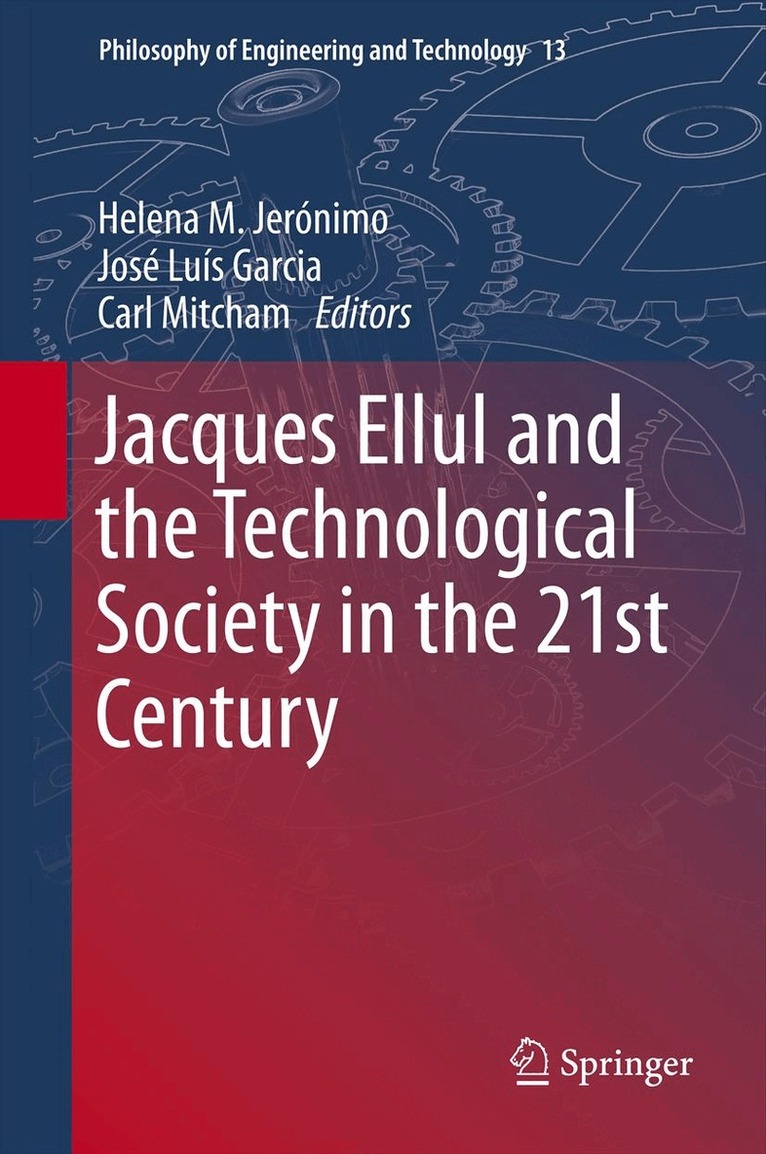
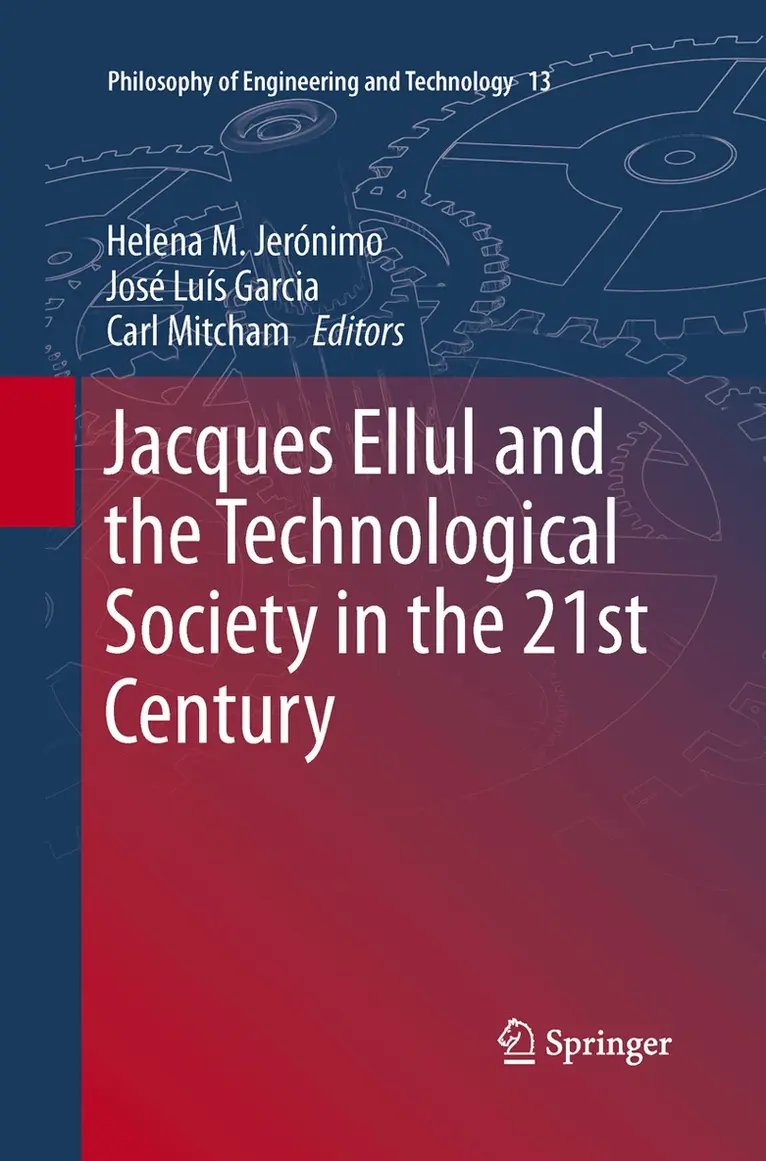
Jacques Ellul and the Technological Society in the 21st Century
Av Helena M. Jerónimo, José Luís Garcia m. fl.
Inbunden, 2013
1202 kr
Lägg i varukorg
This volume rethinks the work of Jacques Ellul (1912-1994) on the centenary of his birth, by presenting an overview of the current debates based on Ellul's insights. As one of the most significant twentieth-century thinkers about technology, Ellul was among the first thinkers to realize the …
Jacques Ellul and the Technological Society in the 21st Century
Av Carl Mitcham, Jose Luis Garcia m. fl.
E-bok, 2013
1587 kr
Lägg i varukorg
This volume rethinks the work of Jacques Ellul (1912-1994) on the centenary of his birth, by presenting an overview of the current debates based on Ellul''s insights. As one of the most significant twentieth-century thinkers about technology, Ellul was among the first thinkers to realize the …
Jacques Ellul and the Technological Society in the 21st Century
Av Helena M. Jerónimo, José Luís Garcia m. fl.
Häftad, 2015
1202 kr
Lägg i varukorg
This volume rethinks the work of Jacques Ellul (1912-1994) on the centenary of his birth, by presenting an overview of the current debates based on Ellul's insights. As one of the most significant twentieth-century thinkers about technology, Ellul was among the first thinkers to realize the …