José Marín-García - Böcker
Visar alla böcker från författaren José Marín-García. Handla med fri frakt och snabb leverans.
10 produkter
10 produkter
2 185 kr
Skickas inom 10-15 vardagar
Mitochondria have been pivotal in the development of some of the most important ideas in modern biology. Since the discovery that the organelle has its own DNA and specific mutations were found in association with neuromuscular and cardiovascular diseases and with aging, an extraordi-nary number of publications have followed, and the term mitochondrial medicine was coined. Furthermore, our understanding of the multiple roles that mitochondria play in cardiac cell homeostasis opened the door for intensive experimentation to understand the pathogenesis and to find new treatments for cardiovascular diseases. Besides its role in adenosine triphosphate generation, mitochondria regu-late a complex network of cellular interactions, involving (1) generation and detoxification of reactive oxygen species, including superoxide anion, hy-drogen peroxide, and hydroxyl radical; (2) maintenance of the antioxidant glutathione in a reduced state and adequate level of mitochondrial matrix superoxide dismutase; (3) cytoplasmic calcium homeostasis, particularly under conditions of cellular calcium loading; (4) transport of metabolites between cytoplasm and matrix; (5) both programmed (apoptosis) and necrotic cell death; and (6) cell growth and development. It is therefore not surprising that this organelle has come to be the center stage in many current investigations of cardiovascular diseases, aging, and agi- related disease. Concomitant with these advances, an impressive effort is under- way for the development of new tools and methodologies to study mitochondrial structure and function, including powerful ways to visualize, monitor, and alter the organelle function to assess the genetic consequences of these perturbations.
1 640 kr
Skickas inom 10-15 vardagar
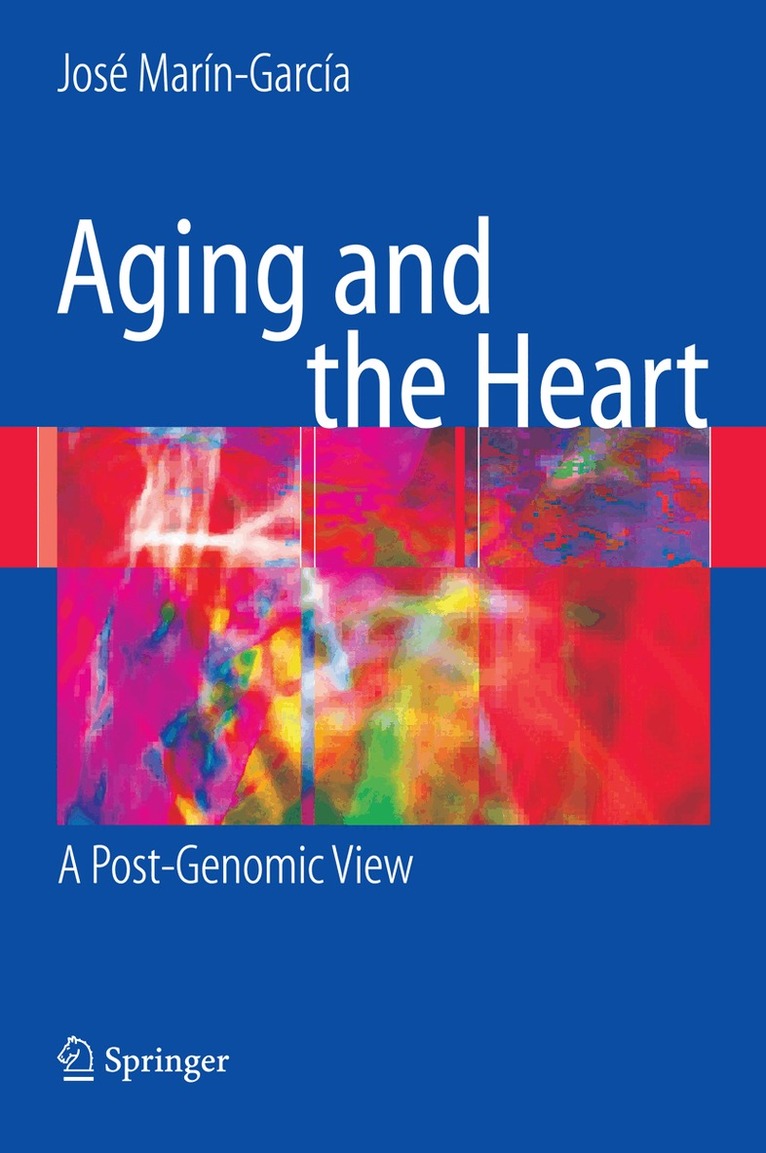
Cardiac aging, like aging in general, is a complex process involving numerous cellular and molecular changes, which along the way contribute to the expression of the multiple phenotypes of aging, "the different faces" of cardiac aging. Several plausible theories have been considered to explain aging, e.g., evolution, free radical, somatic mutation, etc; and at this time it is most likely that these different theories are intertwined with each other without a definitive "winner", reflecting a mixture of genetic and epigenetic elements found in most aged individuals with cardiovascular defects. The demonstration in numerous animal models of the dramatic alterations in life-span achieved by gene engineering or dietary modifications, such as caloric restriction, further underscores the interplay of both genetic and environmental factors involved in aging, as well as acting through molecular and signaling pathways operative in the heart and the vasculature.Aging and decreasing heart function occurring together has been amply documented, and our knowledge of age associated cardiac pathologies has outpaced our understanding of the basic mechanisms underlying these processes. At present, genomics, proteomics and recombinant DNA techniques are increasingly applied to the study of cardiac cell structure and function. Their role in aging, in general, and in the aging heart, in particular, will finally be unveiled. With the availability of the Human Genome Project, and an ever increasing number of animal models and new and exciting molecular technologies, the unraveling of the underlying basic mechanisms of cardiac aging have already begun. In this book, the genetic and molecular basis of cardiovascular aging will be discussed and a comprehensive assessment of the bioenergetics changes occurring in human and animal models of cardiac aging, current diagnostic and future therapeutic modalities will be presented.
2 402 kr
Skickas inom 10-15 vardagar
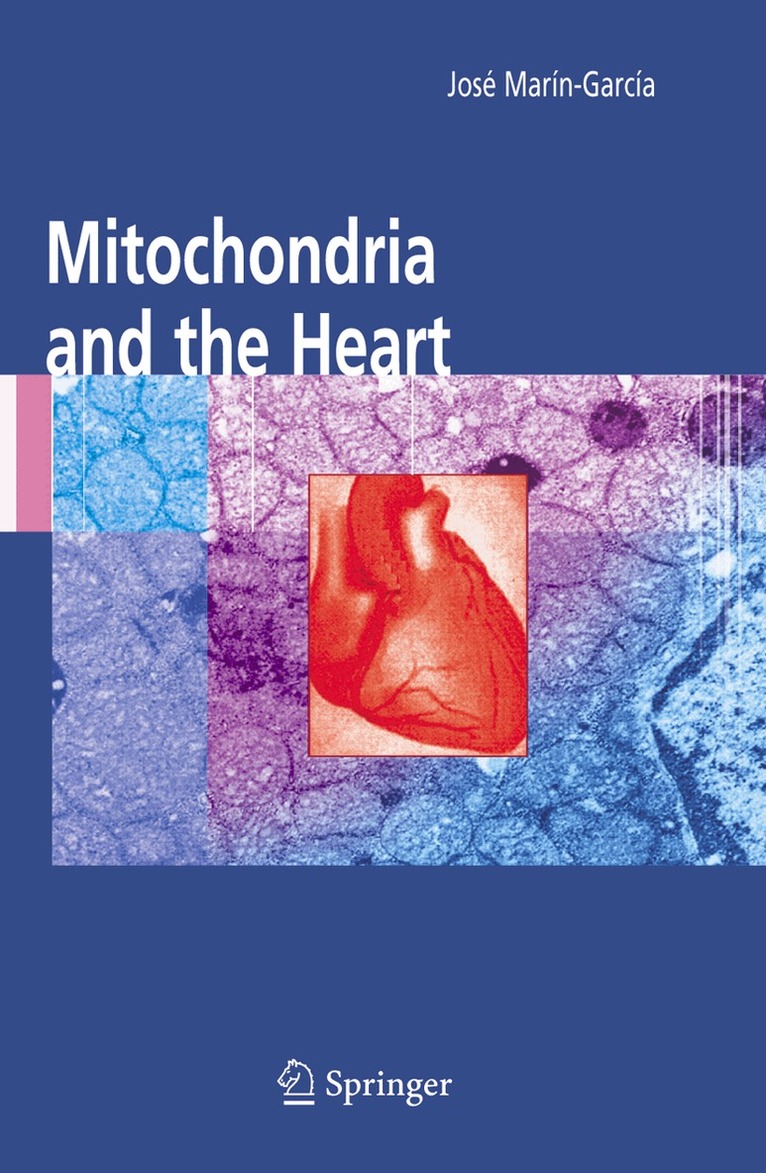
The function of the heart is highly dependent on oxidative energy that is generated in mitochondria. Defects in mitochondrial structure and function can be found in association with cardiovascular diseases. Mitochondria and the Heart discusses the role that mitochondria plays in cardiovascular disease, including biogenesis and function of cardiac mitochondria during normal growth, development and aging. In addition, nonbioenergetic, biogenesis and degradation pathways are explored. Understanding these pathways and the effects that mitochondrial defects have in cardiac pathology is extremely important in establishing the diagnosis and treatment of mitochondrial-based cardiac diseases.
1 205 kr
Skickas inom 10-15 vardagar
Cardiac aging, like aging in general, is a complex process involving numerous cellular and molecular changes, which along the way contribute to the expression of the multiple phenotypes of aging, "the different faces" of cardiac aging. Several plausible theories have been considered to explain aging, e.g., evolution, free radical, somatic mutation, etc; and at this time it is most likely that these different theories are intertwined with each other without a definitive "winner", reflecting a mixture of genetic and epigenetic elements found in most aged individuals with cardiovascular defects. The demonstration in numerous animal models of the dramatic alterations in life-span achieved by gene engineering or dietary modifications, such as caloric restriction, further underscores the interplay of both genetic and environmental factors involved in aging, as well as acting through molecular and signaling pathways operative in the heart and the vasculature.Aging and decreasing heart function occurring together has been amply documented, and our knowledge of age associated cardiac pathologies has outpaced our understanding of the basic mechanisms underlying these processes. At present, genomics, proteomics and recombinant DNA techniques are increasingly applied to the study of cardiac cell structure and function. Their role in aging, in general, and in the aging heart, in particular, will finally be unveiled. With the availability of the Human Genome Project, and an ever increasing number of animal models and new and exciting molecular technologies, the unraveling of the underlying basic mechanisms of cardiac aging have already begun. In this book, the genetic and molecular basis of cardiovascular aging will be discussed and a comprehensive assessment of the bioenergetics changes occurring in human and animal models of cardiac aging, current diagnostic and future therapeutic modalities will be presented.
1 640 kr
Skickas inom 10-15 vardagar
Signal transduction pathways are at the core of most biological processes and are critical regulators of heart physiology and pathophysiology. The heart is both a transmitter and dynamic receptor of a variety of intracellular and extracellular stimuli, playing a critical role of an integrator of diverse signaling mechanisms. Alterations in signaling pathways are contributing factors in the development and progression of a broad spectrum of diseases, ranging from dysrhythmias and atherosclerosis to hypertension and the metabolic syndrome. Targeting specific components of these signaling pathways has been shown to be effective in preclinical studies with significant therapeutic impact. This book brings together current knowledge in cardiovascular cell signal transduction mechanisms, advances in novel therapeutic approaches to improve cardiac function, and discussion of future directions. Presented from a post-genomic perspective, this exciting book introduces important new ideas in cardiovascular systems biology. It is an invaluable reference for cardiology researchers and practitioners.
2 185 kr
Skickas inom 10-15 vardagar
This revised and updated edition reflects the latest research on the role of mitochondria in cardiovascular diseases and brings Dr. Marin-Garcia's 2005 volume, Mitochondria and the Heart, up to speed, focusing on biological understanding and clinical impact.
1 205 kr
Skickas inom 10-15 vardagar
Signal transduction pathways are at the core of most biological processes and are critical regulators of heart physiology and pathophysiology. The heart is both a transmitter and dynamic receptor of a variety of intracellular and extracellular stimuli, playing a critical role of an integrator of diverse signaling mechanisms. Alterations in signaling pathways are contributing factors in the development and progression of a broad spectrum of diseases, ranging from dysrhythmias and atherosclerosis to hypertension and the metabolic syndrome. Targeting specific components of these signaling pathways has been shown to be effective in preclinical studies with significant therapeutic impact. This book brings together current knowledge in cardiovascular cell signal transduction mechanisms, advances in novel therapeutic approaches to improve cardiac function, and discussion of future directions. Presented from a post-genomic perspective, this exciting book introduces important new ideas in cardiovascular systems biology. It is an invaluable reference for cardiology researchers and practitioners.
1 804 kr
Skickas inom 10-15 vardagar
Over the past two decades, due to dramatic advances in molecular and cell biology, biochemistry, and genetics, our view on mitochondria as a relatively static cellular powerhouse has changed radically. We now know that these organelles play a critical role in the normal and in the damaged heart. Written by Dr. José Marín-García, Director of the Molecular Cardiology and Neuromuscular Institute, Mitochondria and Their Role in Cardiovascular Disease brings readers up- to-date on the many significant advances in the field of mitochondrial cardiovascular medicine. The book begins with a general introduction to mitochondria, followed by laboratory methods to study the structure and function of the organelle, regulation of replication and biogenesis, and the mechanisms and functional consequences of mitophagia and mitochondrial dynamics. Subsequent chapters deal with mitochondrial oxidative stress and the role that the organelle plays in cell signaling and cell death. Discussions will be undertaken on the biochemistry of mitochondrial cell signaling, including the nature of the proteins engaged in these processes, many of them only recently discovered. Later chapters examine the role of mitochondria and mitochondrial abnormalities in cardiovascular diseases, including their diagnosis, therapeutic options currently available, animal models of mitochondrial disease, and new frontiers in mitochondria cardiovascular medicine, including areas of research that are relatively new or developing, such as proteomics, next generation sequencing, and systems biology.
2 185 kr
Skickas inom 10-15 vardagar
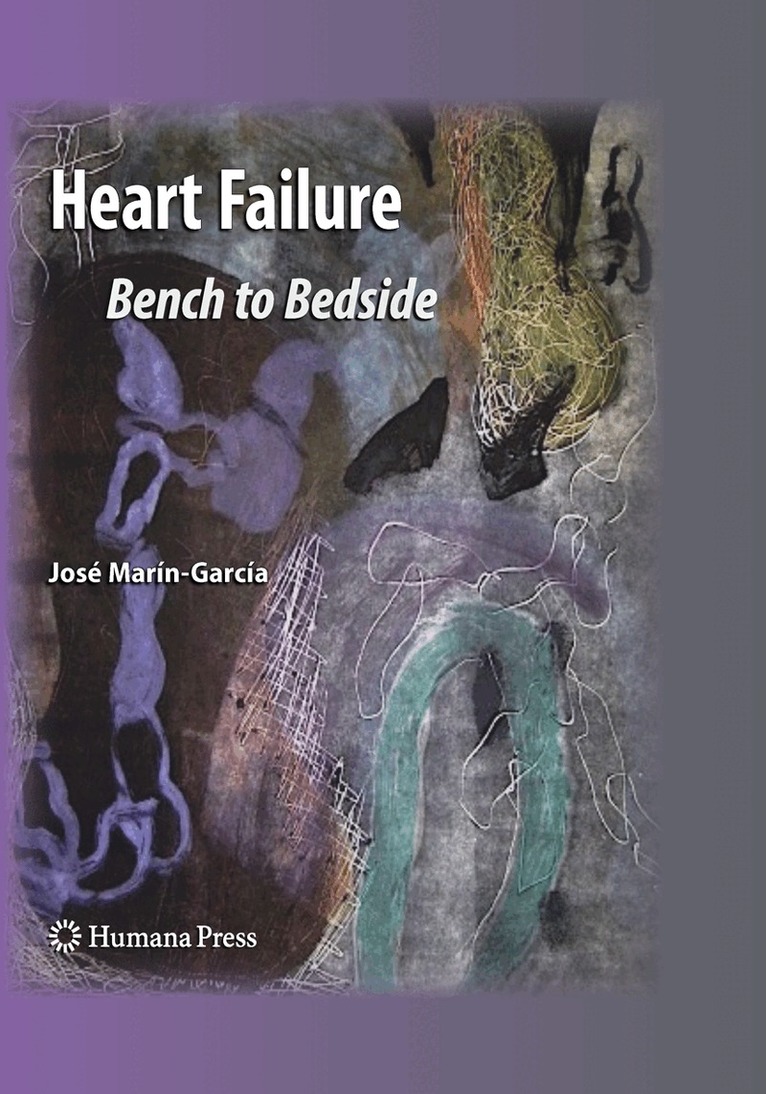
Heart Failure (HF) is the final and common pathway of all cardiovascular diseases. Heart Failure: Bench to Bedside helps address a significant need to develop new paradigms and to identify novel therapeutic targets for this pervasive disease. An authoritative contribution to the field, this book provides a detailed description of new findings and emerging methodologies, as well as a critical clinical evaluation of the complex HF syndrome and future therapies.Heart Failure: Bench to Bedside includes a primer on gene profiling and bioenergetics of the normal heart and a discussion of the molecular, genetic, biochemical and cellular techniques critical to understanding HF. Further chapters discuss cardiac remodeling, oxidative stress, and alterations in other organs and systems that are often associated with HF. This book thoughtfully evaluates current and forthcoming diagnostic techniques and therapies, pharmaceutical and pharmacogenomic-based individualized medicine, gene and cell-based therapies, and the search for new frontiers.Heart Failure: Bench to Bedside presents a clear view of up-to-date approaches to clinical diagnosis and treatment, as well as offering insightful critiques of original and creative scientific thoughts on post-genomic HF research.
2 402 kr
Skickas inom 10-15 vardagar
Heart Failure (HF) is the final and common pathway of all cardiovascular diseases. Heart Failure: Bench to Bedside helps address a significant need to develop new paradigms and to identify novel therapeutic targets for this pervasive disease. An authoritative contribution to the field, this book provides a detailed description of new findings and emerging methodologies, as well as a critical clinical evaluation of the complex HF syndrome and future therapies.Heart Failure: Bench to Bedside includes a primer on gene profiling and bioenergetics of the normal heart and a discussion of the molecular, genetic, biochemical and cellular techniques critical to understanding HF. Further chapters discuss cardiac remodeling, oxidative stress, and alterations in other organs and systems that are often associated with HF. This book thoughtfully evaluates current and forthcoming diagnostic techniques and therapies, pharmaceutical and pharmacogenomic-based individualized medicine, gene and cell-based therapies, and the search for new frontiers.Heart Failure: Bench to Bedside presents a clear view of up-to-date approaches to clinical diagnosis and treatment, as well as offering insightful critiques of original and creative scientific thoughts on post-genomic HF research.