José Pardo-Tomás – författare
Visar alla böcker från författaren José Pardo-Tomás. Handla med fri frakt och snabb leverans.
5 produkter
5 produkter
Häftad, Engelska, 2020
742 kr
Skickas inom 10-15 vardagar
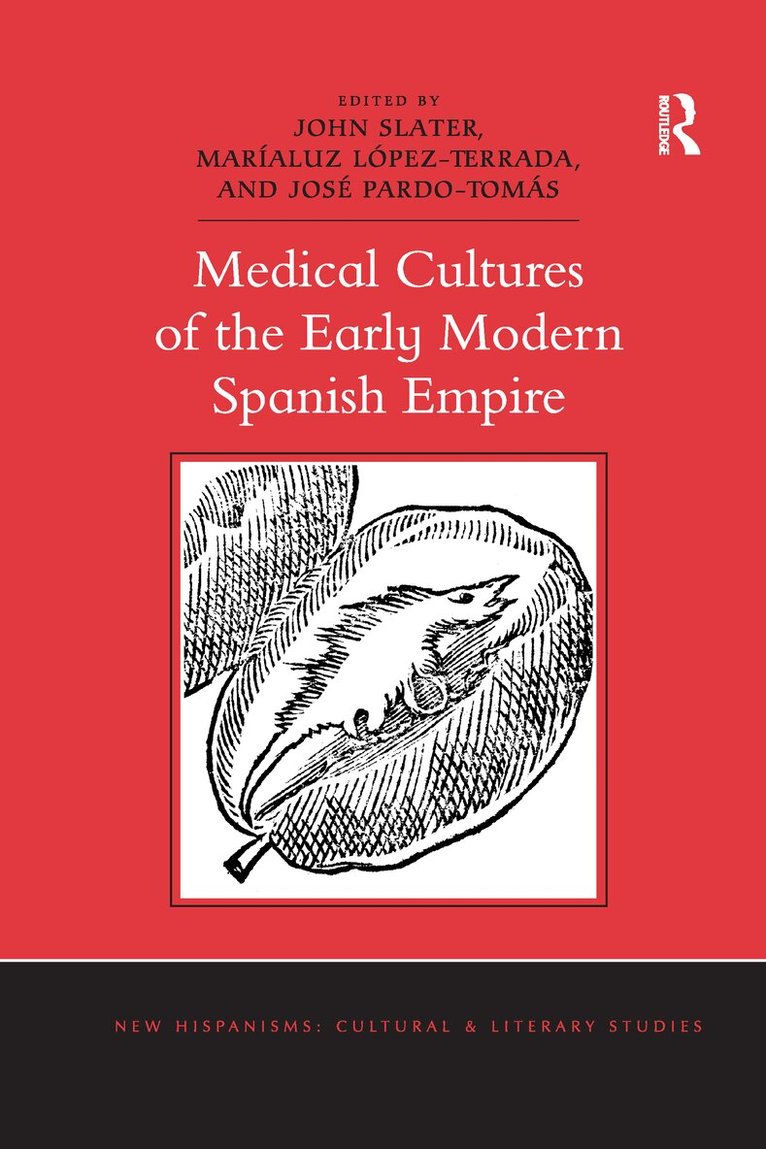
Early modern Spain was a global empire in which a startling variety of medical cultures came into contact, and occasionally conflict, with one another. Spanish soldiers, ambassadors, missionaries, sailors, and emigrants of all sorts carried with them to the farthest reaches of the monarchy their own ideas about sickness and health. These ideas were, in turn, influenced by local cultures. This volume tells the story of encounters among medical cultures in the early modern Spanish empire. The twelve chapters draw upon a wide variety of sources, ranging from drama, poetry, and sermons to broadsheets, travel accounts, chronicles, and Inquisitorial documents; and it surveys a tremendous regional scope, from Mexico, to the Canary Islands, the Iberian Peninsula, Italy, and Germany. Together, these essays propose a new interpretation of the circulation, reception, appropriation, and elaboration of ideas and practices related to sickness and health, sex, monstrosity, and death, in a historical moment marked by continuous cross-pollination among institutions and populations with a decided stake in the functioning and control of the human body. Ultimately, the volume discloses how medical cultures provided demographic, analytical, and even geographic tools that constituted a particular kind of map of knowledge and practice, upon which were plotted: the local utilities of pharmacological discoveries; cures for social unrest or decline; spaces for political and institutional struggle; and evolving understandings of monstrousness and normativity. Medical Cultures of the Early Modern Spanish Empire puts the history of early modern Spanish medicine on a new footing in the English-speaking world.
E-bok
Engelska, 2016769 kr
Läs direkt efter köp
Early modern Spain was a global empire in which a startling variety of medical cultures came into contact, and occasionally conflict, with one another. Spanish soldiers, ambassadors, missionaries, sailors, and emigrants of all sorts carried with them to the farthest reaches of the monarchy their own ideas about sickness and health. These ideas were, in turn, influenced by local cultures. This volume tells the story of encounters among medical cultures in the early modern Spanish empire. The twelve chapters draw upon a wide variety of sources, ranging from drama, poetry, and sermons to broadsheets, travel accounts, chronicles, and Inquisitorial documents; and it surveys a tremendous regional scope, from Mexico, to the Canary Islands, the Iberian Peninsula, Italy, and Germany. Together, these essays propose a new interpretation of the circulation, reception, appropriation, and elaboration of ideas and practices related to sickness and health, sex, monstrosity, and death, in a historical moment marked by continuous cross-pollination among institutions and populations with a decided stake in the functioning and control of the human body. Ultimately, the volume discloses how medical cultures provided demographic, analytical, and even geographic tools that constituted a particular kind of map of knowledge and practice, upon which were plotted: the local utilities of pharmacological discoveries; cures for social unrest or decline; spaces for political and institutional struggle; and evolving understandings of monstrousness and normativity. Medical Cultures of the Early Modern Spanish Empire puts the history of early modern Spanish medicine on a new footing in the English-speaking world.
E-bok
PDF, Engelska, 2016769 kr
Läs direkt efter köp
Early modern Spain was a global empire in which a startling variety of medical cultures came into contact, and occasionally conflict, with one another. Spanish soldiers, ambassadors, missionaries, sailors, and emigrants of all sorts carried with them to the farthest reaches of the monarchy their own ideas about sickness and health. These ideas were, in turn, influenced by local cultures. This volume tells the story of encounters among medical cultures in the early modern Spanish empire. The twelve chapters draw upon a wide variety of sources, ranging from drama, poetry, and sermons to broadsheets, travel accounts, chronicles, and Inquisitorial documents; and it surveys a tremendous regional scope, from Mexico, to the Canary Islands, the Iberian Peninsula, Italy, and Germany. Together, these essays propose a new interpretation of the circulation, reception, appropriation, and elaboration of ideas and practices related to sickness and health, sex, monstrosity, and death, in a historical moment marked by continuous cross-pollination among institutions and populations with a decided stake in the functioning and control of the human body. Ultimately, the volume discloses how medical cultures provided demographic, analytical, and even geographic tools that constituted a particular kind of map of knowledge and practice, upon which were plotted: the local utilities of pharmacological discoveries; cures for social unrest or decline; spaces for political and institutional struggle; and evolving understandings of monstrousness and normativity. Medical Cultures of the Early Modern Spanish Empire puts the history of early modern Spanish medicine on a new footing in the English-speaking world.
Inbunden, Engelska, 2014
2 474 kr
Skickas inom 10-15 vardagar
Early modern Spain was a global empire in which a startling variety of medical cultures came into contact, and occasionally conflict, with one another. Spanish soldiers, ambassadors, missionaries, sailors, and emigrants of all sorts carried with them to the farthest reaches of the monarchy their own ideas about sickness and health. These ideas were, in turn, influenced by local cultures. This volume tells the story of encounters among medical cultures in the early modern Spanish empire. The twelve chapters draw upon a wide variety of sources, ranging from drama, poetry, and sermons to broadsheets, travel accounts, chronicles, and Inquisitorial documents; and it surveys a tremendous regional scope, from Mexico, to the Canary Islands, the Iberian Peninsula, Italy, and Germany. Together, these essays propose a new interpretation of the circulation, reception, appropriation, and elaboration of ideas and practices related to sickness and health, sex, monstrosity, and death, in a historical moment marked by continuous cross-pollination among institutions and populations with a decided stake in the functioning and control of the human body. Ultimately, the volume discloses how medical cultures provided demographic, analytical, and even geographic tools that constituted a particular kind of map of knowledge and practice, upon which were plotted: the local utilities of pharmacological discoveries; cures for social unrest or decline; spaces for political and institutional struggle; and evolving understandings of monstrousness and normativity. Medical Cultures of the Early Modern Spanish Empire puts the history of early modern Spanish medicine on a new footing in the English-speaking world.
E-bok
Spanska, 2019111 kr
Läs direkt efter köp
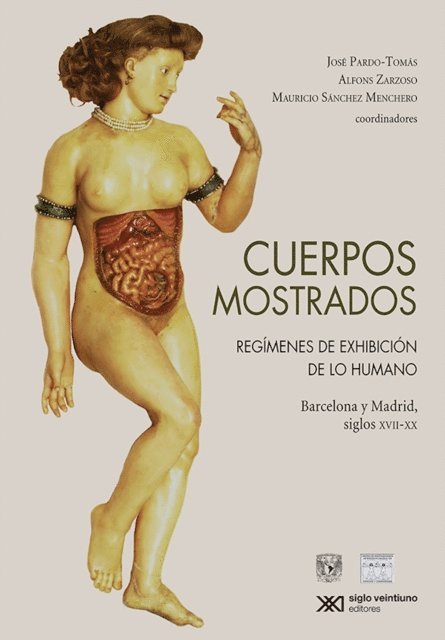
En nuestro tiempo, a la vez que se producen debates en torno a la muestra de restos humanos en museos, asistimos al éxito de público de exhibiciones de restos humanos en operaciones comerciales que se sitúan a medio camino entre la divulgación científica y el negocio del espectáculo. Las preguntas que suscita este doble episodio contemporáneo son muchas, las respuestas dependen, en mayor o menor medida, de argumentos en boca de un amplio elenco de expertos de diferente condición y procedencia (geográfica, cultural, social). Sin embargo, con frecuencia, la historicidad del fenómeno está ausente de los debates, de manera que es difícil dar respuestas cuya comprensión, necesariamente, comporta la introducción de una perspectiva histórica adecuada acerca de la exhibición de cuerpos, fragmentos y restos de ellos, o modelos anatómicos en soportes diversos.Este libro surge de esta convicción y por eso reúne diversos estudios históricos que permiten una pluralidad de aproximaciones a las condiciones sociales y culturales cambiantes que ha conocido la circulación y exhibición, más o menos publica, no solo de los restos humanos procedentes de cuerpo "reales", sino también de sus representaciones en imágenes, modelos u otros objetos o modelos anatómicos en soportes diversos.