Jose SÁNCHEZ GARCÍA – författare
Visar alla böcker från författaren . Handla med fri frakt och snabb leverans.
3 produkter
3 produkter
Häftad, Engelska, 2020
584 kr
Skickas inom 10-15 vardagar
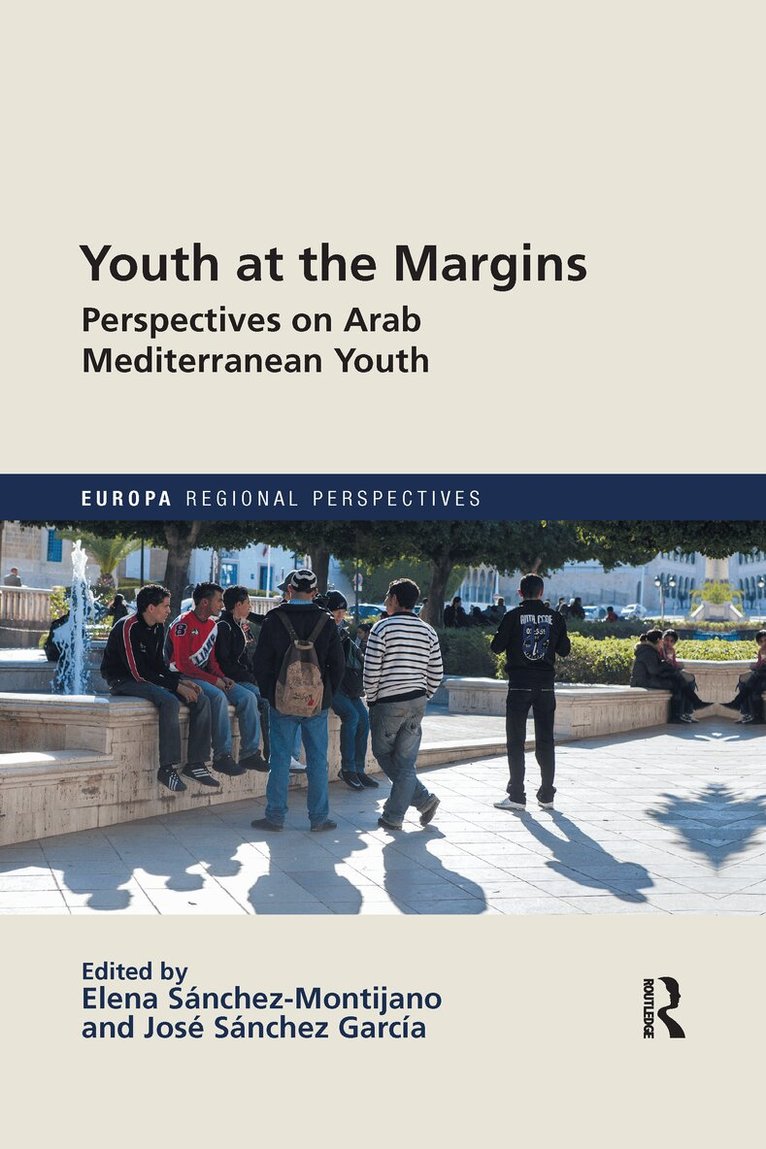
The 2011 Arab uprisings led to a great proliferation of studies on the situations in the Arab countries of the Mediterranean, with particular attention given to their young people, whose role was particularly central. Eight years on, in-depth exploration is still needed of the conditions in which millions of (mainly young) people demanded change. In this context, this volume examines the state and diversity of the forms of socioeconomic, political and cultural marginalization facing the region's young men and women, as well as the strategies and routes of contestation by which they escape them. Through the interdisciplinary empiricism of this book, based on the results emerging from the SAHWA Project (funded by the European Commission under the Seventh Framework Programme, grant agreement nº 613174), we aspire to build a complex description and analysis of the current situation of the Arab Mediterranean youth. The aim is to fathom out young people’s patterns, agency and living conditions, focusing on the relational character of the juvenile worlds actively constructed by themselves. The authors explore the main trends that are reflected in the social strategies, cultural constructions and changes within the Arab youth population, and whether the creation of new lifestyles and the emergence of youth cultures are an indicator of sociopolitical transitions. To answer all these questions the researchers have conducted a comprehensive study in five Arab Mediterranean countries: Algeria, Egypt, Lebanon, Morocco and Tunisia. Based on mixed method research the data collection is composed of two primary sources: the SAHWA Youth Survey 2016 (2017), in which 10,000 young people were interviewed; and the SAHWA Ethnographic Fieldwork 2015, involving more than 200 young people.
Inbunden, Engelska, 2019
1 984 kr
Skickas inom 10-15 vardagar
The 2011 Arab uprisings led to a great proliferation of studies on the situations in the Arab countries of the Mediterranean, with particular attention given to their young people, whose role was particularly central. Eight years on, in-depth exploration is still needed of the conditions in which millions of (mainly young) people demanded change. In this context, this volume examines the state and diversity of the forms of socioeconomic, political and cultural marginalization facing the region's young men and women, as well as the strategies and routes of contestation by which they escape them. Through the interdisciplinary empiricism of this book, based on the results emerging from the SAHWA Project (funded by the European Commission under the Seventh Framework Programme, grant agreement nº 613174), we aspire to build a complex description and analysis of the current situation of the Arab Mediterranean youth. The aim is to fathom out young people’s patterns, agency and living conditions, focusing on the relational character of the juvenile worlds actively constructed by themselves. The authors explore the main trends that are reflected in the social strategies, cultural constructions and changes within the Arab youth population, and whether the creation of new lifestyles and the emergence of youth cultures are an indicator of sociopolitical transitions. To answer all these questions the researchers have conducted a comprehensive study in five Arab Mediterranean countries: Algeria, Egypt, Lebanon, Morocco and Tunisia. Based on mixed method research the data collection is composed of two primary sources: the SAHWA Youth Survey 2016 (2017), in which 10,000 young people were interviewed; and the SAHWA Ethnographic Fieldwork 2015, involving more than 200 young people.
E-bok
Spanska, 2023136 kr
Läs direkt efter köp
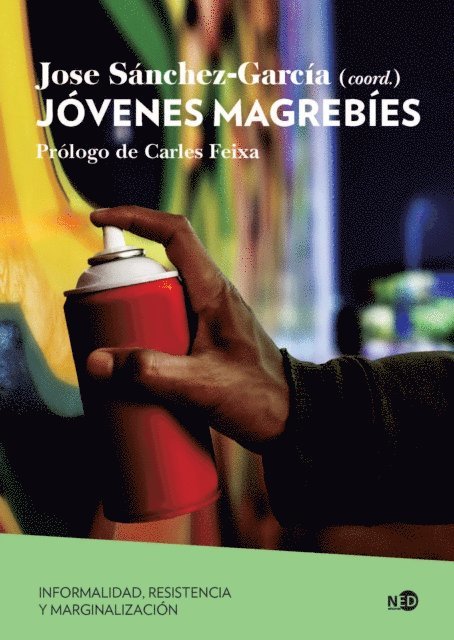
¿Qué significa ser joven en las sociedades magrebíes en la segunda década del siglo XXI? Este libro no pretende contestar a esa pregunta, pero sí que nos ofrece retazos de vida juvenil en contextos marcados no solo por la precariedad, la informalidad o la marginalidad, sino también por la solidaridad, la hospitalidad y el comunitarismo, para que el lector pueda responder por sí mismo.En ese sentido, los autores nos acercan a un tema poco tratado por la antropología y la etnografía: los grupos juveniles en el norte de África. Presentan procesos con límites borrosos en diferentes lugares con condiciones sociales, políticas y económicas diferentes. Observando prácticas, símbolos compartidos y el lenguaje utilizado por los grupos de jóvenes, se trata de ver cómo estos jóvenes navegan entre valores sociales y culturales hegemónicos con aquellos que se practican en la vida callejera que son considerados «anormales» e «inaceptables» por los «jueces de la normalidad», incluso cuando se trata de prácticas ilegales pero legitimadas socialmente.Se reúnen diez autores, en su mayoría magrebíes, para ofrecer una visión renovada y contemporánea de lo que significa ser joven en el norte de África.