Joseph E. Steinmetz – författare
Visar alla böcker från författaren Joseph E. Steinmetz. Handla med fri frakt och snabb leverans.
13 produkter
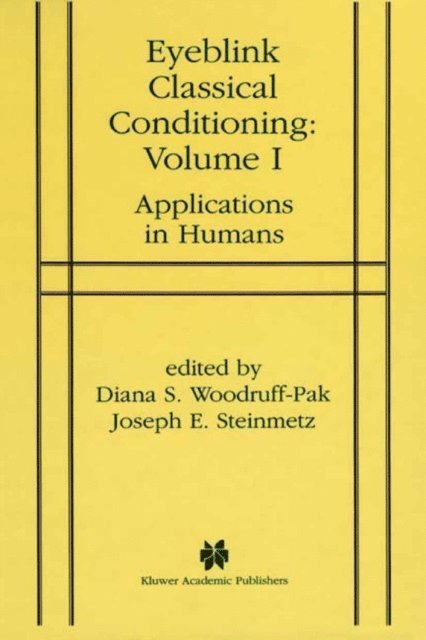
Eyeblink Classical Conditioning Volume 1
Applications in Humans
Av Joseph E. Steinmetz, Diana S. Woodruff-Pak
E-bok, 2007
2127 kr
Lägg i varukorg
The model system of eyeblink classical conditioning in humans has enormous potential for the understanding and application of fundamental principles of learning. This collection makes classical conditioning accessible to teachers and researchers in a number of ways. The first aim is to present the …
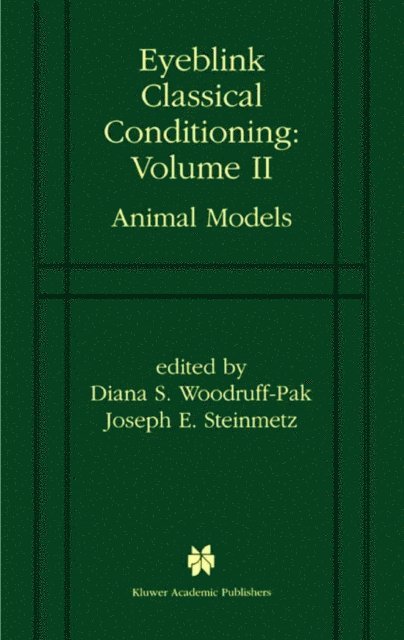
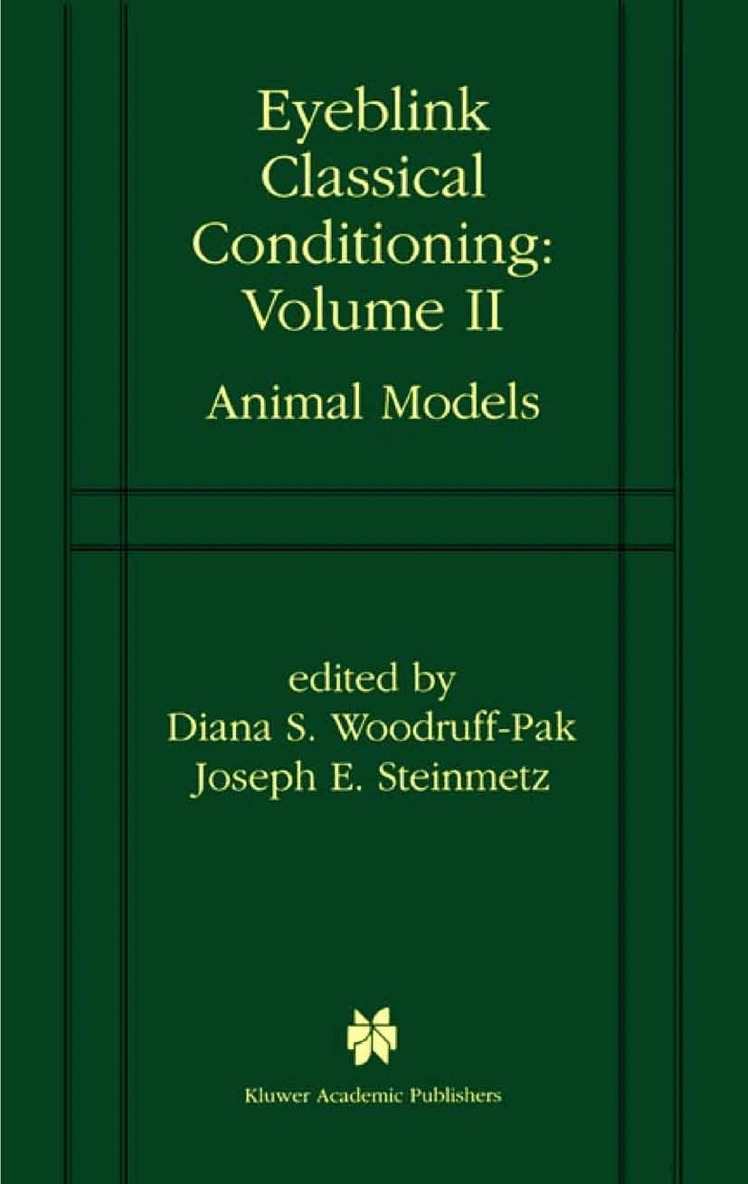
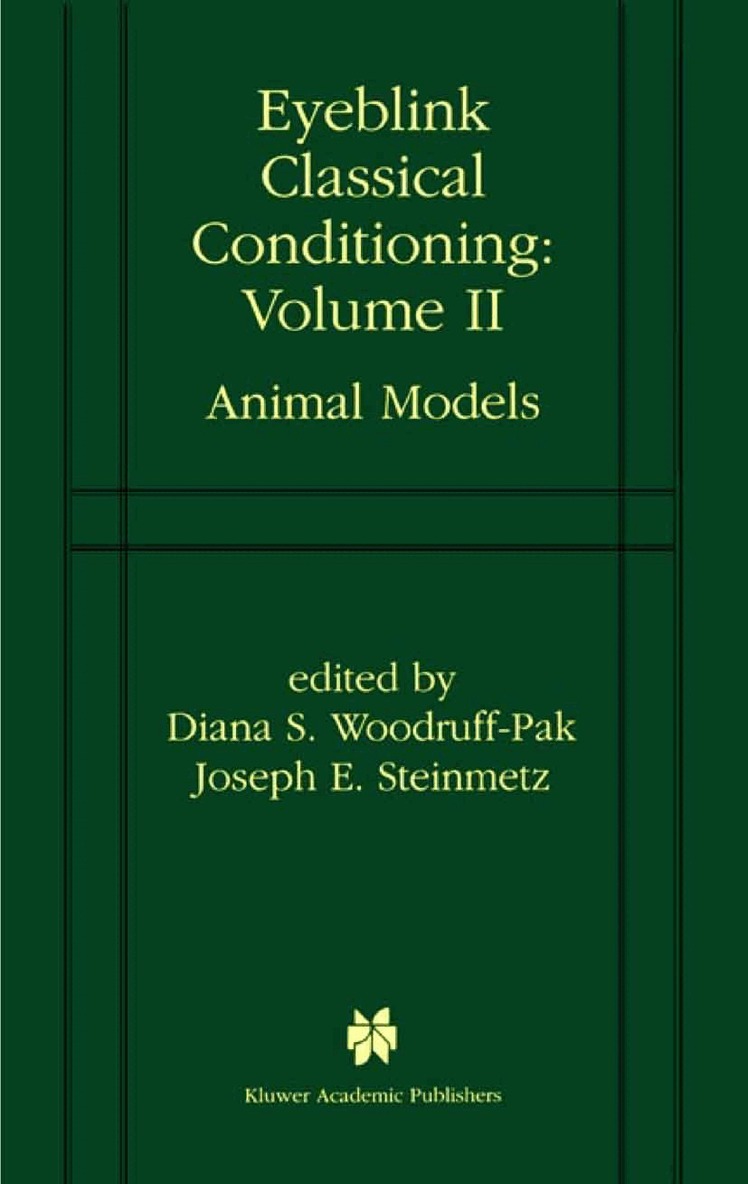
Eyeblink Classical Conditioning Volume 2
Animal Models
Av Joseph E. Steinmetz, Diana S. Woodruff-Pak
E-bok, 2007
2174 kr
Lägg i varukorg
Classical conditioning of the nictitating membrane (NM) eyeblink response in rabbits is a useful model system for the study of the neurobiology of learning and memory. This paradigm that is so well described on a biological level has also been applied to studies of normal development over the life …
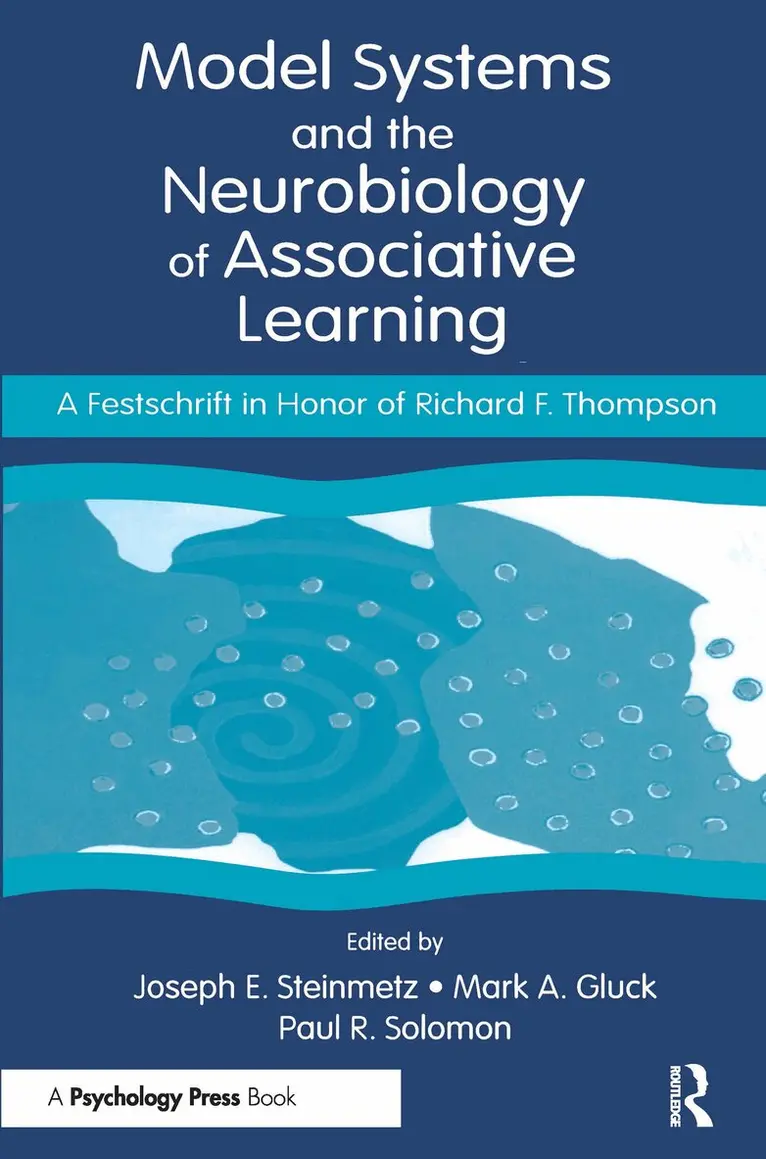
Model Systems and the Neurobiology of Associative Learning
A Festschrift in Honor of Richard F. Thompson
Av Joseph E. Steinmetz, Mark A. Gluck m. fl.
Häftad, 2013
870 kr
Lägg i varukorg
This volume contains a collection of papers written by former students, postdoctoral fellows, and colleagues of Richard Thompson and represent written versions of papers presented at the Festschrift symposium. The Festschrift provided an excellent opportunity for the participants to recount their …
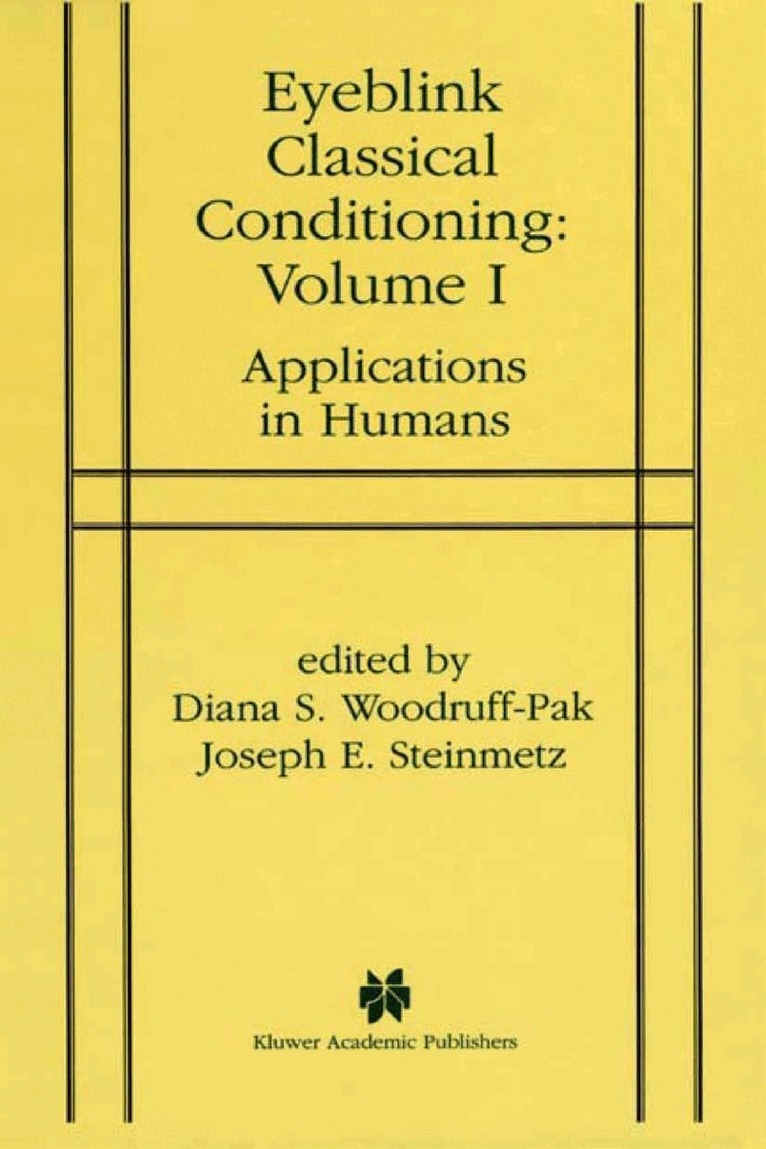
Eyeblink Classical Conditioning Volume 1
Applications in Humans
Av Diana S. Woodruff-Pak, Joseph E. Steinmetz
Inbunden, 2000
1597 kr
Lägg i varukorg
The model system of eyeblink classical conditioning in humans has enormous potential for the understanding and application of fundamental principles of learning. This collection makes classical conditioning accessible to teachers and researchers in a number of ways. The first aim is to present the …
Eyeblink Classical Conditioning Volume 2
Animal Models
Av Diana S. Woodruff-Pak, Joseph E. Steinmetz
Inbunden, 2000
1597 kr
Lägg i varukorg
Classical conditioning of the nictitating membrane (NM) eyeblink response in rabbits is a useful model system for the study of the neurobiology of learning and memory. This paradigm that is so well described on a biological level has also been applied to studies of normal development over the life …
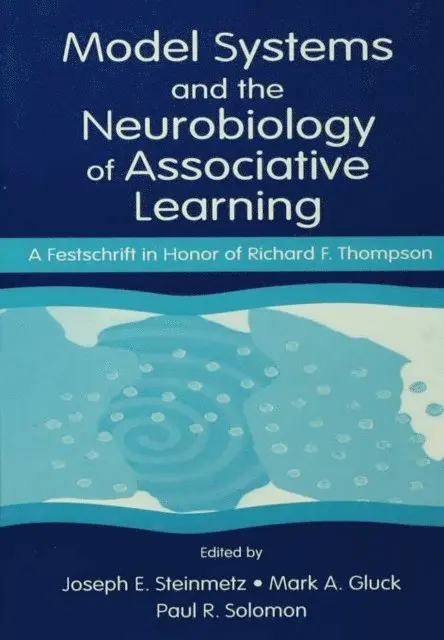
Model Systems and the Neurobiology of Associative Learning
A Festschrift in Honor of Richard F. Thompson
Av Joseph E. Steinmetz, Mark A. Gluck m. fl.
Inbunden, 2001
2586 kr
Lägg i varukorg
This volume contains a collection of papers written by former students, postdoctoral fellows, and colleagues of Richard Thompson and represent written versions of papers presented at the Festschrift symposium. The Festschrift provided an excellent opportunity for the participants to recount their …
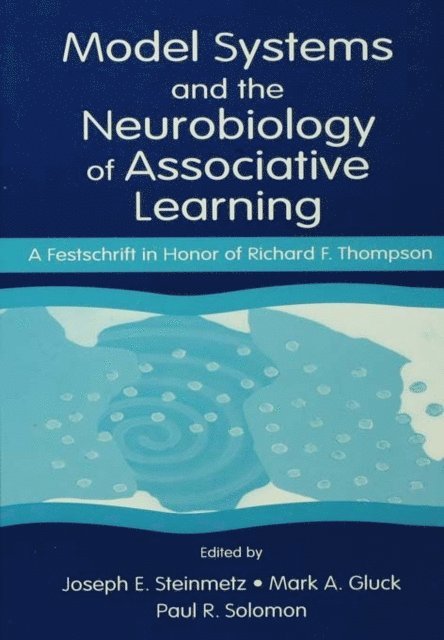
Model Systems and the Neurobiology of Associative Learning
A Festschrift in Honor of Richard F. Thompson
Av Paul R. Solomon, Mark A. Gluck m. fl.
E-bok, 2013
1034 kr
Lägg i varukorg
This volume contains a collection of papers written by former students, postdoctoral fellows, and colleagues of Richard Thompson and represent written versions of papers presented at the Festschrift symposium. The Festschrift provided an excellent opportunity for the participants to recount their …
Model Systems and the Neurobiology of Associative Learning
A Festschrift in Honor of Richard F. Thompson
Av Paul R. Solomon, Mark A. Gluck m. fl.
E-bok, 2013
1056 kr
Lägg i varukorg
This volume contains a collection of papers written by former students, postdoctoral fellows, and colleagues of Richard Thompson and represent written versions of papers presented at the Festschrift symposium. The Festschrift provided an excellent opportunity for the participants to recount their …
Handbook of Classical Conditioning
Av David G. Lavond, Joseph E. Steinmetz
Inbunden, 2003
1070 kr
Lägg i varukorg
When conducting scientific research in any field, it is not sufficient to simply design thoughtful and informative experiments to explore ideas and hypotheses. The experiments must be conducted in such a manner that the data generated effectively address the ideas and hypotheses under study. …
Eyeblink Classical Conditioning Volume 1
Applications in Humans
Av Diana S. Woodruff-Pak, Joseph E. Steinmetz
Häftad, 2010
1697 kr
Lägg i varukorg
The model system of eyeblink classical conditioning in humans has enormous potential for the understanding and application of fundamental principles of learning. This collection makes classical conditioning accessible to teachers and researchers in a number of ways. The first aim is to present the …
Handbook of Classical Conditioning
Av David G. Lavond, Joseph E. Steinmetz
Häftad, 2012
1133 kr
Lägg i varukorg
This book explores hands-on issues of how to implement classical conditioning experiments, describing many of the techniques and equipment used to discover the locus for a simple memory in the brain. It details circuit diagrams for instrumentation and software for control and analysis.
Handbook of Classical Conditioning
Av Joseph E. Steinmetz, David G. Lavond
E-bok, 2012
1470 kr
Lägg i varukorg
When conducting scientific research in any field, it is not sufficient to simply design thoughtful and informative experiments to explore ideas and hypotheses. The experiments must be conducted in such a manner that the data generated effectively address the ideas and hypotheses under study. …
Eyeblink Classical Conditioning Volume 2
Animal Models
Av Diana S. Woodruff-Pak, Joseph E. Steinmetz
Häftad, 2013
1697 kr
Lägg i varukorg
Classical conditioning of the nictitating membrane (NM) eyeblink response in rabbits is a useful model system for the study of the neurobiology of learning and memory. This paradigm that is so well described on a biological level has also been applied to studies of normal development over the life …