Joseph G. Nellis - Böcker
Visar alla böcker från författaren Joseph G. Nellis. Handla med fri frakt och snabb leverans.
3 produkter
3 produkter
2 036 kr
Skickas inom 10-15 vardagar
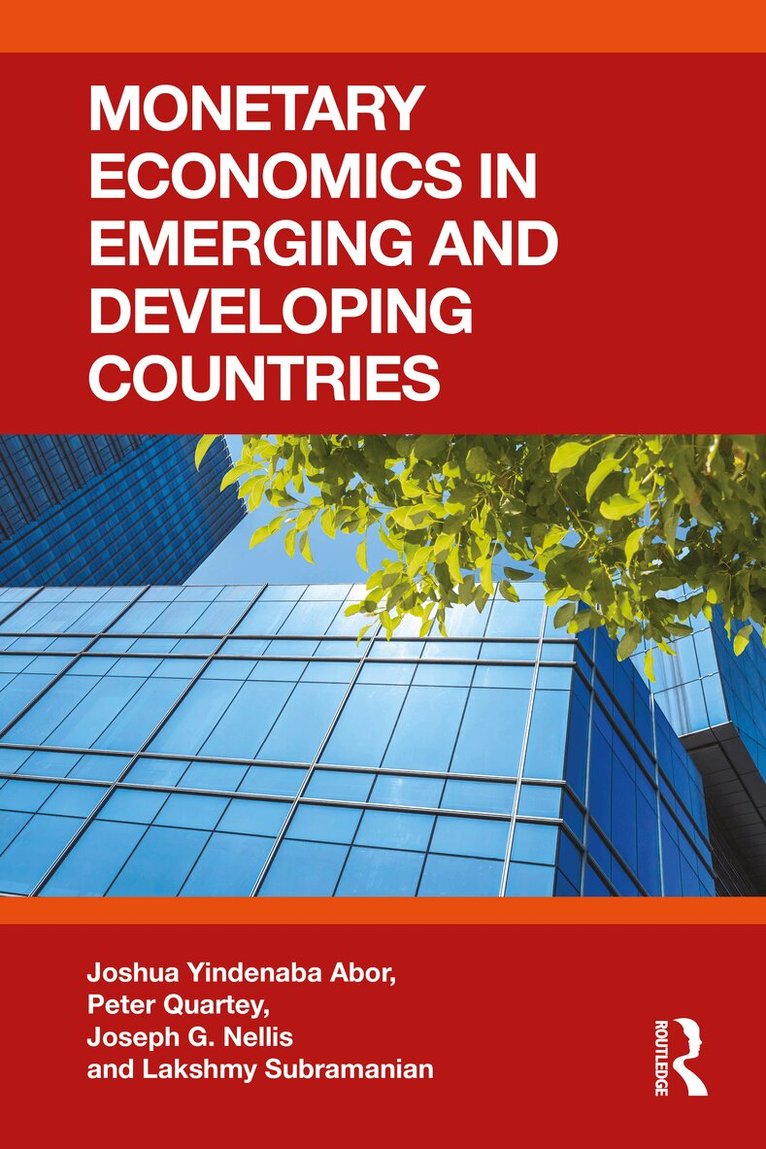
Monetary economics is concerned with the role of money in economic activities. The development of monetary theory and policy plays a significant role in the growth and development of various economies. This has far-reaching implications for various sectors of the economy through several channels, including inflation, employment, interest rates, exchange rates, consumption, government spending, investment, and the level of economic activity. Much of the literature to date has focused on developed economies. This book, however, is an essential guide to the monetary and economic systems of emerging and developing countries.The book contributes to the role of monetary policy in macroeconomic stabilisation by examining the characteristics and recent developments in emerging and developing countries’ monetary and economic systems, including lessons learned in monetary policy and the associated challenges, the role of building blocks of monetary theory, and policy frameworks used in practice, especially looking at why and how these issues are relevant in these economies. It provides theoretical underpinnings and critical issues relating to various aspects of monetary theory, including the role of money, monetary systems, money supply, demand for money, central banking, monetary policy, and the instruments for its implementation in emerging and developing countries. Furthermore, it presents relevant cases, illustrating the intricacies of the monetary systems in these countries.This invaluable resource elucidates the significant differences between developed and emerging and developing economies. It contributes to the field by providing a comprehensive understanding of monetary economics for students, scholars, researchers, policymakers, and monetary and economic policy practitioners.
553 kr
Skickas inom 10-15 vardagar
Monetary economics is concerned with the role of money in economic activities. The development of monetary theory and policy plays a significant role in the growth and development of various economies. This has far-reaching implications for various sectors of the economy through several channels, including inflation, employment, interest rates, exchange rates, consumption, government spending, investment, and the level of economic activity. Much of the literature to date has focused on developed economies. This book, however, is an essential guide to the monetary and economic systems of emerging and developing countries.The book contributes to the role of monetary policy in macroeconomic stabilisation by examining the characteristics and recent developments in emerging and developing countries’ monetary and economic systems, including lessons learned in monetary policy and the associated challenges, the role of building blocks of monetary theory, and policy frameworks used in practice, especially looking at why and how these issues are relevant in these economies. It provides theoretical underpinnings and critical issues relating to various aspects of monetary theory, including the role of money, monetary systems, money supply, demand for money, central banking, monetary policy, and the instruments for its implementation in emerging and developing countries. Furthermore, it presents relevant cases, illustrating the intricacies of the monetary systems in these countries.This invaluable resource elucidates the significant differences between developed and emerging and developing economies. It contributes to the field by providing a comprehensive understanding of monetary economics for students, scholars, researchers, policymakers, and monetary and economic policy practitioners.
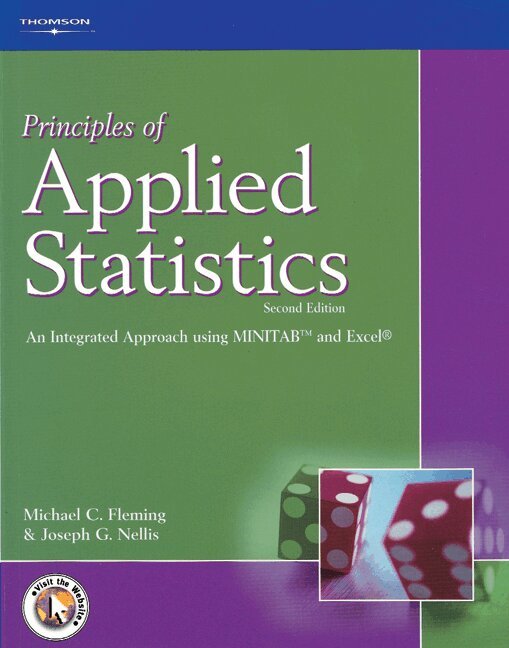
Principles of Applied Statistics
An Integrated Approach using MINITAB and Excel
Häftad, Engelska, 2000
1 285 kr
Skickas inom 5-8 vardagar
Designed for anyone who needs a comprehensive introduction to the principles of statistical methods and their applications, this text is written in a practical, non-threatening style. Step-by-step worked examples are used to illustrate the use of statistical techniques in solving practical problems while self-study exercises test students’ knowledge. The use of Excel and MINITABª is fully integrated throughout the book to demonstrate the application of computer packages to solve a wide range of statistical problems. Presented alongside manual methods, these computer solutions include detailed instructions and annotated print outs where appropriate. The second edition retains the straightforward writing style and practical illustration of manual and computer methods which made the previous book successful for a wide range of courses.