Joseph Hamill - Böcker
Visar alla böcker från författaren Joseph Hamill. Handla med fri frakt och snabb leverans.
4 produkter
4 produkter
1 131 kr
Skickas inom 7-10 vardagar
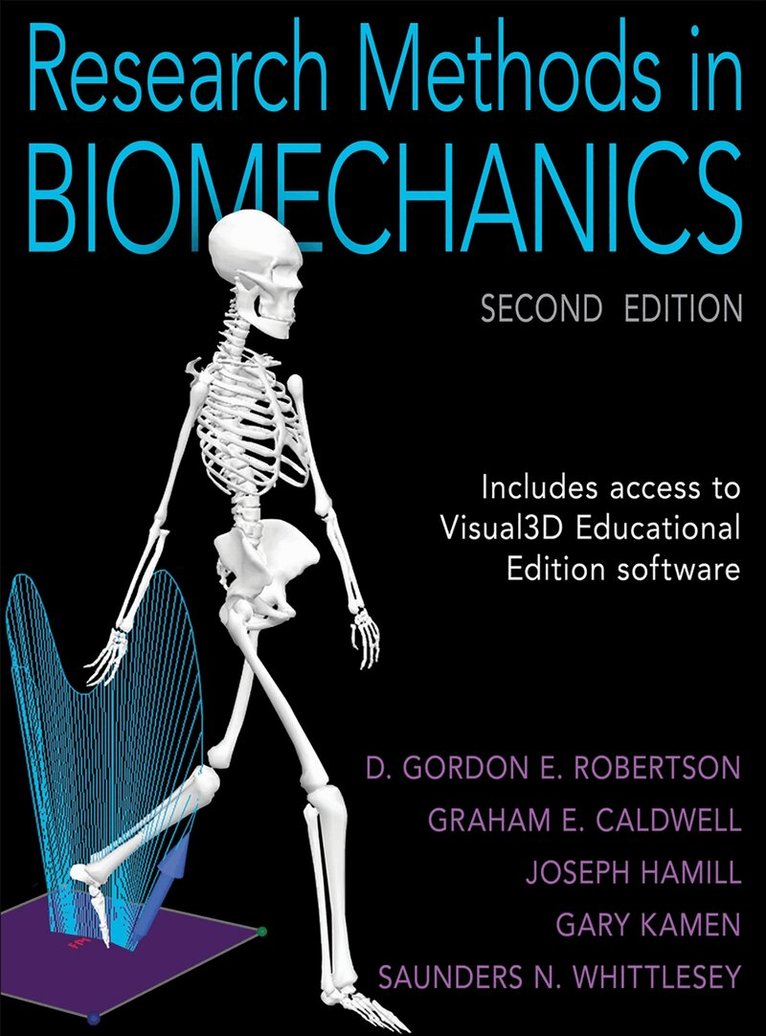
Research Methods in Biomechanics, Second Edition, demonstrates the range of available research techniques and how to best apply this knowledge to ensure valid data collection. In the highly technical field of biomechanics, research methods are frequently upgraded as the speed and sophistication of software and hardware technologies increase. With this in mind, the second edition includes up-to-date research methods and presents new information detailing advanced analytical tools for investigating human movement. Expanded into 14 chapters and reorganized into four parts, the improved second edition features more than 100 new pieces of art and illustrations and new chapters introducing the latest techniques and up-and-coming areas of research. Additional enhancements in this edition include the following: • Special features called From the Scientific Literature highlight the ways in which biomechanical research techniques have been used in both classic and cutting-edge studies. • An overview, summary, and list of suggested readings in each chapter guide students and researchers through the content and on to further study. • Sample problems appear in select chapters, and answers are provided at the end of the text. • Appendixes contain mathematical and technical references and additional examples. • A glossary provides a reference for terminology associated with human movement studies. Research Methods in Biomechanics, Second Edition, assists readers in developing a comprehensive understanding of methods for quantifying human movement. Parts I and II of the text examine planar and three-dimensional kinematics and kinetics in research, issues of body segment parameters and forces, and energy, work, and power as they relate to analysis of two- and three-dimensional inverse dynamics. Two of the chapters have been extensively revised to reflect current research practices in biomechanics, in particular the widespread use of Visual3D software. In part III, readers can explore the use of musculoskeletal models in analyzing human movement. This part also discusses electromyography, computer simulation, muscle modeling, and musculoskeletal modeling; it presents new information on MRI and ultrasound use in calculating muscle parameters. Part IV offers a revised chapter on additional analytical procedures, including signal processing techniques. Also included is a new chapter on movement analysis and dynamical systems, which focuses on how to assess and measure coordination and stability in changing movement patterns and the role of movement variability in health and disease. In addition, readers will find discussion of statistical tools useful for identifying the essential characteristics of any human movement. The second edition of Research Methods in Biomechanics explains the mathematics and data collection systems behind both simple and sophisticated biomechanics. It assists both beginning and experienced researchers in developing their methods for analyzing and quantifying human movement.
777 kr
Skickas inom 7-10 vardagar
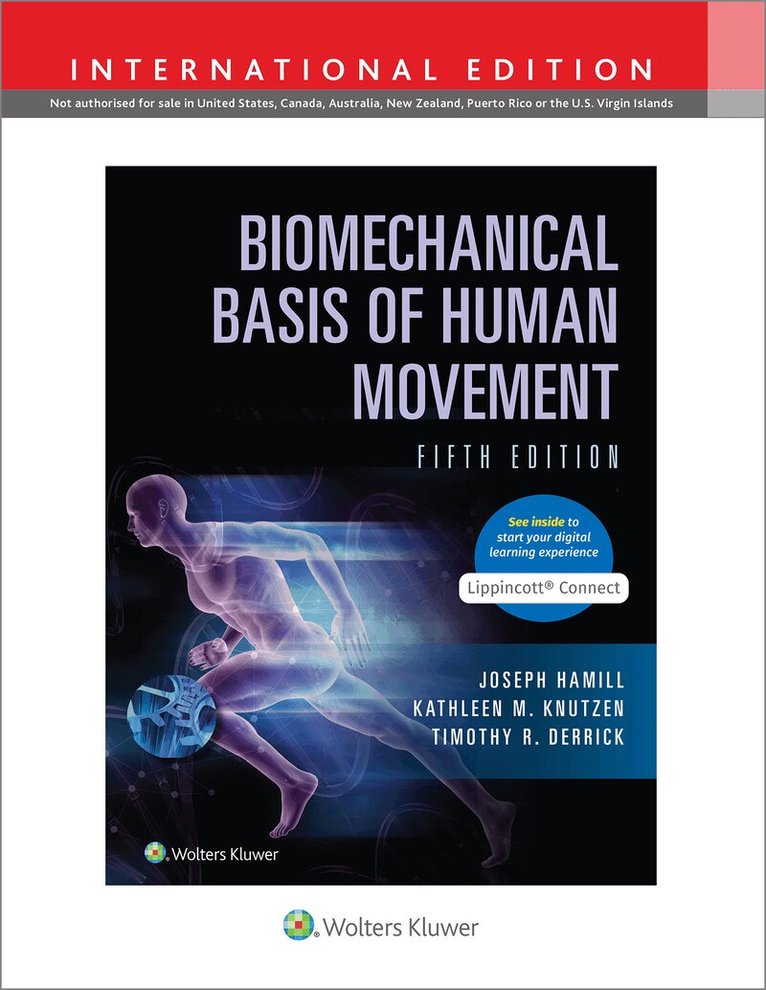
The ideal introductory text for a rigorous approach to biomechanics, Biomechanical Basis of Movement, Fifth Edition helps build a precise, comprehensive grasp of the full continuum of human movement potential. Focusing on the quantitative nature of biomechanics, this exacting but approachable text applies laws of motion and mechanics to in-depth analysis of specific movements, integrating current literature, meaningful numerical examples, relevant applications, hands-on exercises and functional anatomy, physics, calculus and physiology. Content is organized into sections that build upon each other to offer a structured introduction to biomechanics as it relates to exercise science. The extensively updated Fifth Edition emphasizes clinical relevance with integrated examples and questions and offers an expansive suite of digital resources, including new artwork, animations, and multiple eBook options to make mastery of biomechanics more accessible than ever. UPDATED! Content reflects the latest perspectives on functional anatomy and highlights the clinical relevance of biomechanics for successful Allied Health practice. UPDATED! Extensively revised illustrations clarify anatomical structures and movements in full color. Chapter objectives, outlines, and summaries focus your attention on essential concepts and reinforce key takeaways. Review questions at the end of each chapter test your comprehension and challenge you to apply concepts in a clinical context.
1 008 kr
Skickas inom 5-8 vardagar
With this purchase, you will receive a physical copy of the text bundled with a printed code providing access to Lippincott® Connect, including an Interactive eBook, multimedia content, and assessment questions.Lippincott® Connect enhances your student experience in an all-in-one learning solution designed to strengthen comprehension and prepare you for success in your course. Your instructor may customize the course, create assignments, and track your progress. Valuable feedback and remediation are provided to you in real-time, identifying any topics which might need extra attention in your studies. Lippincott® Connect provides key performance insights, reported in a user-friendly dashboard, that allow you to tailor your learning experiences and maximize efficiency. In addition to the content of the eBook described below, this title includes the following digital assets:• Chapter proficiency quizzes, aligned to book chapters, with rationale and remediation• PrepU test questions, organized by chapter, with rationale and remediation• 15 animations covering important concepts from the textThe ideal introductory text for a rigorous approach to biomechanics, Biomechanical Basis of Movement, Fifth Edition helps build a precise, comprehensive grasp of the full continuum of human movement potential. Focusing on the quantitative nature of biomechanics, this exacting but approachable text applies laws of motion and mechanics to in-depth analysis of specific movements, integrating current literature, meaningful numerical examples, relevant applications, hands-on exercises and functional anatomy, physics, calculus and physiology. Content is organized into sections that build upon each other to offer a structured introduction to biomechanics as it relates to exercise science. The extensively updated Fifth Edition emphasizes clinical relevance with integrated examples and questions and offers an expansive suite of digital resources, including new artwork, animations, and multiple eBook options to make mastery of biomechanics more accessible than ever. UPDATED! Content reflects the latest perspectives on functional anatomy and highlights the clinical relevance of biomechanics for successful Allied Health practice. UPDATED! Extensively revised illustrations clarify anatomical structures and movements in full color. NEW! Animations available within the VitalSource® eBook and on thePoint reinforce functional anatomy and mechanical motion concepts with vibrant detail. NEW! Problem calculators built into the VitalSource® eBook, provide essential practice using different formulas to answer questions. Chapter objectives, outlines, and summaries focus your attention on essential concepts and reinforce key takeaways. Review questions at the end of each chapter test your comprehension and challenge you to apply concepts in a clinical context.
965 kr
Tillfälligt slut
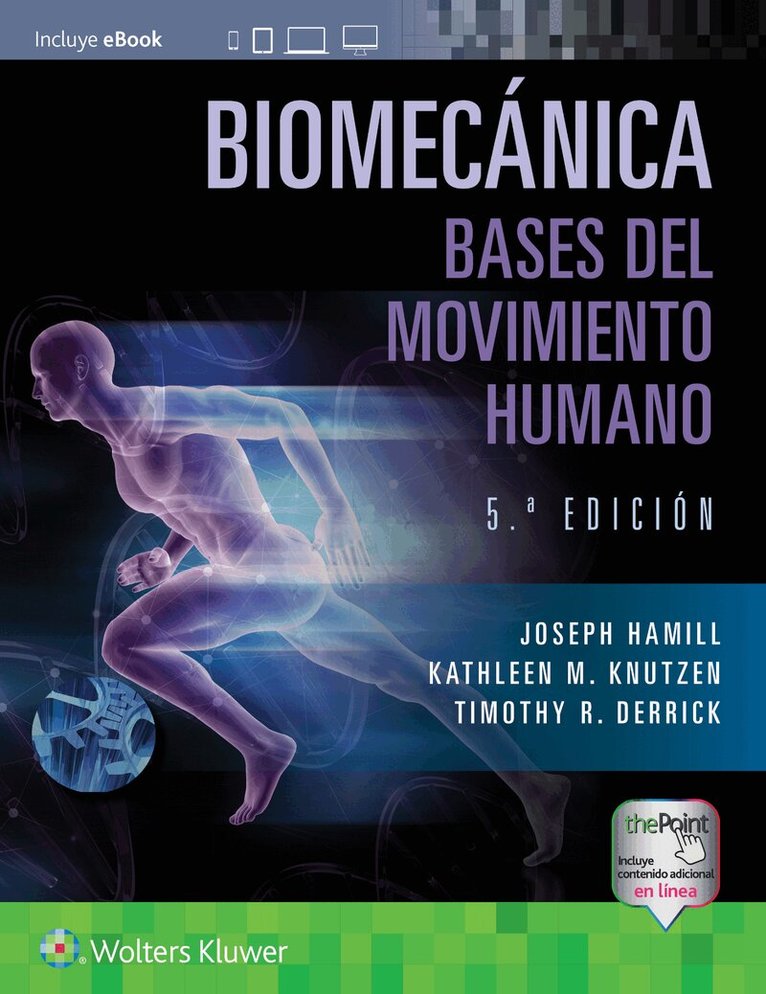
Biomecánica. Bases del movimiento humano ofrece una comprensión precisa y completa del potencial del movimiento humano. Su enfoque principal es la naturaleza cuantitativa de la biomecánica y su texto, exigente pero accesible, aplica las leyes del movimiento y de la mecánica al análisis profundo de los movimientos específicos de cada una de las articulaciones del cuerpo humano. Integra los avances más recientes de la disciplina, ejemplos numéricos, ejercicios prácticos y anatomía funcional, física, cálculo y fisiología.Esta 5.ª edición se encuentra organizada en tres secciones principales: Principios del movimiento humano; Anatomía funcional, y Análisis mecánico del movimiento humano. Los capítulos se encuentran ordenados para brindar una progresión lógica del material esencial que permita la comprensión de la biomecánica y el estudio del movimiento humano. Al final del libro se presenta un glosario con la definición de los términos utilizados en cada capítulo y que puede servir como fuente de refuerzo y referencia. Además, se incluyen cuatro apéndices con información sobre las unidades de medición, funciones trigonométricas e información práctica.En cuanto a la estructura, cada capítulo comienza con una lista de objetivos para permitir al estudiante concentrarse en puntos clave del material y un esquema que brinda una guía sobre el contenido que se estudia. Al final se incluye un resumen que recoge los conceptos principales y se presentan preguntas relevantes para ayudar al estudiante a revisar brevemente un concepto.