Joseph J. Stern – författare
Visar alla böcker från författaren Joseph J. Stern. Handla med fri frakt och snabb leverans.
2 produkter
2 produkter
E-bok
PDF, Engelska, 2014807 kr
Läs direkt efter köp
Cases in Economic Development: Projects, Policies and Strategies presents cases on project analysis, sectoral planning, and macroeconomic policies. The cases are set in an imaginary country called Beracia in order to simulate actual planning experience. Beracia has been designed with a greater than normal range of problems, so that it can encompass the features of mineral-rich countries such as Zambia and Peru; agrarian economies such as the Philippines and Ivory Coast; and aspiring exporters of manufactures such as Colombia and Pakistan. This text has 11 cases divided into five sections. After providing an overview of development planning, development goals and strategies, and planning theory and practice, the book introduces the fictional country in the next section, which presents four reports similar to World Bank economic reports on developing countries (economic and political developments; income and employment; trade and payments; and fiscal and financial developments). Sufficient data are elaborated to explain the economy''s salient features. The third section focuses on assumptions and controversies surrounding project analysis, while the section on sectorial planning introduces the reader to input-output analysis, efficiency indicators, education planning, and industrial strategy. The section on macroeconomic planning covers macroeconomic forecasts; balance-of-payments crisis; fiscal planning and reform; and income inequality and poverty. The cases span many sectors, from mining and agriculture to manufacturing, transport, education, and health. This book is written primarily for students, professional economists, and experienced policy analysts.
Inbunden, Engelska, 2015
1 074 kr
Skickas inom 5-8 vardagar
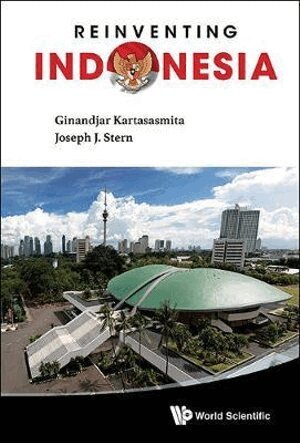
Reinventing Indonesia presents an insider's view of the tumultuous transition that took place in Indonesia from 1997 to 2004. This was a period of unprecedented changes in democratized governance and decentralizing power throughout the country amidst significant economic turmoil. The results of these changes were not pre-ordained, but were the result of the social forces unleashed by the Asian Financial Crisis and the end of the New Order as well as the deft guidance of key policymakers. The book also examines the origins of the economic crisis of the late 1990s in Indonesia and the actions taken to address the crisis during those difficult years.The authors were directly involved in many of the events recounted in this book, particularly Ginandjar Kartasasmita through his career in the Indonesian government under various ministerial positions. Thus, the book provides insights that could only come from those directly involved in the decision-making. It also explains the transitions that occurred in Indonesia in the context of academic theories of democratic transition and consolidation, thereby adding to the body of knowledge in this area. The Indonesian story holds lessons, therefore, for the management of financial crisis, and for the urgency of reform and development of economic and political institutions.