Joseph P. Greene – författare
2 736 kr
Skickas inom 10-15 vardagar
Automotive Plastics and Composites: Materials and Processing is an essential guide to the use of plastic and polymer composites in automotive applications, whether in the exterior, interior, under-the-hood, or powertrain, with a focus on�materials, properties, and processing.
The book begins by introducing plastics and polymers for the automotive industry, discussing polymer materials and structures, mechanical, chemical, and physical properties, rheology, and flow analysis. In the second part of the book, each chapter is dedicated to a category of material, and considers the manufacture, processing, properties, shrinkage, and possible applications, in each case. Two chapters on polymer processing provide detailed information on both closed-mold and open-mold�processing. The final chapters explain other key aspects, such as recycling and sustainability, design principles, tooling, and future trends.
This book is an ideal reference for plastics engineers, product designers, technicians, scientists, and R&D professionals who are�looking to develop materials, components, or products for automotive applications. The book�also intends to guide researchers, scientists, and advanced students in plastics engineering, polymer processing, and materials science and engineering.
Analyzes mechanical, chemical, physical, and thermal properties, enabling the reader to select the appropriate material for specific applications Explains polymer processing, with thorough coverage of operations across both closed-mold and open-mold processing Provides systematic coverage of materials, including commodity and engineering thermoplastics, bio-based plastics, thermosets, composites, elastomeric polymers, and 3D-printed plastics3 827 kr
Läs direkt efter köp
1 858 kr
Skickas inom 5-8 vardagar
2 135 kr
Läs direkt efter köp
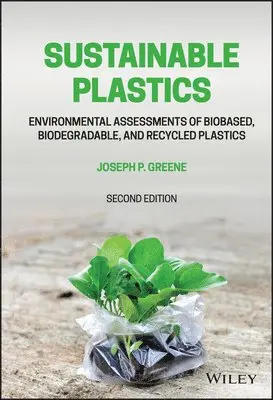
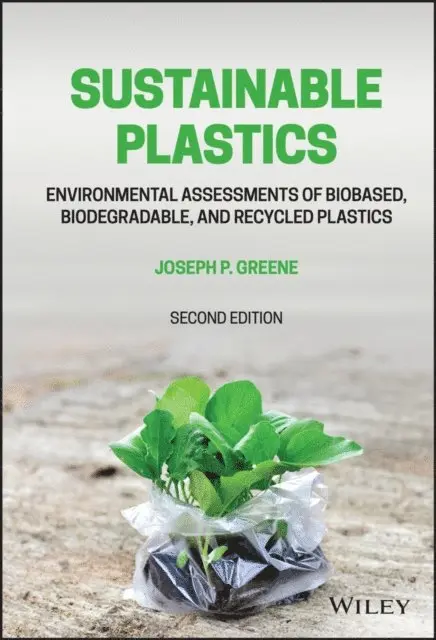
Enables Readers to Understand the What, Why, and How Behind Using Sustainable Plastics in Manufacturing Operations
The impact of 50 years of unbridled plastics production, use, and disposal is now becoming well known and documented. Plastics made from non-renewable petroleum and natural gas resources threaten the environment, human health, species maintenance, and the very life of the ocean. This book helps readers understand the ability of plastics to be sustainable and goes over the plastic products which have a lower carbon footprint, lower waste, and lower pollution.
The well-qualified author’s unique perspective puts a special focus on comprehensive coverage of environmental impacts of plastics including Life Cycle Assessments (LCA) and sustainability strategies related to biobased plastics (e.g., corn), recycled plastics, and petroleum-based plastics. Other samples topics covered in the book include:
End-of-life options for petroleum and biobased plastics including mechanical recycling, chemical recycling, and composting ASTM biodegradation standards for compost, marine, anaerobic digestion, and landfill environments Polymer processing, including injection molding, blow molding, extrusion, and compression molding Environmental data and coverage of petroleum plastics, sustainable composites, and new information on bio-based plasticsThe book serves as an invaluable resource for plastics engineers, materials engineers, and all professionals in related disciplines looking to understand and apply the usage of sustainable plastics in many different types of manufacturing operations.
2 135 kr
Läs direkt efter köp
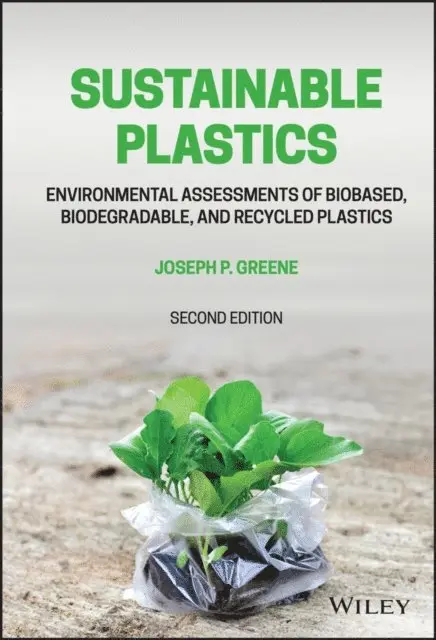
Enables Readers to Understand the What, Why, and How Behind Using Sustainable Plastics in Manufacturing Operations
The impact of 50 years of unbridled plastics production, use, and disposal is now becoming well known and documented. Plastics made from non-renewable petroleum and natural gas resources threaten the environment, human health, species maintenance, and the very life of the ocean. This book helps readers understand the ability of plastics to be sustainable and goes over the plastic products which have a lower carbon footprint, lower waste, and lower pollution.
The well-qualified author’s unique perspective puts a special focus on comprehensive coverage of environmental impacts of plastics including Life Cycle Assessments (LCA) and sustainability strategies related to biobased plastics (e.g., corn), recycled plastics, and petroleum-based plastics. Other samples topics covered in the book include:
End-of-life options for petroleum and biobased plastics including mechanical recycling, chemical recycling, and composting ASTM biodegradation standards for compost, marine, anaerobic digestion, and landfill environments Polymer processing, including injection molding, blow molding, extrusion, and compression molding Environmental data and coverage of petroleum plastics, sustainable composites, and new information on bio-based plasticsThe book serves as an invaluable resource for plastics engineers, materials engineers, and all professionals in related disciplines looking to understand and apply the usage of sustainable plastics in many different types of manufacturing operations.