Joseph P. Stoltman - Böcker
Visar alla böcker från författaren Joseph P. Stoltman. Handla med fri frakt och snabb leverans.
3 produkter
3 produkter
2 488 kr
Skickas inom 10-15 vardagar
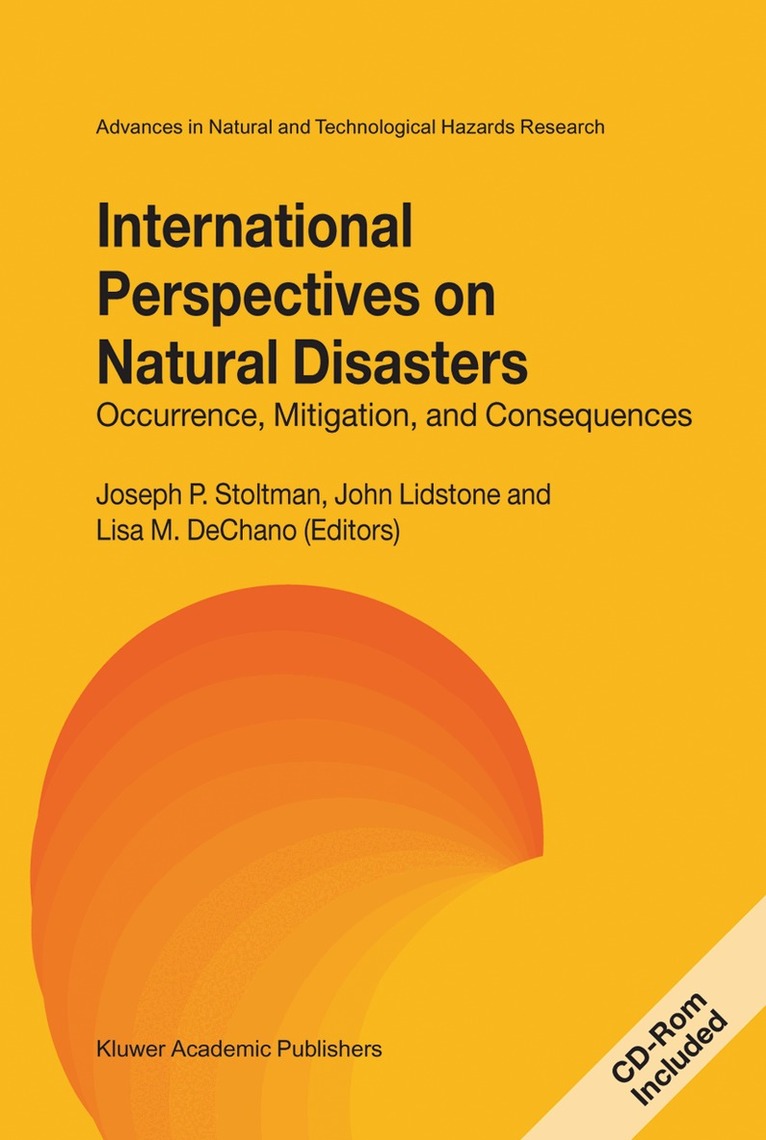
Reports of natural disasters fill the media with regularity. Places in the world are affected by natural disaster events every day. Such events include earthquakes, cyclones, tsunamis, wildfires – the list could go on for considerable length. In the 1990s there was a concentrated focus on natural disaster information and mitigation during the International Decade for Natural Disasters Reduction (IDNDR). The information was technical and provided the basis for major initiatives in building structures designed for seismic safety, slope stability, severe storm warning systems, and global monitoring and reporting. Mitigation, or planning in the event that natural hazards prevalent in a region would suddenly become natural disasters, was a major goal of the decade-long program. During the IDNDR, this book was conceptualized, and planning for its completion began. The editors saw the need for a book that would reach a broad range of readers who were not actively or directly engaged in natural disasters relief or mitigation planning, but who were in decision-making positions that provided an open window for addressing natural disaster issues. Those people were largely elected public officials, teachers, non-governmental organization staff, and staff of faith-based organizations. Those people, for the most part, come to know very well the human and physical characteristics of the place in which they are based. With that local outreach in mind, the editors intended the book to encourage readers to: 1.
5 351 kr
Tillfälligt slut
Via approximately 80 entries or "mini-chapters," the SAGE 21st Century Reference Series volumes on geography will highlight the most important topics, issues, questions, and debates any student obtaining a degree in this field ought to have mastered for effectiveness in the 21st century. The purpose is to provide undergraduate majors with an authoritative reference source that will serve their research needs with more detailed information than encyclopedia entries but not so much jargon, detail, or density as a journal article or a research handbook chapter.Features & Benefits:Curricular-driven to provide students with initial footholds on topics of interest in writing research term papers, in preparing for GREs, in consulting to determine directions to take in pursuing a senior thesis, graduate degree, etc.Comprehensive to offer full coverage of major subthemes and subfields within the discipline of geography, including regional geography, physical geography, global change, human and cultural geography, economic geography and locational analysis, political geography, geospatial technology, cartography, spatial thinking, research methodology, geographical education, and more.Uniform in chapter structure to make it easy for students to locate key information, with a more-or-less common chapter format of Introduction, Theory, Methods, Applications, Comparison, Future Directions, Summary, Bibliography & Suggestions for Further Reading, and Cross References.Available in print and electronic formats to provide students with convenient, easy access.
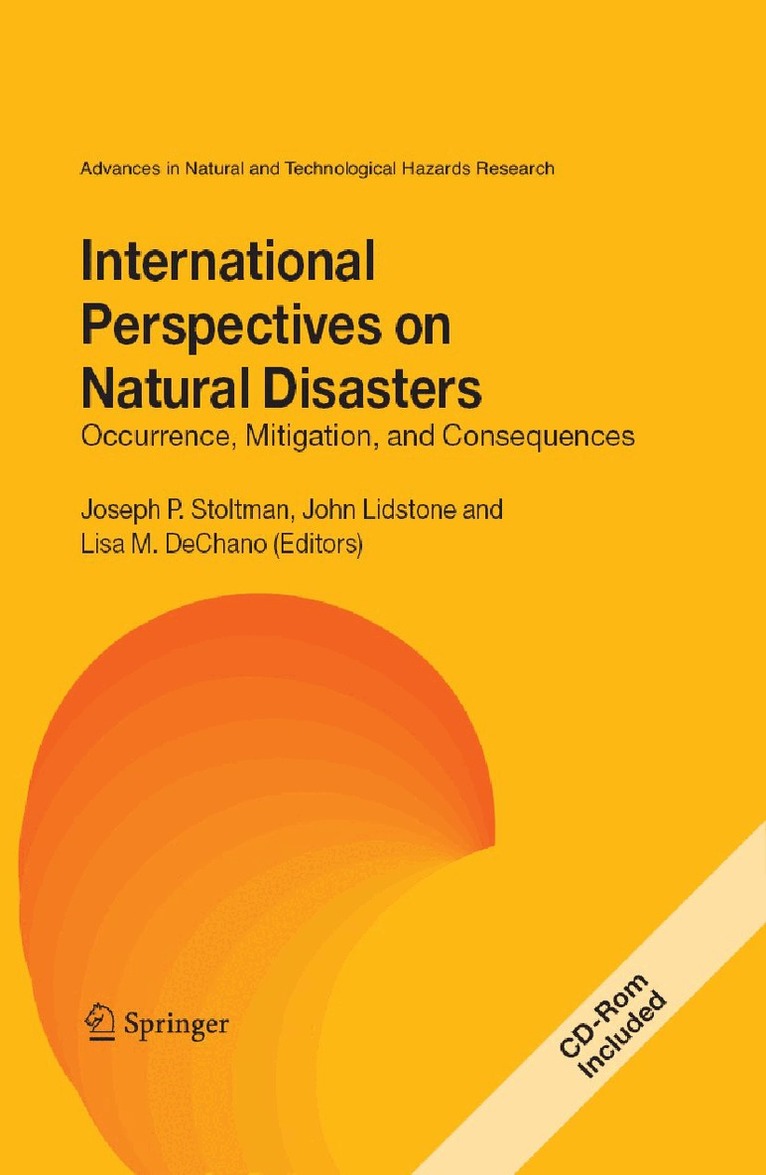
International Perspectives on Natural Disasters: Occurrence, Mitigation, and Consequences
Häftad, Engelska, 2014
2 100 kr
Skickas inom 10-15 vardagar
Reports of natural disasters fill the media with regularity. Places in the world are affected by natural disaster events every day. Such events include earthquakes, cyclones, tsunamis, wildfires – the list could go on for considerable length. In the 1990s there was a concentrated focus on natural disaster information and mitigation during the International Decade for Natural Disasters Reduction (IDNDR). The information was technical and provided the basis for major initiatives in building structures designed for seismic safety, slope stability, severe storm warning systems, and global monitoring and reporting. Mitigation, or planning in the event that natural hazards prevalent in a region would suddenly become natural disasters, was a major goal of the decade-long program. During the IDNDR, this book was conceptualized, and planning for its completion began. The editors saw the need for a book that would reach a broad range of readers who were not actively or directly engaged in natural disasters relief or mitigation planning, but who were in decision-making positions that provided an open window for addressing natural disaster issues. Those people were largely elected public officials, teachers, non-governmental organization staff, and staff of faith-based organizations. Those people, for the most part, come to know very well the human and physical characteristics of the place in which they are based. With that local outreach in mind, the editors intended the book to encourage readers to: 1.