Joseph Sharit - Böcker
Visar alla böcker från författaren Joseph Sharit. Handla med fri frakt och snabb leverans.
5 produkter
5 produkter
705 kr
Tillfälligt slut
Both jobs and the workforce have changed dramatically in recent years. Manufacturing has given way to a technology-driven, information-based workplace. People are working until later in life and the pool of workers is growing more diverse. Flexible hours and telecommuting are increasingly common. This volume addresses the challenges confronting an aging labor force as it deals with profound shifts in employment and organizations and what these changes mean for society. Drawing from the varied fields of gerontology, psychology, public policy, occupational health and safety, human factors engineering, and business, the contributors summarize what is known about aging and employment, discuss likely future issues, and raise specific questions for researchers and policy makers to address to prepare places of employment and the workforce for a vastly different tomorrow. The first section explains employment and demographic trends from an academic perspective and includes information about altered work patterns among older employees. The second section provides both public policy and business-oriented views on how to better integrate aging employees into the workplace.In the third section, the contributors explore how technology, new employment practices, and entrepreneurship play into the new and evolving nature of work. Section four examines employers' expectations for older employees, and the fifth section assesses current ergonomic standards and the adjustments necessary to accommodate an aging labor pool. This multidisciplinary, comprehensive assessment of the state of aging and work addresses a wide range of topics relevant to academic researchers and practitioners, government and industry leaders, and workers and managers in the public and private sectors.
2 490 kr
Skickas inom 10-15 vardagar
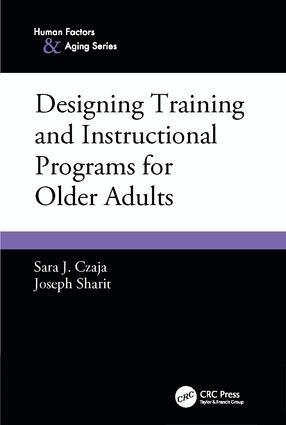
Current and emerging trends in the domains of health management and the work sector, the abundance of new consumer products pervading the marketplace, and the desires of many older adults to undertake new learning experiences means that older adults, like their younger counterparts, will need to continually engage in new learning and training. Thus, understanding the challenges that older people face when confronted with new learning and training programs and developing potential strategies to overcome them is imperative. A comprehensive state-of-the-science review, Designing Training and Instructional Programs for Older Adults explores a broad range of issues, from the implications of theories of learning for designing instruction for older adults to adapting current perspectives on methods of instructional design to accommodate the capabilities and limitations of older learners. The authors provide an understanding of today‘s older adults their demographics, their needs, the challenges facing them, and a realistic appraisal of their abilities and limitations as a basis for how current knowledge about training and instructional design should be shaped and applied to best accommodate this population of learners. They discuss topics such as retention and transfer of training, sequencing the order of instruction, e-learning, multimedia training formats, and the assessment and evaluation of training programs from the perspective of issues relevant to older learners. They also highlight the challenges presented by this very heterogeneous group that varies tremendously in backgrounds, skills, knowledge, and abilities.Focusing on how learning occurs, the authors balanced coverage makes the book readable and enlightening across a wide spectrum of professionals and academics, including human factors/ergonomics specialists, gerontologists, managers, educators, undergraduate and graduate students, and the design community. The bo
1 166 kr
Skickas inom 10-15 vardagar
Current and emerging trends in the domains of health management and the work sector, the abundance of new consumer products pervading the marketplace, and the desires of many older adults to undertake new learning experiences means that older adults, like their younger counterparts, will need to continually engage in new learning and training. Thus, understanding the challenges that older people face when confronted with new learning and training programs and developing potential strategies to overcome them is imperative. A comprehensive state-of-the-science review, Designing Training and Instructional Programs for Older Adults explores a broad range of issues, from the implications of theories of learning for designing instruction for older adults to adapting current perspectives on methods of instructional design to accommodate the capabilities and limitations of older learners. The authors provide an understanding of today’s older adults—their demographics, their needs, the challenges facing them, and a realistic appraisal of their abilities and limitations—as a basis for how current knowledge about training and instructional design should be shaped and applied to best accommodate this population of learners. They discuss topics such as retention and transfer of training, sequencing the order of instruction, e-learning, multimedia training formats, and the assessment and evaluation of training programs from the perspective of issues relevant to older learners. They also highlight the challenges presented by this very heterogeneous group that varies tremendously in backgrounds, skills, knowledge, and abilities.Focusing on how learning occurs, the authors’ balanced coverage makes the book readable and enlightening across a wide spectrum of professionals and academics, including human factors/ergonomics specialists, gerontologists, managers, educators, undergraduate and graduate students, and the design community. The book supplies concise recommendations that will have direct impact on the design of instructional programs and for those individuals who are responsible for the training and performance of older people.
1 096 kr
Skickas inom 10-15 vardagar
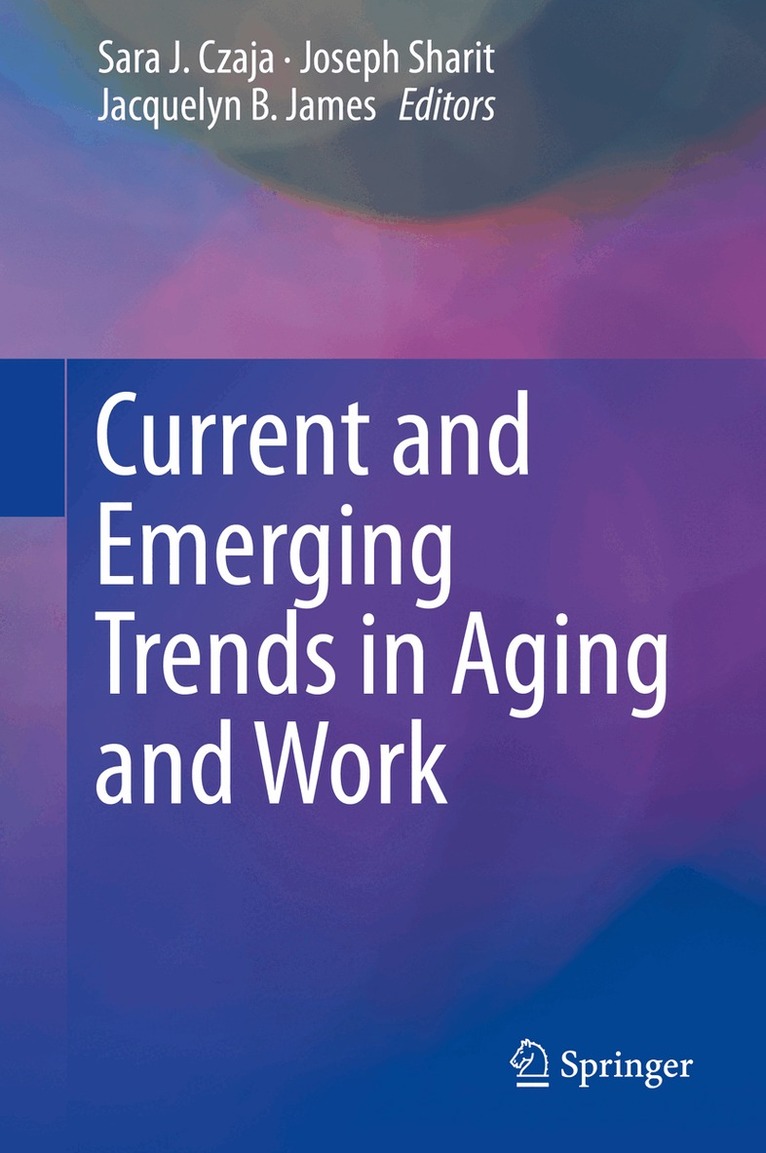
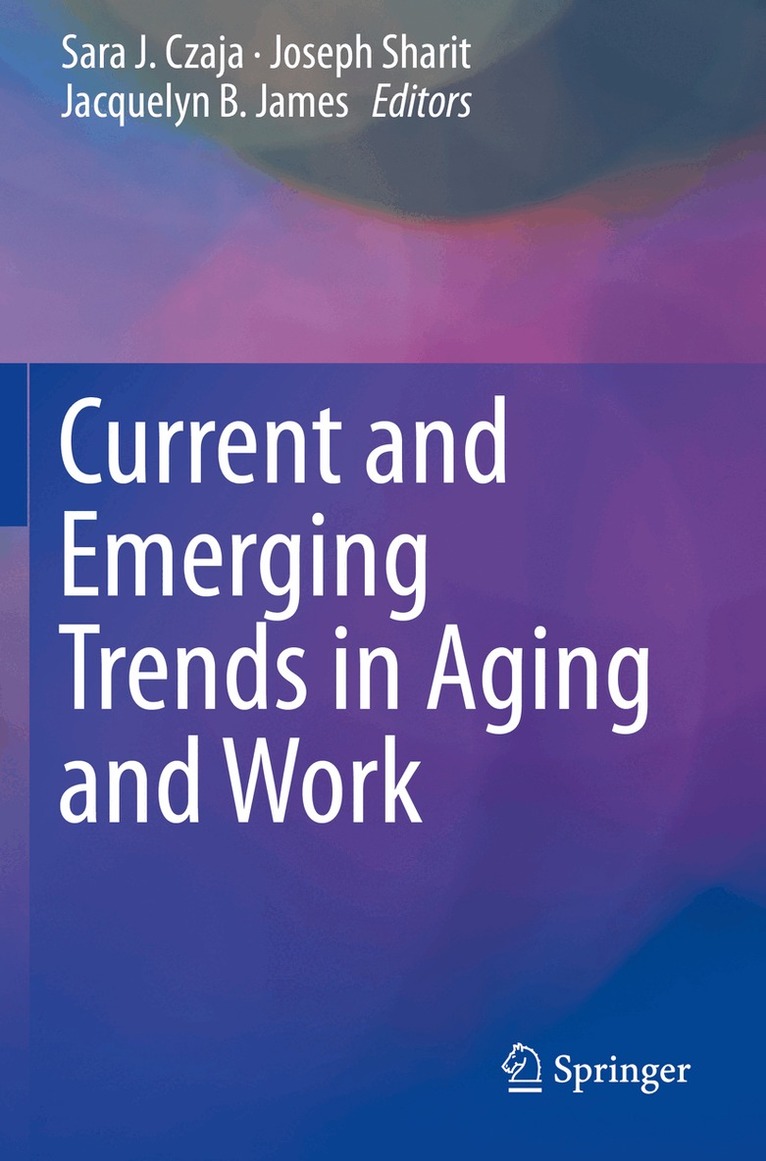
This timely volume provides an up-to-date and comprehensive summary about what is known about aging and work and addresses the challenges and opportunities confronting older workers and organizations. The authors describe current and emerging topics related to work and aging adults such as working in teams, the increasing diversity of the labor force, work and caregiving, the implications of technology for an aging workforce, and health and wellness issues. The authorship is international; the authors are renowned for their respective work in the topical areas and represent a broad range of disciplines within academia, as well as offer perspectives from government and policy.Jobs, organizations, the labor market, and the workforce are experiencing dramatic change. Workers of all ages, including older workers, need to interact with the wide variety of ubiquitous technologies that are reshaping work processes, job content, work settings, communication strategies, and the delivery of training, and this book aims to update readers on the particular issues facing today’s aging adults in the workplace. The chapters’ broad and inclusive scope encompasses:Workplace aging and jobs in the 21st centuryThe retirement income security outlook for older workersPopulation aging, age discrimination, and age discrimination protectionsOlder workers and the contemporary labor marketThe role of aging, age diversity, and age heterogeneity within teamsThe intersection of family caregiving and workCurrent and Emerging Trends in Aging and Work is relevant to a broad audience of academic researchers, practitioners, and students in psychology, sociology, management, engineering (industrial and human factors), the health sciences, gerontology/geriatrics, and public health. It is also a useful resource for government and policy leaders, as well as workers and managers in the public and private sectors.
1 096 kr
Skickas inom 10-15 vardagar
This timely volume provides an up-to-date and comprehensive summary about what is known about aging and work and addresses the challenges and opportunities confronting older workers and organizations. The authors describe current and emerging topics related to work and aging adults such as working in teams, the increasing diversity of the labor force, work and caregiving, the implications of technology for an aging workforce, and health and wellness issues. The authorship is international; the authors are renowned for their respective work in the topical areas and represent a broad range of disciplines within academia, as well as offer perspectives from government and policy.Jobs, organizations, the labor market, and the workforce are experiencing dramatic change. Workers of all ages, including older workers, need to interact with the wide variety of ubiquitous technologies that are reshaping work processes, job content, work settings, communication strategies, and the delivery of training, and this book aims to update readers on the particular issues facing today’s aging adults in the workplace. The chapters’ broad and inclusive scope encompasses:Workplace aging and jobs in the 21st centuryThe retirement income security outlook for older workersPopulation aging, age discrimination, and age discrimination protectionsOlder workers and the contemporary labor marketThe role of aging, age diversity, and age heterogeneity within teamsThe intersection of family caregiving and workCurrent and Emerging Trends in Aging and Work is relevant to a broad audience of academic researchers, practitioners, and students in psychology, sociology, management, engineering (industrial and human factors), the health sciences, gerontology/geriatrics, and public health. It is also a useful resource for government and policy leaders, as well as workers and managers in the public and private sectors.