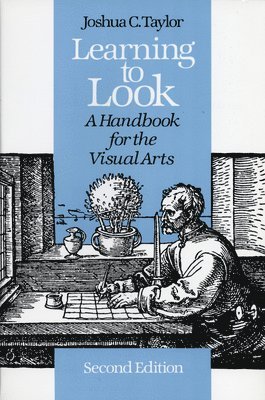
Sometimes seeing is more difficult for the student of art than believing. Taylor, in a book that has sold more than 300,000 copies since its original publication in 1957, has helped two generations of art students "learn to look." This handy guide to the visual arts is designed to provide a comprehensive view of art, moving from the analytic study of specific works to a consideration of broad principles and technical matters. Forty-four carefully selected illustrations afford an excellent sampling of the wide range of experience awaiting the explorer. The second edition of Learning to Look includes a new chapter on twentieth-century art. Taylor's thoughtful discussion of pure forms and our responses to them gives the reader a few useful starting points for looking at art that does not reproduce nature and for understanding the distance between contemporary figurative art and reality.
This unique and extraordinarily rich collection of writings offers a thematic approach to understanding the various theories of art that illumined the direction of nineteenth-century artists as diverse as Tommaso Minardi and Georges Seurat. It is significant that during the nineteenth century most artists felt compelled to found their artistic practice on a consciously established premise.
Sometimes seeing is more difficult for the student of art than believing. Taylor, in a book that has sold more than 300,000 copies since its original publication in 1957, has helped two generations of art students "learn to look." This handy guide to the visual arts is designed to provide a comprehensive view of art, moving from the analytic study of specific works to a consideration of broad principles and technical matters. Forty-four carefully selected illustrations afford an excellent sampling of the wide range of experience awaiting the explorer. The second edition of Learning to Look includes a new chapter on twentieth-century art. Taylor's thoughtful discussion of pure forms and our responses to them gives the reader a few useful starting points for looking at art that does not reproduce nature and for understanding the distance between contemporary figurative art and reality.
This unique and extraordinarily rich collection of writings offers a thematic approach to understanding the various theories of art that illumined the direction of nineteenth-century artists as diverse as Tommaso Minardi and Georges Seurat. It is significant that during the nineteenth century most artists felt compelled to found their artistic practice on a consciously established premise.