Joshua Landy – författare
Visar alla böcker från författaren Joshua Landy. Handla med fri frakt och snabb leverans.
16 produkter
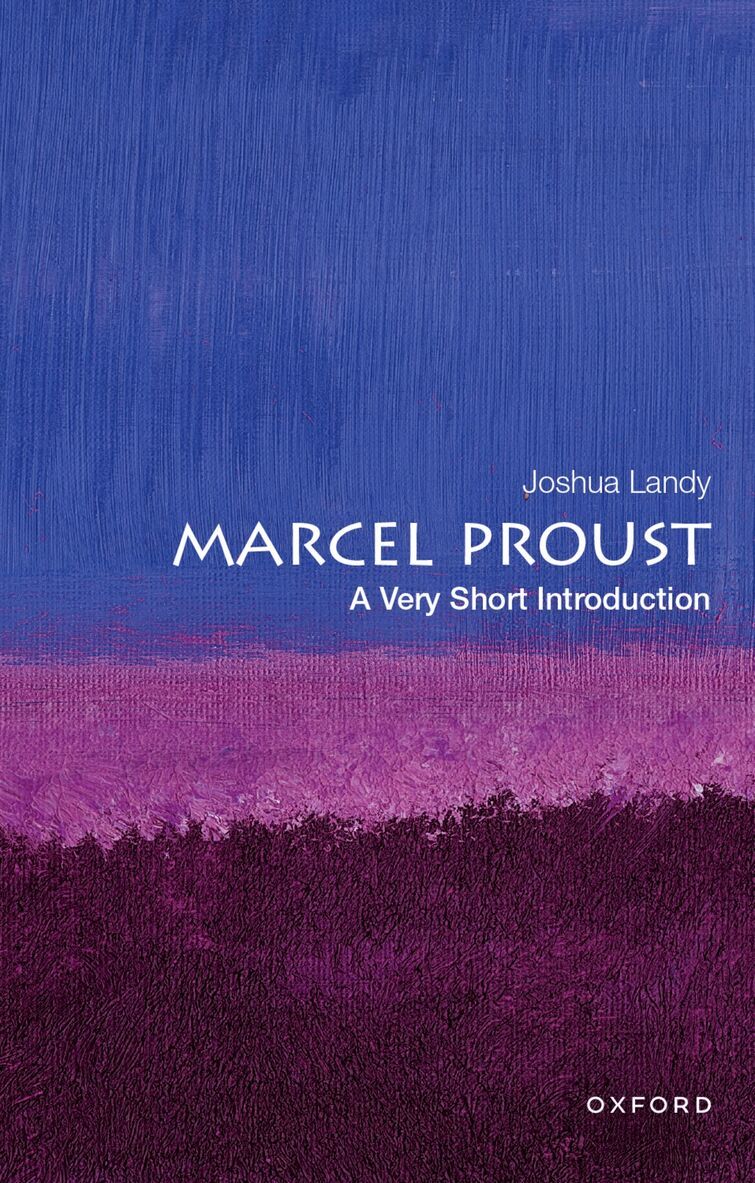
Marcel Proust
A Very Short Introduction
Av Joshua Landy
Häftad, 2025
127 kr
Lägg i varukorg
100 years after Proust's death, In Search of Lost Time remains one of the greatest works in World Literature. At 3,000 pages, it can be intimidating to some. This short volume invites first-time readers and veterans alike to view the novel in a new way.Marcel Proust (1871-1922) was arguably …
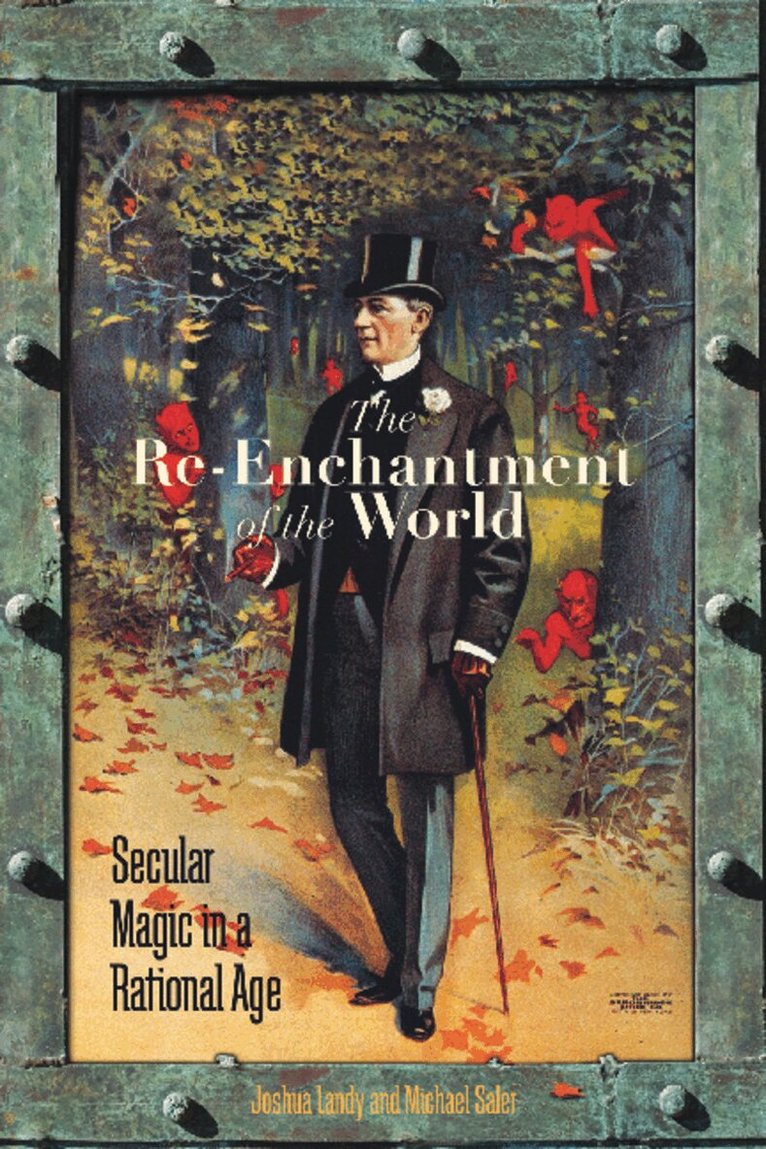
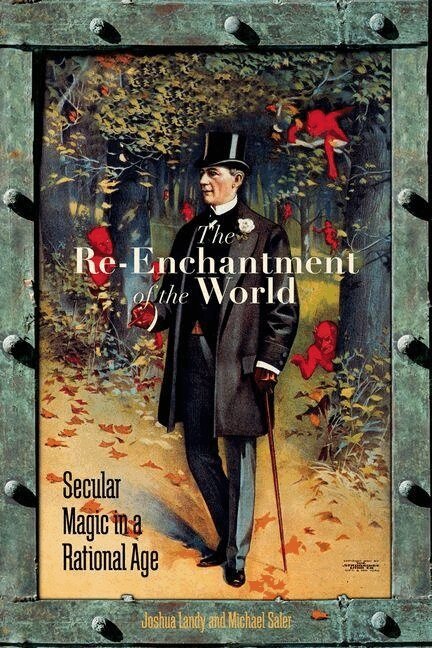
Re-Enchantment of the World
Secular Magic in a Rational Age
Av Joshua Landy, Michael Saler
Häftad, 2021
328 kr
Lägg i varukorg
The Re-Enchantment of the World is an interdisciplinary volume that challenges the long-prevailing view of modernity as "disenchanted." There is of course something to the widespread idea, so memorably put into words by Max Weber, that modernity is characterized by the "progressive disenchantment …
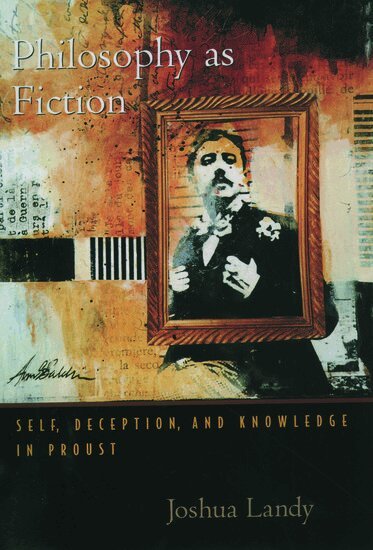
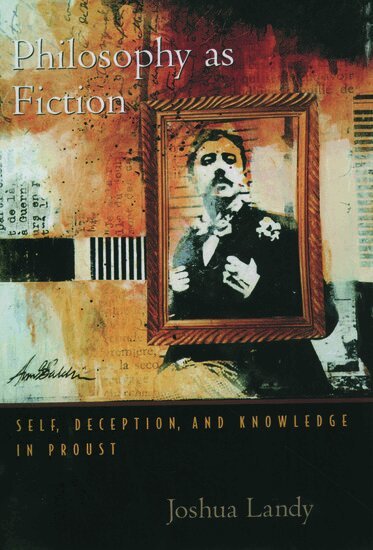
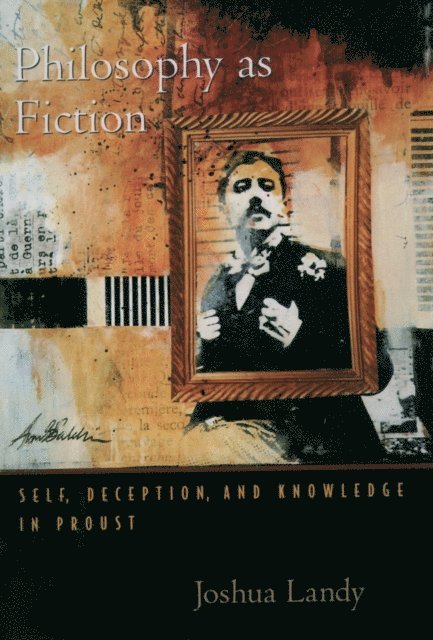
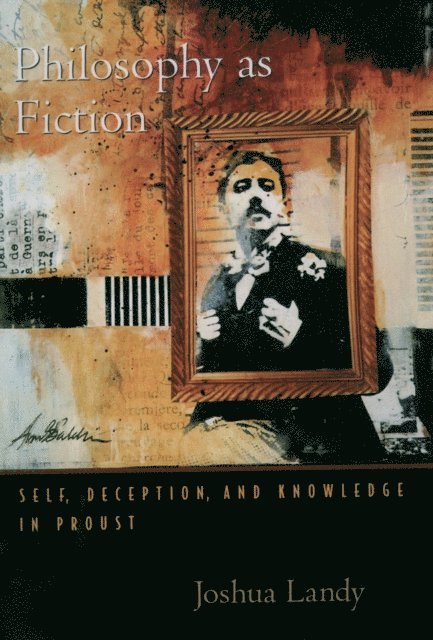
Philosophy As Fiction
Self, Deception, and Knowledge in Proust
Av Joshua Landy
Inbunden, 2004
1345 kr
Lägg i varukorg
Philosophy as Fiction reconstructs Proust's powerful, coherent and original outlook on knowledge, self-deception and self-fashioning. In addition, it explains why these ideas had to give rise to a work of art and not a philosophical treatise. Parts of the philosophy serve literary ends, with …
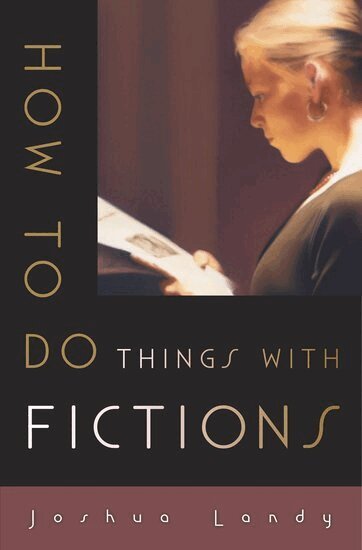
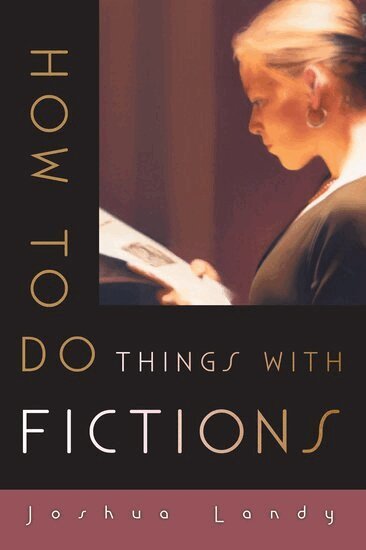
How to Do Things with Fictions
Av Joshua Landy
Inbunden, 2012
2041 kr
Lägg i varukorg
Why did Jesus speak in parables? Why does Plato's Socrates make bad arguments? Why do we root for criminal heroes? In mummy movies, why is the skeptic always the first to go? Why don't stage magicians even pretend to summon spirits any more? Why is Samuel Beckett so confusing? And why is it worth …
Philosophy as Fiction
Av Joshua Landy
Häftad, 2009
748 kr
Lägg i varukorg
Is it possible (or desirable) to live without illusions? Can artistry assist in the project of forging a unified self? What does our use of metaphor have to do with who we are? In this groundbreaking study, Joshua Landy explores Proust's original and sophisticated answers to these and related …
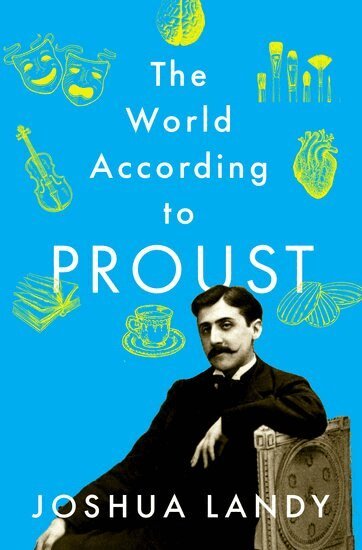
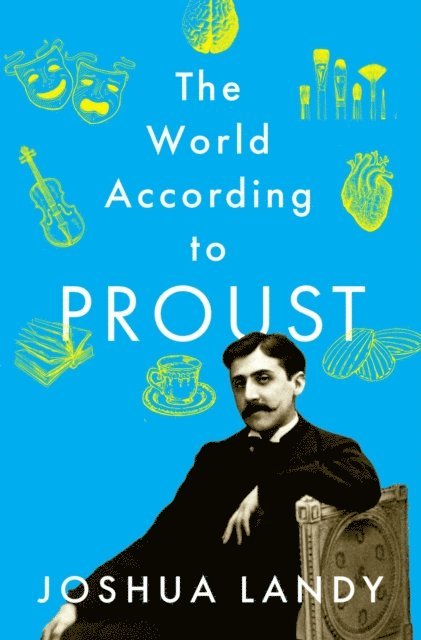
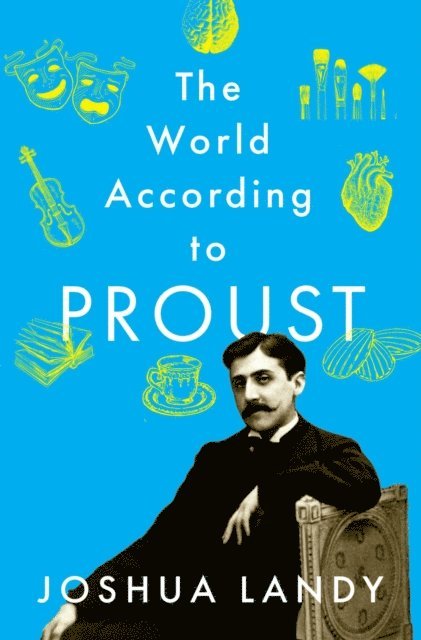
The World According to Proust
Av Joshua Landy
Inbunden, 2022
277 kr
Lägg i varukorg
100 years after Proust's death, In Search of Lost Time remains one of the greatest works in World Literature. At 3,000 pages, it can be intimidating to some. This short volume invites first-time readers and veterans alike to view the novel in a new way.Marcel Proust (1871-1922) was arguably …
World According to Proust
Av Joshua Landy
E-bok, 2022
206 kr
Lägg i varukorg
100 years after Proust''s death, In Search of Lost Time remains one of the greatest works in World Literature. At 3,000 pages, it can be intimidating to some. This short volume invites first-time readers and veterans alike to view the novel in a new way.Marcel Proust (1871-1922) was arguably …
World According to Proust
Av Joshua Landy
E-bok, 2022
206 kr
Lägg i varukorg
100 years after Proust''s death, In Search of Lost Time remains one of the greatest works in World Literature. At 3,000 pages, it can be intimidating to some. This short volume invites first-time readers and veterans alike to view the novel in a new way.Marcel Proust (1871-1922) was arguably …
How to Do Things with Fictions
Av Joshua Landy
Häftad, 2014
860 kr
Lägg i varukorg
Why does Mark's Jesus speak in parables? Why does Plato's Socrates make bad arguments? Why are Beckett's novels so inscrutable? And why don't stage magicians even pretend to summon spirits anymore? In a series of captivating chapters on Mark, Plato, Beckett, Mallarmé, and Chaucer, Joshua Landy not …
How to Do Things with Fictions
Av Joshua Landy
E-bok, 2012
548 kr
Lägg i varukorg
Why does Mark''s Jesus speak in parables? Why does Plato''s Socrates make bad arguments? Why are Beckett''s novels so inscrutable? And why don''t stage magicians even pretend to summon spirits anymore? In a series of captivating chapters on Mark, Plato, Beckett, Mallarmé, and Chaucer, Joshua Landy …
How to Do Things with Fictions
Av Joshua Landy
E-bok, 2012
548 kr
Lägg i varukorg
Why does Mark''s Jesus speak in parables? Why does Plato''s Socrates make bad arguments? Why are Beckett''s novels so inscrutable? And why don''t stage magicians even pretend to summon spirits anymore? In a series of captivating chapters on Mark, Plato, Beckett, Mallarmé, and Chaucer, Joshua Landy …
Philosophy As Fiction
Self, Deception, and Knowledge in Proust
Av Joshua Landy
E-bok, 2009
569 kr
Lägg i varukorg
Philosophy as Fiction seeks to account for the peculiar power of philosophical literature by taking as its case study the paradigmatic generic hybrid of the twentieth century, Marcel Proust''s In Search of Lost Time . At once philosophical--in that it presents claims, and even deploys arguments …
Philosophy As Fiction
Self, Deception, and Knowledge in Proust
Av Joshua Landy
E-bok, 2004
506 kr
Lägg i varukorg
Philosophy as Fiction seeks to account for the peculiar power of philosophical literature by taking as its case study the paradigmatic generic hybrid of the twentieth century, Marcel Proust''s In Search of Lost Time . At once philosophical--in that it presents claims, and even deploys arguments …
Thematics
New Approaches
Av Claude Bremond, Joshua Landy m. fl.
Häftad, 1994
532 kr
Lägg i varukorg
This book aims at refocusing critical reflection on thematics in the arts, a topic that has been neglected recently. The volume is divided into four sections: theoretical essays, applications to literature, reflections on thematics in music and the visual arts, and a conclusion.The contributors, of …
Re-Enchantment of the World
Secular Magic in a Rational Age
Av Joshua Landy, Michael Saler
Inbunden, 2009
1350 kr
Lägg i varukorg
The Re-Enchantment of the World is an interdisciplinary volume that challenges the long-prevailing view of modernity as "disenchanted." There is of course something to the widespread idea, so memorably put into words by Max Weber, that modernity is characterized by the "progressive disenchantment …
Thematics
New Approaches
Av Claude Bremond, Joshua Landy m. fl.
Inbunden, 1994
1278 kr
Tillfälligt slut
This book aims at refocusing critical reflection on thematics in the arts, a topic that has been neglected recently. The volume is divided into four sections: theoretical essays, applications to literature, reflections on thematics in music and the visual arts, and a conclusion.The contributors, of …