Joshua Lowe – författare
Visar alla böcker från författaren Joshua Lowe. Handla med fri frakt och snabb leverans.
4 produkter
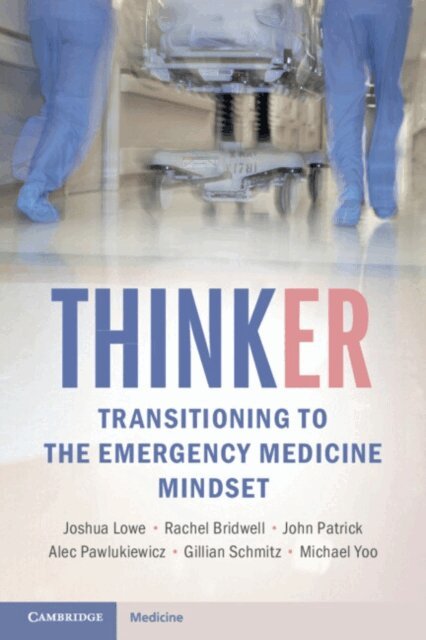
ThinkER: Transitioning to the Emergency Medicine Mindset
Av Michael Yoo, Gillian Schmitz m. fl.
E-bok, 2026
588 kr
Lägg i varukorg
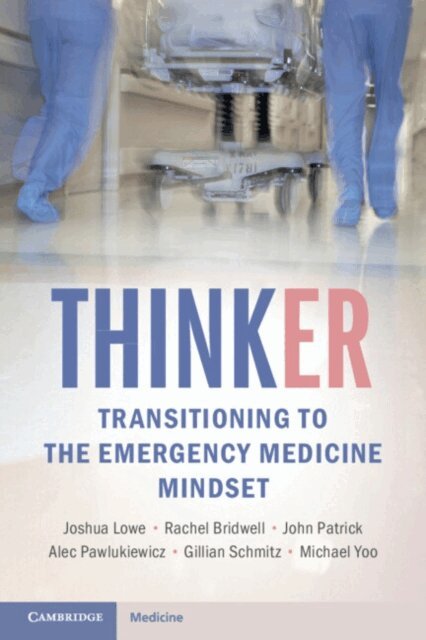
ThinkER: Transitioning to the Emergency Medicine Mindset
Av Michael Yoo, Gillian Schmitz m. fl.
E-bok, 2026
588 kr
Lägg i varukorg
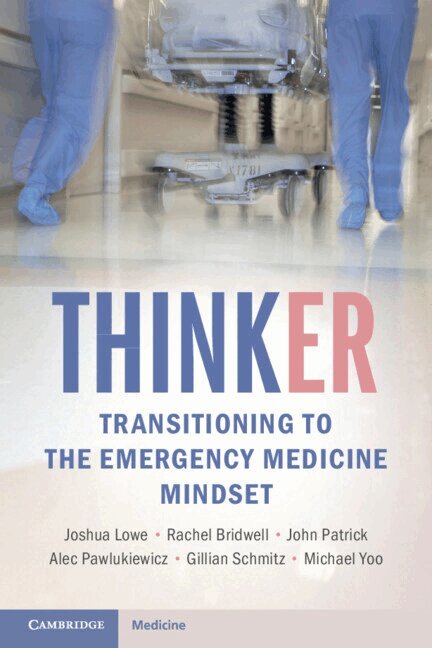
ThinkER: Transitioning to the Emergency Medicine Mindset
Av Joshua Lowe, Rachel Bridwell m. fl.
Häftad, 2026
546 kr
Lägg i varukorg
ThinkER equips emergency medicine residents with the tools they need to succeed where it matters most-at the bedside. Interactive and practical, the book is structured in two parts: the first section imparts the essential skills needed to excel in the Emergency Department, while the second section …
Mao's modernisation of the People's Republic of China in the Great Leap Forward
Av Joshua Lowe
E-bok, 2014
15 kr
Lägg i varukorg
Essay from the year 2013 in the subject History - Asia, grade: 2.1, University of Central Lancashire, course: Modern World History, language: English, abstract: Chairman Mao made two major attempts to modernise the People's Republic of China with the Great Leap Forward from 1958 to 1962 and the …