Joshua Pelleg – författare
2 125 kr
Skickas inom 10-15 vardagar
Basic Compounds for Superalloys: Mechanical Properties explores the mechanical properties of the iron group based intermetallic compounds that are the basis of super-alloys. Chapters explore tensile tests and compressive stress and hardness and provide detailed considerations that are devoted to time dependent deformation, namely creep and cyclic deformation. In addition, a discussion of the nano-crystalline L12 and B2 structures and their mechanical properties is included. Fracture and failure of these materials in both macro and nano-iron based compounds is also considered. This book is ideal for engineers, scientists and technical personnel who work in materials engineering, materials science, and mechanical and chemical engineering.
Provides an in-depth focus on the mechanical properties of Fe- superalloy materials Includes a discussion of the static, time dependent and cyclic deformation properties of macro- and nano materials Reviews how superalloy materials behave under a variety of 'in-service' environments and conditions2 920 kr
Läs direkt efter köp
2 449 kr
Skickas inom 10-15 vardagar
Additive and Traditionally Manufactured Components: A Comparative Analysis of Mechanical Properties looks at the mechanical properties of materials produced by additive manufacturing (AM) and compares them with conventional methods. Since the production of objects by AM techniques can used in a broad array of materials, the alloys presented are the ones most commonly produced by AM - Al alloys, Ti alloys and steel. The book explores the six main types of techniques: Fused Deposition Method (FDM), Powder Bed Fusion (PBF), Inkjet Printing, Stereolithography (SLA), Direct Energy Deposition (DED) and Laminated Object Manufacturing (LOM), and follows with the techniques being utilized for fabrication.
Testing of AM fabricated specimens, including tension, compression and hardness is included, along with a comparison of those results to specimens obtained by conventional fabrication methods. Topics covered include static deformation, time dependent deformation (creep), cyclic deformation (fatigue) and fracture in specimens. The book concludes with a review of the mechanical properties of nanoscale specimens obtained by AM.
Thoroughly explores AM processes that can be utilized for experimental design Includes a review of dislocations observed in specimens obtained by AM Compares the impact of both additive and traditional manufacturing techniques on the mechanical properties of materials3 471 kr
Läs direkt efter köp
1 091 kr
Skickas inom 10-15 vardagar
1 416 kr
Läs direkt efter köp
1 091 kr
Skickas inom 10-15 vardagar
2 391 kr
Skickas inom 10-15 vardagar
3 157 kr
Läs direkt efter köp
This book highlights the mechanical properties of nanomaterials produced by several techniques for various applications. The dislocations observed in specimens obtained in nanomaterials are discussed on the chapter about deformation process. Partial dislocations and grain boundary sliding deformation phenomena in nanomaterial specimens are also deeply discussed. Tests for tension, compression, and hardness are described. The behavior of nanomaterials is compared to macrosize specimens, and the results obtained for different fabrication methods are also compared. The special characteristics of nanomaterials are summarized at the end of the book.
2 391 kr
Skickas inom 10-15 vardagar
Cyclic Deformation in Oxides, Carbides and Nitrides
Alumina, Magnesia, Yttria, SiC, B4C and Si3N4
1 633 kr
Skickas inom 10-15 vardagar
2 049 kr
Läs direkt efter köp
This book presents the fatigue properties of structural materials used for the production of ceramics. It explains the cyclic deformation and how failures occur by fatigue. Dislocations related to fatigue are examined. The way that fatigue induces structural changes in material undergoing cyclic deformation is explained as well. A special chapter considers the importance of environmental effects on fatigue. Surface treatment such as shot pinning, sand blasting and laser treatment are described. The book explains how design should be carried out considering all the major factors leading to reduced fatigue resistance.
Cyclic Deformation in Oxides, Carbides and Nitrides
Alumina, Magnesia, Yttria, SiC, B4C and Si3N4
1 633 kr
Skickas inom 10-15 vardagar
2 500 kr
Skickas inom 10-15 vardagar
3 157 kr
Läs direkt efter köp
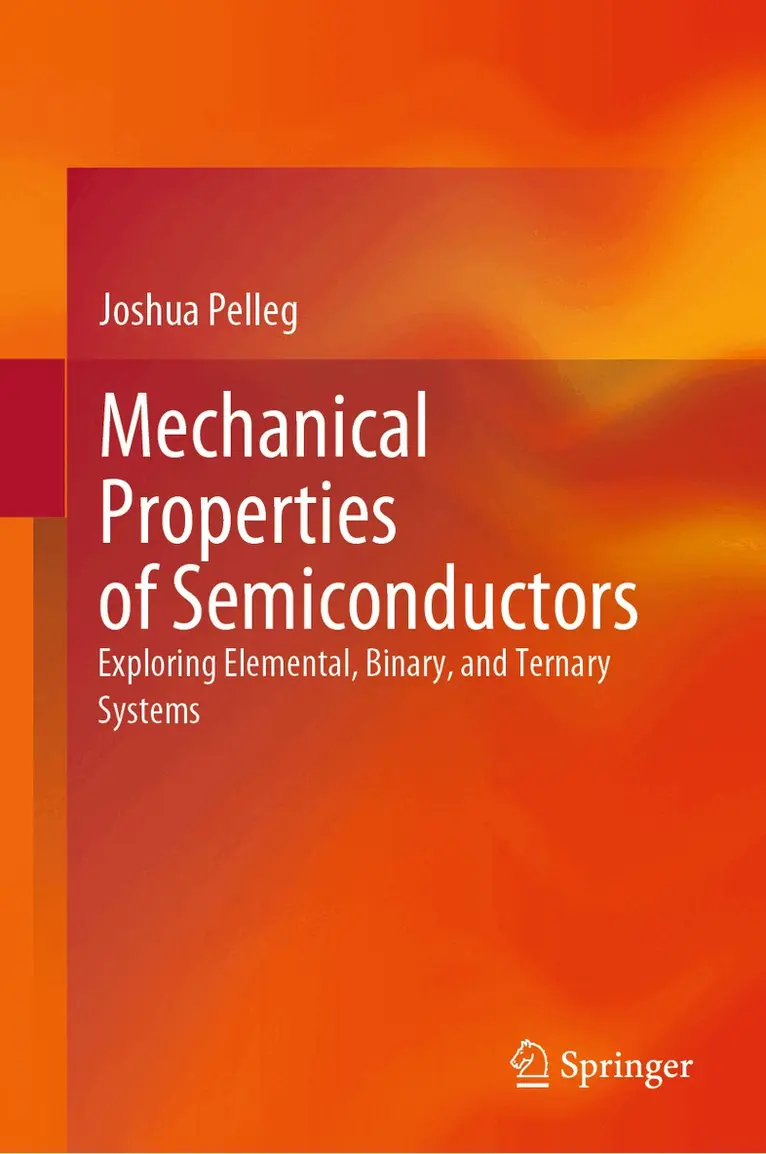
This book is a comprehensive guide to understanding the mechanical behavior of specific semiconductors: Elemental Semiconductors: Si, Ge; Binary Semiconductors: SiC, GaAs, GaP, InP; Ternary Semiconductors: AlGaAs, GaAsP, ZnCdTe . The chapters are arranged in a logical sequence, starting with the basics of semiconductors in Chapter 1 and gradually progressing to more complex topics. Chapter 2 delves into the elastic properties and yielding concept, while Chapter 3 discusses plastic deformation and its relation to semiconductor stability. The important role of defects in semiconductors is explored in Chapter 4, with a focus on point defects and dislocations.
Chapter 5 covers static deformation, including hardness and brittle behavior, while Chapter 6 explains the phenomenon of work hardening and its relationship to dislocations in the material. Chapter 7 introduces time-dependent deformation, specifically creep, which is influenced by temperature. Fracture, a common mode of failure in semiconductors, is discussed in Chapter 8, with an emphasis on stress rupture and the inability to carry an applied load. Chapter 9 addresses the unique mechanical behavior of small size semiconductor specimens in the nano scale. Finally, Chapter 10 explores the environmental effects on the mechanical properties of semiconductors.
Overall, this book provides a comprehensive and detailed understanding of the mechanical behavior of some elemental, binary and ternary semiconductors, which is crucial for developing and designing semiconductor-based technologies.
2 500 kr
Skickas inom 10-15 vardagar
928 kr
Skickas inom 10-15 vardagar
1 138 kr
Läs direkt efter köp
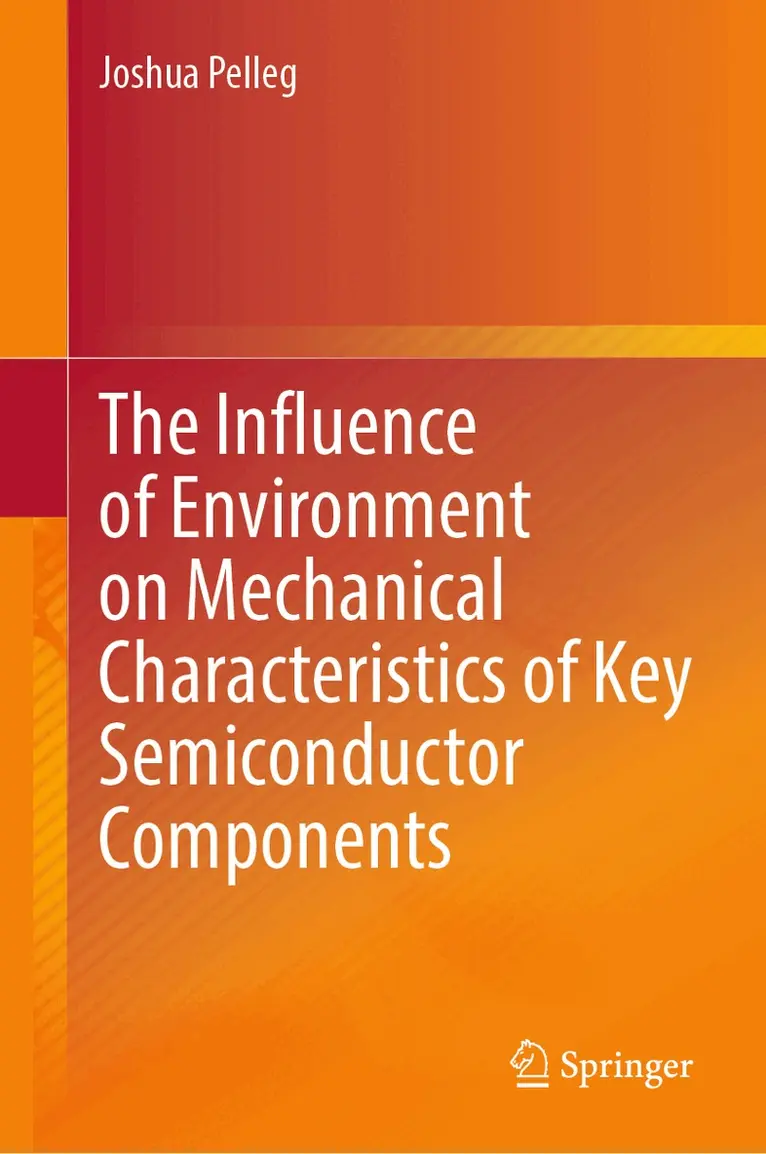
This book provides a comprehensive overview of the impact of environmental constituents on the mechanical properties of semiconductors. Chapter 1 sets the stage by outlining the various environmental constituents that can have deleterious effects on both the mechanical properties of materials and the health of those who handle them. This includes gases such as oxygen, nitrogen, hydrogen, air, and moisture in the air, some of which are responsible for greenhouse gas emissions that directly affect the climate. Chapters 2 through 12 delve into specific aspects of mechanical behavior, including elastic properties, plastic deformation, defects, hardness, brittle behavior, impact testing, deformation processes, and time-dependent deformation. The book also examines how the behavior of semiconductors differs at the nano scale and provides insights into improving their mechanical properties.
This book is a valuable resource for researchers, engineers, and students inthe fields of materials science and engineering, semiconductor technology, and nanotechnology. It highlights the urgent need to assess the global environmental impacts of these materials and suggests alternate uses for their production in order to preserve life on earth.
657 kr
Skickas inom 10-15 vardagar
1 037 kr
Skickas inom 10-15 vardagar
1 353 kr
Läs direkt efter köp
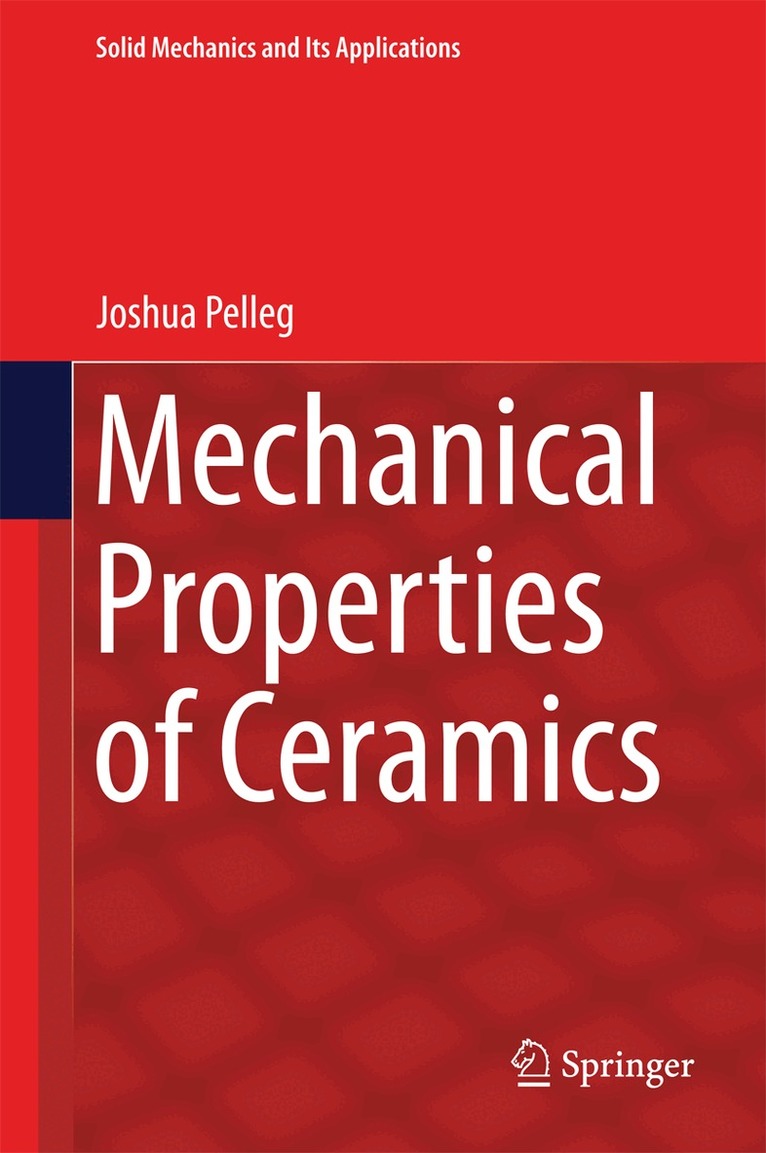
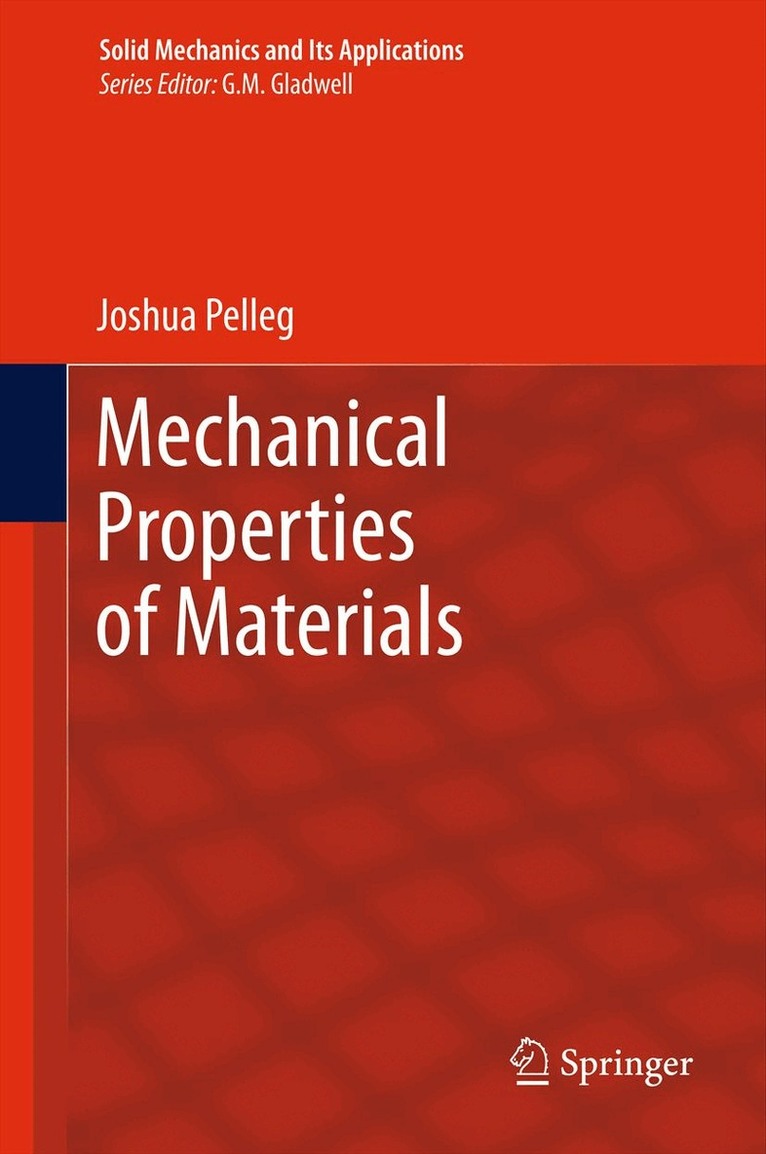
This book discusses the mechanical properties of ceramics and aims to provide both a solid background for undergraduate students, as well as serving as a text to bring practicing engineers up to date with the latest developments in this topic so they can use and apply these to their actual engineering work.
Generally, ceramics are made by moistening a mixture of clays, casting it into desired shapes and then firing it to a high temperature, a process known as ''vitrification''. The relatively late development of metallurgy was contingent on the availability of ceramics and the know-how to mold them into the appropriate forms. Because of the characteristics of ceramics, they offer great advantages over metals in specific applications in which hardness, wear resistance and chemical stability at high temperatures are essential. Clearly, modern ceramics manufacturing has come a long way from the early clay-processing fabrication method, and the last two decades have seen the development of sophisticated techniques to produce a large variety of ceramic material.The chapters of this volume are ordered to help students with their laboratory experiments and guide their observations in parallel with lectures based on the current text. Thus, the first chapter is devoted to mechanical testing. A chapter of ductile and superplastic ceramic is added to emphasize their role in modern ceramics (chapter 2). These are followed by the theoretical basis of the subject. Various aspects of the mechanical properties are discussed in the following chapters, among them, strengthening mechanisms, time dependent and cyclic deformation of ceramics. Many practical illustrations are provided representing various observations encountered in actual ceramic-structures of particularly technical significance. A comprehensive list of references at the end of each chapter is included in this textbook to provide a broad basis for further studying the subject. The work also contains a unique chapter on a topic not discussed in other textbooks on ceramics concerning nanosized ceramics.
This work will also be useful as a reference for materials scientists, not only to those who specialize in ceramics.
549 kr
Skickas inom 10-15 vardagar
687 kr
Läs direkt efter köp
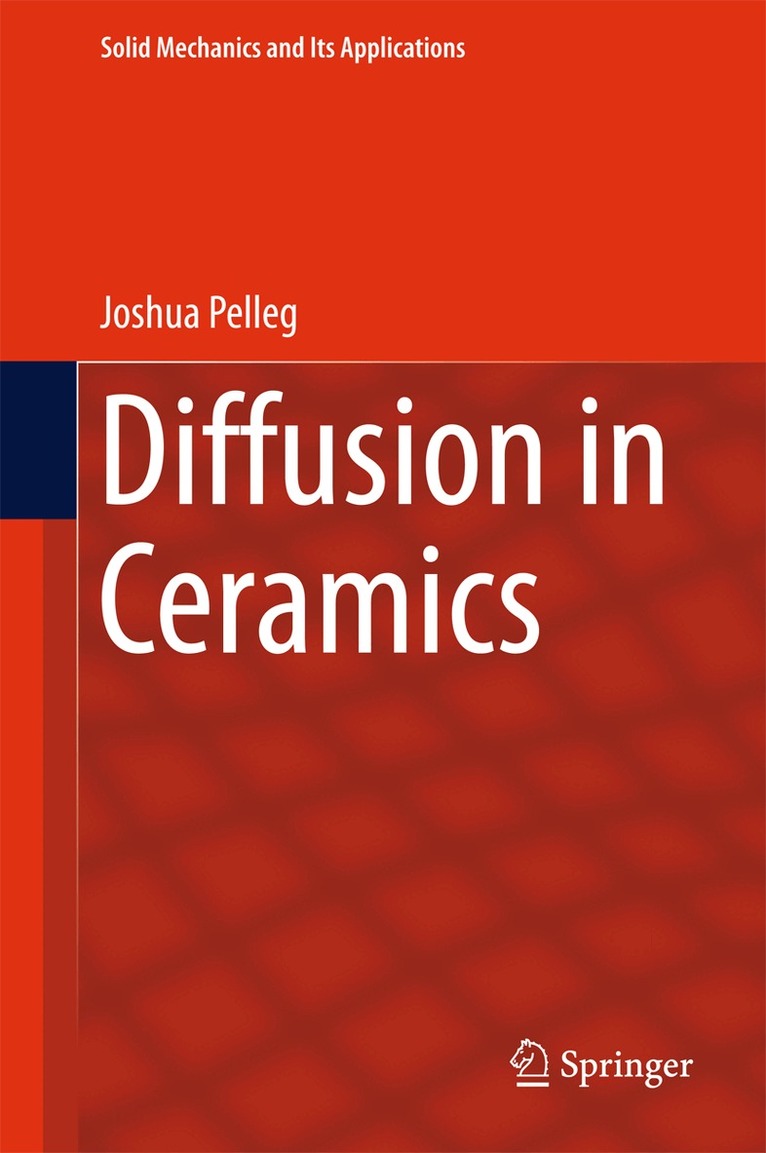
This textbook provides an introduction to changes that occur in solids such as ceramics, mainly at high temperatures, which are diffusion controlled, as well as presenting research data. Such changes are related to the kinetics of various reactions such as precipitation, oxidation and phase transformations, but are also related to some mechanical changes, such as creep.
The book is composed of two parts, beginning with a look at the basics of diffusion according to Fick''s Laws. Solutions of Fick’s second law for constant D, diffusion in grain boundaries and dislocations are presented along with a look at the atomistic approach for the random motion of atoms. In the second part, the author discusses diffusion in several technologically important ceramics. The ceramics selected are monolithic single phase ones, including: A12O3, SiC, MgO, ZrO2 and Si3N4. Of these, three refer to oxide ceramics (alumina, magnesia and zirconia). Carbide based ceramics are represented by the technologically very important Si-carbide and nitride based ceramics are represented by Si-nitride which has been important in high temperature ceramics and gas turbine applications.
The author presents a clear, concise and relatively comprehensive treatment of diffusion in ceramics for use by those at an advanced undergraduate level and beyond. It supports understanding of the basic behavior of materials and how to relate observed physical properties to microscopic understanding. The book also provides researchers with a handy collation of data relating to diffusion in ceramics and supports a fundamental understanding of atomic movements.
549 kr
Skickas inom 10-15 vardagar
1 037 kr
Skickas inom 10-15 vardagar
1 091 kr
Skickas inom 10-15 vardagar
1 416 kr
Läs direkt efter köp
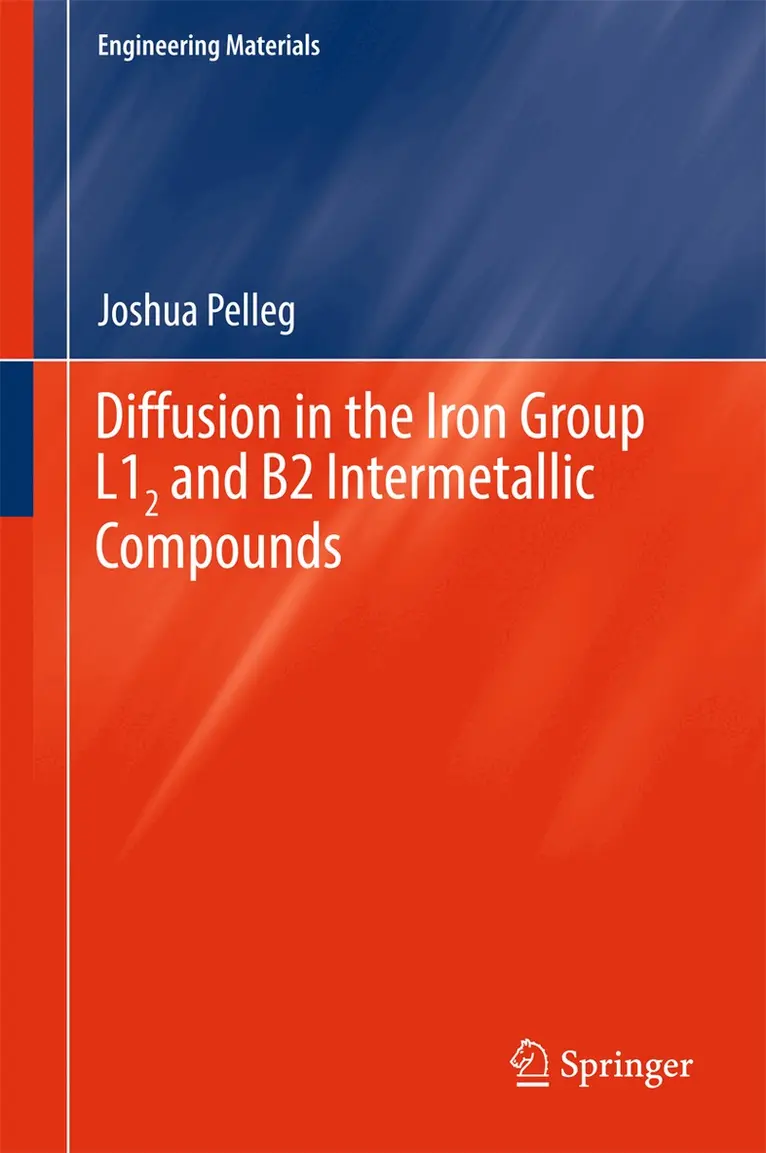
This book explores diffusion in L12 and B2 structures of Ni3Al, Ni3Ge, Ni3Ga and NiAl, NiGe and NiGa and discusses Fe- and Co-based alloys in detail. These alloys of the VIIIA group elements are the basis of intermetallic compounds known as "super alloys," which are important in many technological high-temperature structural applications to improve mechanical strength properties such as creep.
Knowledge of diffusion behavior of intermetallic solids is critical, in particular in high temperature applications of material. Development of high temperature alloys depends on the understanding of diffusion in the aforementioned compounds. Therefore, this comprehensive book on diffusion in the iron group (VIIIA) based intermetallic compounds will be of interest to students, lecturers and researchers. For engineers working in the aircraft industry, this book will prove invaluable as it contains fundamental up to date information and basic knowledge on materials of their interest.
1 091 kr
Skickas inom 10-15 vardagar
1 258 kr
Läs direkt efter köp
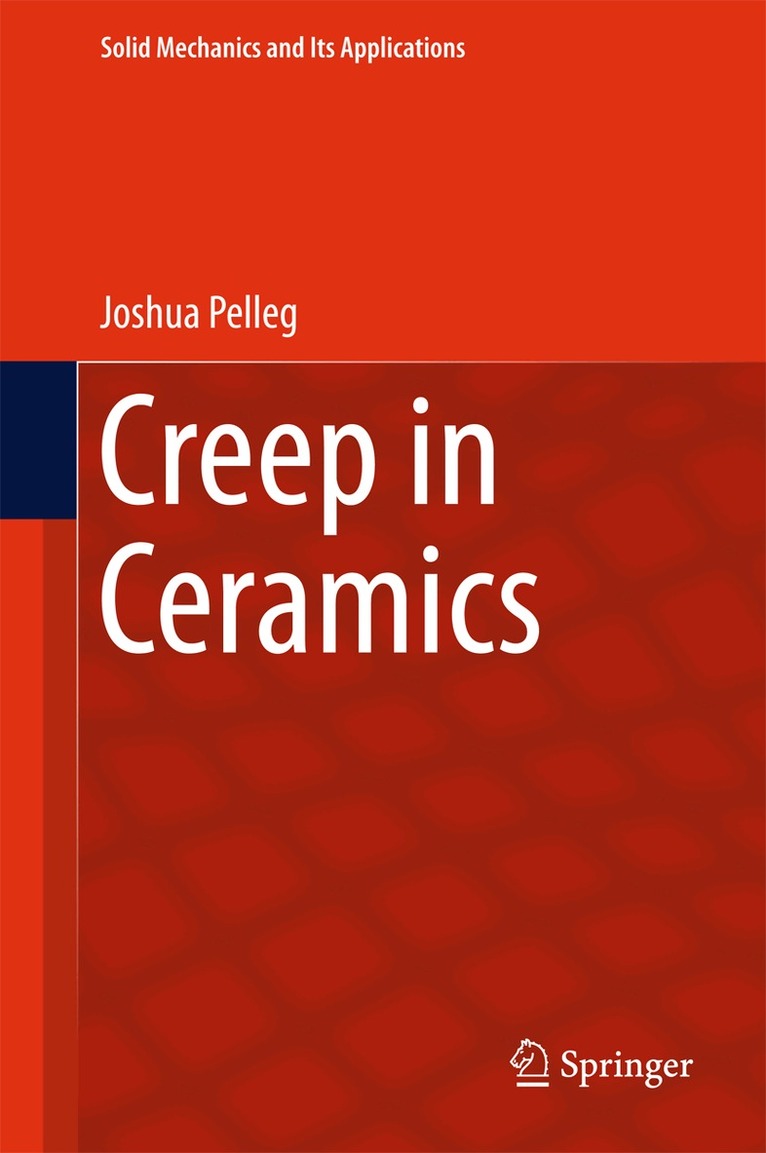
This book focuses on Creep in Ceramics. The book consists of two parts. In part A general knowledge of creep in ceramics is considered, while part B specifies creep in technologically important ceramics, namely creep in oxide ceramics, carnides and nitrides. While covering all relevant information regarding raw materials and characterization of creep in ceramics, the book also summarizes most recent innovations and developments in this field as a result of extensive literature search.
1 091 kr
Skickas inom 10-15 vardagar